Periyar
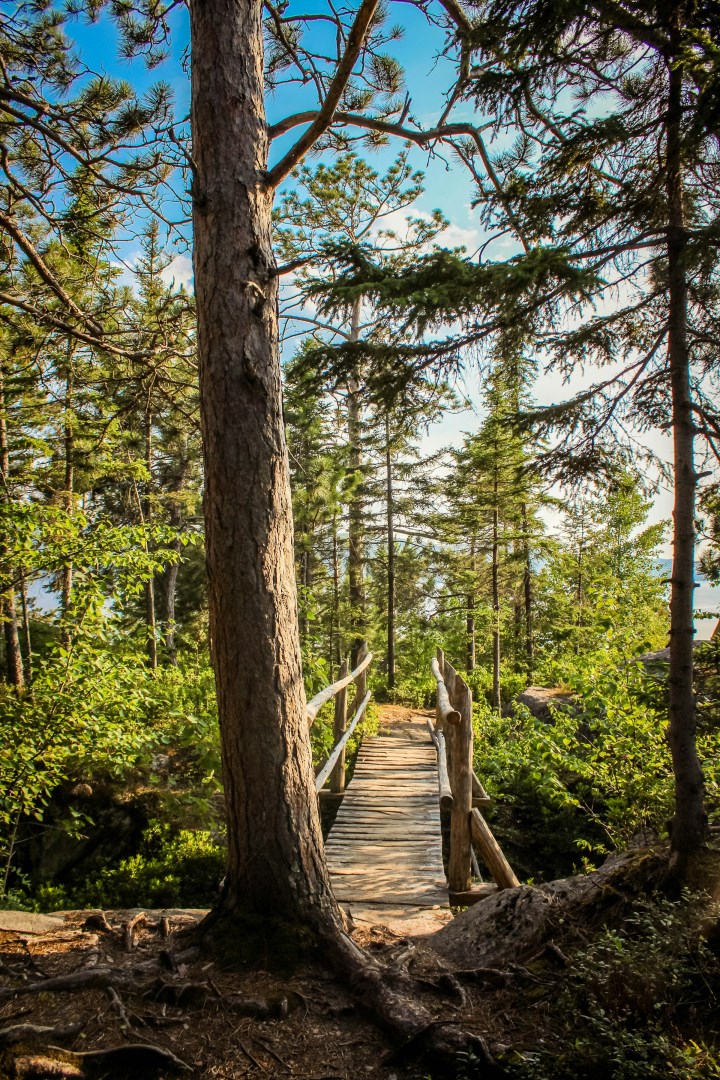
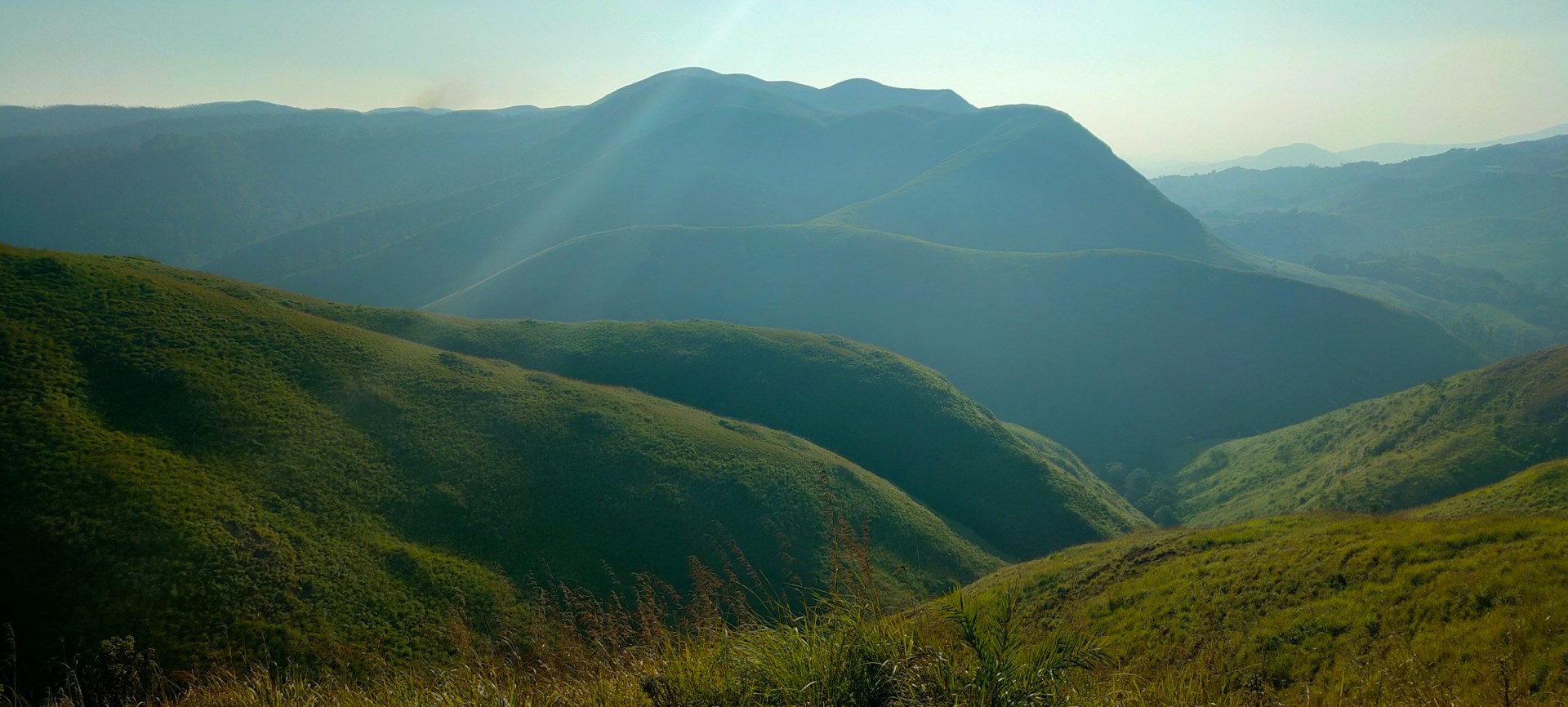
Periyar is a forested highland destination in Kerala’s Idukki district, centered on the Periyar Tiger Reserve and the town of Thekkady. Set within the Western Ghats, the region combines wooded hills, evergreen forests, grasslands, streams, and the large Periyar Lake. The tiger reserve covers about 925 square kilometres and supports an extensive range of wildlife. Its landscape is particularly associated with Asian elephants, Bengal tigers, gaur, sambar deer, wild dogs, and rich birdlife.
Sa Dec
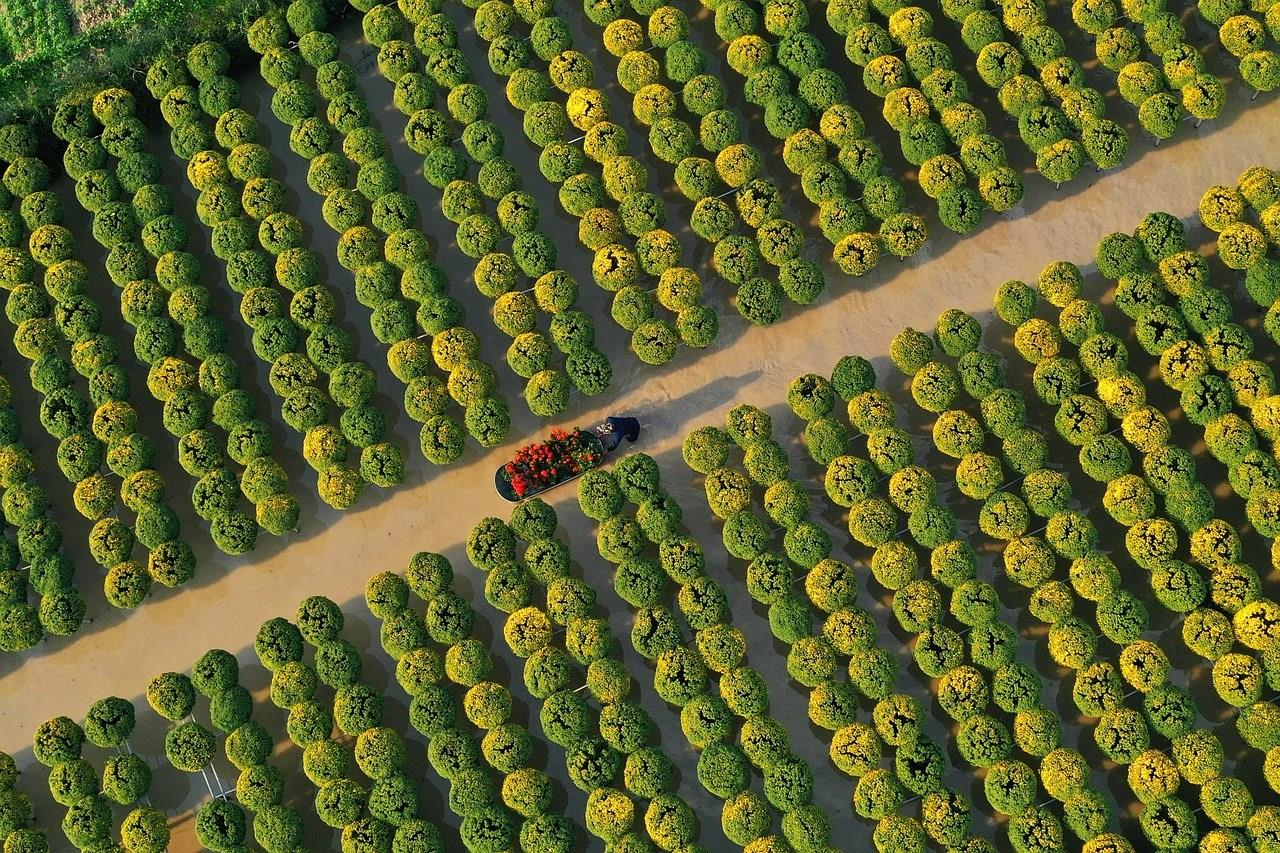
A lesser-known river port in the Mekong Delta, Sa Dec was once the capital of Dong Thap province of southern Vietnam. Today, it is best known for its flower gardens and authentic bustling market. The city is also famous as the setting for French writer Marguerite Duras' 1984 novel, The Lover, and its 1991 film adaptation of the same name.
Nakhitchevan
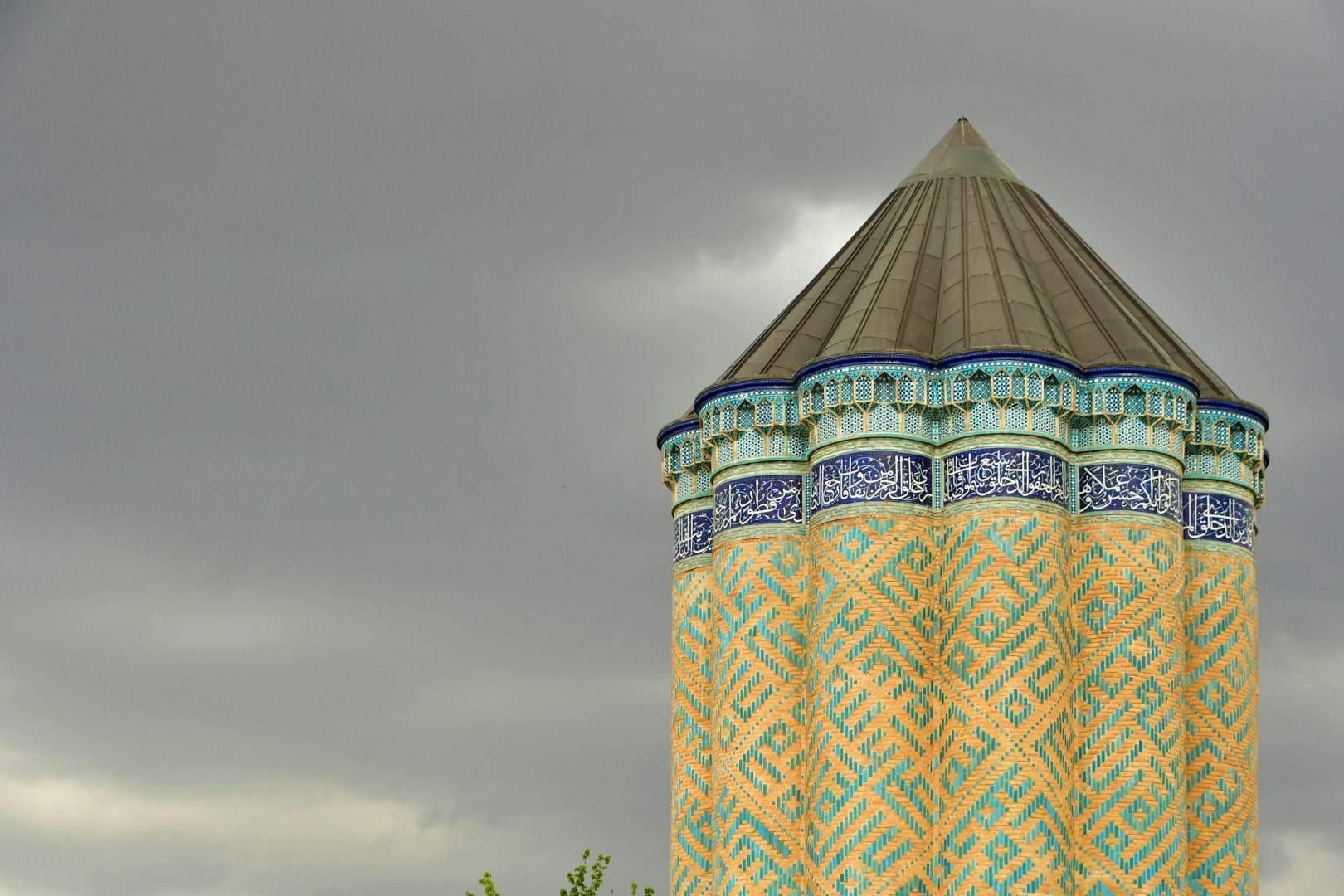
Nakhchivan is the capital of the Nakhchivan Autonomous Republic, an exclave of Azerbaijan located between Armenia, Iran, and Türkiye. The city lies in a broad valley surrounded by dry mountains, with the Nakhchivanchay River and irrigated farmland supporting orchards, vineyards, and gardens. Nakhchivan has a long history as a regional center of settlement, trade, and craftsmanship, and its landscape contains a notable concentration of historic monuments.
Pisco
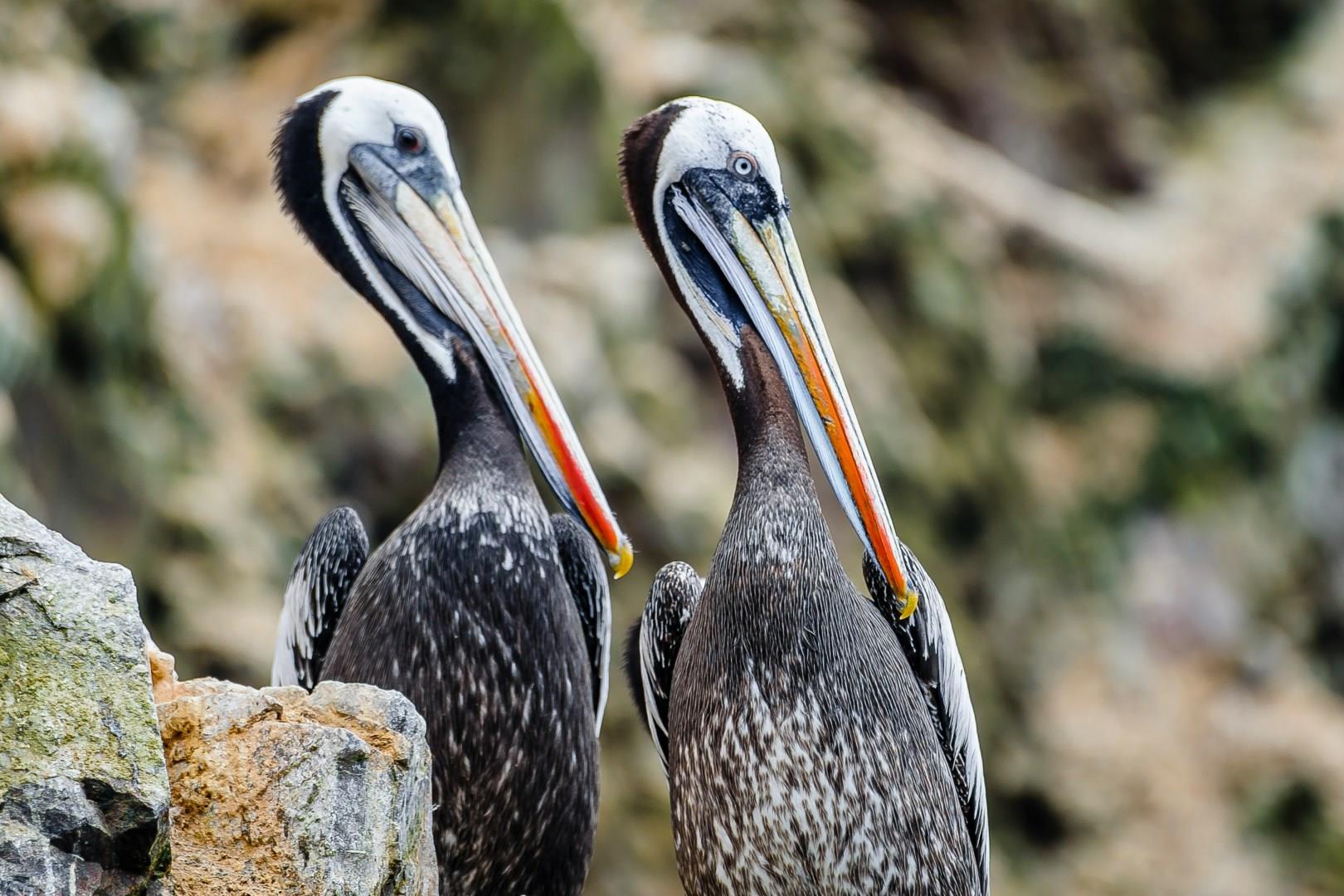
Pisco is a coastal city in southern Peru, set between the Pacific Ocean and the arid landscapes of the Ica region.
Sandwich Harbour
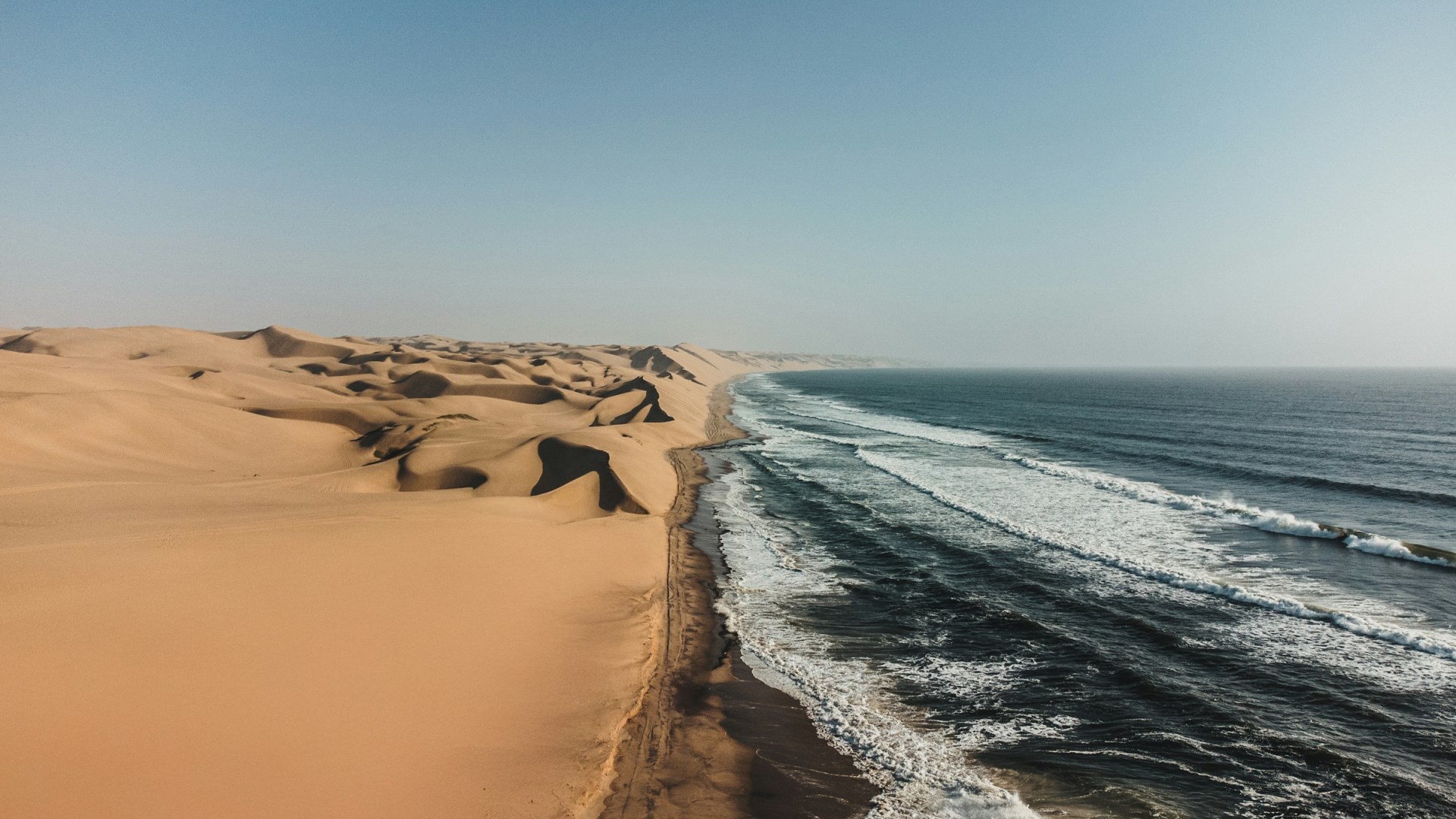
Sandwich Harbour is a remote coastal wetland within Namib-Naukluft National Park, about 55 kilometres south of Walvis Bay. It lies where the Namib Desert meets the Atlantic Ocean, with tall dunes rising beside a lagoon, mudflats, and shallow coastal waters. The area is part of the Namib Sand Sea, where wind and ocean moisture shape one of the world's most distinctive desert environments.