Williamsport
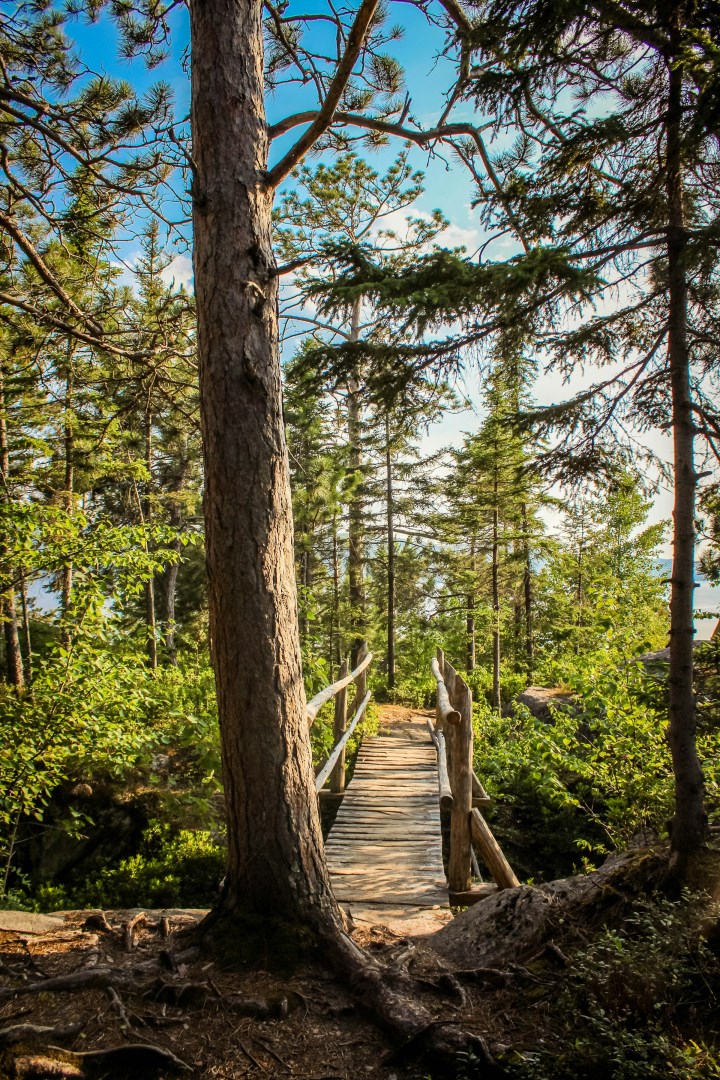
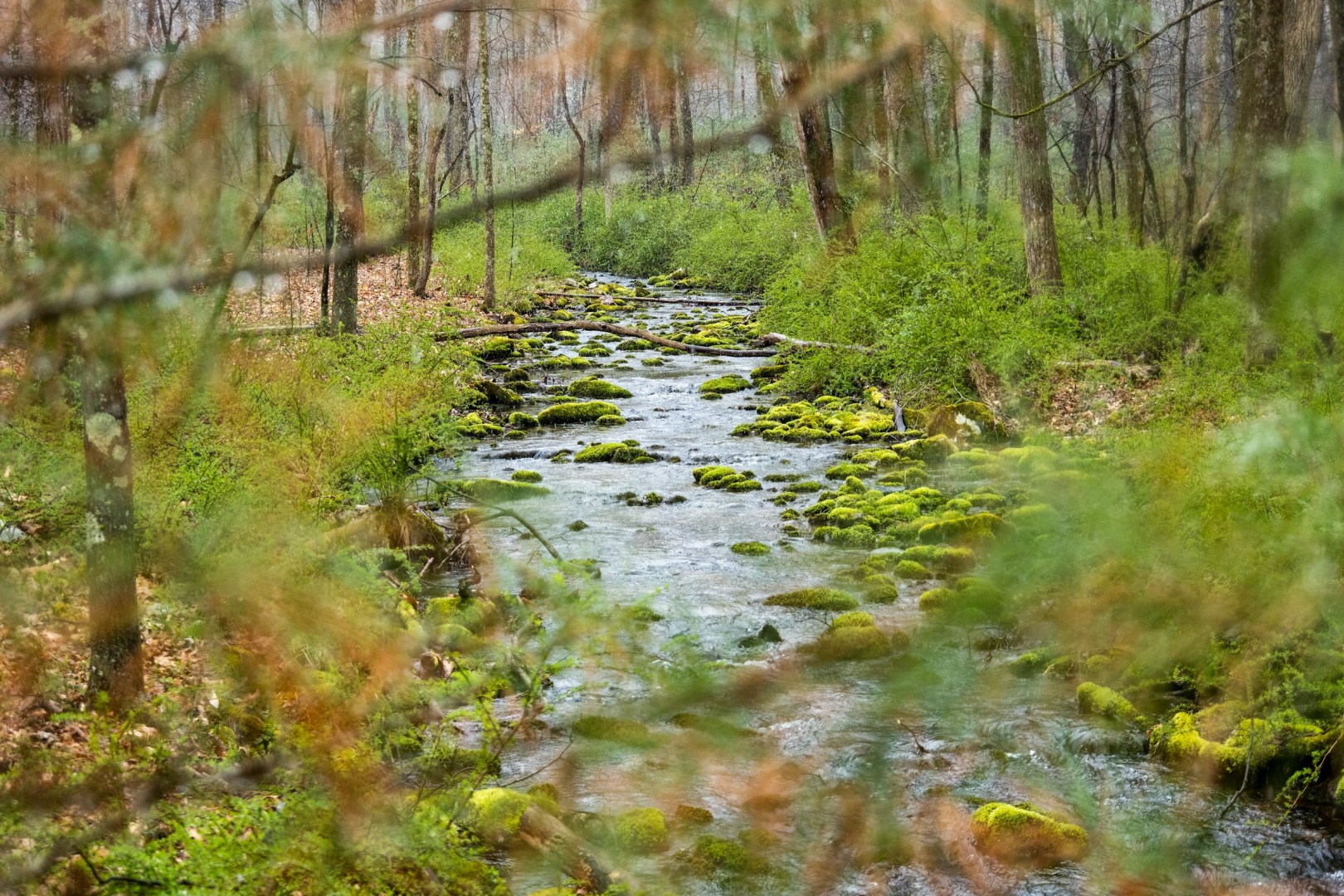
Located in North-central Pennsylvania, Williamsport is a vibrant town, famous for being both the "Lumber Capital of the World" and the birthplace of Little League Baseball.

Höfn
Höfn is a small fishing town in southeastern Iceland, located on a narrow peninsula surrounded by the waters of Hornafjörður and nearby lagoons. The town sits beneath the large Vatnajökull ice cap, whose glaciated peaks form a prominent backdrop to the surrounding landscape. Höfn is an important service and fishing center for southeast Iceland, with a harbor, restaurants, shops, and accommodation.

Samoa
Samoa, a stunning island nation in the South Pacific, invites travelers with its rich cultural traditions and breathtaking landscapes—stunning rainforests, towering waterfalls, and dramatic coastlines that seem to stretch endlessly into the horizon. Made up of two main islands, Upolu and Savaii, along with seven smaller islands, Western Samoa is a vibrant hub of Polynesian culture.
Oceanside
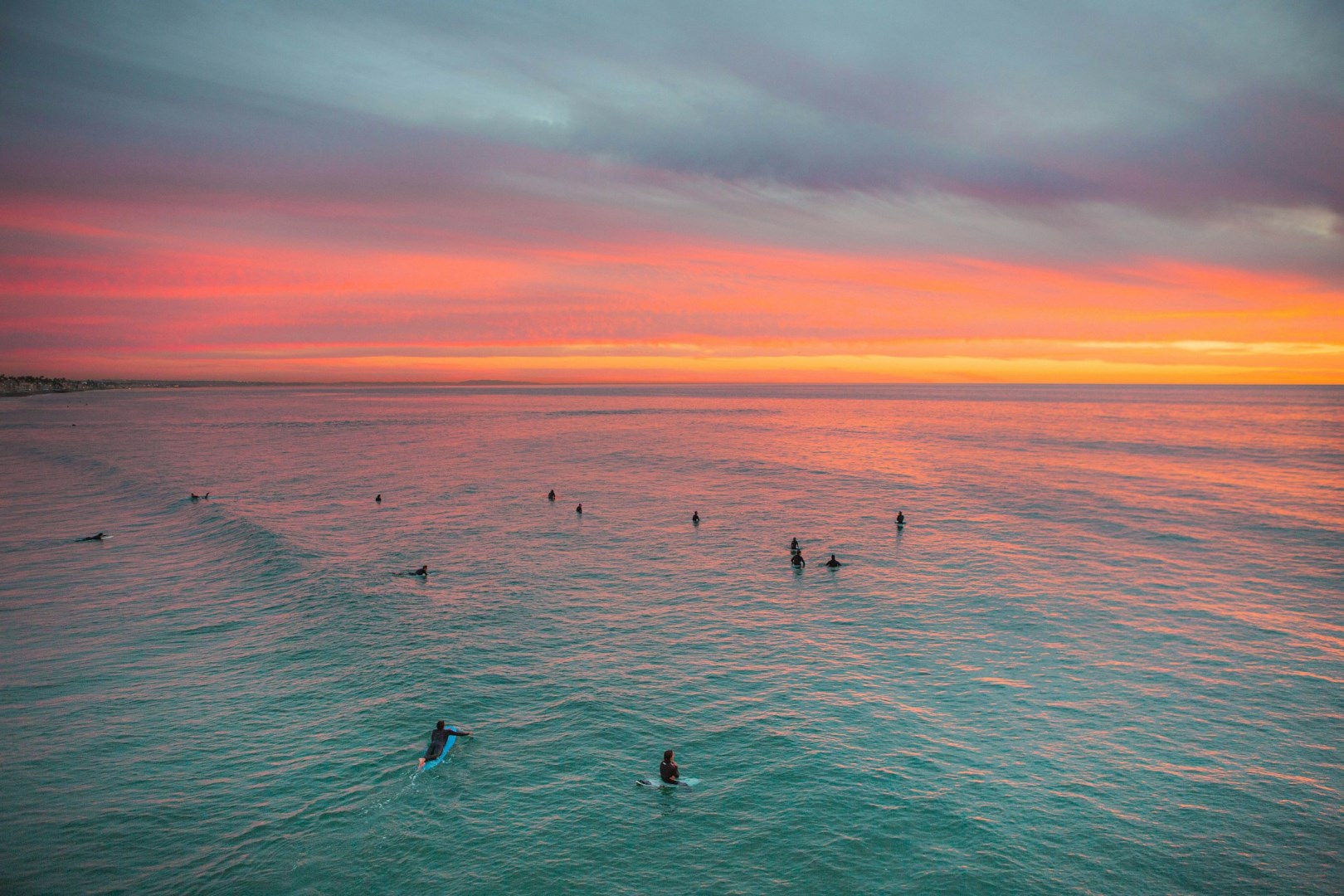
Oceanside is a coastal city in Southern California, located in San Diego County where the Pacific Ocean meets the northern edge of the county. Its waterfront is centered on a long sandy beach, a historic wooden pier, and a working harbor, while neighborhoods extend inland toward the foothills. Oceanside has a distinctly maritime setting, with beaches and harbor facilities alongside a compact downtown containing restaurants, galleries, shops, and cultural venues.
Aizuwakamatsu
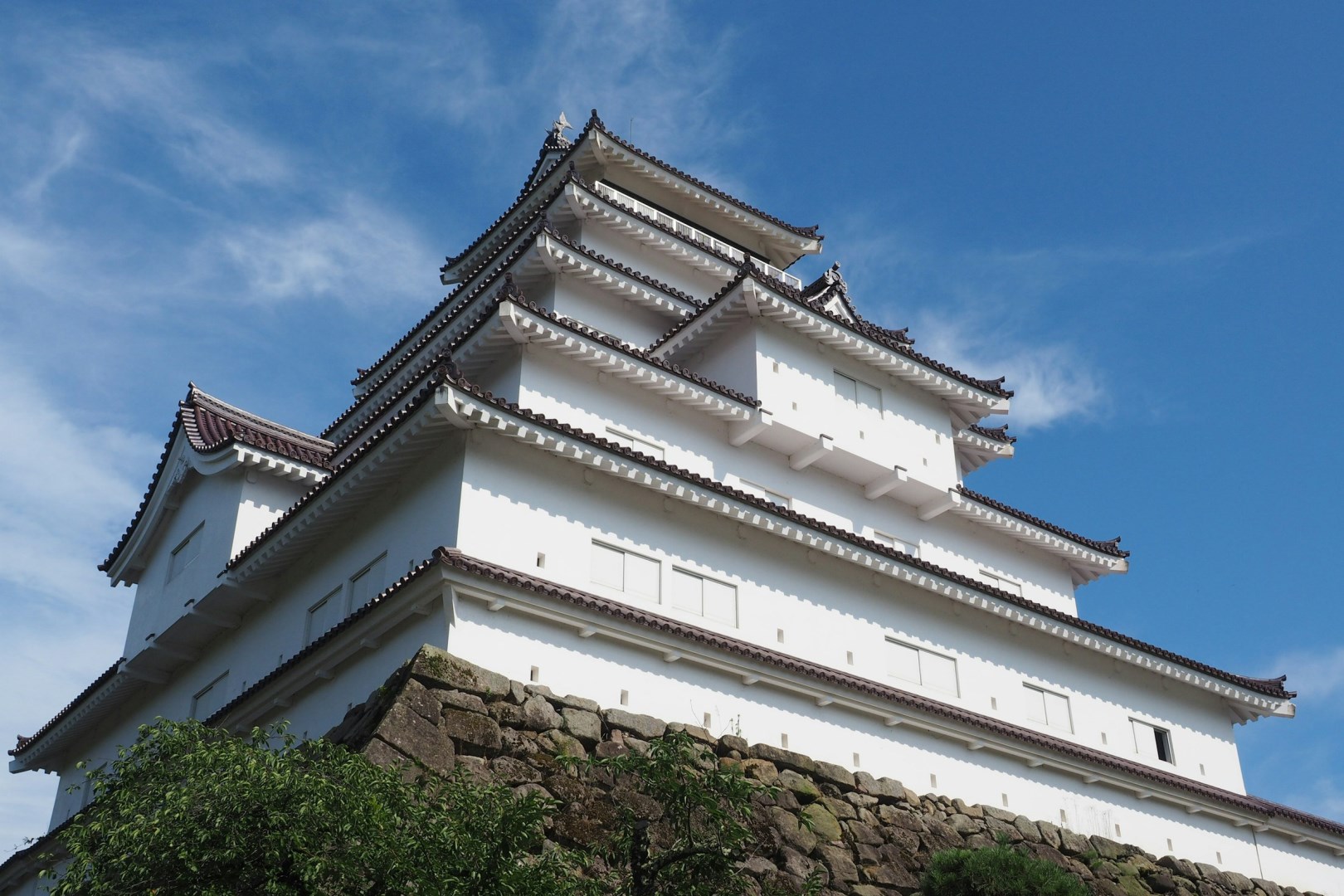
Aizuwakamatsu in Fukushima Prefecture is a city where samurai history is tangible. Once a stronghold of the Aizu domain, it played a pivotal role in the late Edo period and the Boshin War.