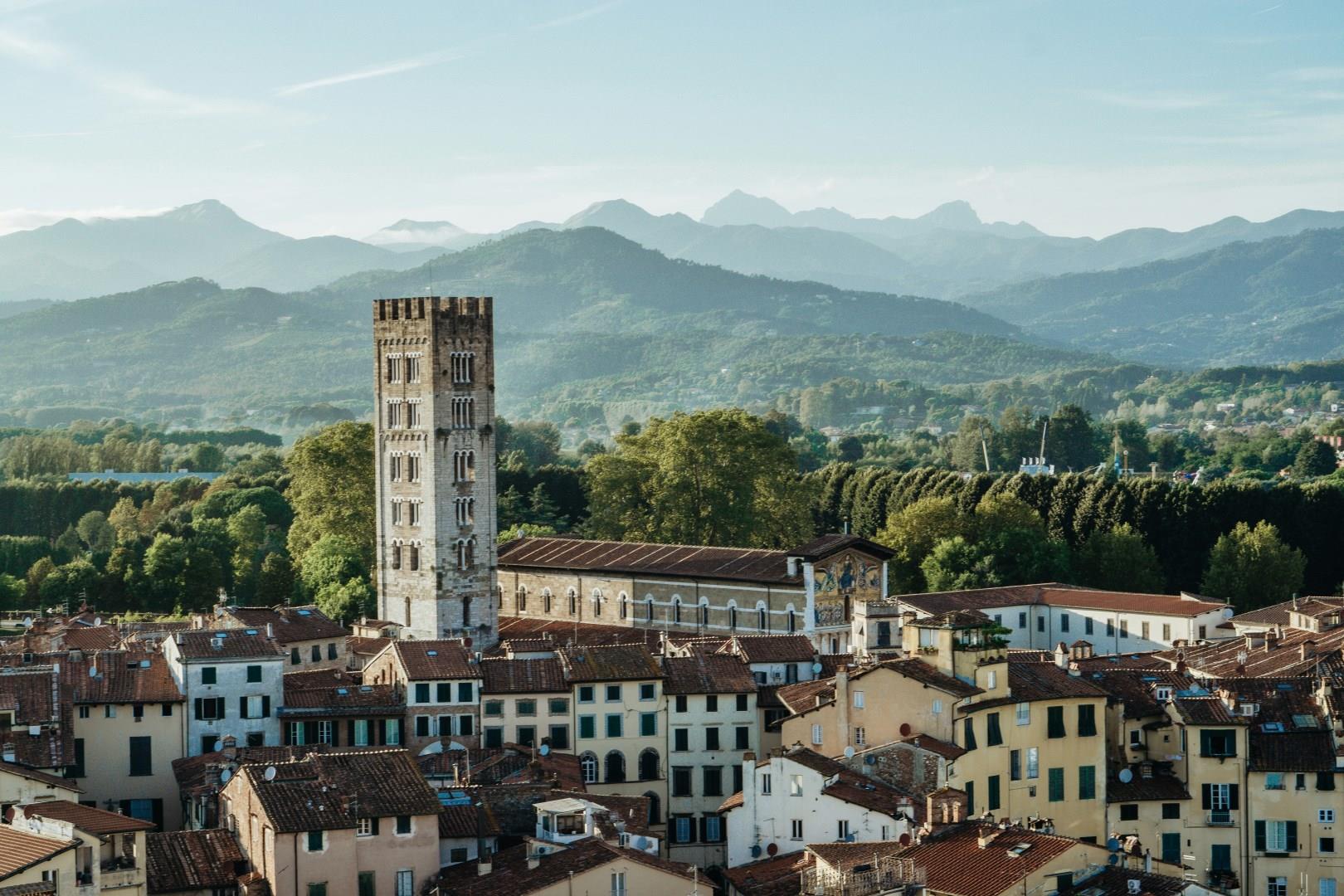
Lucca, a Tuscan city surrounded by remarkably intact Renaissance walls, offers more than just postcard views. Known for its quiet streets and grand piazzas, Lucca stands apart with its circular street layout, still following the lines of a Roman amphitheater from centuries ago. The walls, now repurposed as a 4-kilometer tree-lined park, are a favorite route for locals and visitors who explore them on foot or by bike, passing old bastions and panoramic viewpoints along the way.
Dominica, known as the “Nature Island of the Caribbean,” is a haven for eco-tourists and adventure seekers. Nestled between the French islands of Guadeloupe and Martinique, this lush island boasts a remarkable landscape of volcanic mountains, dense rainforests, and stunning waterfalls. Dominica’s most iconic natural wonder is the Boiling Lake, the second-largest hot spring in the world.
This gorgeous, breezy island is a lively paradise without equal. A celebratory atmosphere will be found here, from dance clubs and DJs to summer tourists simply reveling in the good life.
There's plenty to explore and savor in this vibrant paradise on the Caribbean Sea, including numerous beaches, an assortment of water sports, and plenty of delicious eats and cocktails.
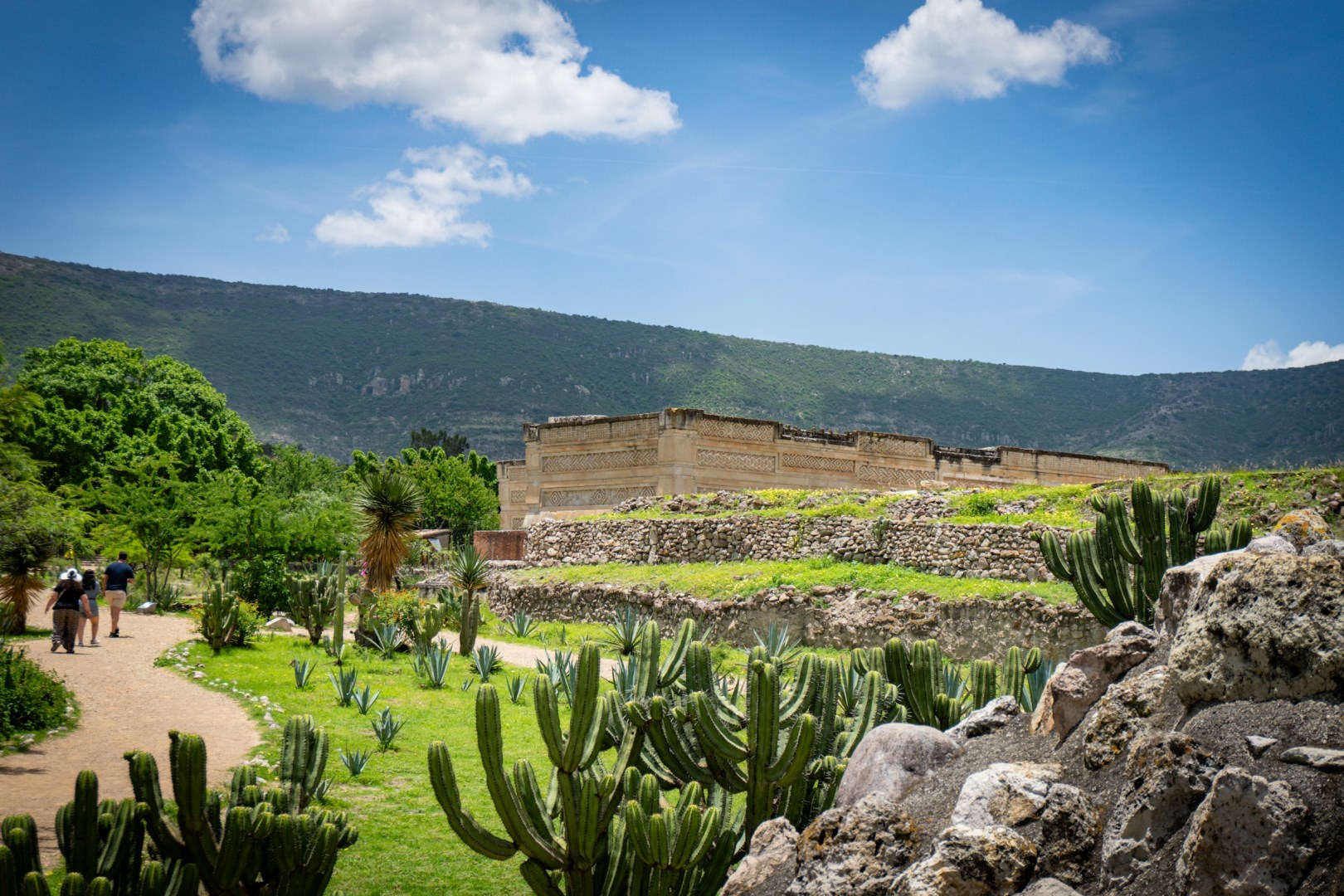
It is located 46 km from the city of Oaxaca. Mitla is famous because of its important archaeological zone, which has extraordinary constructions and a museum where valuable pieces of the Zapoteca culture are exhibited. Other interesting places you can visit in this town are the San Pablo Mitla Church and the Market of Handicrafts where beautiful textile works are sold.
Photo Credit: Photo by Louis Renaudineau on Unsplash
Nestled in the heart of Quebec, Saguenay is a city that invites travelers to experience the perfect blend of natural beauty and vibrant culture. Set along the picturesque Saguenay River, this city is a gateway to the Saguenay Fjord, one of the longest fjords in the world, where steep cliffs rise dramatically from the deep waters. Visitors can explore this majestic landscape by boat, kayak, or even on foot, with numerous trails offering breathtaking views and opportunities to spot wildlife such as belugas and seals.
Saguenay is also rich in cultural experiences. The La Pulperie de Chicoutimi, a former industrial site turned museum, delves into the city’s history, showcasing its transformation from a booming pulp mill town to a cultural hub. The museum also features rotating exhibitions of contemporary art and Quebec heritage, making it a must-visit for art and history enthusiasts (La Pulperie de Chicoutimi). Another cultural gem is the Petite Maison Blanche (Little White House), a symbol of resilience after surviving the catastrophic floods of 1996, which has since become a local museum dedicated to the event (Petite Maison Blanche).
For those seeking adventure, Saguenay offers year-round activities. In winter, the region transforms into a snowy playground, ideal for skiing, snowshoeing, and snowmobiling. Monts Valin National Park is particularly popular for its “ghost forest,” where snow-laden trees create a surreal winter wonderland (Sepaq Monts-Valin). In summer, the city’s proximity to the Saguenay–St. Lawrence Marine Park makes it a hotspot for whale watching, offering unforgettable encounters with these gentle giants of the sea (Marine Park).
Fun Fact: Saguenay boasts one of the highest rates of sunny days in Quebec, making it an ideal destination for outdoor activities throughout the year!
Other Popular Destinations in Quebec
Québec City
Visit picturesque Quebec City, situated on the mighty St. Lawrence River, and become instantly mesmerized by this historic jewel in Canada’s French province. Replete with striking landmarks and stunning architecture, Quebec City is perfect for sight-seeing and deserves ample time for exploration.
Montréal
Montréal is a city shaped by layers of French and British history, with modern flair built into every corner. Founded in 1642 as Ville-Marie, it’s one of the oldest cities in North America. Visitors walking through Old Montréal will find cobblestone streets, 18th-century buildings, and landmarks like the Notre-Dame Basilica, known for its deep blue interior and grand organ with over 7,000 pipes.