Mumbai
This energetic city is home to three UNESCO World Heritage Sites: the Elephanta Caves, Chhatrapati Shivaji Maharaj Terminus, and the city's distinctive Victorian and Art Deco buildings. It is the largest city in India and contains 7 distinct districts. There is so much to see here, but the most popular tourist attractions are typically concentrated in South Mumbai such as the Elephanta Caves, the Gateway of India and Chhatrapati Shivaji Maharaj Terminus.
Quiver Tree Forest
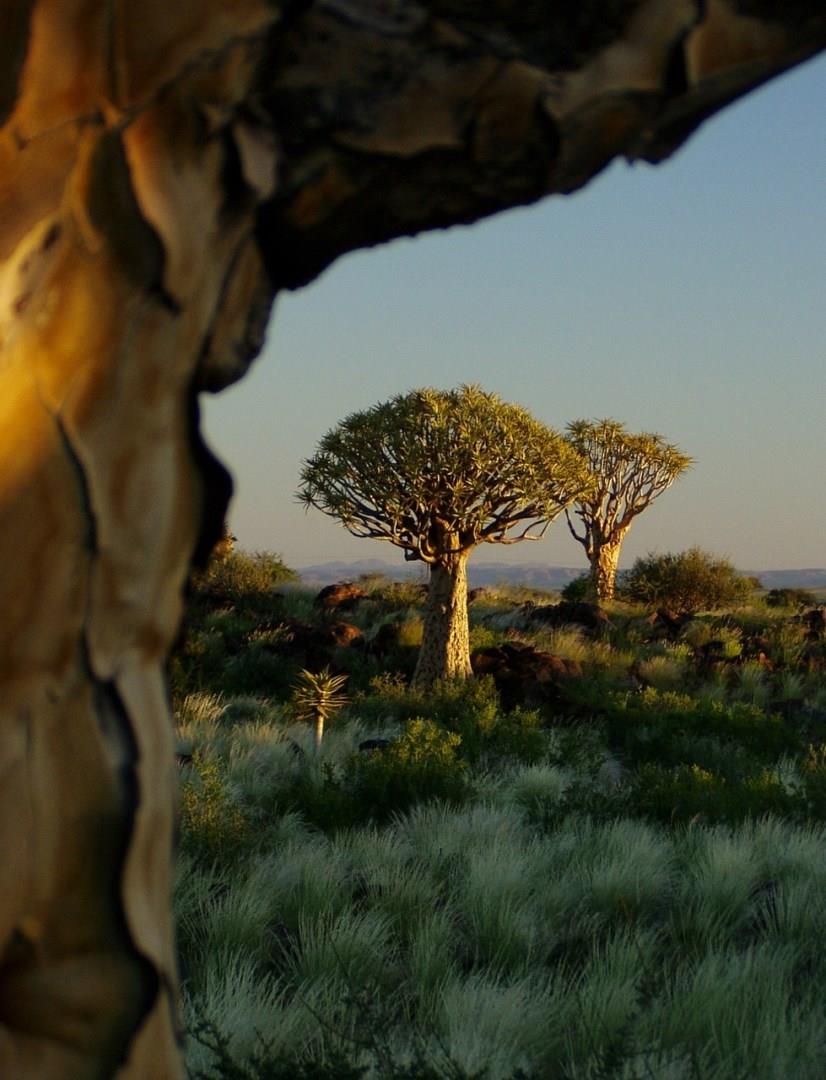
The Quiver Tree Forest, located just outside the town of Keetmanshoop in southern Namibia, is one of the country's most captivating natural wonders. This unique forest is home to hundreds of towering quiver trees (Aloe dichotoma), some of which are estimated to be over 200 years old. These trees, named after the San people who used their hollowed-out branches as quivers for arrows, are an iconic symbol of Namibia's arid landscape.

Klaipeda
Klaipeda, Lithuania’s only port city, is a place where history, nature, and the sea come together. Located on the coast of the Baltic Sea, this charming city has a unique old town filled with cobblestone streets.

Bartlett
Bartlett, New Hampshire is a small White Mountains town with a deep connection to outdoor adventure and quiet mountain charm. Founded in the late 18th century, Bartlett began as a logging and railroad hub, and remnants of that past still echo through its historic buildings and covered bridges. The Bartlett Roundhouse, a relic from the town’s railway days, now serves as a museum and reminder of how trains once connected this remote region to the rest of New England.

Oaxaca
Oaxaca, nestled in the heart of southern Mexico, is a city where ancient traditions and vibrant culture thrive. Renowned for its rich history and indigenous heritage, Oaxaca offers a unique blend of pre-Columbian, colonial, and modern influences. The city's historic center, a UNESCO World Heritage site, is a testament to its past, featuring stunning colonial architecture such as the Santo Domingo de Guzmán Church, a masterpiece of Baroque art.