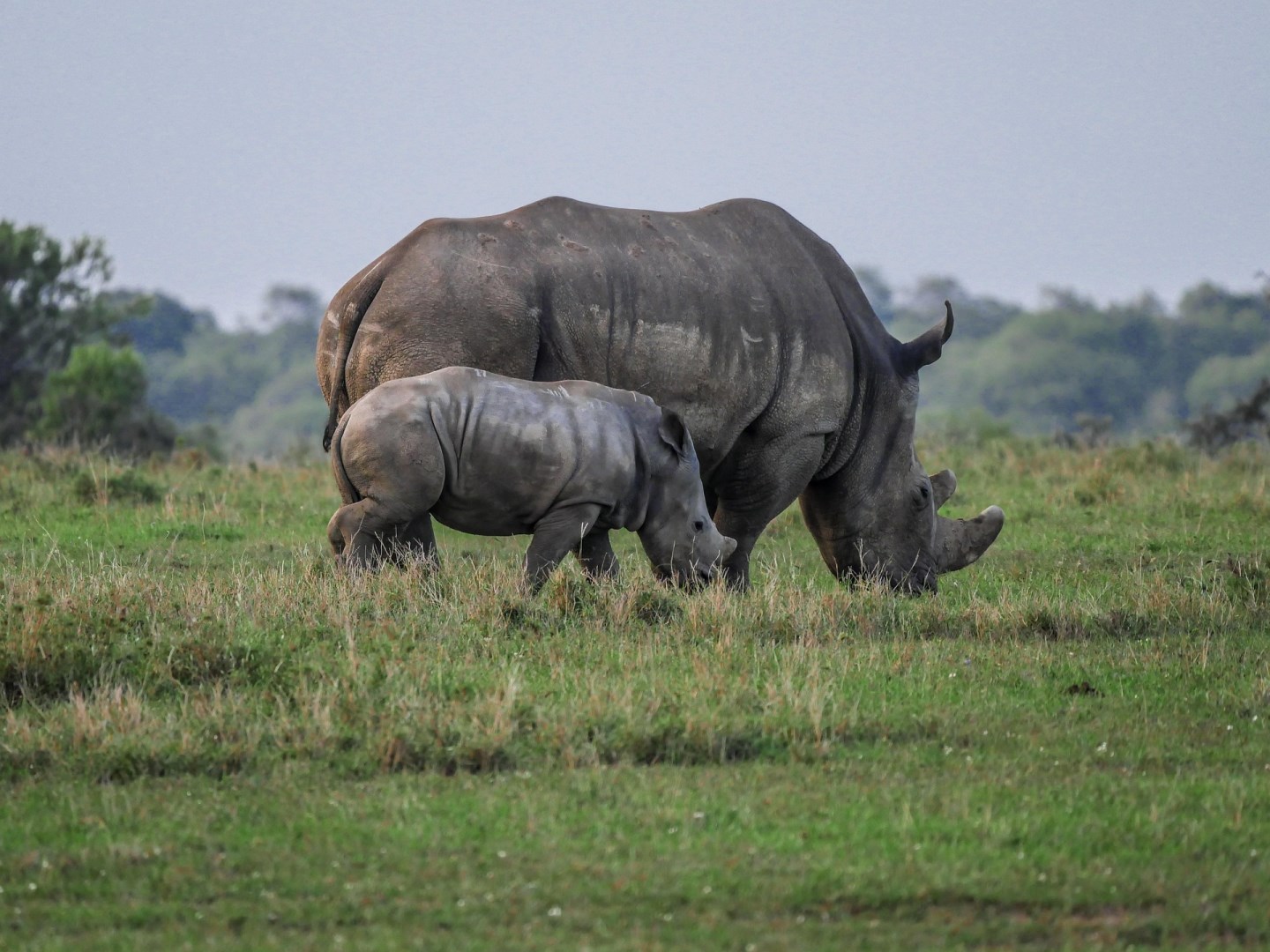
Ol Pejeta Conservancy
Ol Pejeta Conservancy lies in Kenya’s Laikipia region near Nanyuki, overlooking Mount Kenya and the Aberdare ranges. Covering about 90,000 acres, it combines wildlife conservation, cattle ranching, tourism, and community development within one managed landscape. The conservancy is particularly known for its work protecting rhinos and other threatened species. Its open grasslands, wooded areas, and river habitats support elephants, lions, zebras, giraffes, and many other animals.
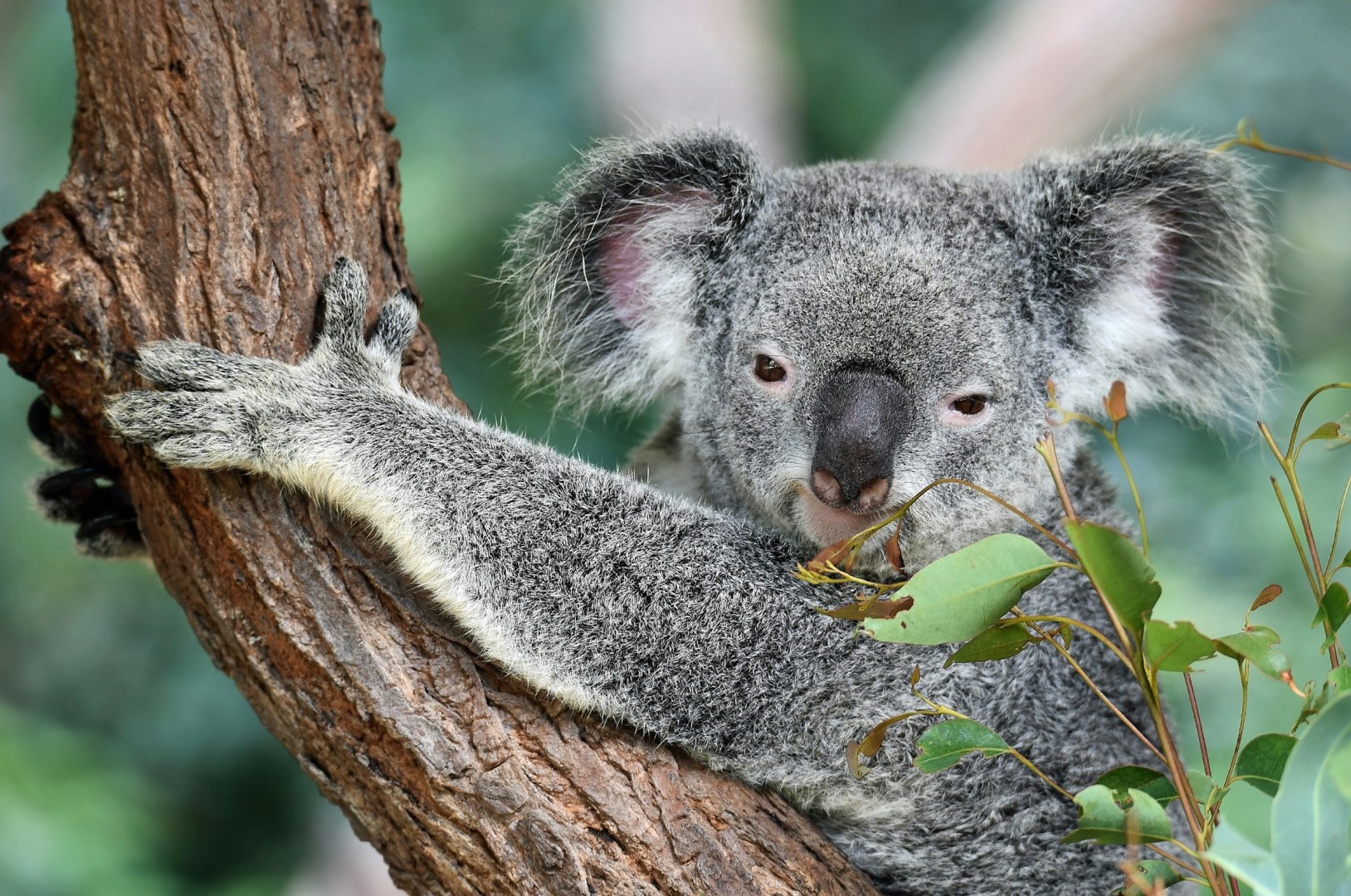
Kuranda
Kuranda is a pretty town set amongst the glorious mountains of the Atherton Tablelands, and famous for its wonderful markets. There is spectacular rainforest surrounding the town, with various walking tracks.
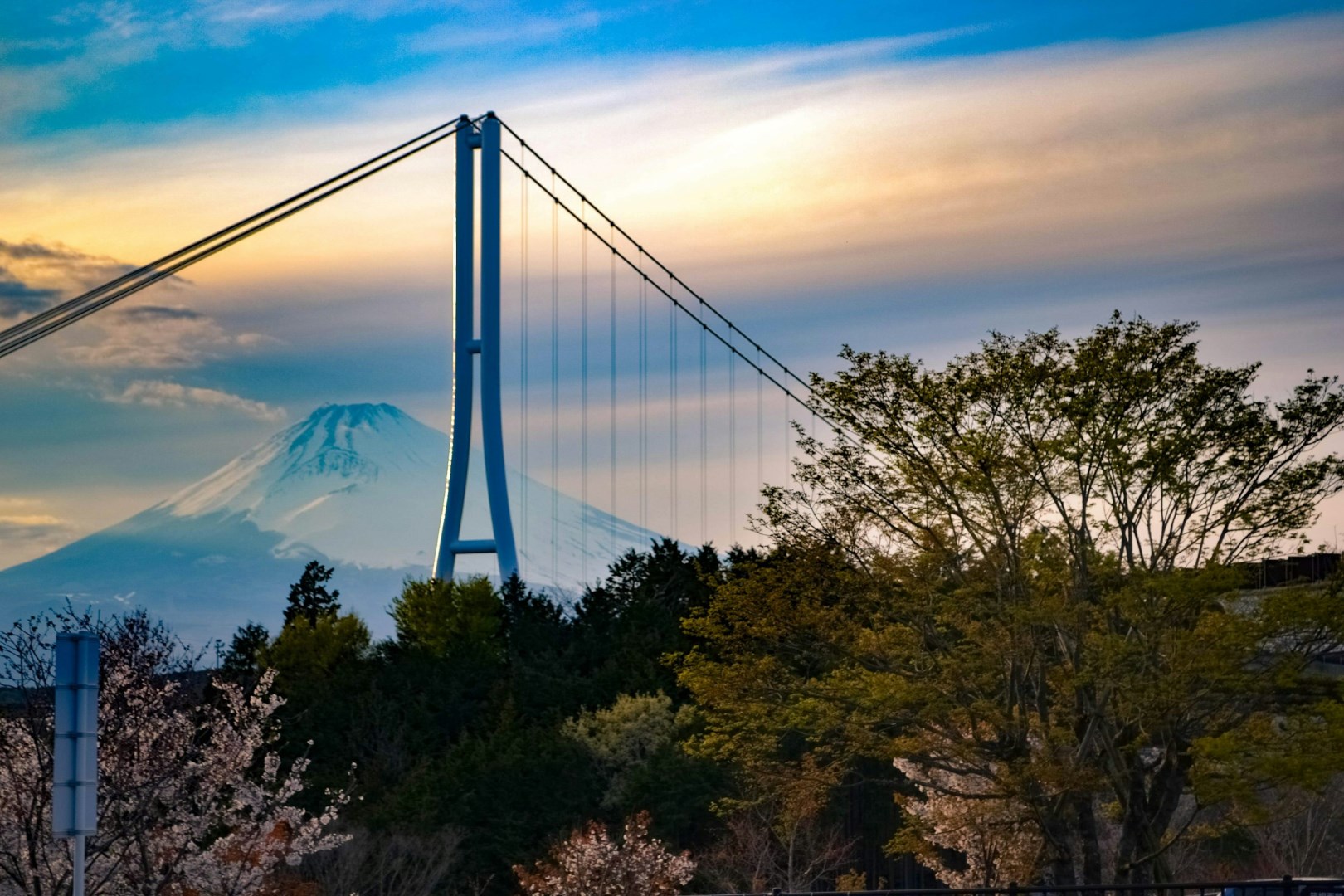
Mishima
Mishima is a city in eastern Shizuoka Prefecture, located at the northern end of the Izu Peninsula near the foot of Mount Fuji. The city is closely connected with the abundant spring water that flows from the mountain through its urban landscape. Rivers, canals, ponds, and walking paths give Mishima a distinctive relationship with water, while its location provides access to both the Izu Peninsula and the Mount Fuji area.
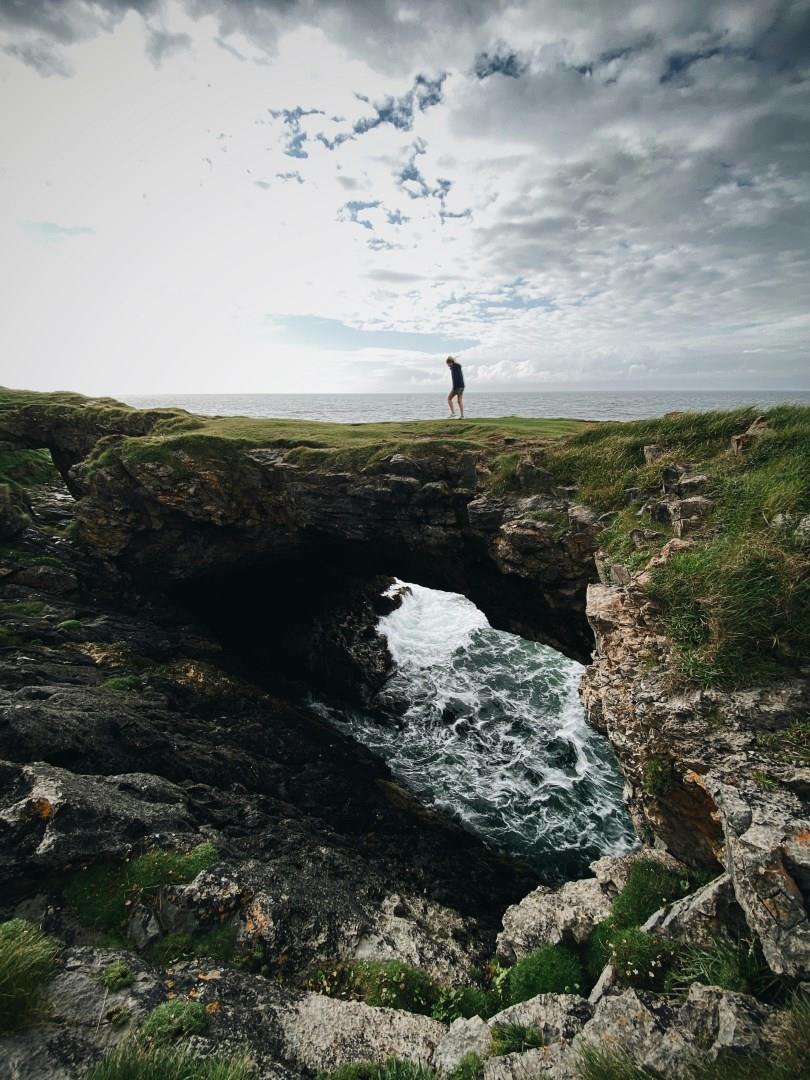
Westport
Westport, located on Ireland’s west coast in County Mayo, is a charming town renowned for its picturesque streets, lively cultural scene, and proximity to some of Ireland’s most scenic landscapes.
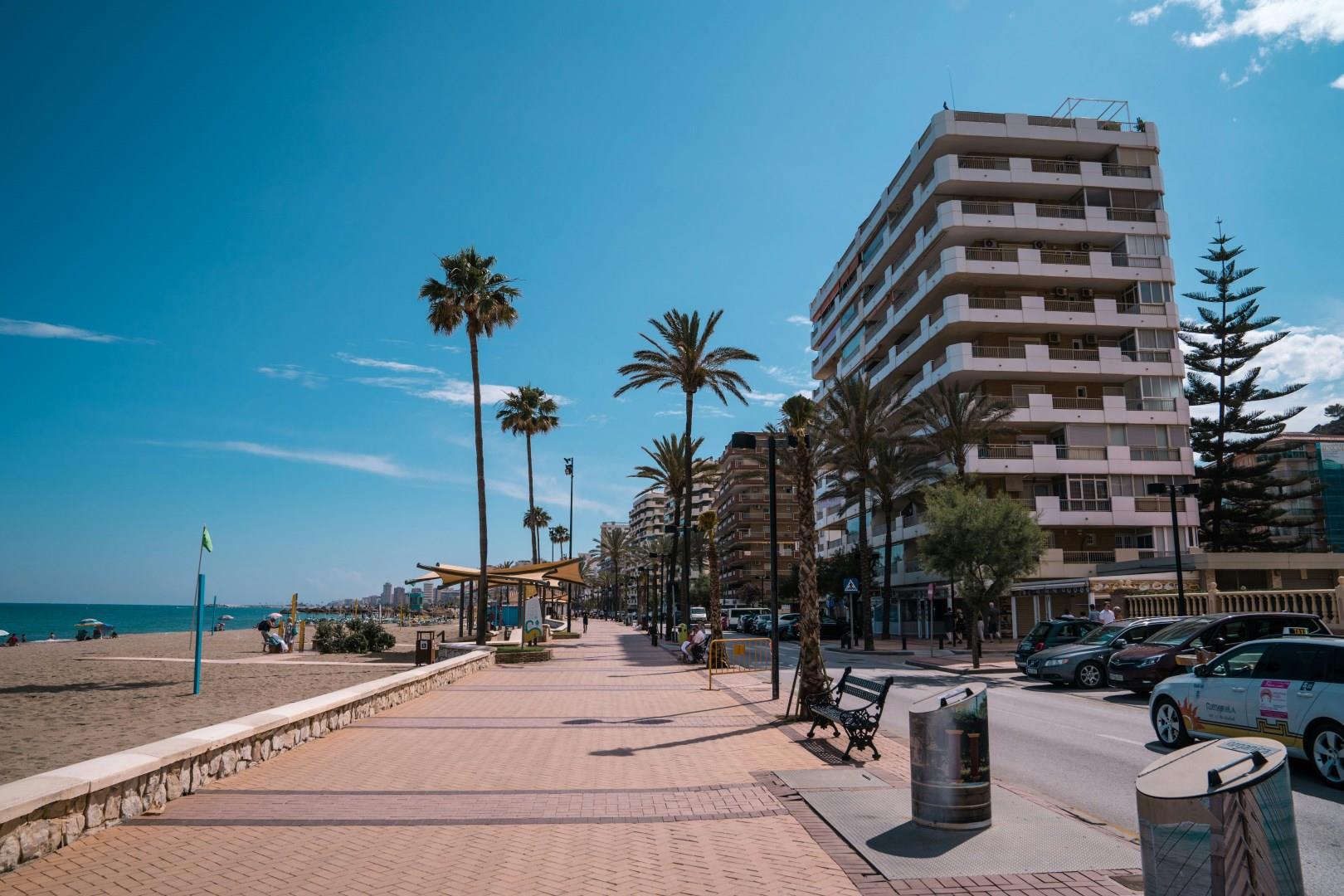
Costa del Sol
The Costa del Sol, stretching along the southern coast of Spain in Andalusia, is famed for its golden beaches, lively coastal towns, and sunny Mediterranean climate.