Welcome to Lençóis Maranhenses National Park, one of Brazil's most breathtaking natural wonders! Imagine endless stretches of white dunes with breaks of crystal-clear freshwater lagoons that fill during the rainy season. It's a photographer's dream and a hiker's paradise, where you can explore this surreal landscape by foot or on a thrilling 4x4 adventure.Whether you're seeking adventure or tranquility, this unique destination offers a once-in-a-lifetime experience you won't want to miss!
St. Julians was originally a tiny fishing village, built round a small bay. It has retained most of its charm, thanks to some sympathetic restoration. Overlooking the bay is Spinola Palace, built in 1688. Today St Julians provides some of the best restaurants, like the San Giuliano and Barracuda, overlooking the Bay, popular with locals and visitors alike. It gets quite busy over the weekends and during the peak season, making parking a problem. However, public transport is frequent and nearby P
Ronda, perched high above the El Tajo gorge in southern Spain’s Málaga province, offers one of the most dramatic landscapes in Andalusia. The city is split in two by a 120-meter-deep canyon carved by the Guadalevín River, and connected by the iconic Puente Nuevo, an 18th-century stone bridge that took over 40 years to complete. Visitors crossing the bridge can stop at the viewpoint built into the stone itself, once used as a prison.
Victoria de Durango rises on a high plateau Mexico’s Sierra Madre Occidental, founded in 1563 by Francisco de Ibarra. Its streets trace layers of history: the historic center holds the most listed buildings in northern Mexico and remains a notable stop on the Camino Real de Tierra Adentro, now a UNESCO World Heritage route.
Rothenburg ob der Tauber rises above the Tauber River in Bavaria, where its medieval town center has stood largely unchanged for centuries, making it one of Germany’s most vivid windows into the past. This old walled city stretches along cobblestone streets where half-timbered houses, ancient towers, and narrow alleys invite visitors to wander and imagine life in the Middle Ages.
Photo Credit: Photo by Robert Greinacher on Unsplash
Photo Credit: Photo by Andrew Dawes on Unsplash
Photo Credit: Photo by Lori Ayre on Unsplash
Photo Credit: Photo by Thomas Wilson on Unsplash
Photo Credit: Photo by Jonathan Greenaway on Unsplash
Loch Na Keal
Photo Credit: Photo by Dan Russon on Unsplash
Fionnphort
Photo Credit: Photo by Andrew Dawes on Unsplash
Photo Credit: Photo by Jonny Gios on Unsplash
Fionnphort
Photo Credit: Photo by Andrew Dawes on Unsplash
Photo Credit: Photo by David Makin on Unsplash
Photo Credit: Photo by Jeremy Boley on Unsplash
Photo Credit: Photo by Hazel Clifton on Unsplash
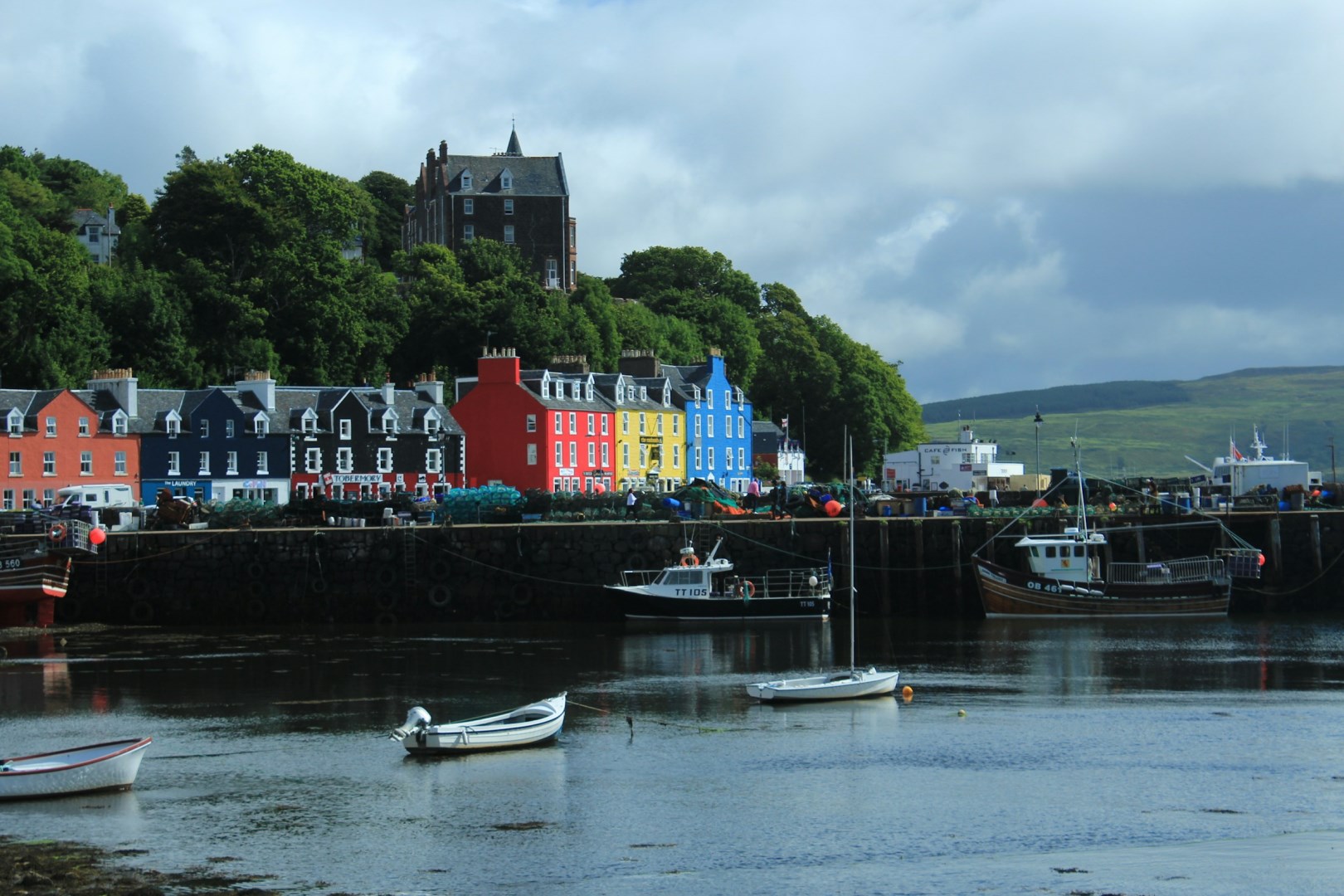
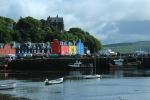
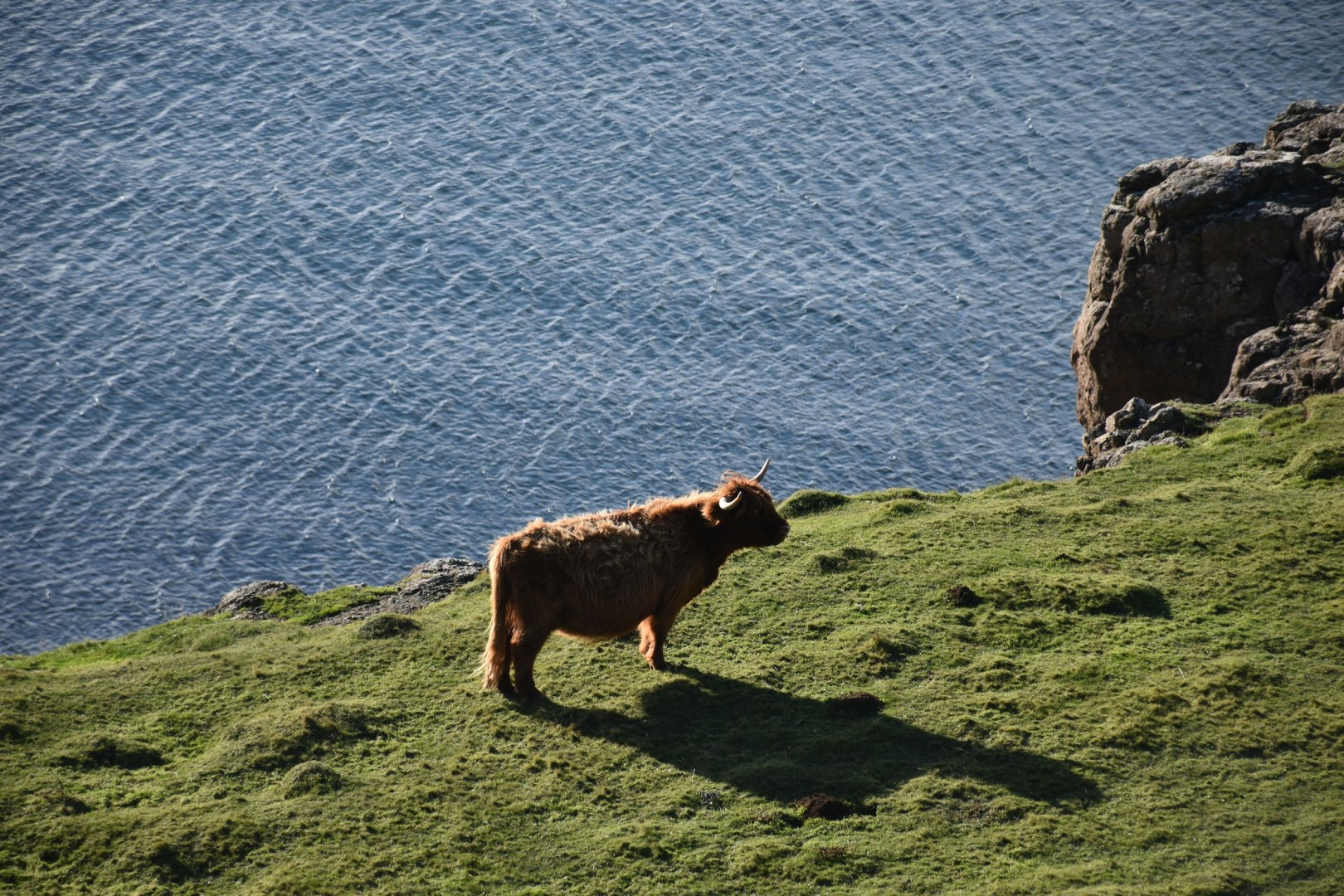
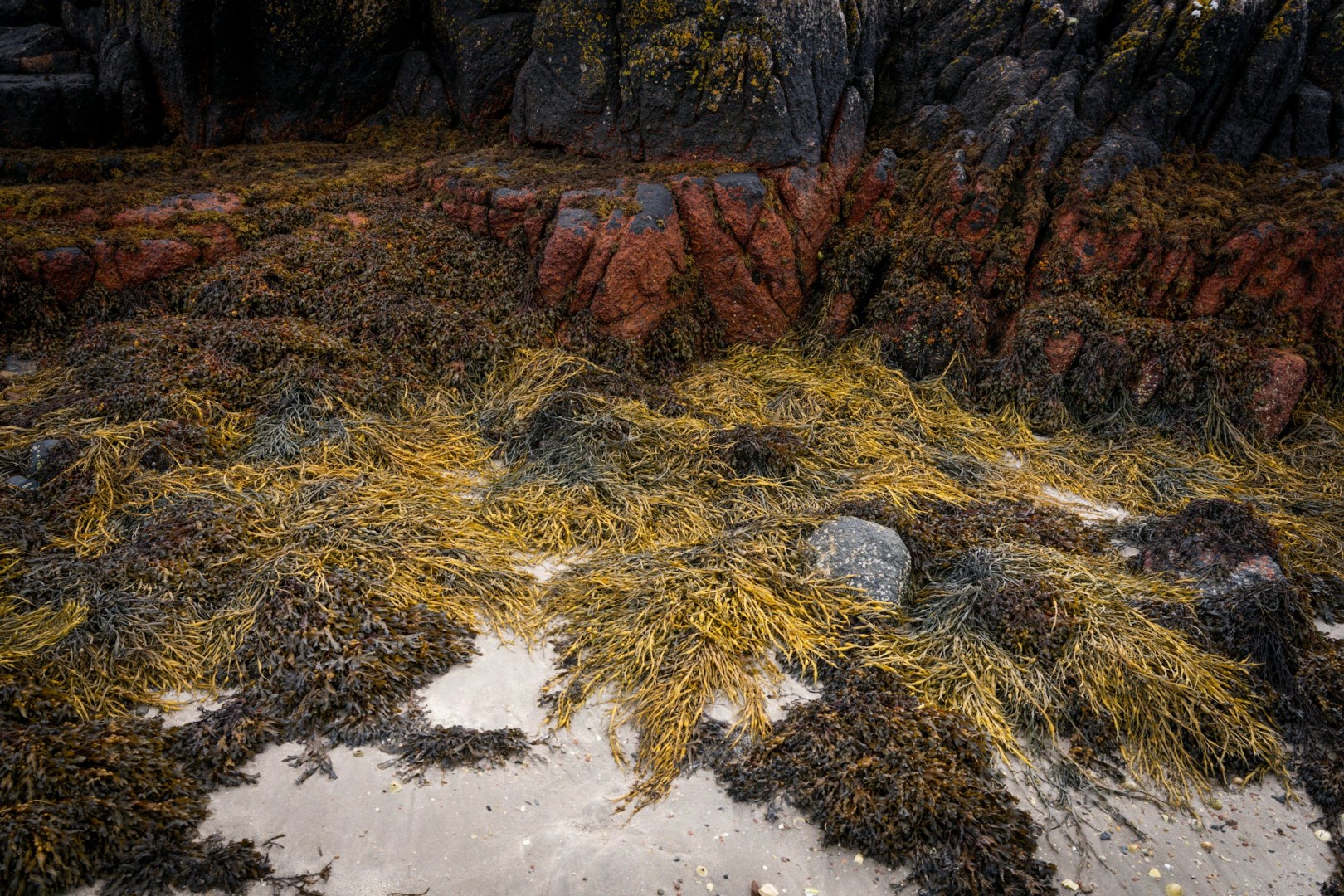
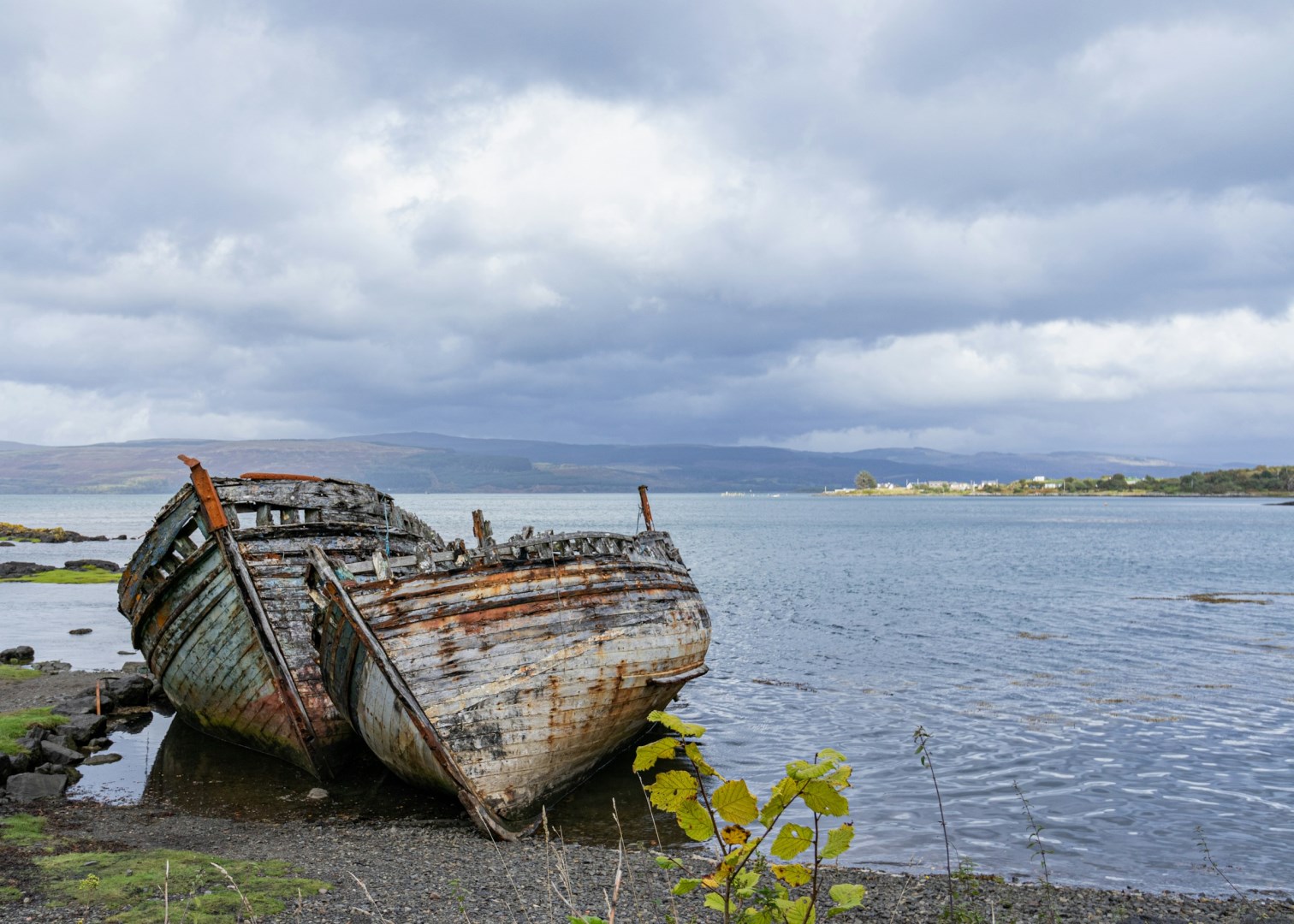
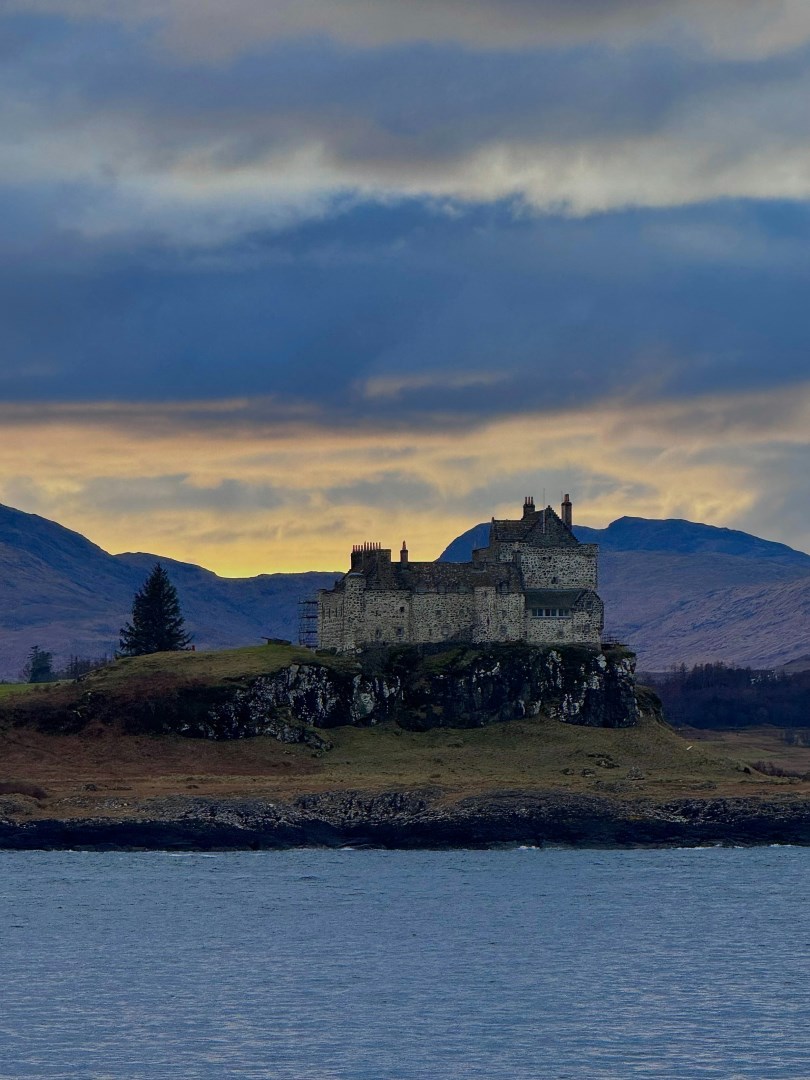
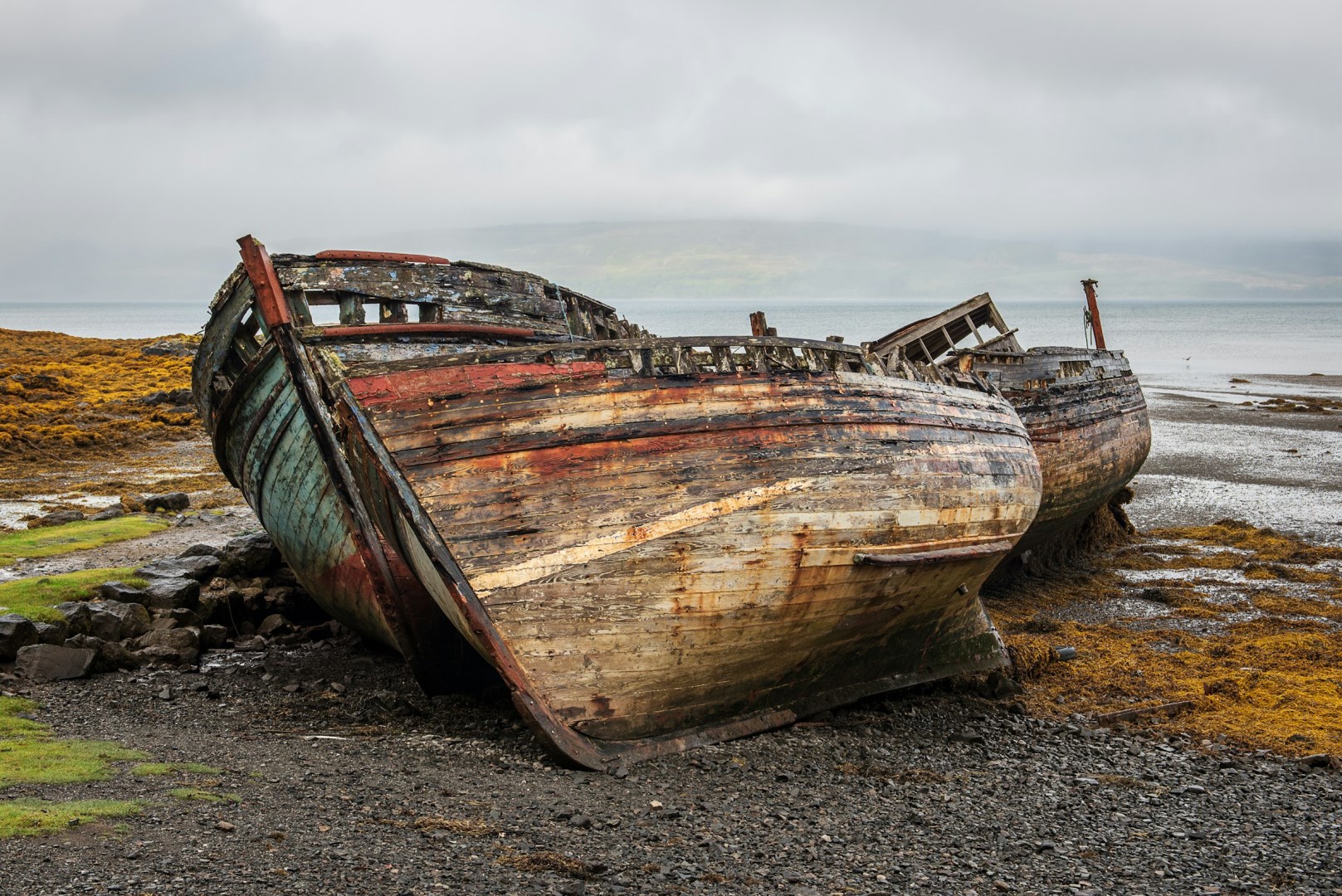
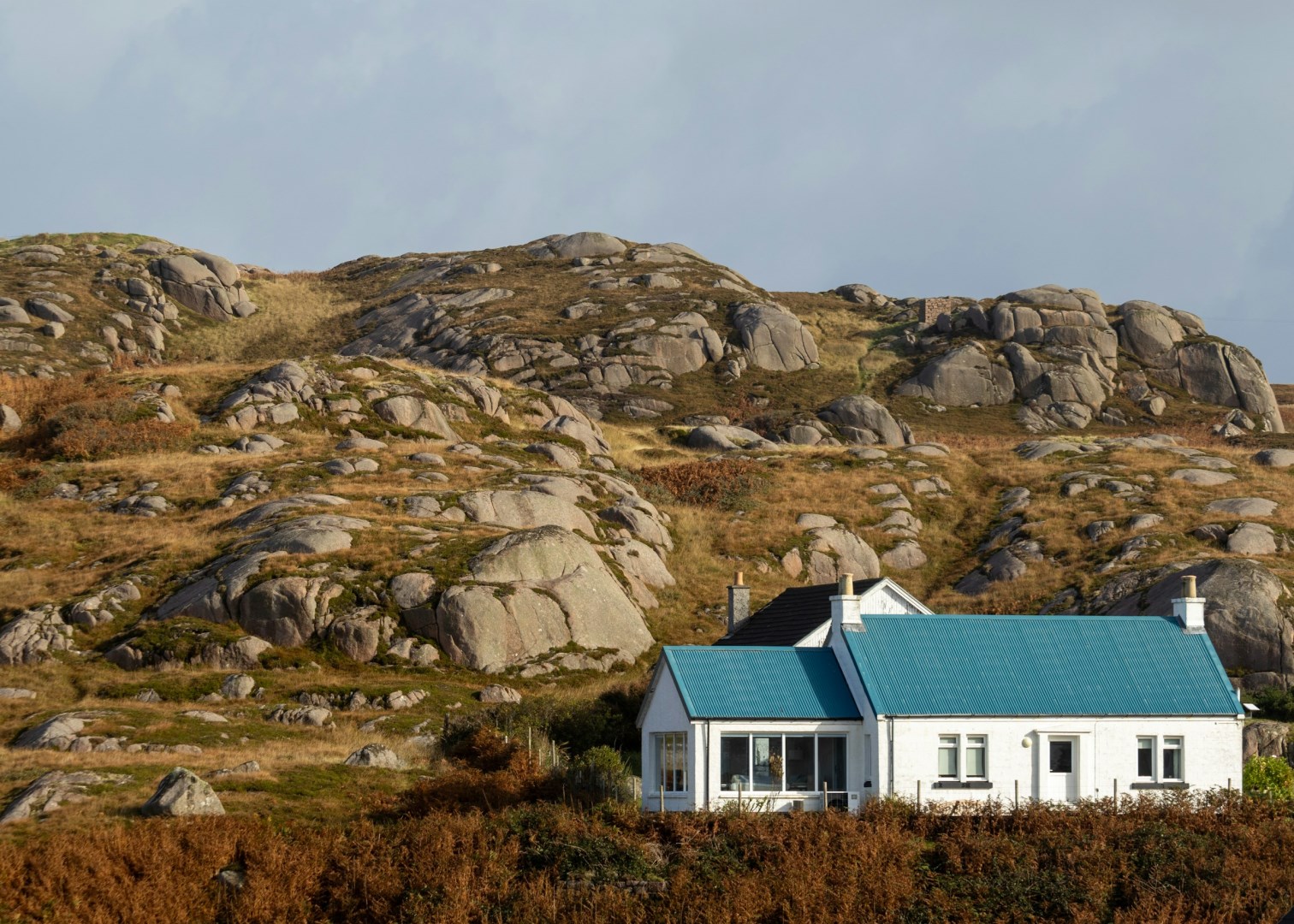
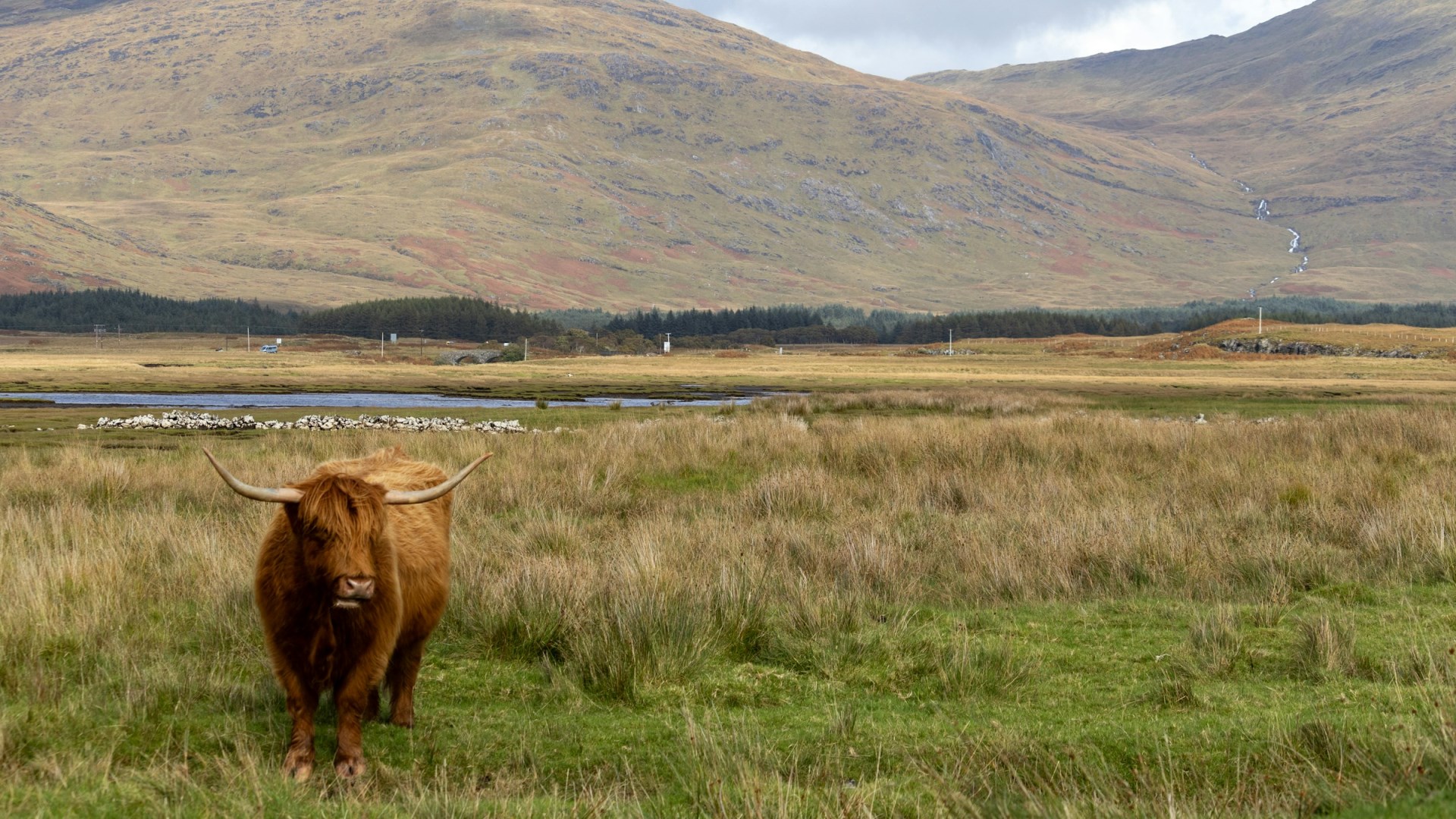
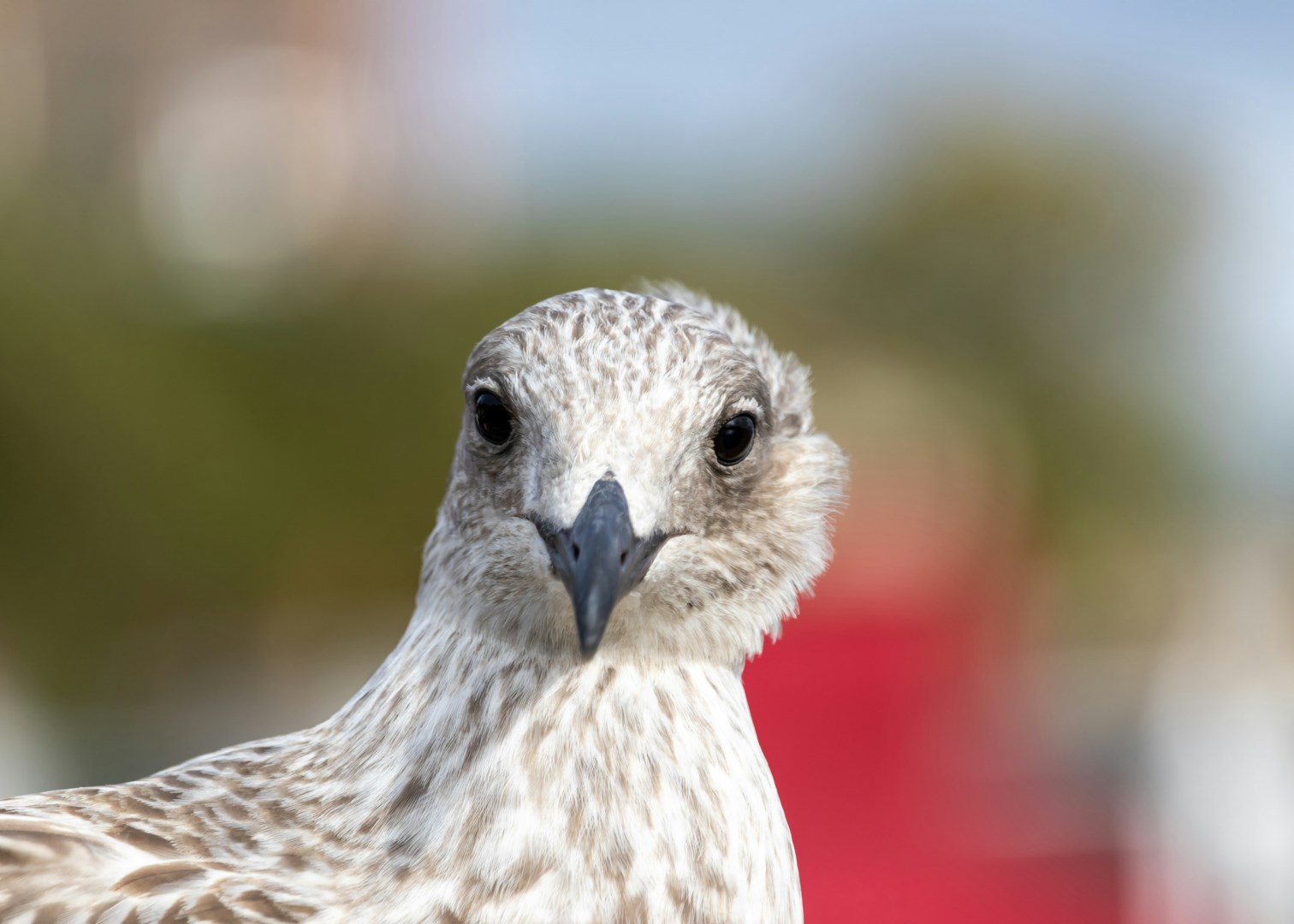
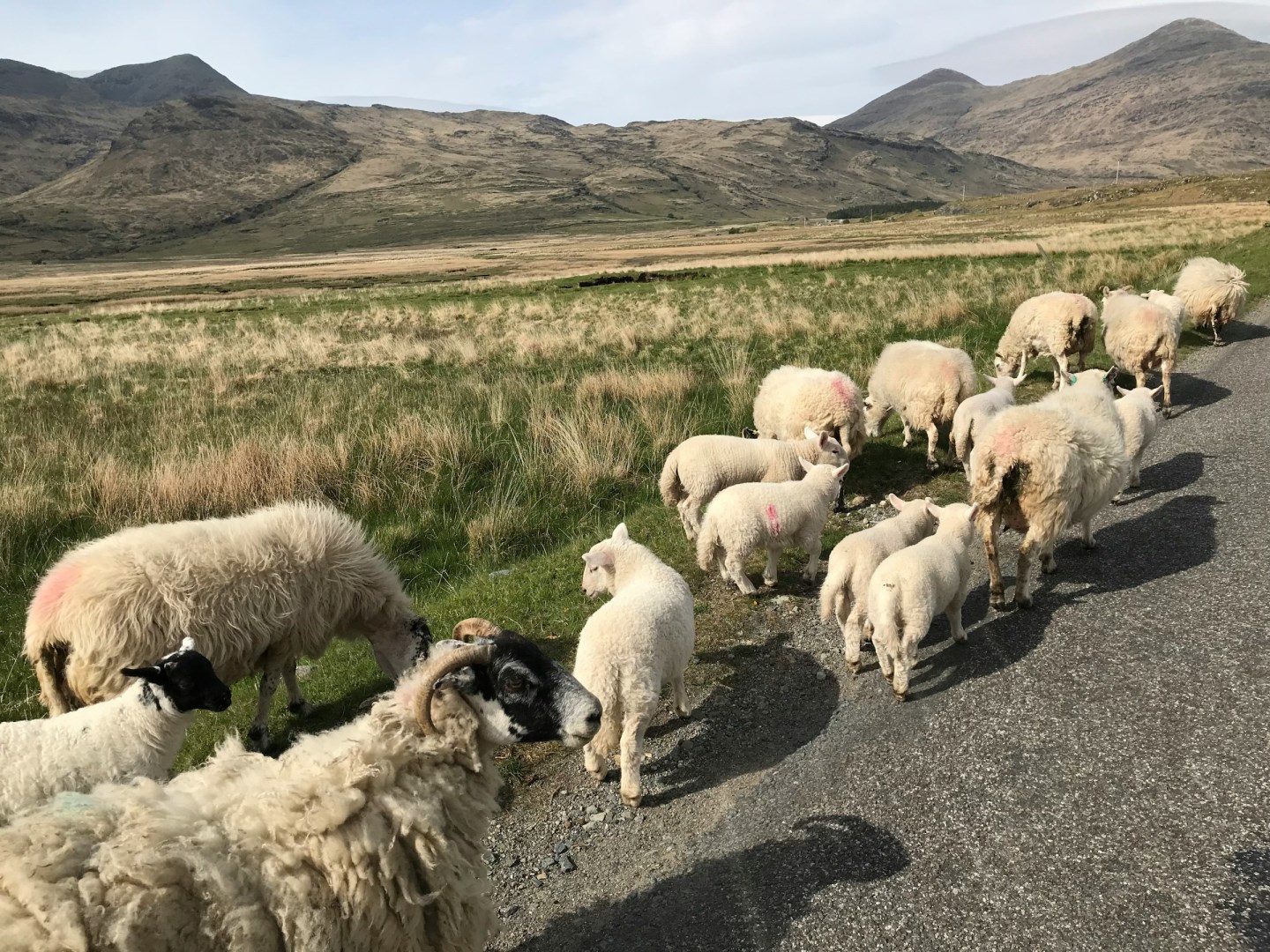
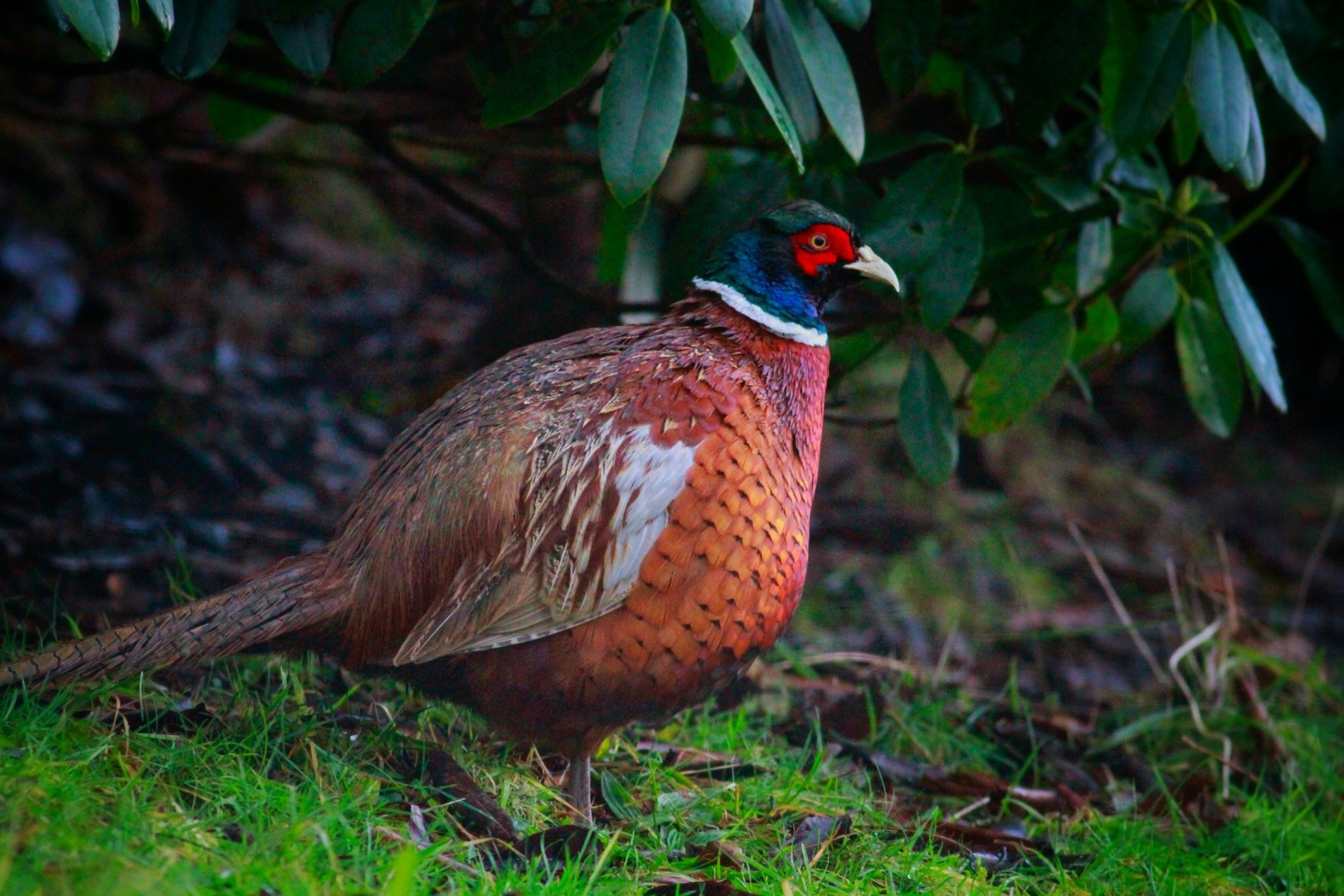
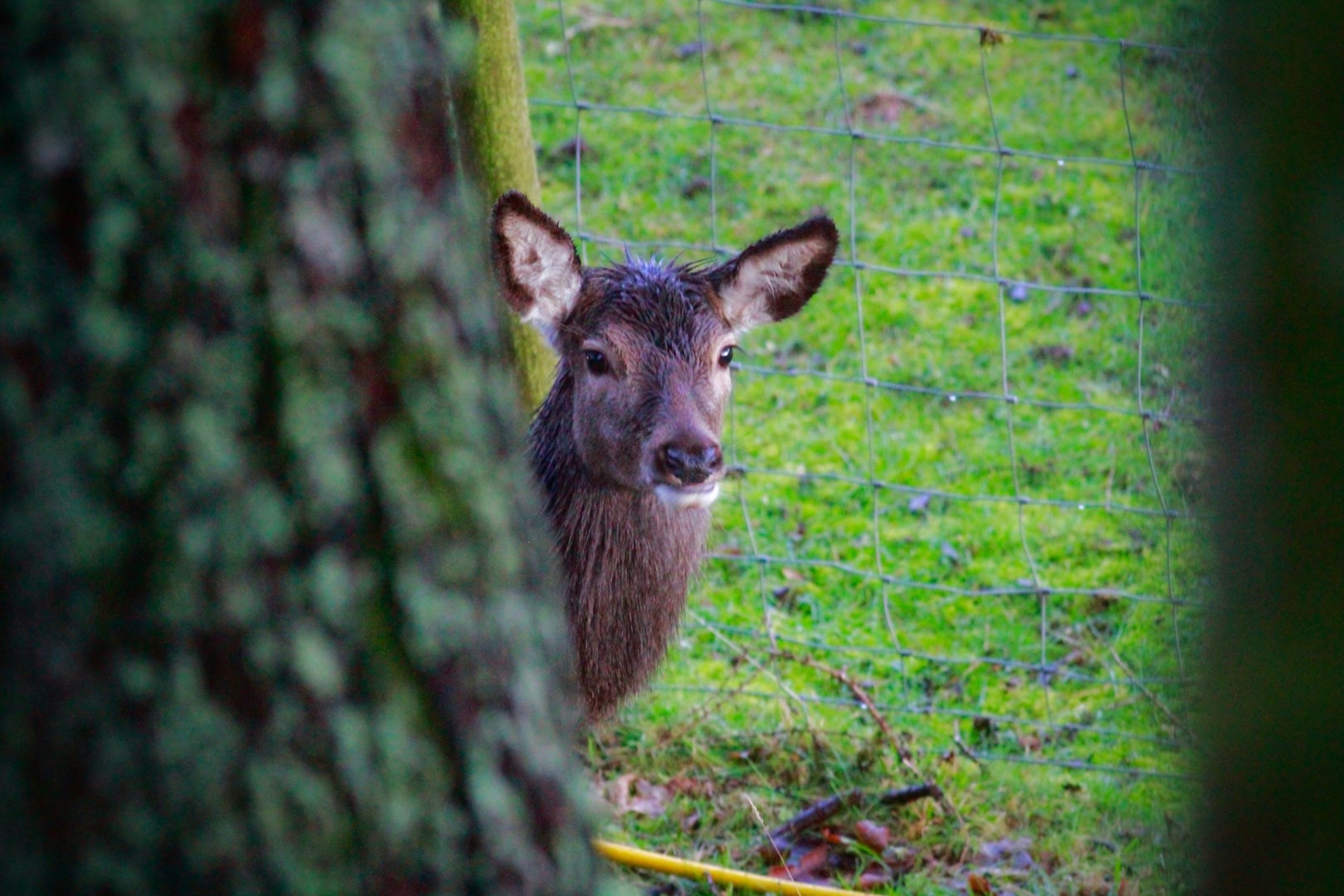
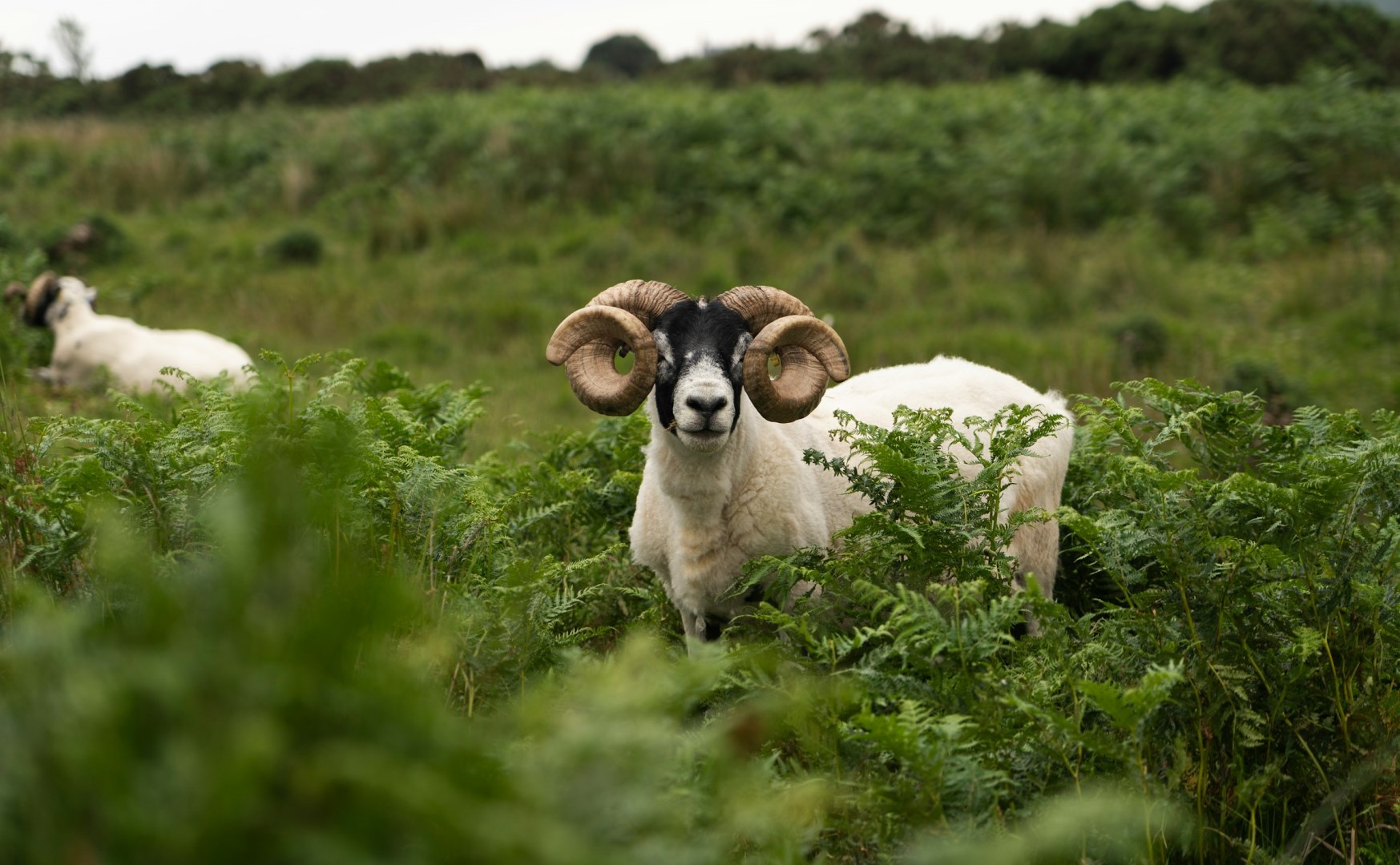
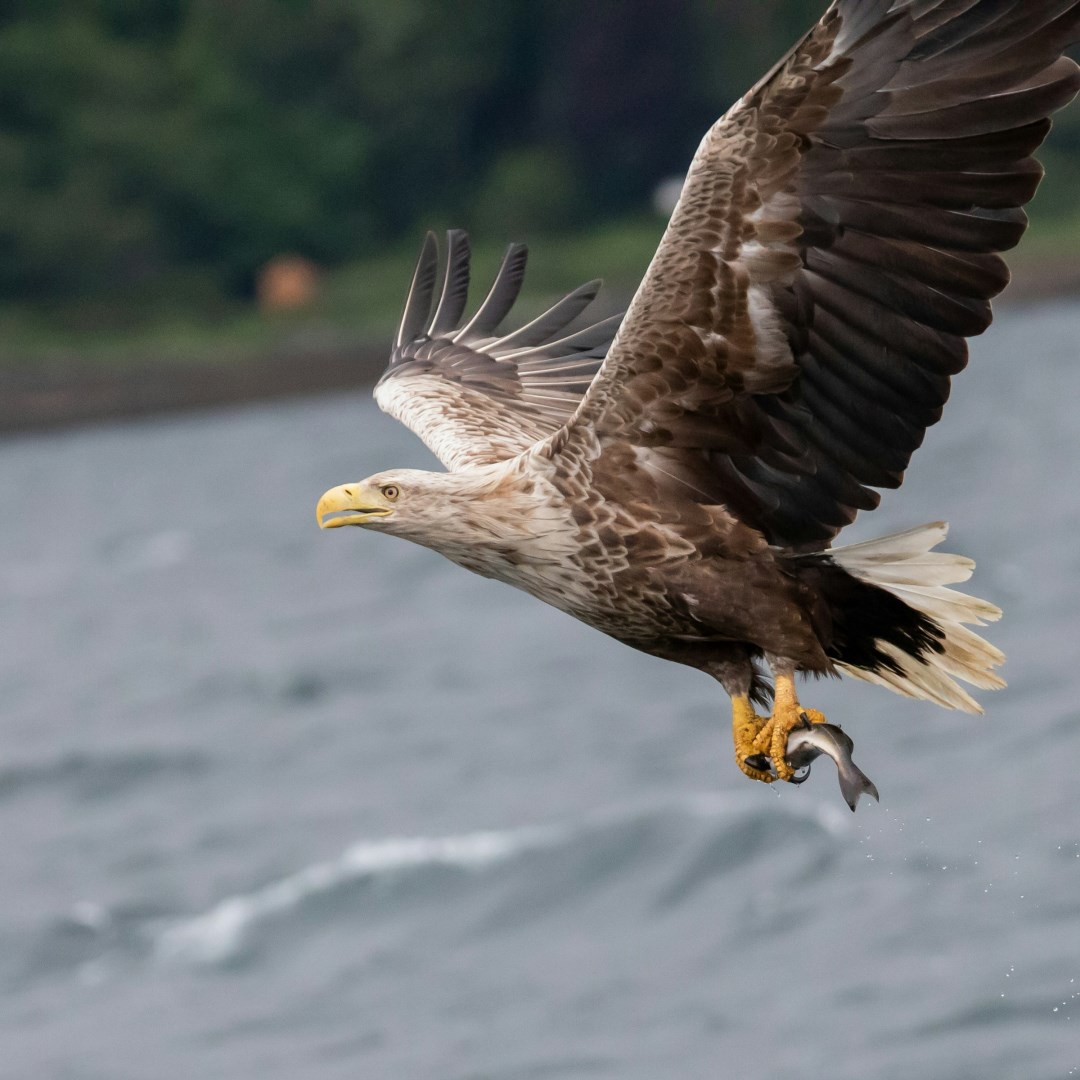
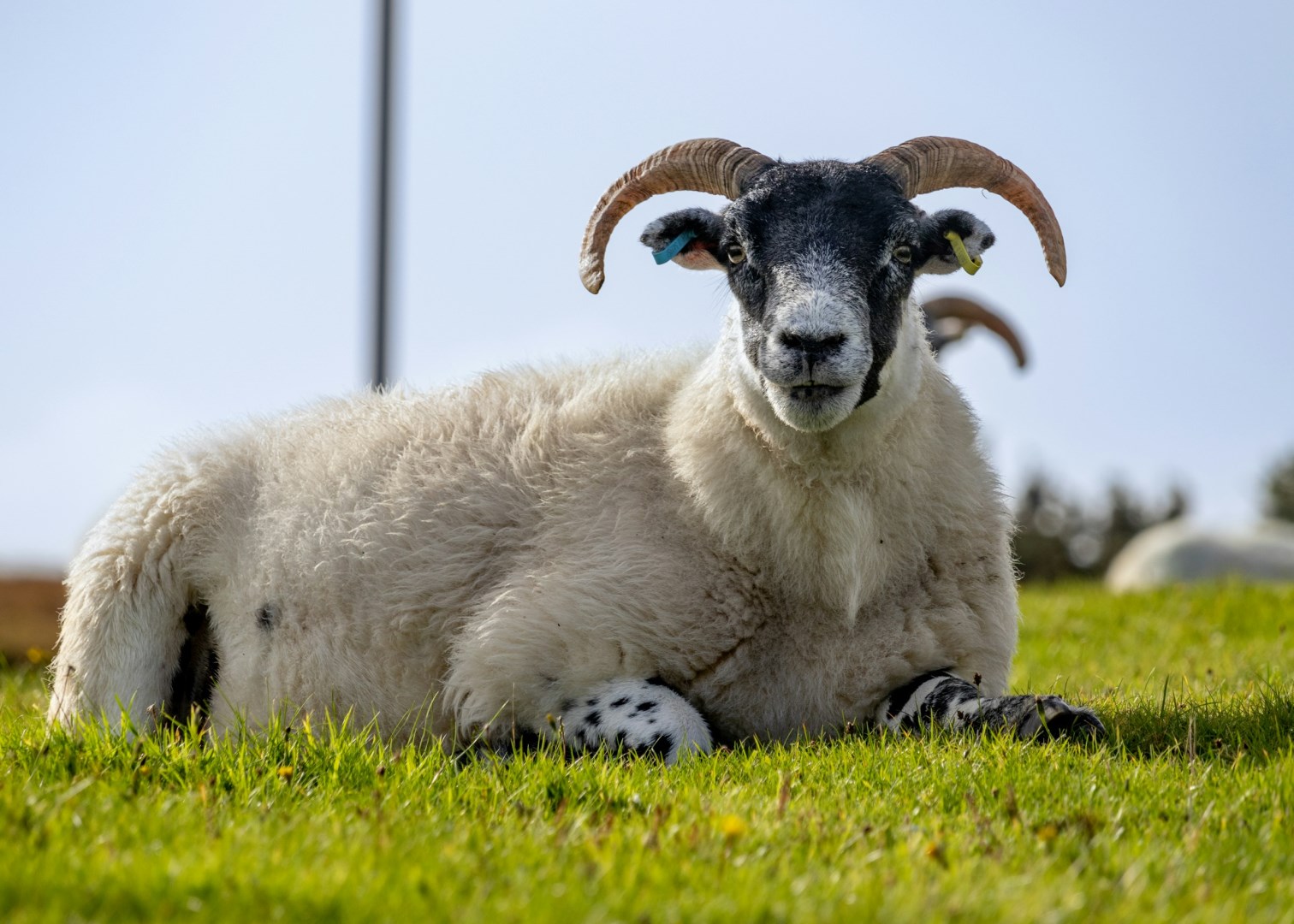
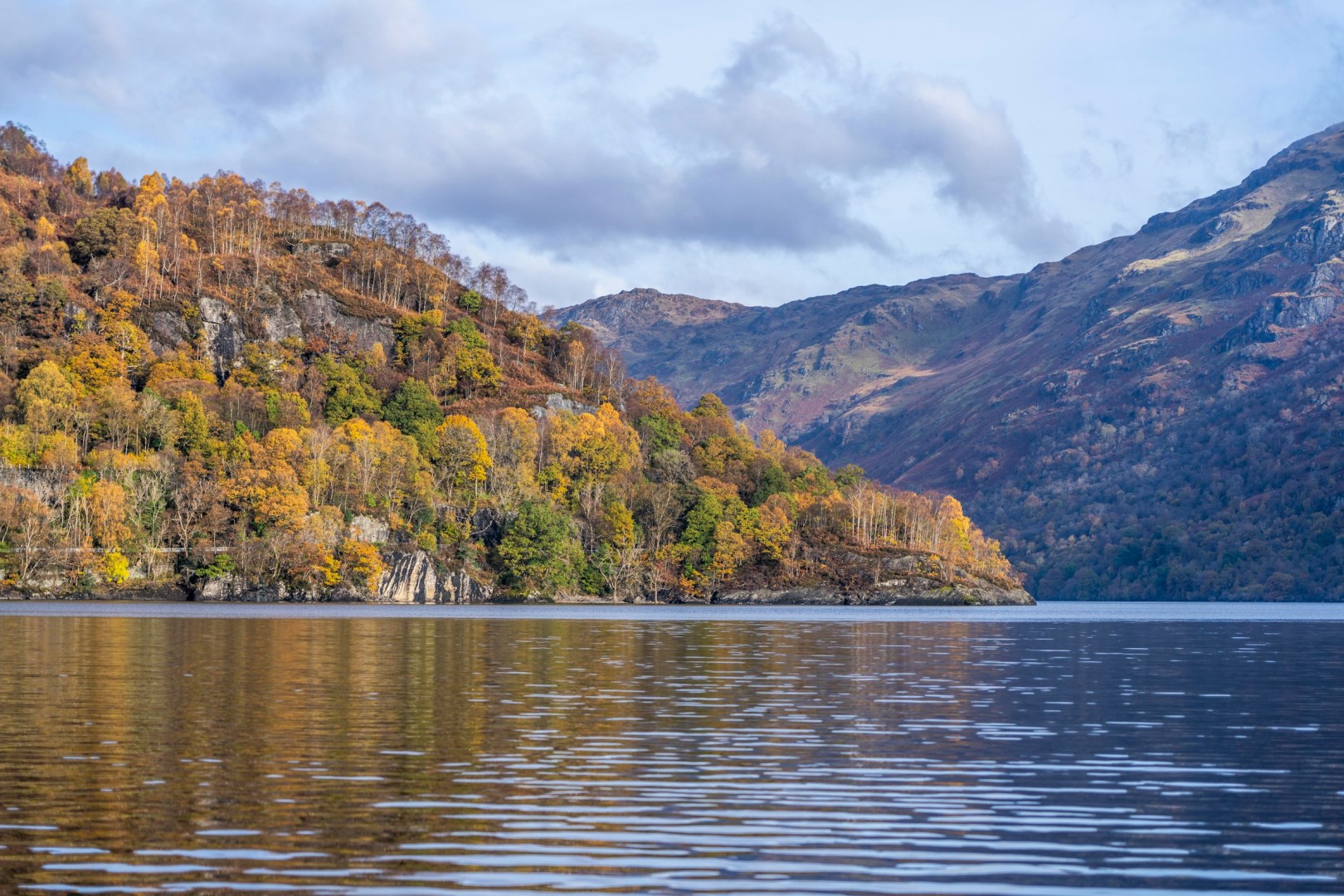
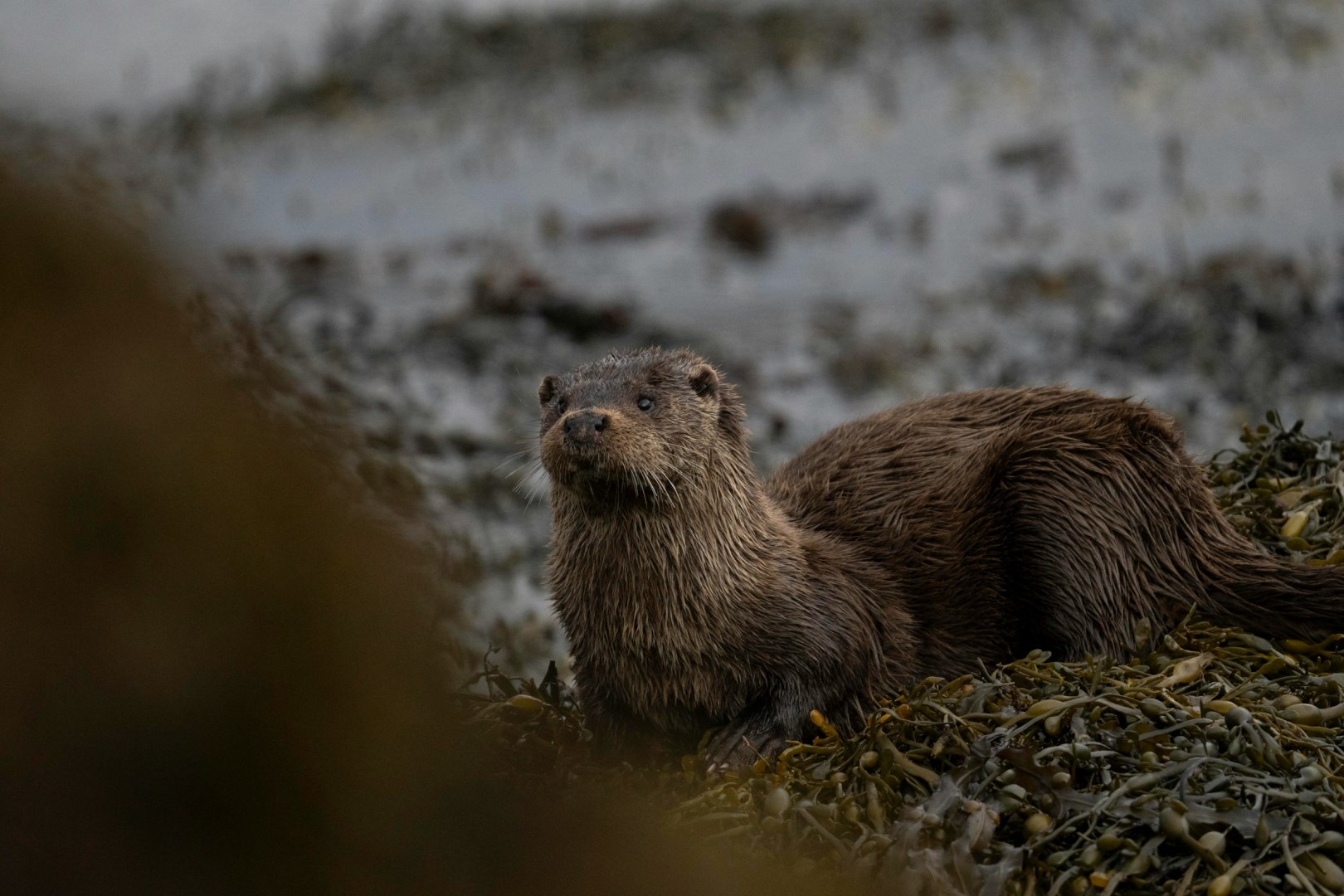
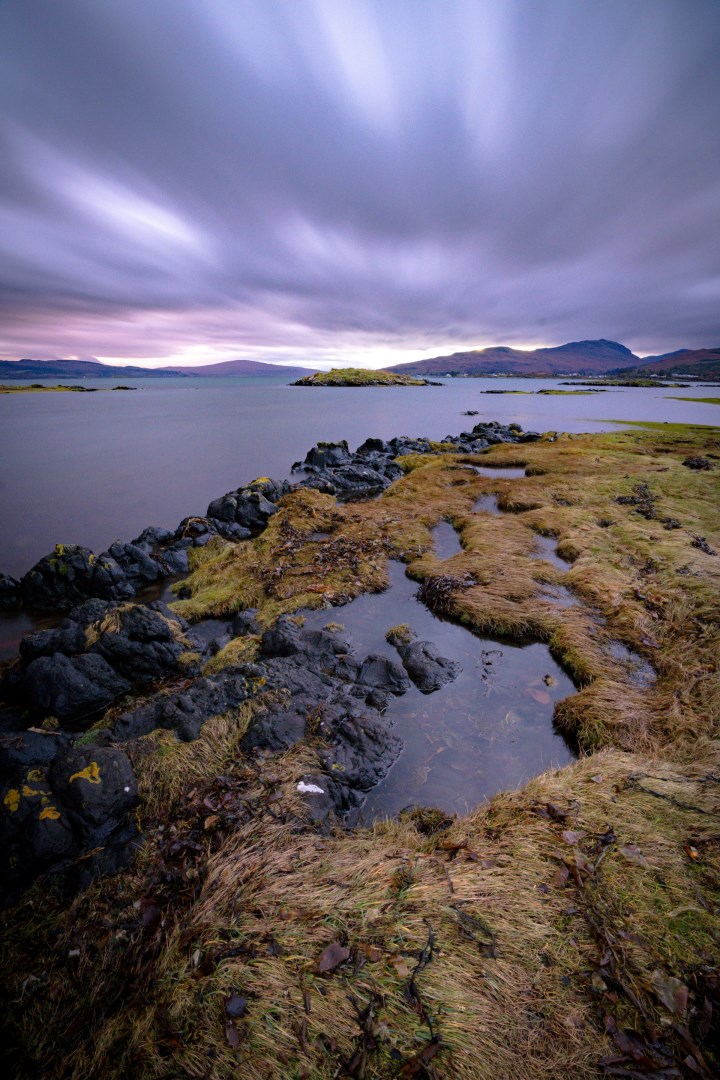
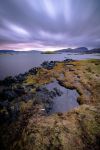
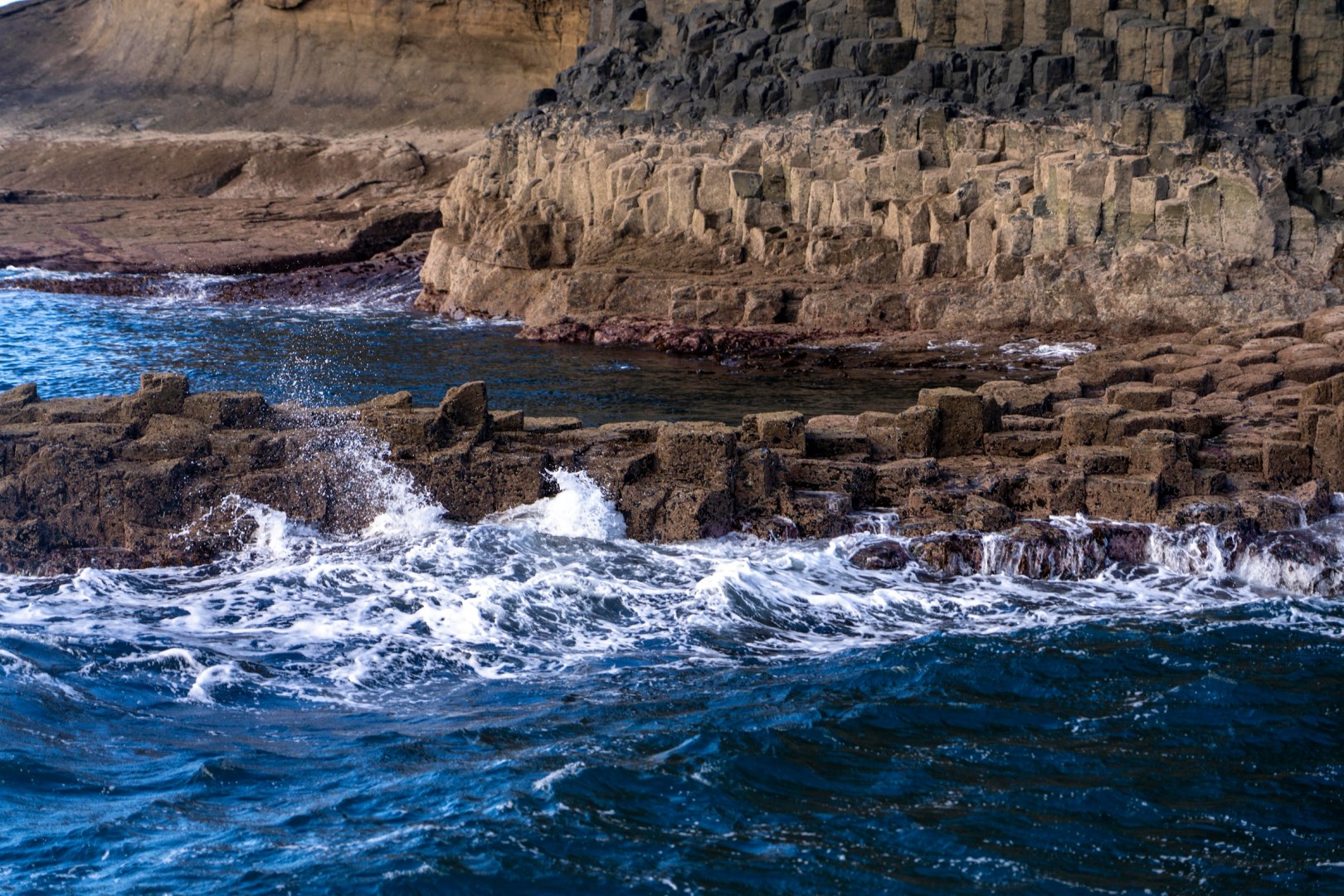
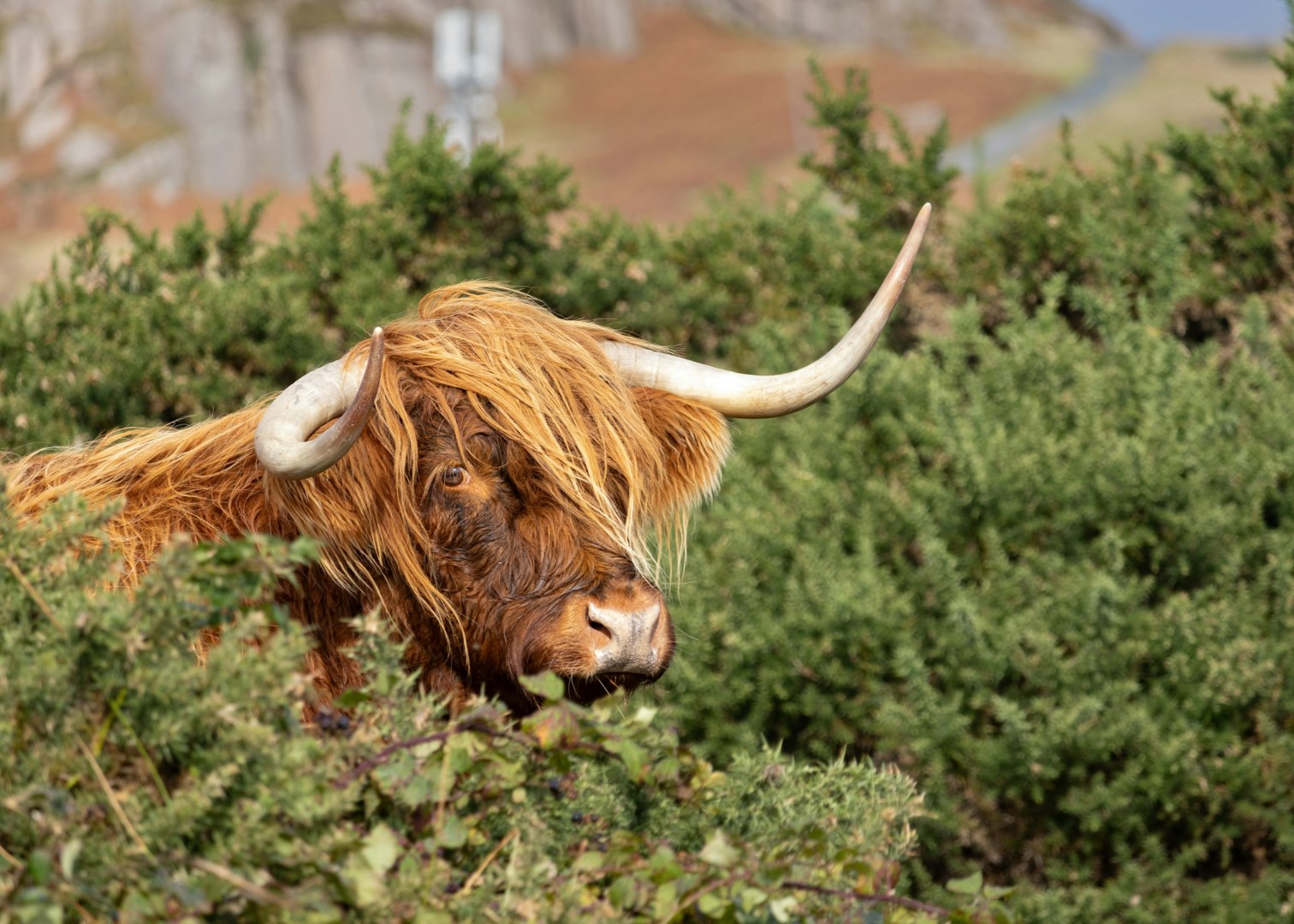
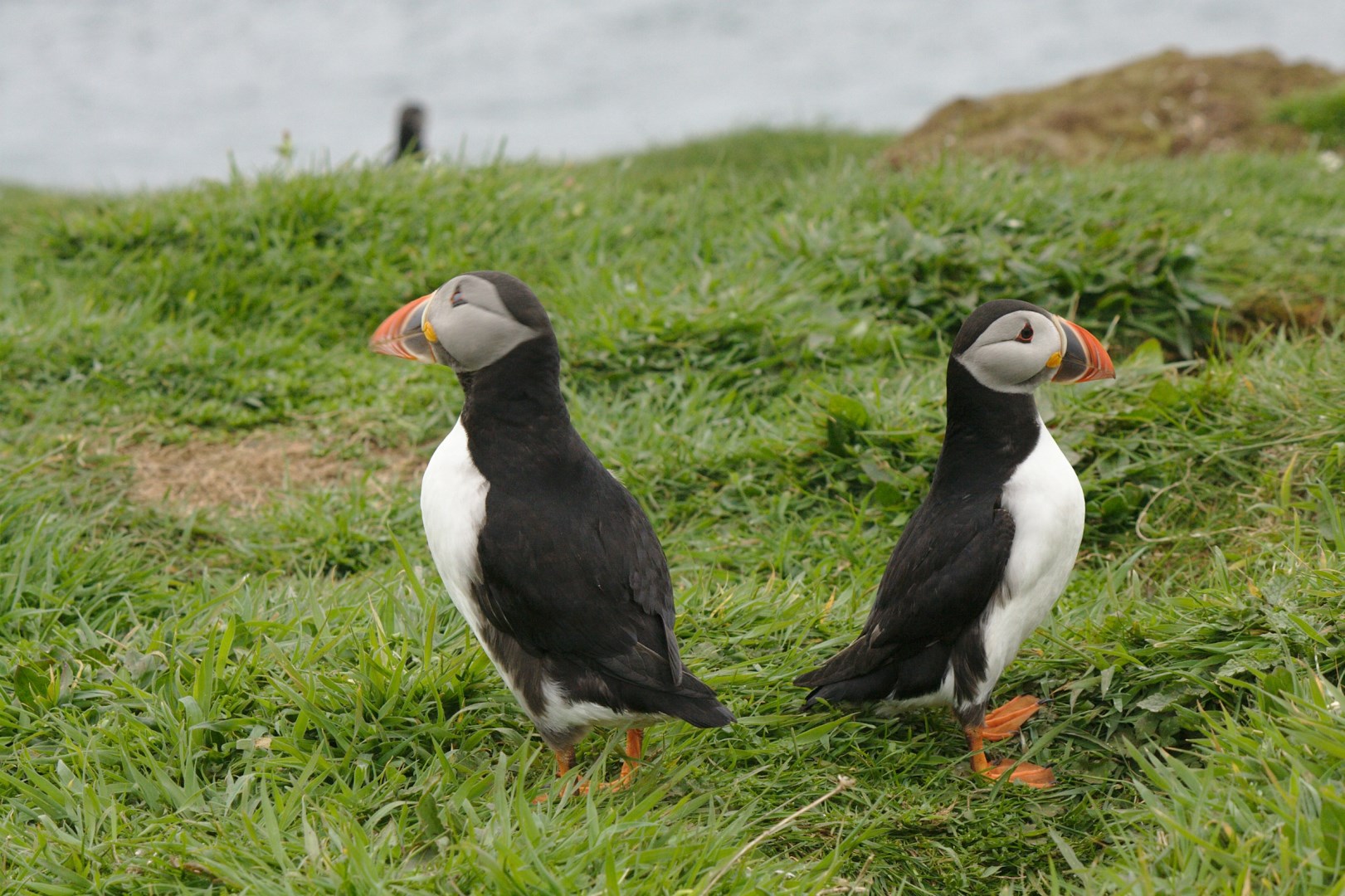
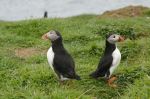
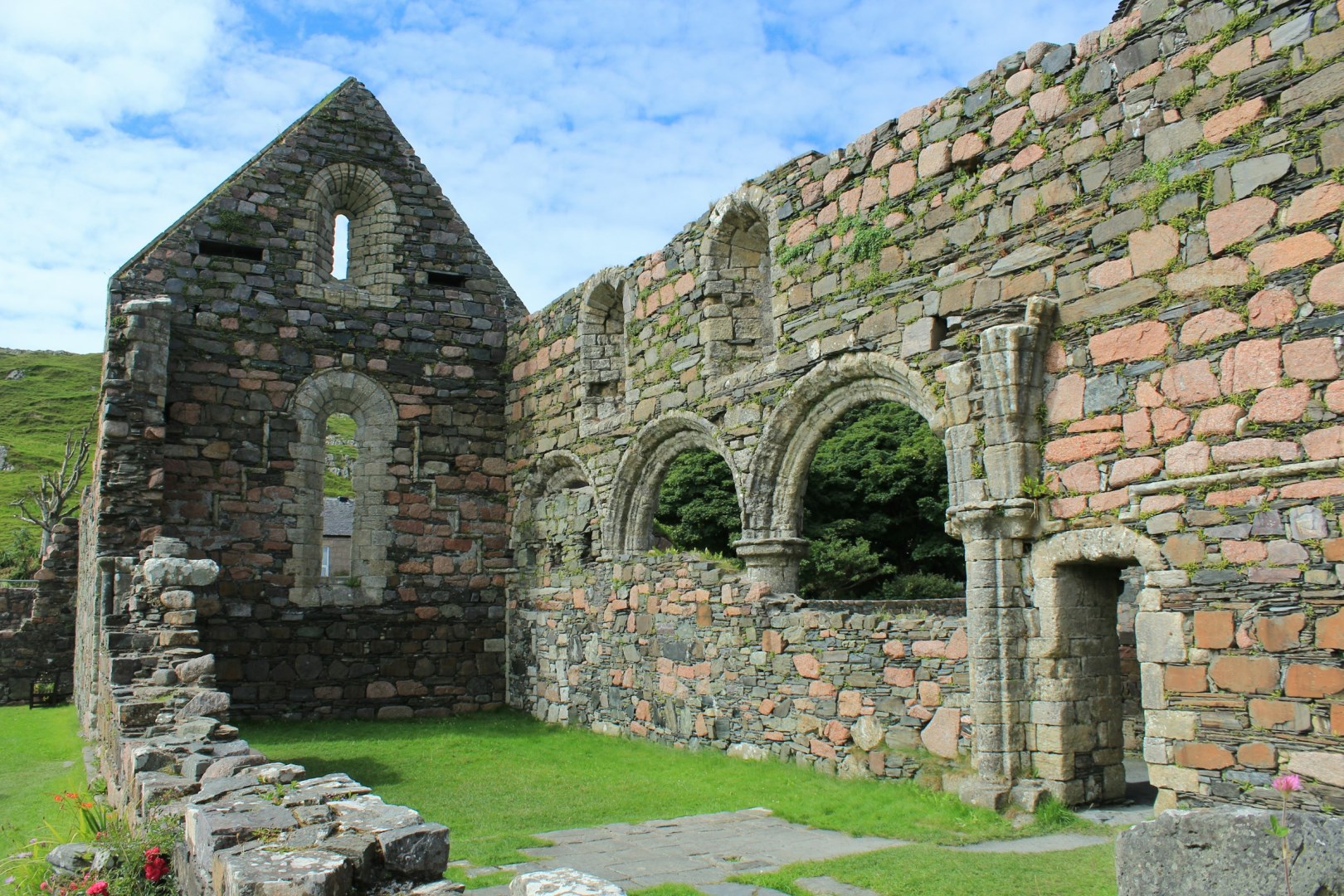
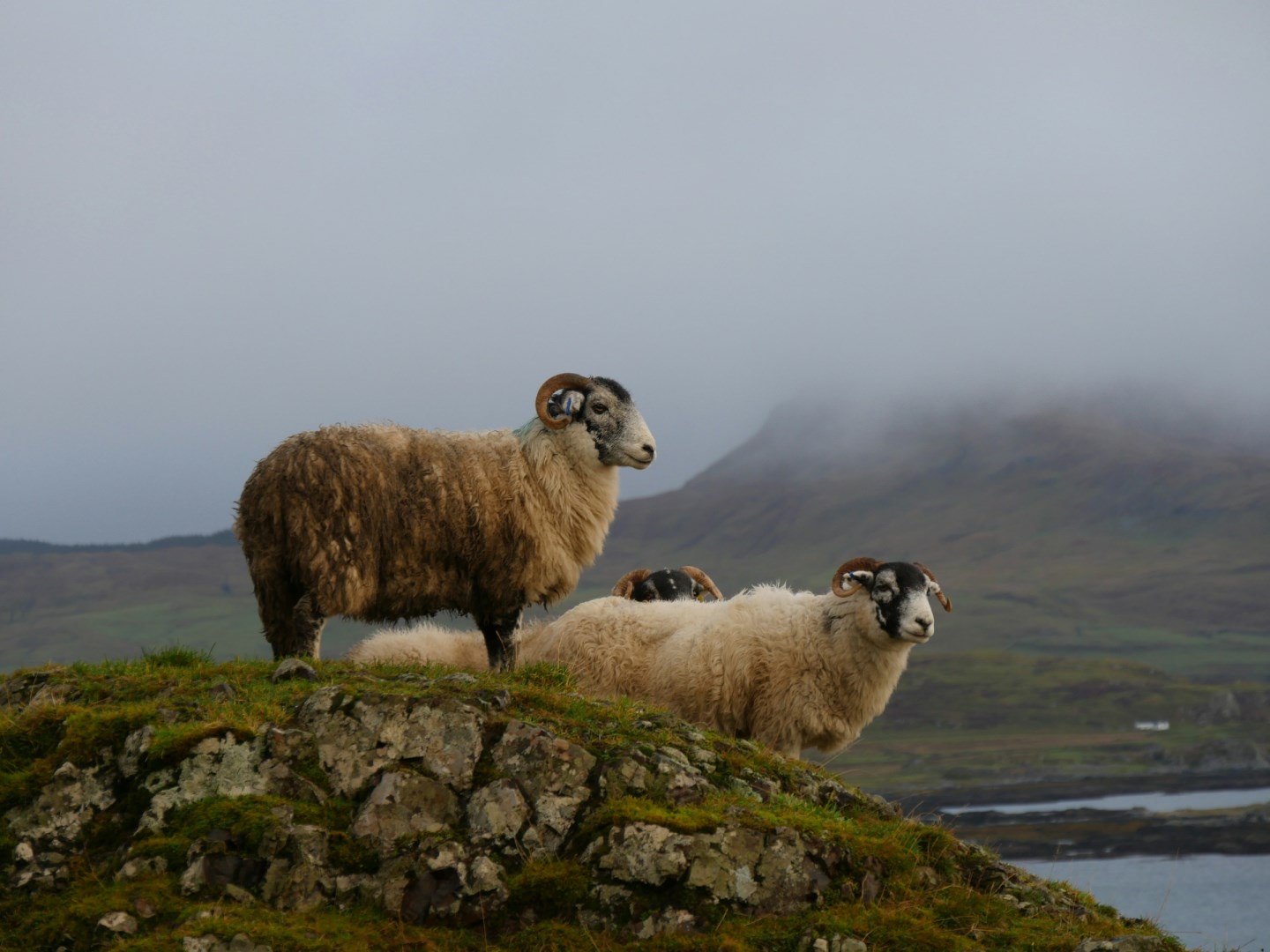
Set among Scotland’s Inner Hebrides, the Isle of Mull features a varied landscape of rugged coastline, mountain terrain, sheltered sea lochs and sandy beaches. Its main town, Tobermory, is known for the brightly painted buildings lining its harbor, while the island’s countryside and surrounding waters provide habitats for wildlife including otters, seals and sea eagles.