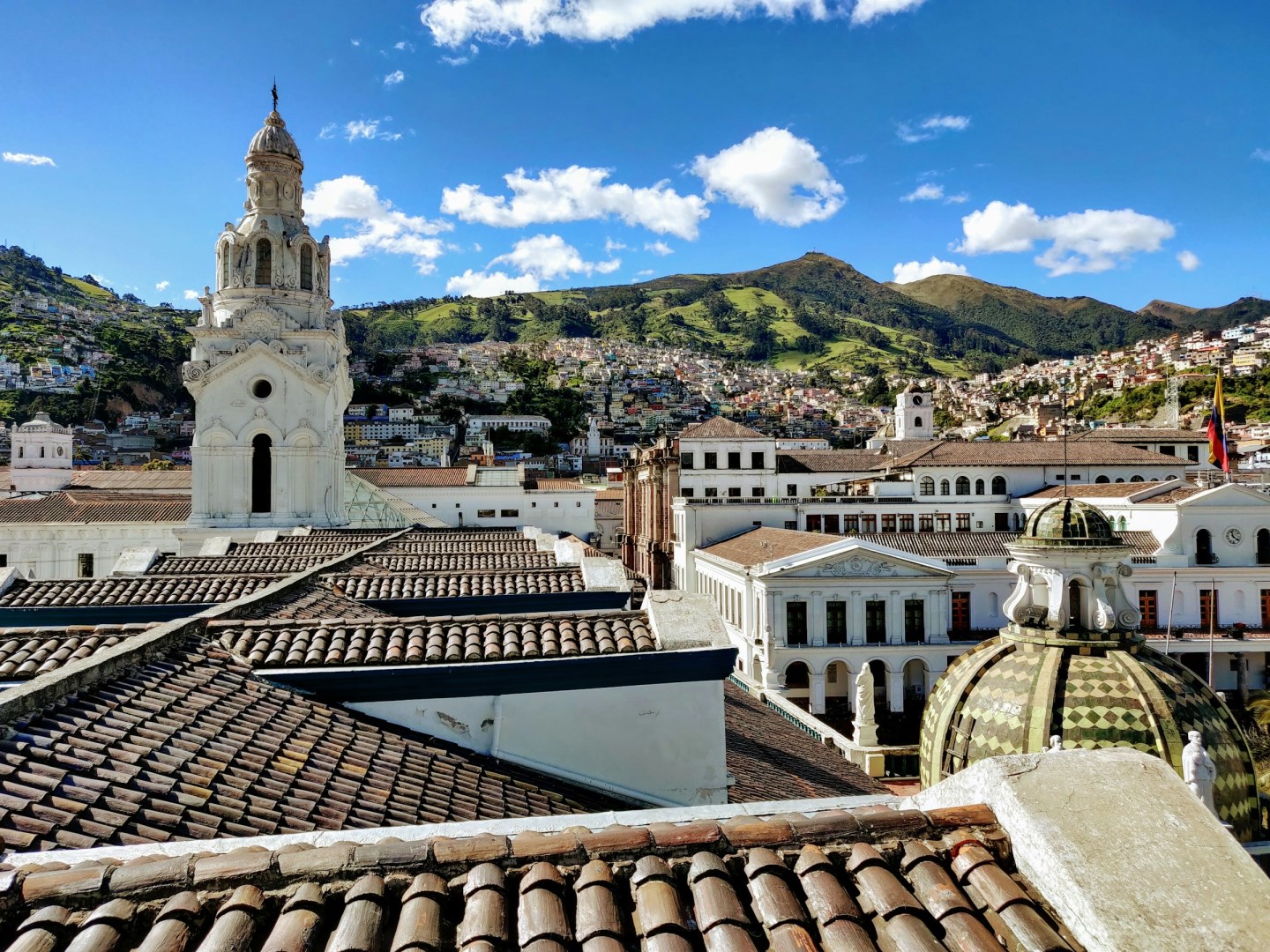
Situated on the equator and nestled beneath an imposing volcano, the rugged, sprawling, and vibrant city of Quito offers adventure galore. A South American gem and Ecuador’s capital, Quito combines the best of its Incan and Spanish influences in fascinating cultural attractions, and the city’s surrounding natural beauty will surely astound you.
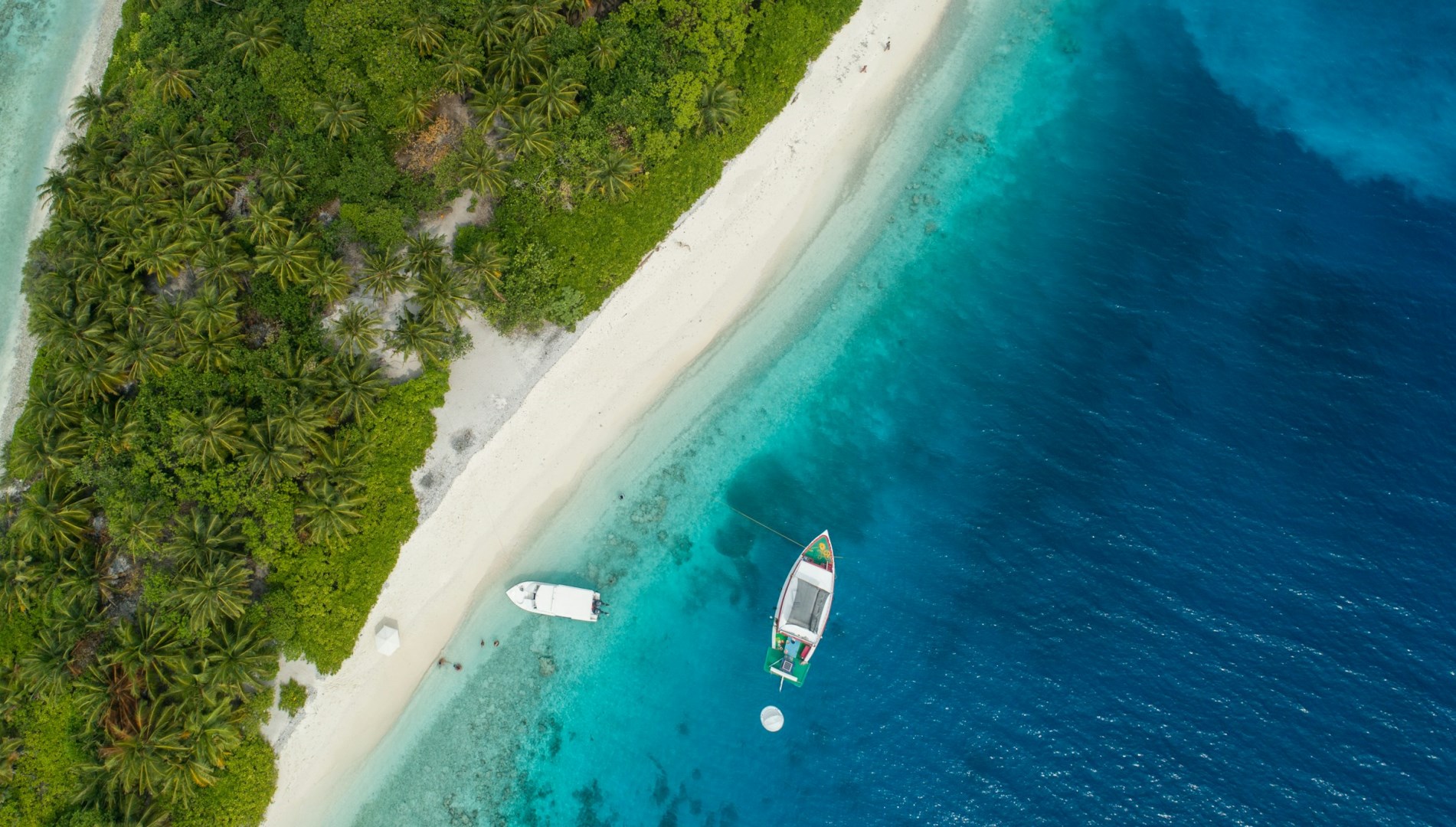
Vaavu Atoll lies south of Malé and is known for its relatively small population, numerous uninhabited islands, clear lagoons, and extensive coral reefs. Felidhoo is the administrative capital, while Thinadhoo, Keyodhoo, and Fulidhoo are among the better-known inhabited islands. The atoll has a quieter character than the more developed areas closer to the capital, with guesthouses, fishing communities, and resorts spread across separate islands.
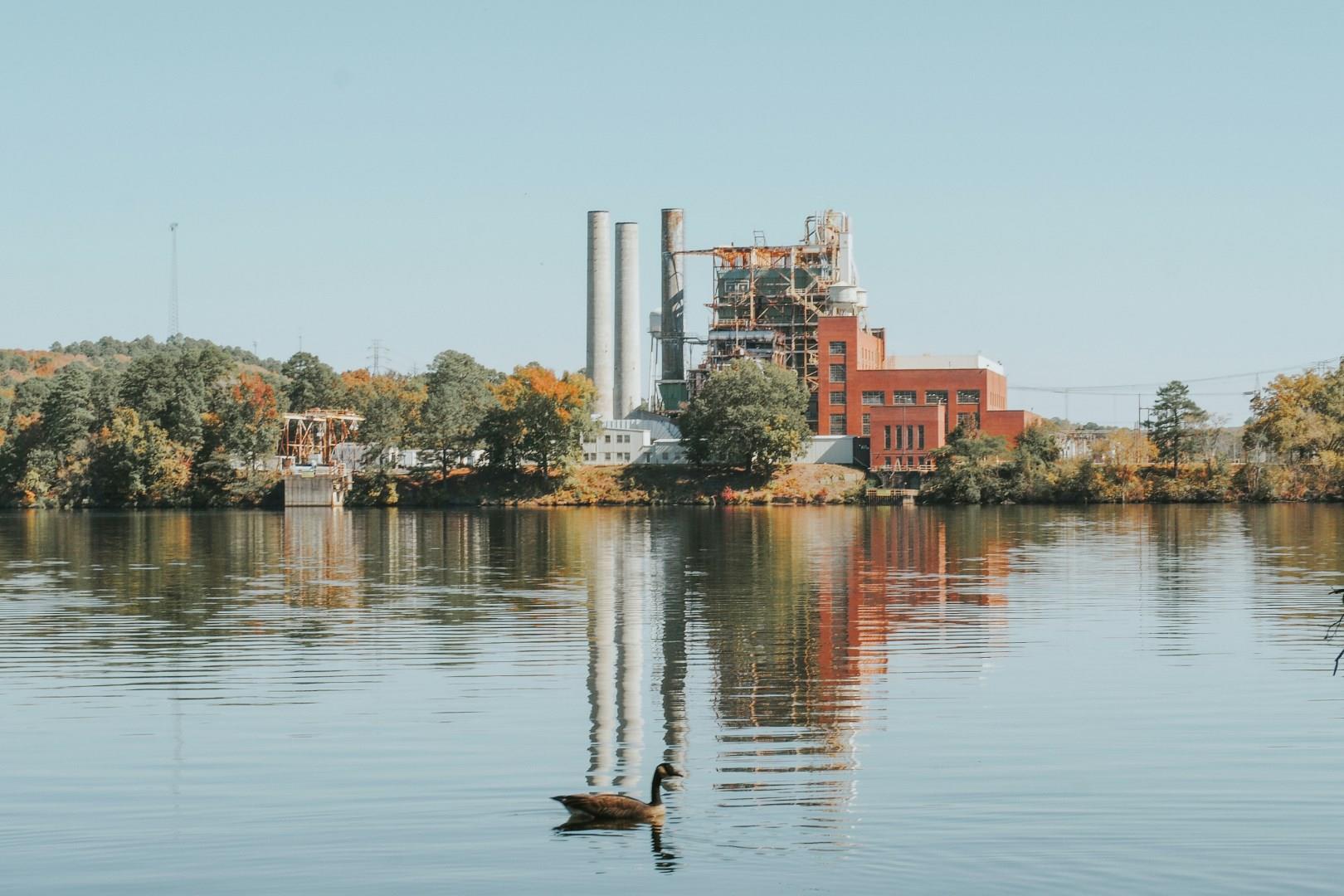
Hot Springs, Arkansas has been drawing visitors for centuries, and it all starts with the water. The city sits atop a natural thermal spring system that produces nearly a million gallons of 143-degree water each day. These springs gave rise to Bathhouse Row, a stretch of eight historic bathhouses within Hot Springs National Park. Some, like the Fordyce Bathhouse, now serve as museums, while others still offer traditional thermal soaks.
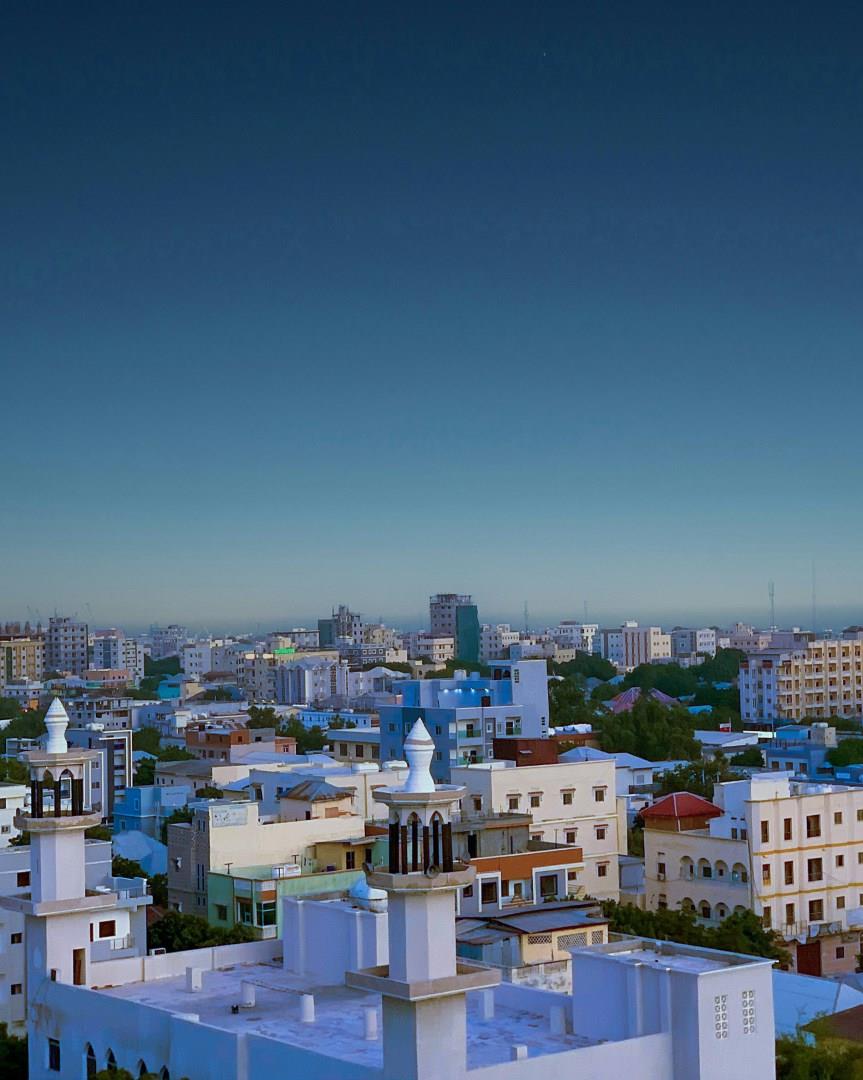
Mogadishu, the capital of Somalia, is a city with a story that spans more than a thousand years. Its coastal setting has long shaped its character, blending African, Arab, and Persian influences that can still be seen in its culture and architecture today.
The Iron Gates, a dramatic gorge along the Danube River, is a spectacular natural wonder straddling the border between Romania and Serbia. This striking geological formation carves its way through the Carpathian Mountains, creating breathtaking views that captivate all who visit. The Iron Gates area is renowned for its scenic beauty and historical significance, with the Iron Gates Natural Park encompassing lush forests, rugged cliffs, and diverse wildlife.
One of the most intriguing features of the Iron Gates is the Trajan's Bridge, an ancient Roman structure that once spanned the Danube and facilitated the expansion of the Roman Empire into the region. The remains of this monumental bridge, built under Emperor Trajan in the early 2nd century AD, can still be seen and offer a glimpse into the region's rich historical tapestry.
The area is also famous for the Cave of the Szábo, a remarkable natural formation that boasts impressive stalactites and stalagmites. Adventure seekers can explore the cave's intricate passageways, while the nearby Eșelnița Monastery provides a tranquil setting for reflection amid the stunning natural landscape.
Fun Fact: The Iron Gates is home to the world's largest dam project on the Danube, known as the Iron Gates I Hydro-Electric Power Station, which provides power and manages river flow while creating a reservoir that enhances the region's natural beauty.
For an unforgettable experience, visit the Iron Gates during the spring or autumn when the weather is mild, and the landscape is either blooming or ablaze with fall colors. This timing also offers the advantage of fewer crowds, allowing for a more serene exploration of this magnificent area.
Other Popular Destinations in Romania
Bucharest
Tree-lined avenues, grand architecture, and the imperative to live well defines Bucharest, a bustling city that is rebounding and expanding. In the 1900s, this vibrant Romanian capital was nicknamed "Little Paris" and that jubilant, raise-a-glass spirit carries over to this day.
Braşov
Nestled in the heart of Romania, Brașov is a charming city that effortlessly blends medieval history with stunning natural beauty. Encircled by the Carpathian Mountains, Brașov's well-preserved medieval architecture and vibrant cultural scene make it a must-visit destination.