
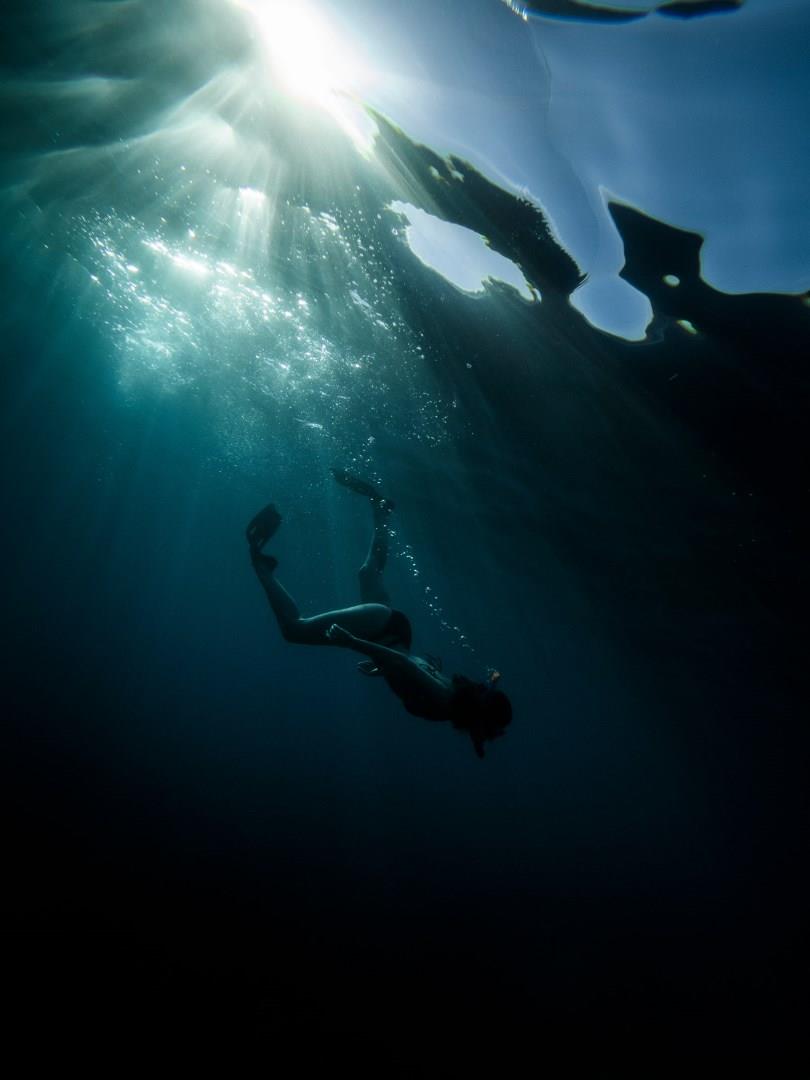
The Bahamas, an archipelago of more than 700 islands and cays, is known for its dazzling turquoise waters, powdery white and pink sand beaches, and vibrant culture rooted in African, British, and Caribbean influences.
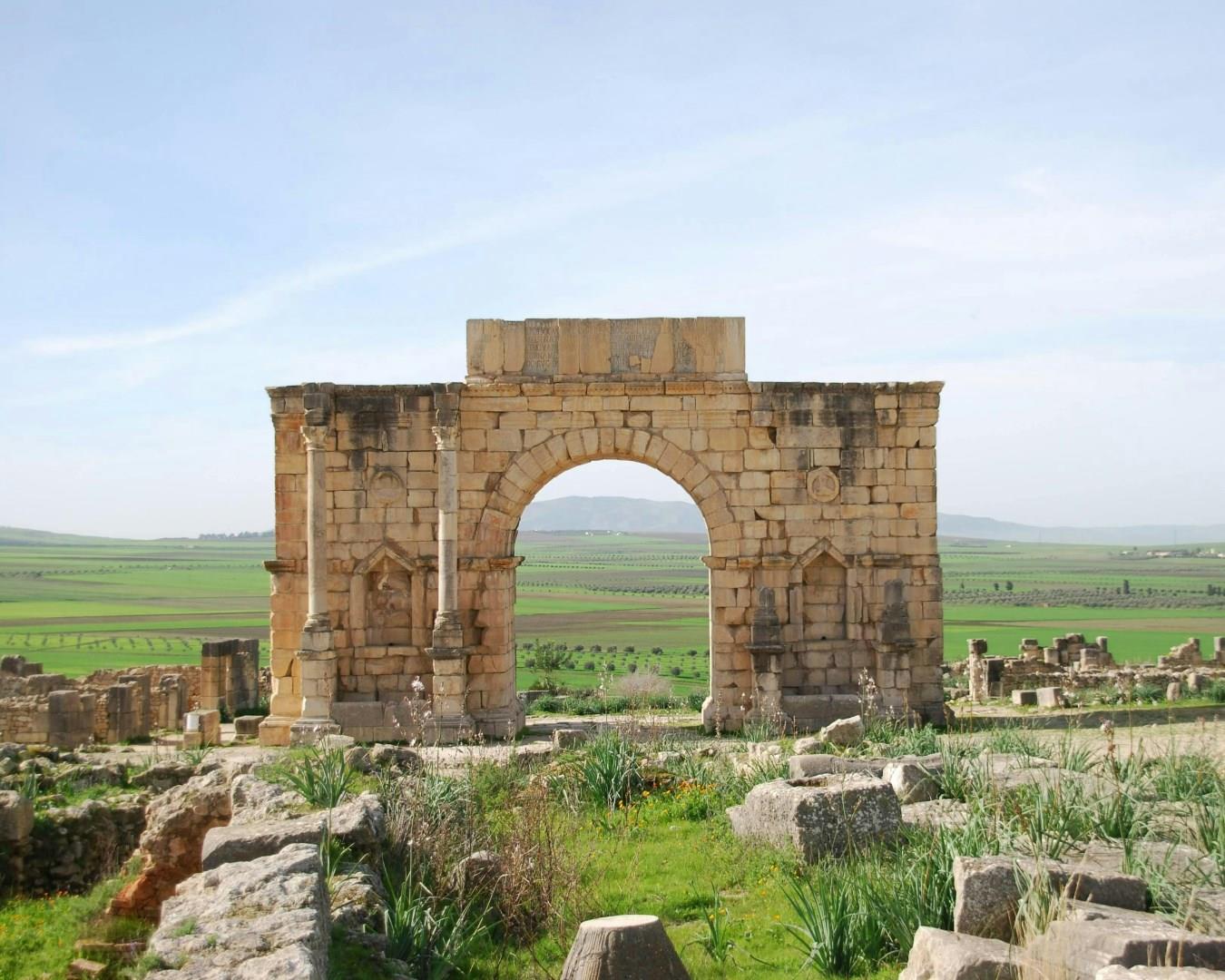
Meknes, one of Morocco’s four imperial cities, is a historic jewel known for its blend of grandeur and tradition. Once the capital under Sultan Moulay Ismail in the 17th century, the city was envisioned as the “Versailles of Morocco,” filled with monumental gates, sprawling walls, and lavish palaces.
Mount Kilimanjaro, located in Tanzania, stands as Africa’s highest peak and an iconic symbol of adventure. This majestic stratovolcano rises 5,895 meters (19,341 feet) above sea level, making it one of the world’s most accessible high summits. Climbing Kilimanjaro offers a unique opportunity to traverse multiple climate zones, from lush rainforests and alpine meadows to the icy summit.
Tortola, the largest island in the British Virgin Islands, beckons travelers with its idyllic beaches and vibrant culture. Known for its stunning natural beauty, Tortola offers crystal-clear waters, lush landscapes, and a range of outdoor activities. Cane Garden Bay, one of the island’s most famous beaches, is renowned for its powdery white sand and turquoise waters.
The Iron Gates, a dramatic gorge along the Danube River, is a spectacular natural wonder straddling the border between Romania and Serbia. This striking geological formation carves its way through the Carpathian Mountains, creating breathtaking views that captivate all who visit. The Iron Gates area is renowned for its scenic beauty and historical significance, with the Iron Gates Natural Park encompassing lush forests, rugged cliffs, and diverse wildlife.
One of the most intriguing features of the Iron Gates is the Trajan's Bridge, an ancient Roman structure that once spanned the Danube and facilitated the expansion of the Roman Empire into the region. The remains of this monumental bridge, built under Emperor Trajan in the early 2nd century AD, can still be seen and offer a glimpse into the region's rich historical tapestry.
The area is also famous for the Cave of the Szábo, a remarkable natural formation that boasts impressive stalactites and stalagmites. Adventure seekers can explore the cave's intricate passageways, while the nearby Eșelnița Monastery provides a tranquil setting for reflection amid the stunning natural landscape.
Fun Fact: The Iron Gates is home to the world's largest dam project on the Danube, known as the Iron Gates I Hydro-Electric Power Station, which provides power and manages river flow while creating a reservoir that enhances the region's natural beauty.
For an unforgettable experience, visit the Iron Gates during the spring or autumn when the weather is mild, and the landscape is either blooming or ablaze with fall colors. This timing also offers the advantage of fewer crowds, allowing for a more serene exploration of this magnificent area.