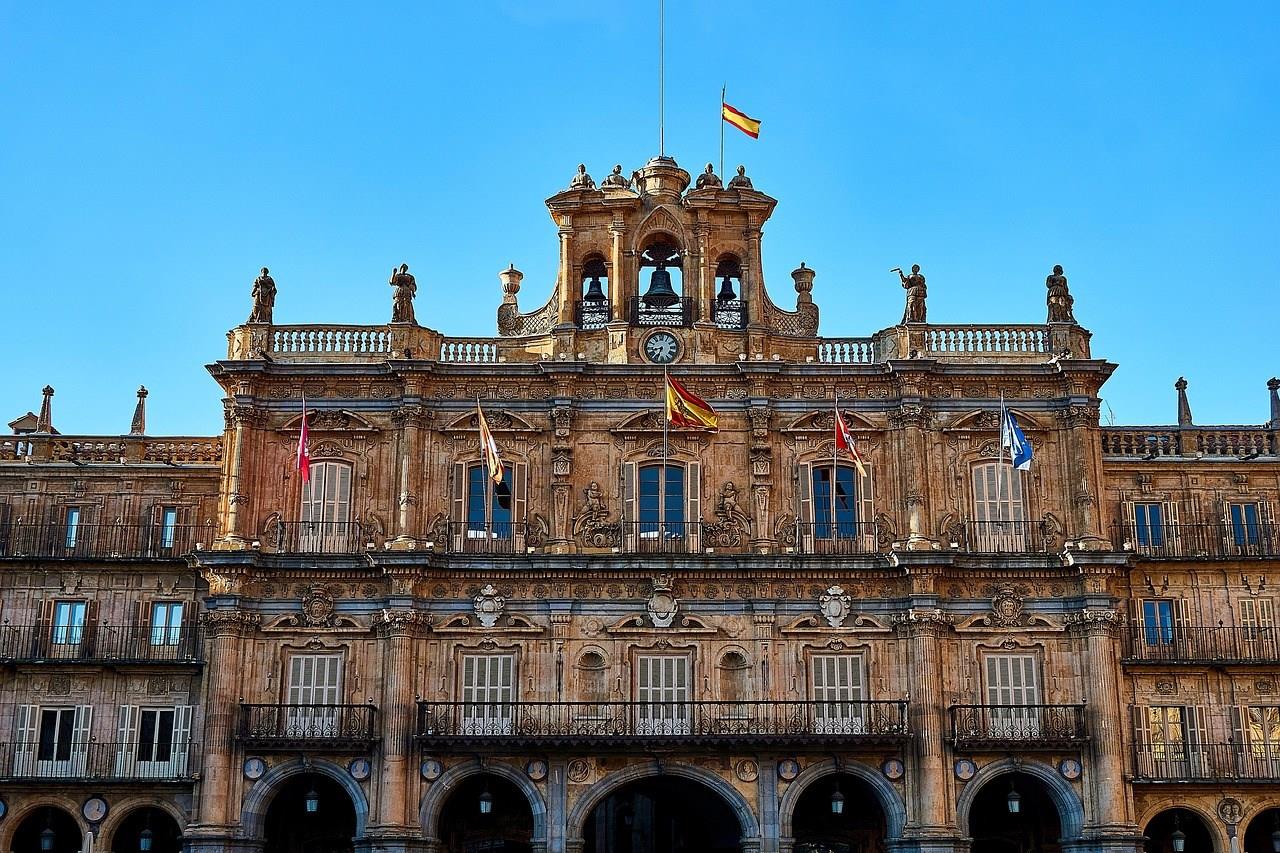
Pamplona, the capital of Spain’s Navarre region, is best known worldwide for the Running of the Bulls during the San Fermín festival each July. But beyond the brief rush of that event lies a city steeped in medieval history, Basque influence, and a slower pace that surprises many visitors. One of the most significant aspects of Pamplona is its place on the Camino de Santiago, the ancient pilgrimage route to Santiago de Compostela.
Nicaragua offers travelers a look into centuries of layered history set against striking natural backdrops. Visitors can tour the baroque-style Granada Cathedral, take a boat ride through Las Isletas (a chain of small, volcanic islands in Lake Nicaragua), or climb the bell tower of Iglesia La Merced for sweeping city views.
Uganda, often referred to as the "Pearl of Africa," is a country in East Africa that captivates visitors with its dramatic landscapes, diverse wildlife, and rich cultural heritage. From lush rainforests and snow-capped mountains to wide savannas and serene lakes, the country offers a striking variety of experiences within a relatively compact area.
Samburu and Shaba Reserves are some of the most pristine reserves in Kenya, and protect a habitat surprisingly rich in wildlife. The Reserves provide the chance to see many species not found elsewhere in Kenya, such as Grey's zebra, the rare beisa oryx and the Somali ostrich.
Grand Junction, located on Colorado’s Western Slope, is a destination where desert canyons meet fertile vineyards and rugged plateaus overlook winding rivers. The town sits at the junction of the Colorado and Gunnison Rivers, which historically made it a vital meeting point for Native American tribes, trappers, and settlers. Today, visitors come for its striking landscapes, laid-back pace, and a growing food and wine scene that's putting this region on the map for more than just its scenery.
The Iron Gates, a dramatic gorge along the Danube River, is a spectacular natural wonder straddling the border between Romania and Serbia. This striking geological formation carves its way through the Carpathian Mountains, creating breathtaking views that captivate all who visit. The Iron Gates area is renowned for its scenic beauty and historical significance, with the Iron Gates Natural Park encompassing lush forests, rugged cliffs, and diverse wildlife.
One of the most intriguing features of the Iron Gates is the Trajan's Bridge, an ancient Roman structure that once spanned the Danube and facilitated the expansion of the Roman Empire into the region. The remains of this monumental bridge, built under Emperor Trajan in the early 2nd century AD, can still be seen and offer a glimpse into the region's rich historical tapestry.
The area is also famous for the Cave of the Szábo, a remarkable natural formation that boasts impressive stalactites and stalagmites. Adventure seekers can explore the cave's intricate passageways, while the nearby Eșelnița Monastery provides a tranquil setting for reflection amid the stunning natural landscape.
Fun Fact: The Iron Gates is home to the world's largest dam project on the Danube, known as the Iron Gates I Hydro-Electric Power Station, which provides power and manages river flow while creating a reservoir that enhances the region's natural beauty.
For an unforgettable experience, visit the Iron Gates during the spring or autumn when the weather is mild, and the landscape is either blooming or ablaze with fall colors. This timing also offers the advantage of fewer crowds, allowing for a more serene exploration of this magnificent area.