Corfu
Eluding Ottoman oppression sure makes you beautiful! Besides breathtaking beaches and lovely pools, this Greek island in the Ionian Sea offers many charms, from its Old Town (a UNESCO World Heritage Site) to Venetian fortresses to cypresses waving in the ocean breeze.

Terre-de-haut
Terre-de-Haut is an island off the coast of Guadeloupe and replete with a variety of stunning viewpoints to gaze out at the sparkling waters of the Caribbean Sea.
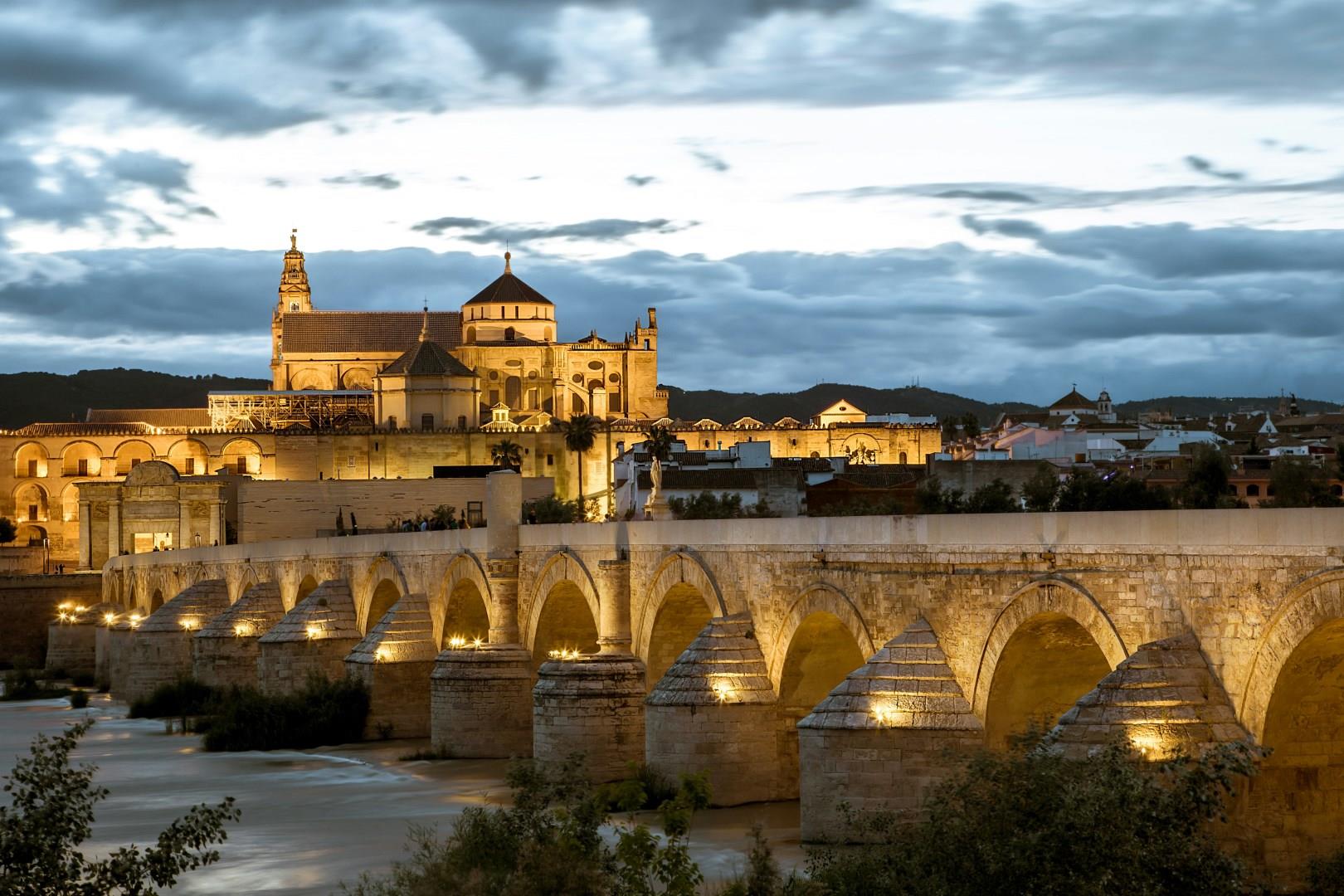
Córdoba
Córdoba, located in the heart of Andalusia, was once the most advanced city in Western Europe. During the 10th century, it served as the capital of Al-Andalus and was a center for learning, science, and art. Today, visitors walk the same streets that philosophers, poets, and physicians once crossed. The city’s most famous landmark, the Mezquita-Catedral, reflects its layered past. The red and white horseshoe arches inside are one of the most photographed interiors in Spain.

Papeete
The capital of French Polynesia, Papeete is a veritable island paradise with bright cerulean waters, iconic overwater bungalows, and palm trees galore.

Malta
Malta, a small island nation in the heart of the Mediterranean, offers visitors a rich blend of history and vibrant local culture. Its capital, Valletta, is a UNESCO World Heritage site filled with grand Baroque architecture, narrow streets, and significant historical landmarks like St. John’s Co-Cathedral, home to masterpieces by Caravaggio. The city's fortifications tell stories of centuries of military importance, guarding one of Europe’s busiest harbors.