Agadir
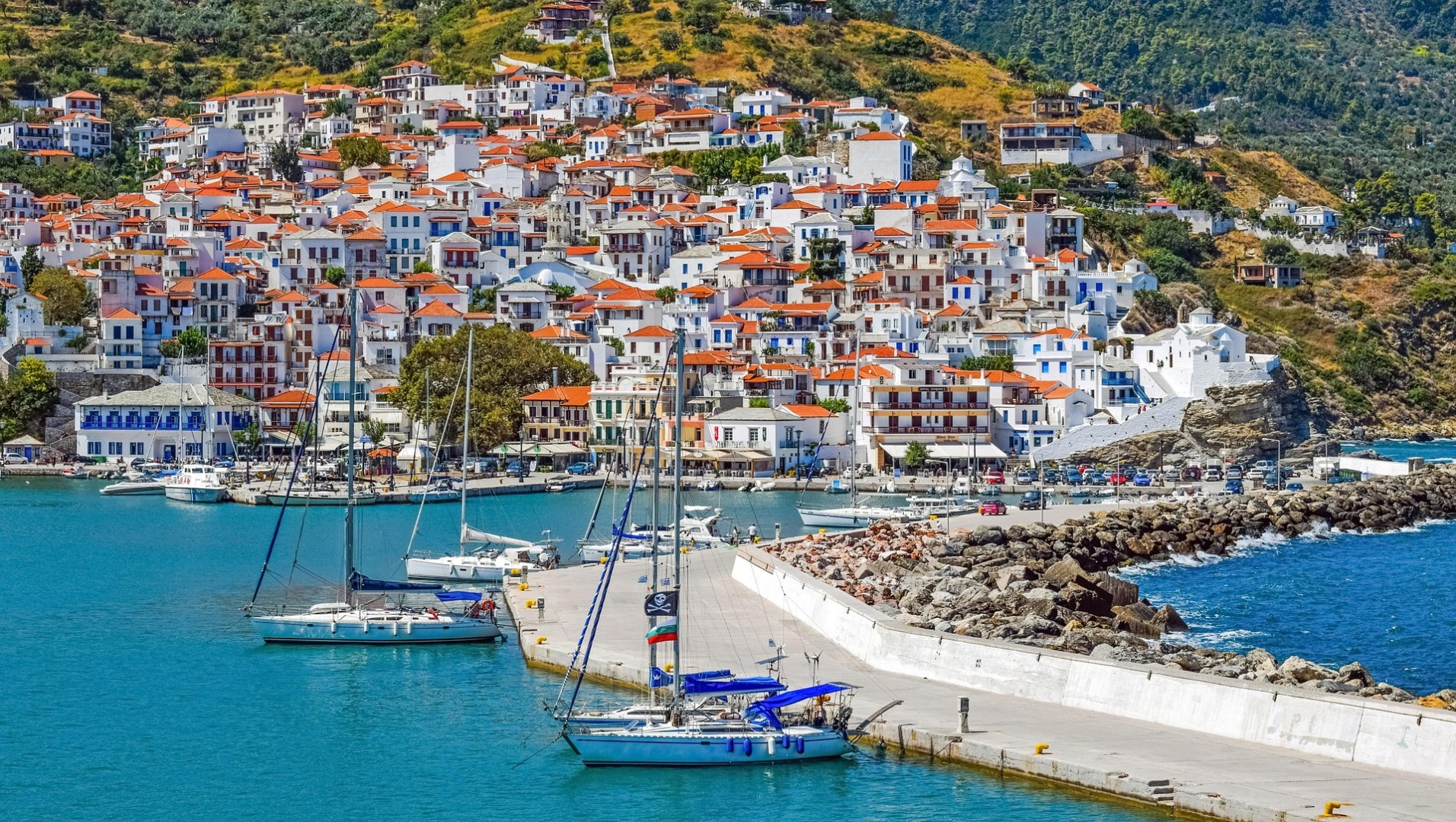
Agadir, a vibrant coastal city in southwestern Morocco, is renowned for its beautiful beaches and modern amenities. Located on the Atlantic Ocean, Agadir is famous for its long, sandy coastline which stretches for over 10 kilometers (6 miles). The city's beach is perfect for sunbathing, swimming, and engaging in water sports such as surfing and jet skiing. Agadir's temperate climate, with mild winters and warm summers, makes it a year-round destination for beachgoers.
Cape Peninsula
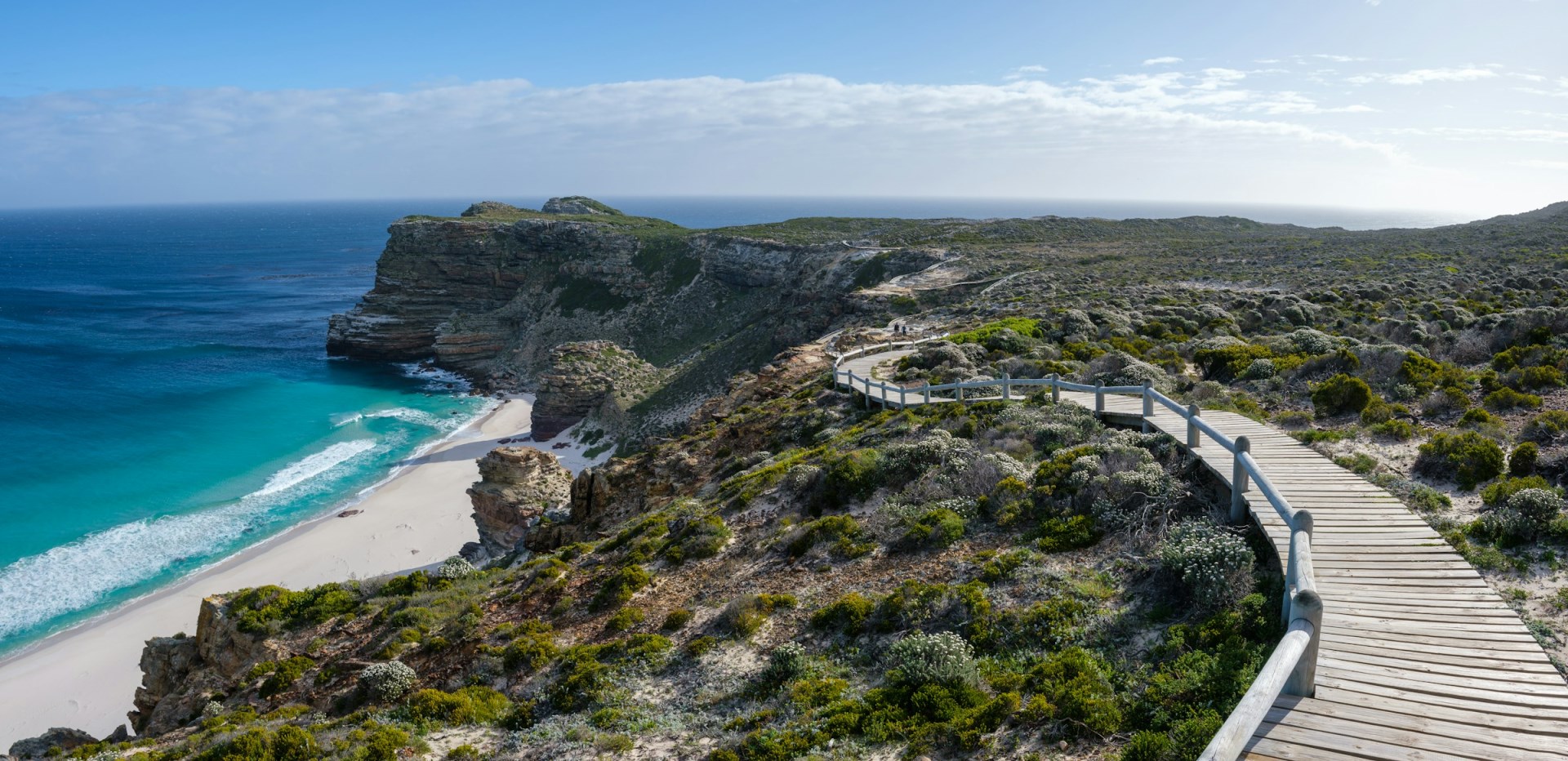
Cape Peninsula is the mountainous, coastal region extending south from Cape Town into the Atlantic Ocean and False Bay. Its landscape combines Table Mountain, rocky headlands, sandy beaches, forests, and open fynbos-covered slopes. Table Mountain National Park runs along much of the peninsula, protecting the mountain chain and coastline from Signal Hill to Cape Point.
Tarangire National Park
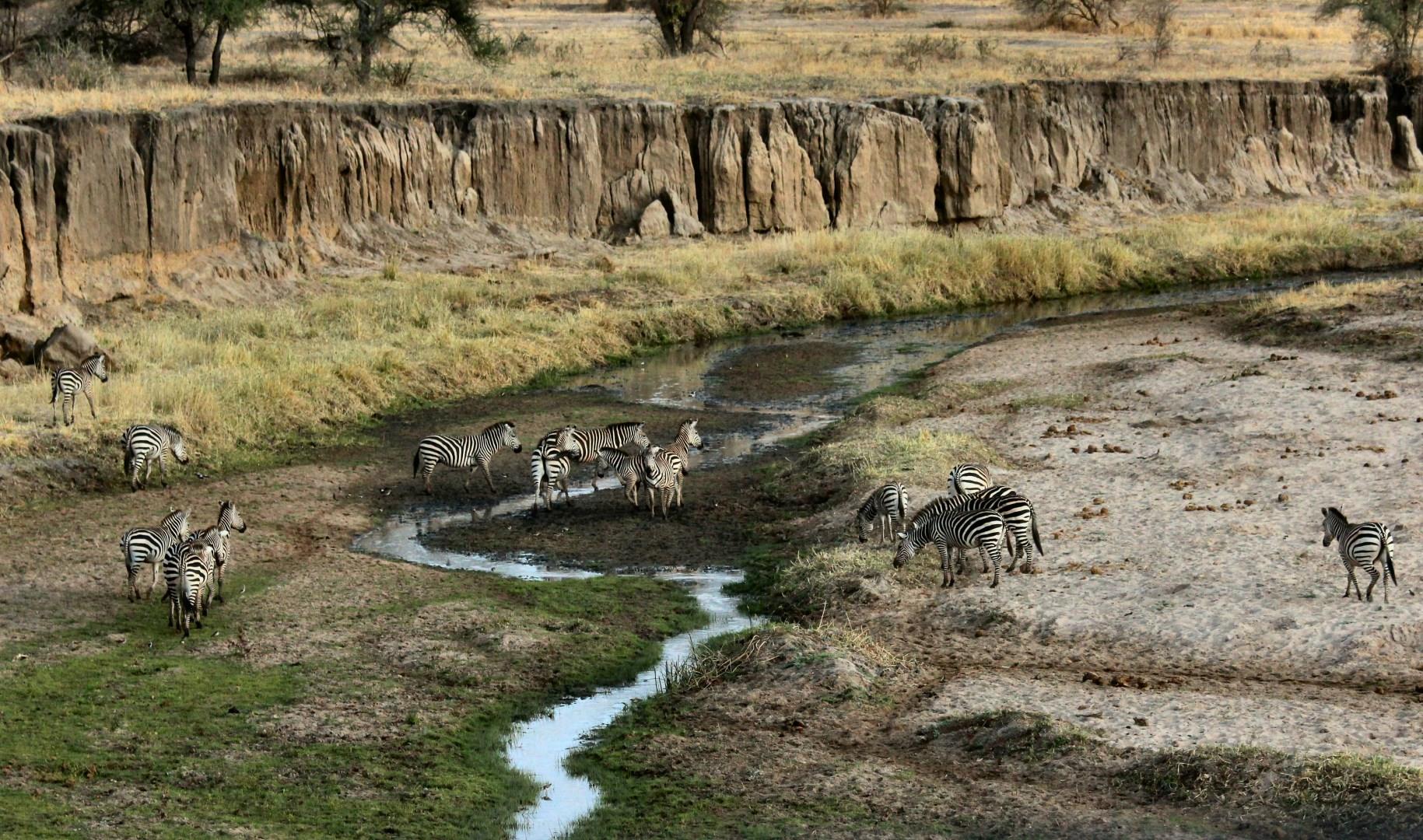
Tarangire National Park, a stunning gem in northern Tanzania, offers an unparalleled safari experience amid its diverse landscapes and wildlife. Renowned for its dense population of elephants, the park's vast baobab-studded plains and swamps create a dramatic setting that brings you face-to-face with these magnificent creatures. The park is home to over 300 bird species, including the strikingly beautiful Lilac-breasted Roller and the majestic Secretary Bird.
San Miguel de Allende
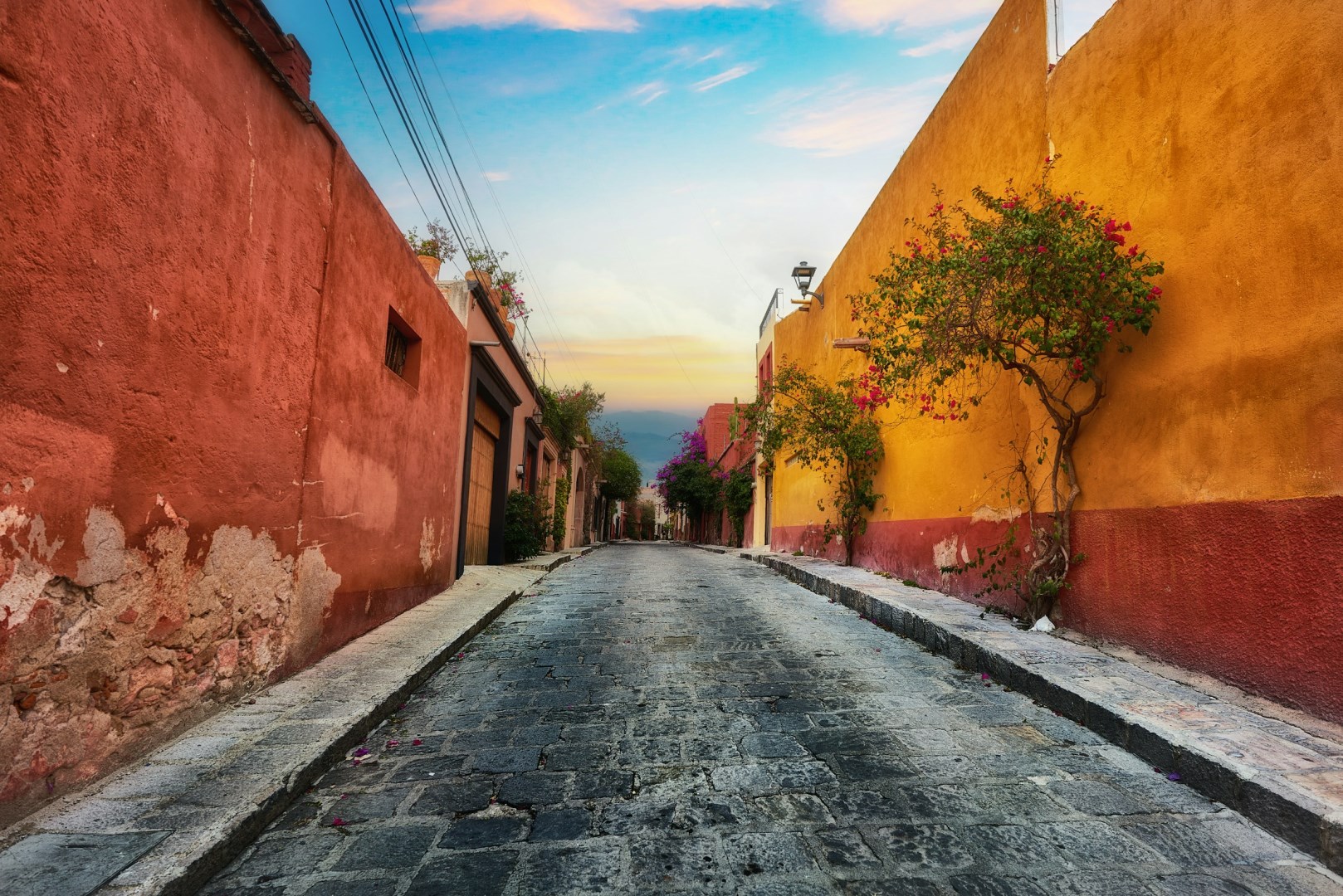
One of the most beautiful cities in the world, the cobblestone streets line the city center along with colonial Spanish-style architecture. San Miguel de Allende is also known for its thriving art scene, cultural festivals, and some of the most inventive cuisine in Mexico! There is so much to enjoy in this lesser-known gem of North America.
Kuressaare
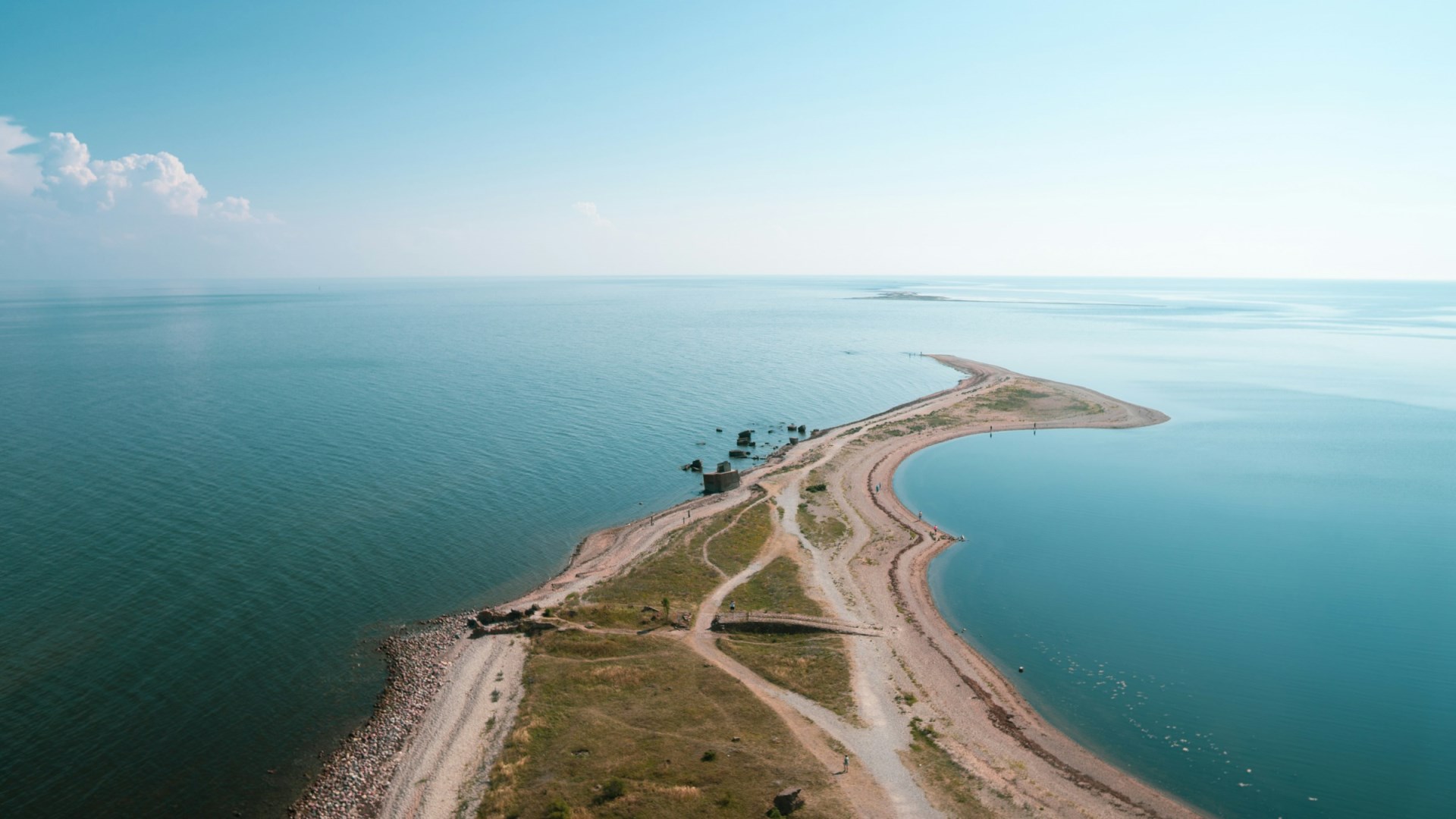
Kuressaare is the main town of Saaremaa, Estonia’s largest island, set beside a sheltered bay on the island’s southern coast. The town is known for its compact historic center, seaside setting, and strong links with Saaremaa’s island culture. Kuressaare Castle dominates the waterfront, while streets lined with wooden houses, small parks, and 19th-century villas extend inland.