Situated on the shore of Lake Titicaca, Puno is referred to as the folkloric capital of Peru due to its artistic and cultural expressions, particularly dance. Notable landmarks include the Andean baroque-style Puno Cathedral and the Yavari, a 19th-century steamship. Products created from alpaca, llama, or sheep wool are a signature of the area, as well as musical instruments like the siku.
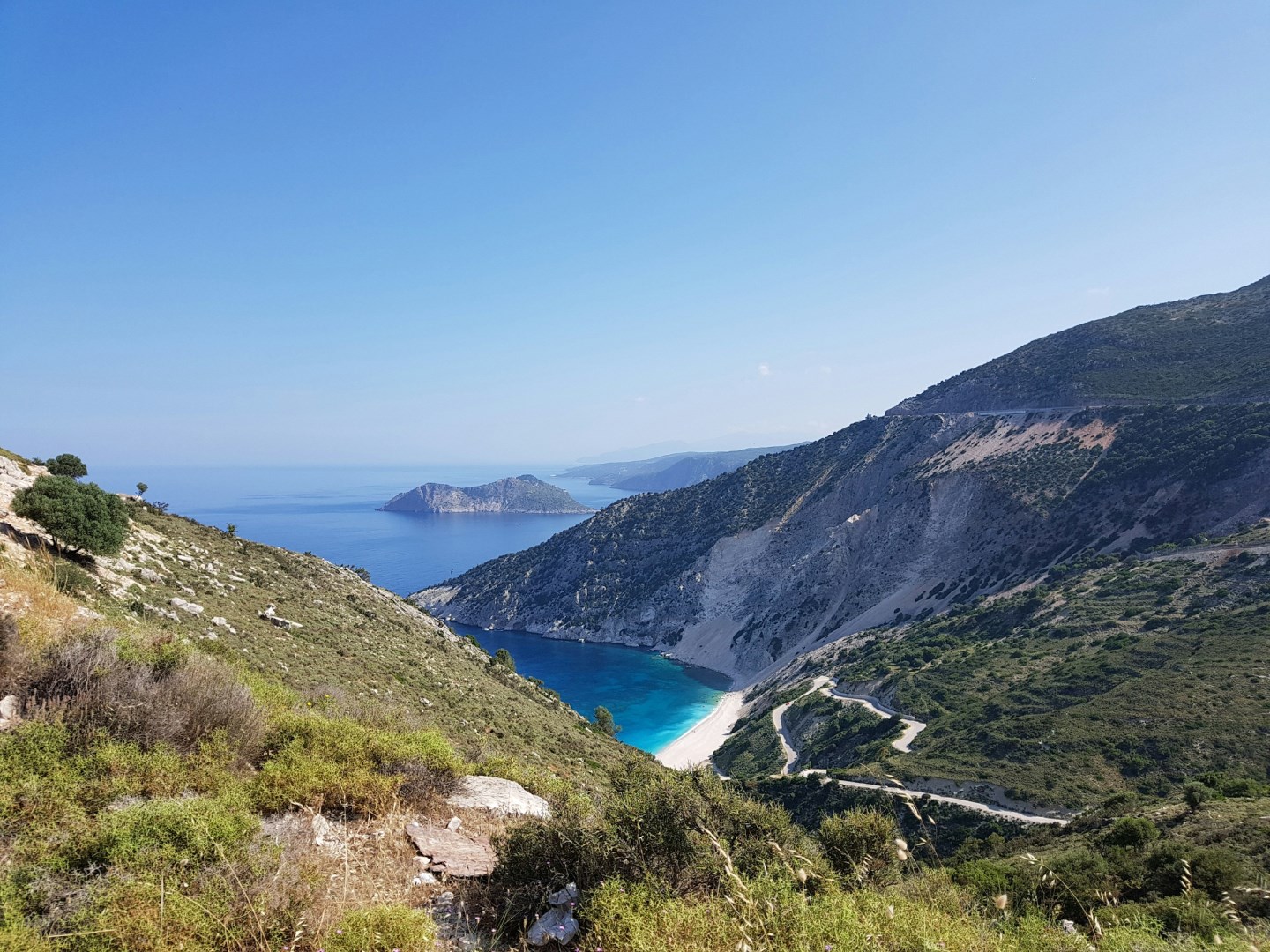
Greece’s island of Cephalonia, nestled in the Ionian Sea, invites travelers with a relaxed pace and a landscape shaped by myth, history, and nature. Larger than its neighboring islands but far less crowded, Cephalonia offers visitors a glimpse into traditional Greek life amid dramatic cliffs, lush pine forests, and charming harborside villages.
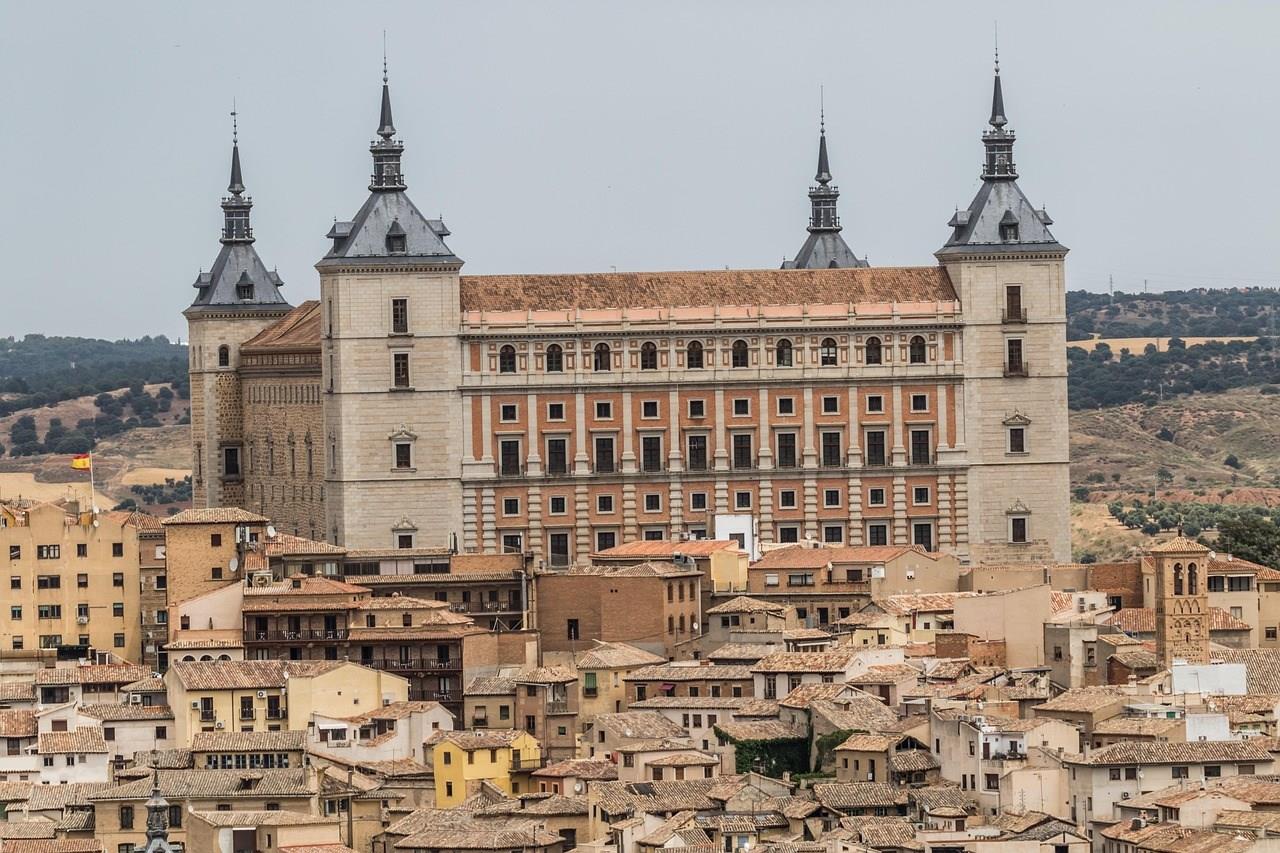
Toledo, high above the Tagus River in central Spain, is a city where layers of history are visible around every corner. For centuries it was an important Roman settlement, a Visigothic capital, and later a stronghold during the medieval Christian reconquest, before becoming the seat of royal power and a crossroads of cultures. Because of this long span of stories and architectural richness, the whole old town has been recognized as a UNESCO World Heritage Site.
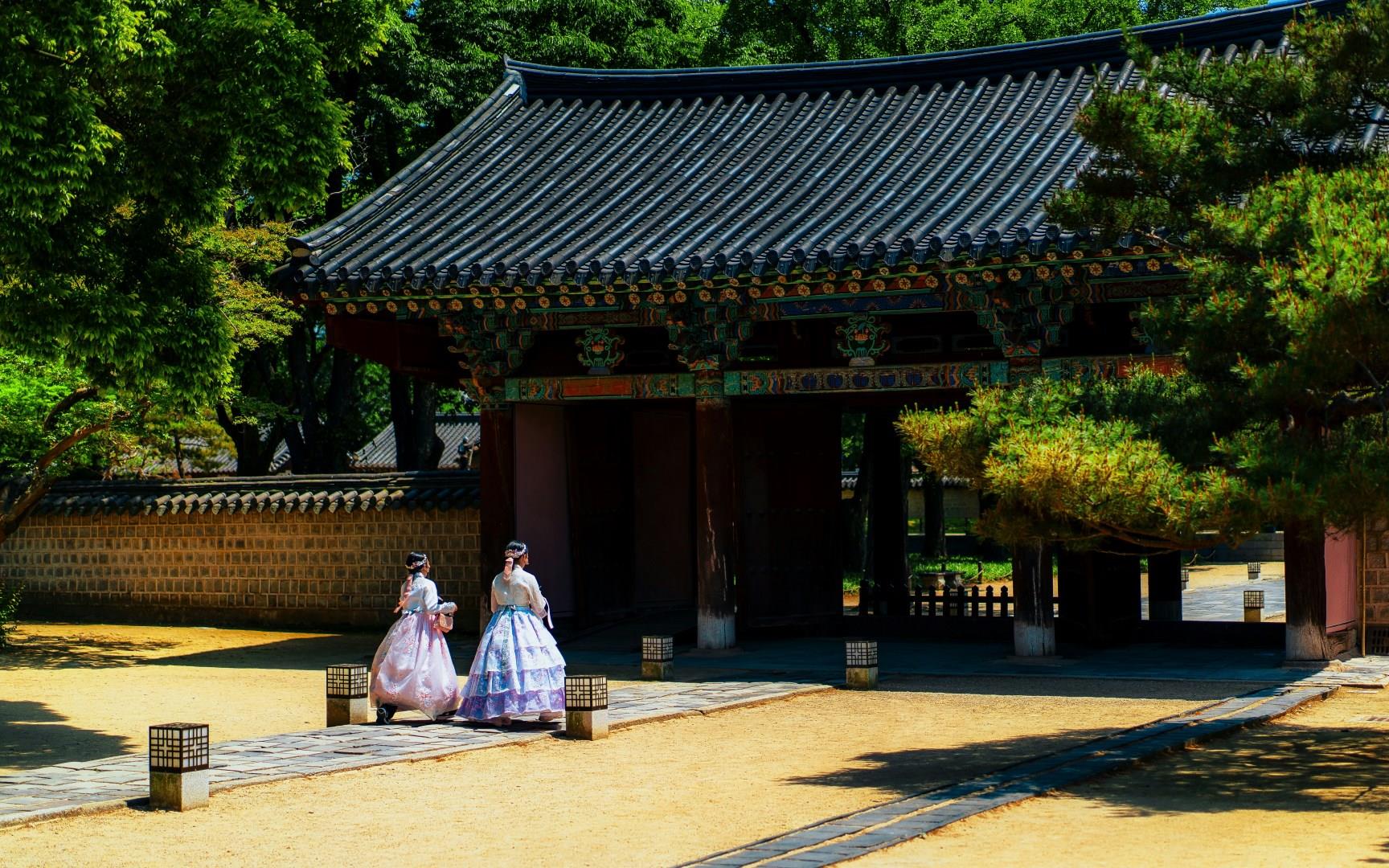
Jeonju-si, in South Korea’s North Jeolla Province, is widely associated with preservation rather than spectacle. The city’s identity is closely tied to its role as a former provincial capital during the Joseon Dynasty and as the birthplace of the royal Yi family.
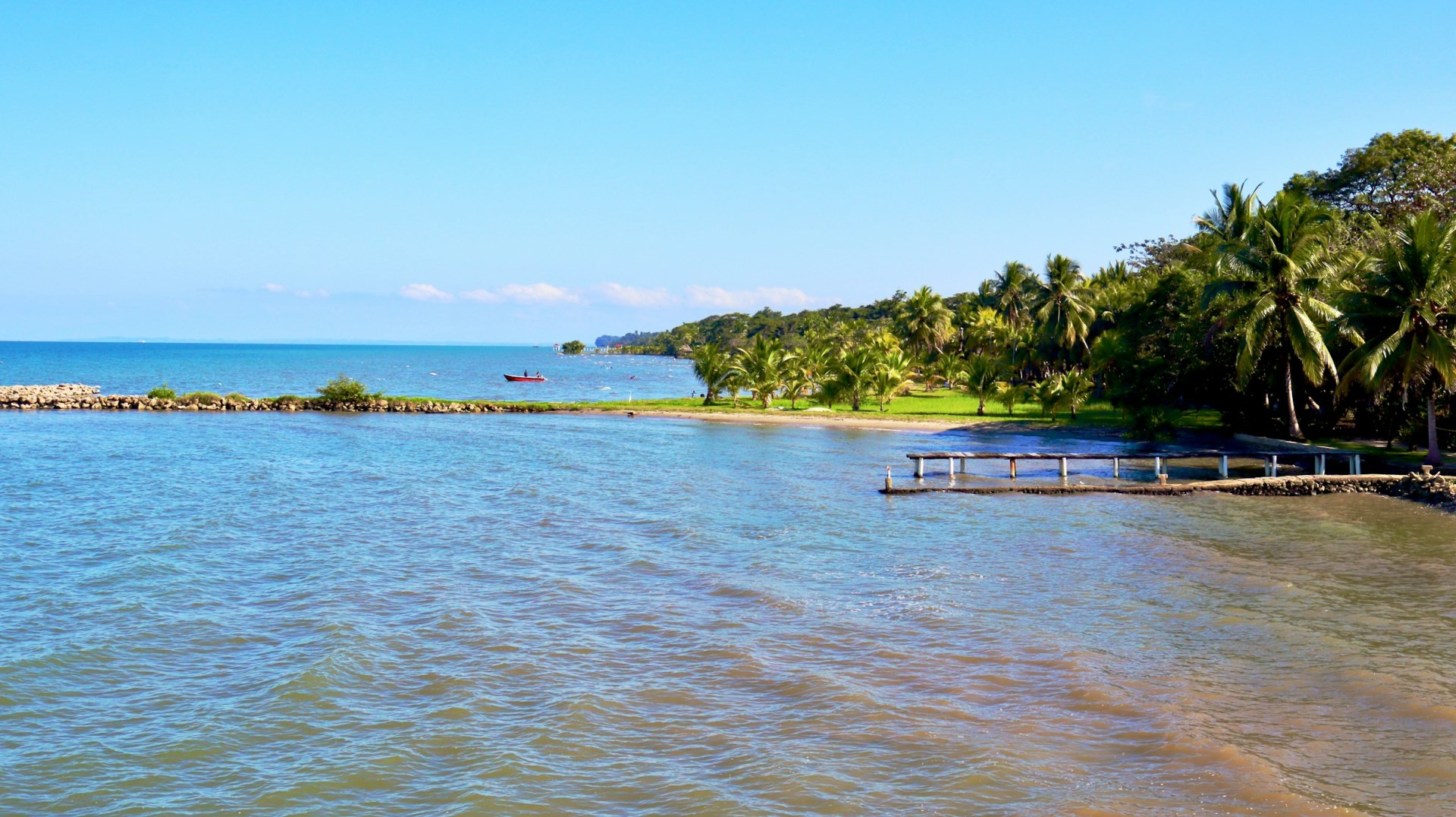
Livingston is a small coastal town in Guatemala's Izabal department, situated where the Río Dulce meets the Caribbean Sea. Unlike much of the country's interior, Livingston is reached primarily by boat, with regular water transport connecting it to Puerto Barrios and Río Dulce. The town is surrounded by tropical vegetation, waterways, and Caribbean coastline, giving it a distinct geographic setting within Guatemala.
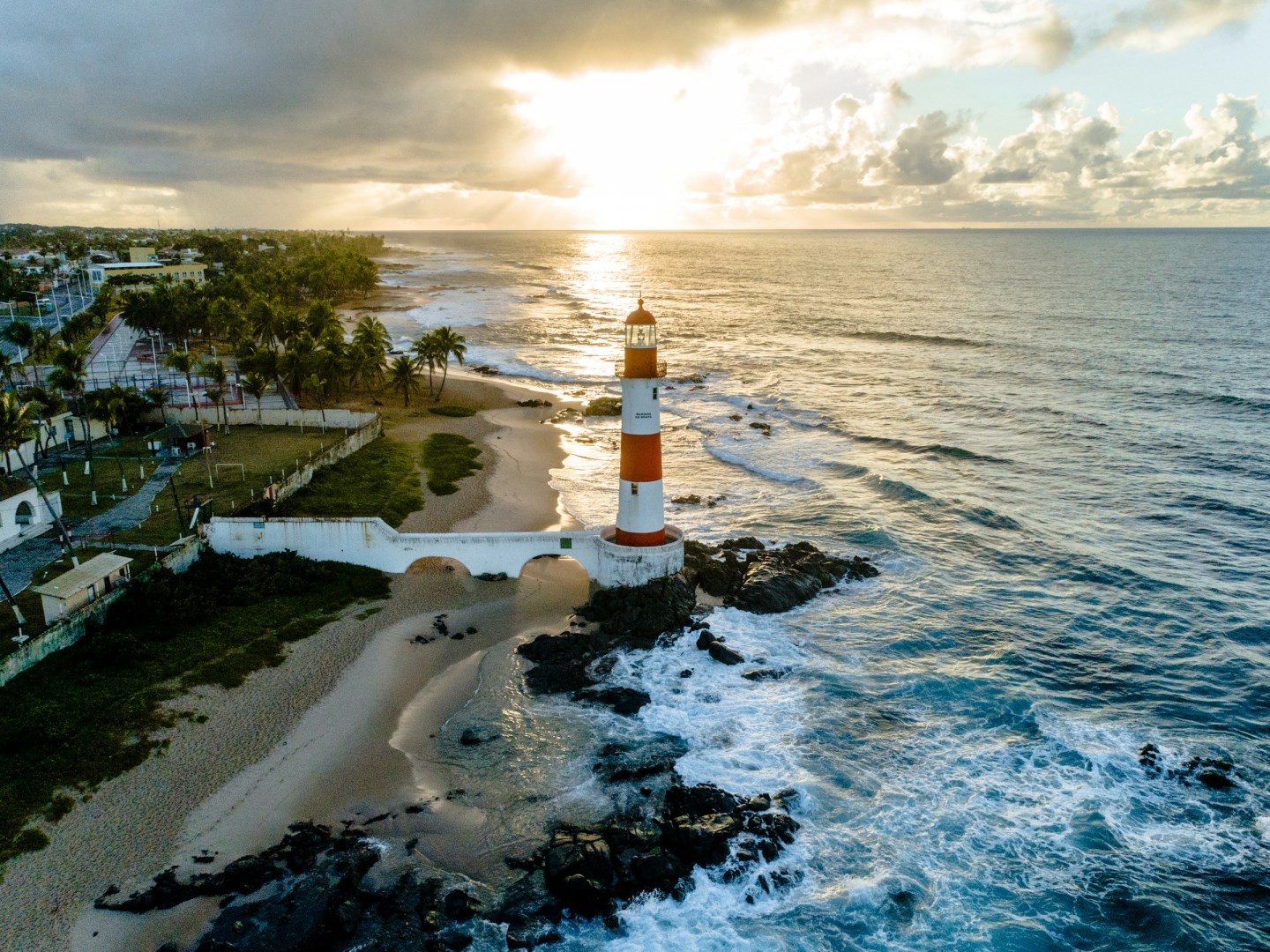
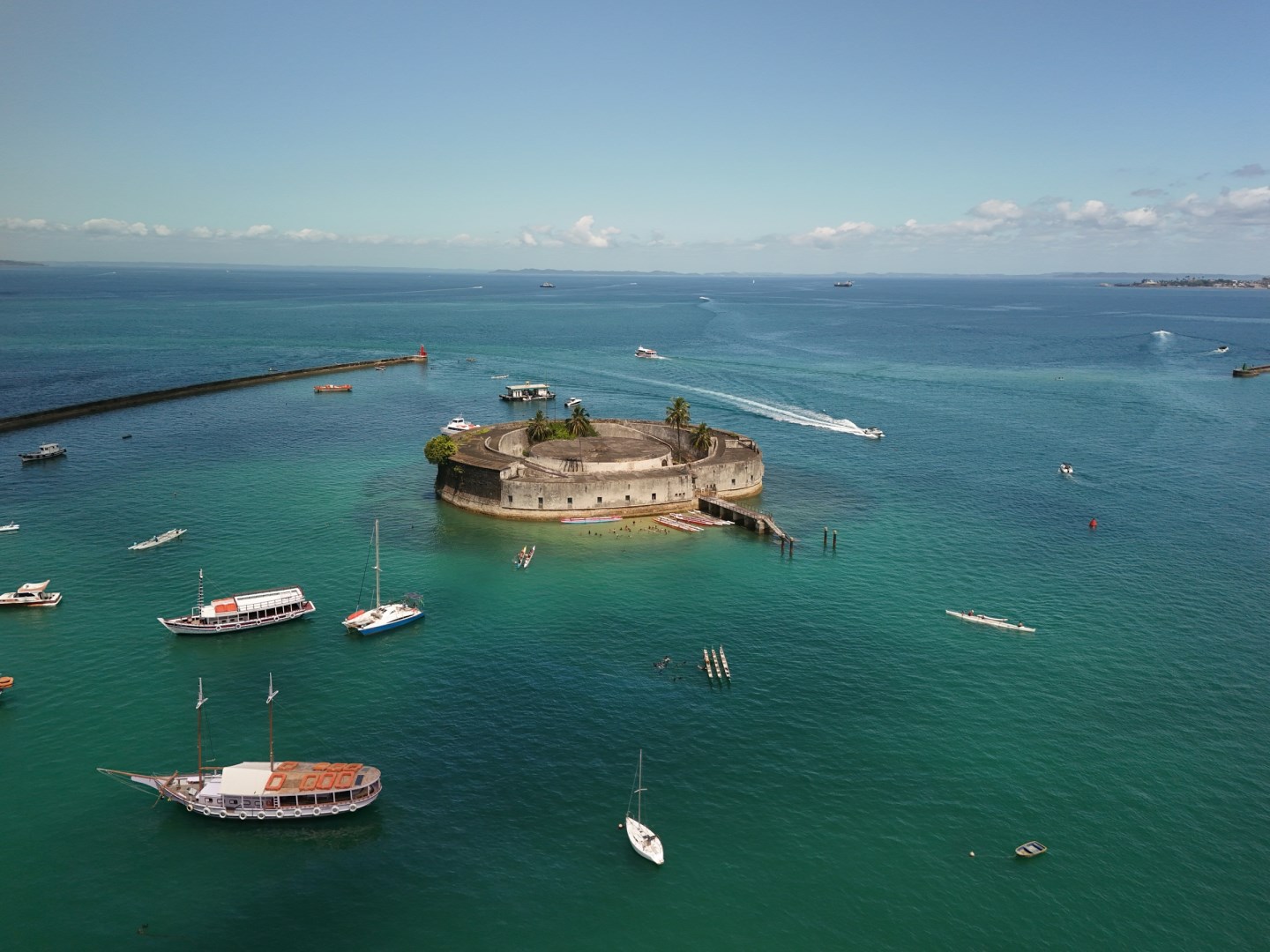
Salvador da Bahia, often simply called Salvador, is a city where the soul of Brazil truly shines. As the capital of the state of Bahia and one of the oldest colonial cities in the Americas, Salvador offers a rich tapestry of Afro-Brazilian culture, vibrant music, and historic architecture. The city’s Pelourinho district, a UNESCO World Heritage site, is a must-visit, with its cobblestone streets, colorful colonial buildings, and churches adorned with gold leaf. This area was once the center of the city’s slave trade, and today it stands as a powerful testament to Salvador’s complex and resilient history.
Salvador is also known for its electrifying Carnival, considered one of the largest and most exuberant in the world. Unlike Rio de Janeiro’s samba-focused festivities, Salvador’s Carnival pulses to the rhythms of Axé and Samba-Reggae. The celebration spills out onto the streets, where millions of people dance alongside trio elétrico trucks, creating an atmosphere that is both immersive and infectious. Experiencing Carnival in Salvador is to witness and partake in one of the most authentic expressions of Brazilian culture and joy.
For those seeking relaxation and natural beauty, Salvador’s coastline offers a stunning array of beaches. Porto da Barra Beach, one of the city’s most popular, is perfect for swimming, sunbathing, and watching the sunset over the Bay of All Saints. A short ferry ride from the city takes you to the island of Itaparica, where you can enjoy crystal-clear waters and a more tranquil setting. The blend of urban energy and serene seaside escapes makes Salvador an ideal destination for travelers looking to experience the best of both worlds.
Other Popular Destinations in Brazil
Amazon Rainforest
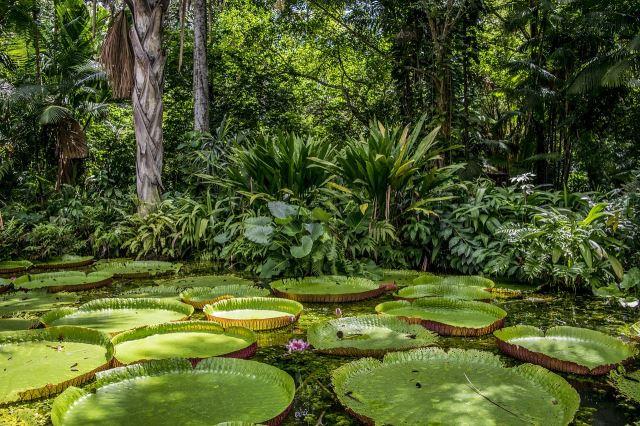
Exploring the Amazon Jungle in Brazil is like venturing into the heart of a living, breathing world. The Amazon Rainforest, often referred to as the "lungs of the Earth," is a lush, sprawling expanse that teems with extraordinary biodiversity.
Rio de Janeiro
Exhilarating Rio de Janeiro, the vibrant South American destination and cultural capital, abounds with iconic landmarks, beaches, and attractions. Christ the Redeemer, the hundred-foot mosaic statue atop Corcovado Mountain, overlooks the glittering coastline and is instantly recognizable, having become an enduring symbol of the city itself. Its arms stretching wide, the prominent figure beckons you to explore this inviting locale.