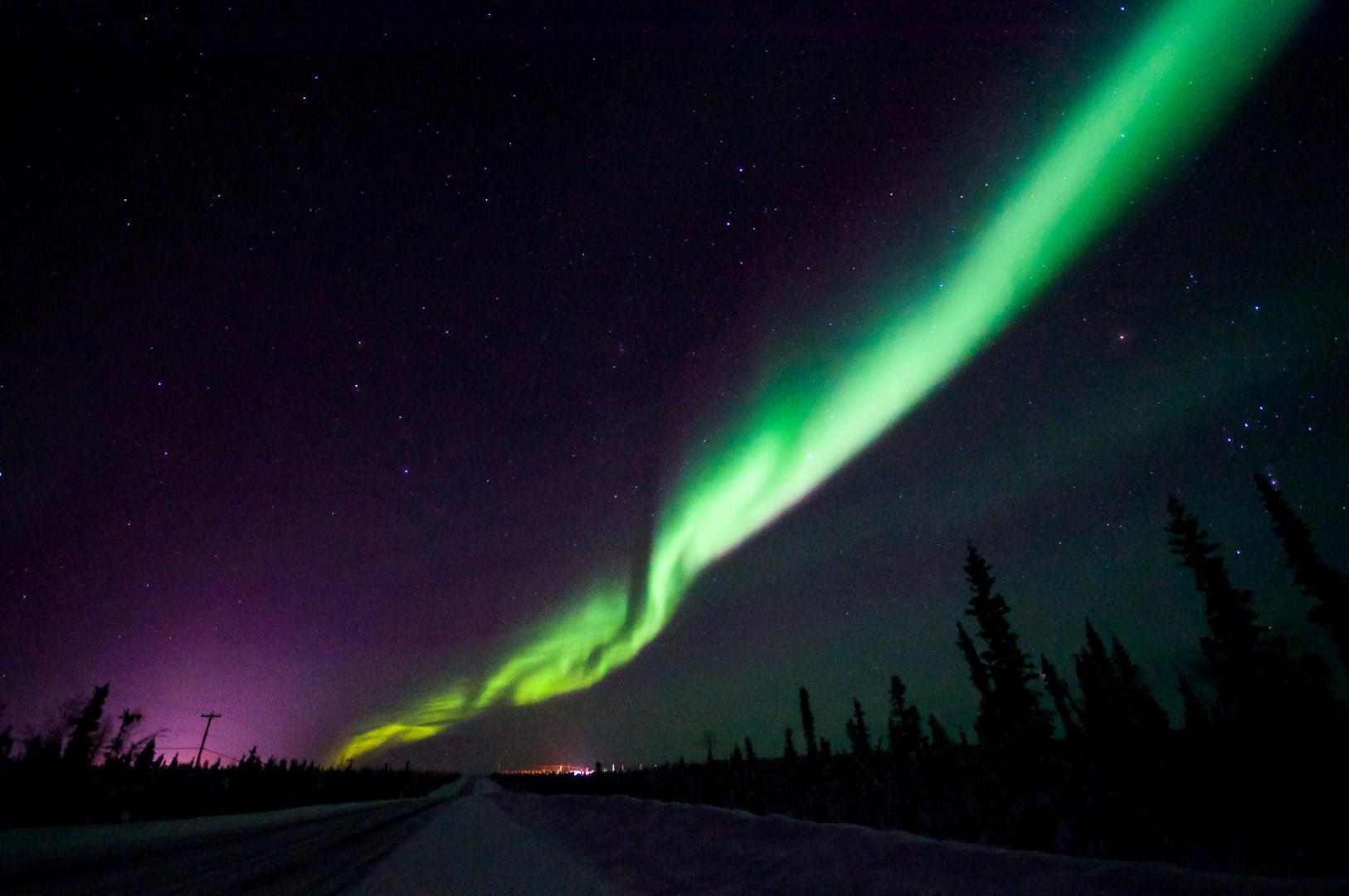
Inuvik
Summer in Inuvik brings the surreal experience of the Midnight Sun where the region experiences 56 days of continuous daylight from late May through mid-July. This natural phenomenon creates ideal conditions for exploring the dramatic tundra landscape and the nearby Mackenzie River Delta, one of the largest in North America. Adventurers can paddle through winding channels, spot migratory birds, or visit Tuktoyaktuk via the Inuvik-Tuktoyaktuk Highway.
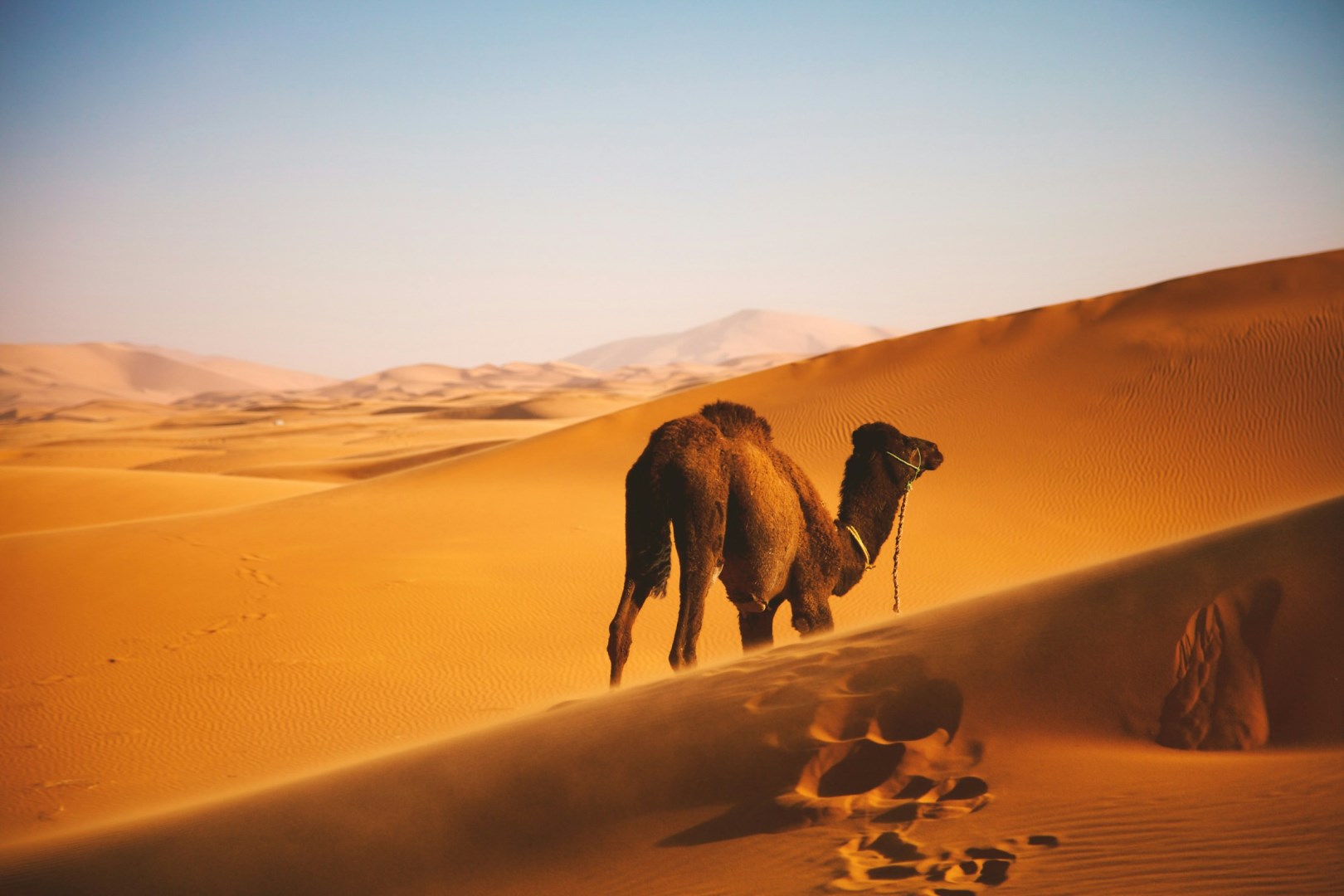
Erg Chebbi
Erg Chebbi is a large field of wind-shaped sand dunes in southeastern Morocco, near the village of Merzouga in the Drâa-Tafilalet region. It forms one of Morocco’s best-known Sahara landscapes, rising abruptly from the surrounding rocky desert. The dunes stretch for roughly 28 kilometres from north to south, with some of the highest crests reaching about 150 metres. Their deep orange and golden tones change noticeably with the position of the sun.
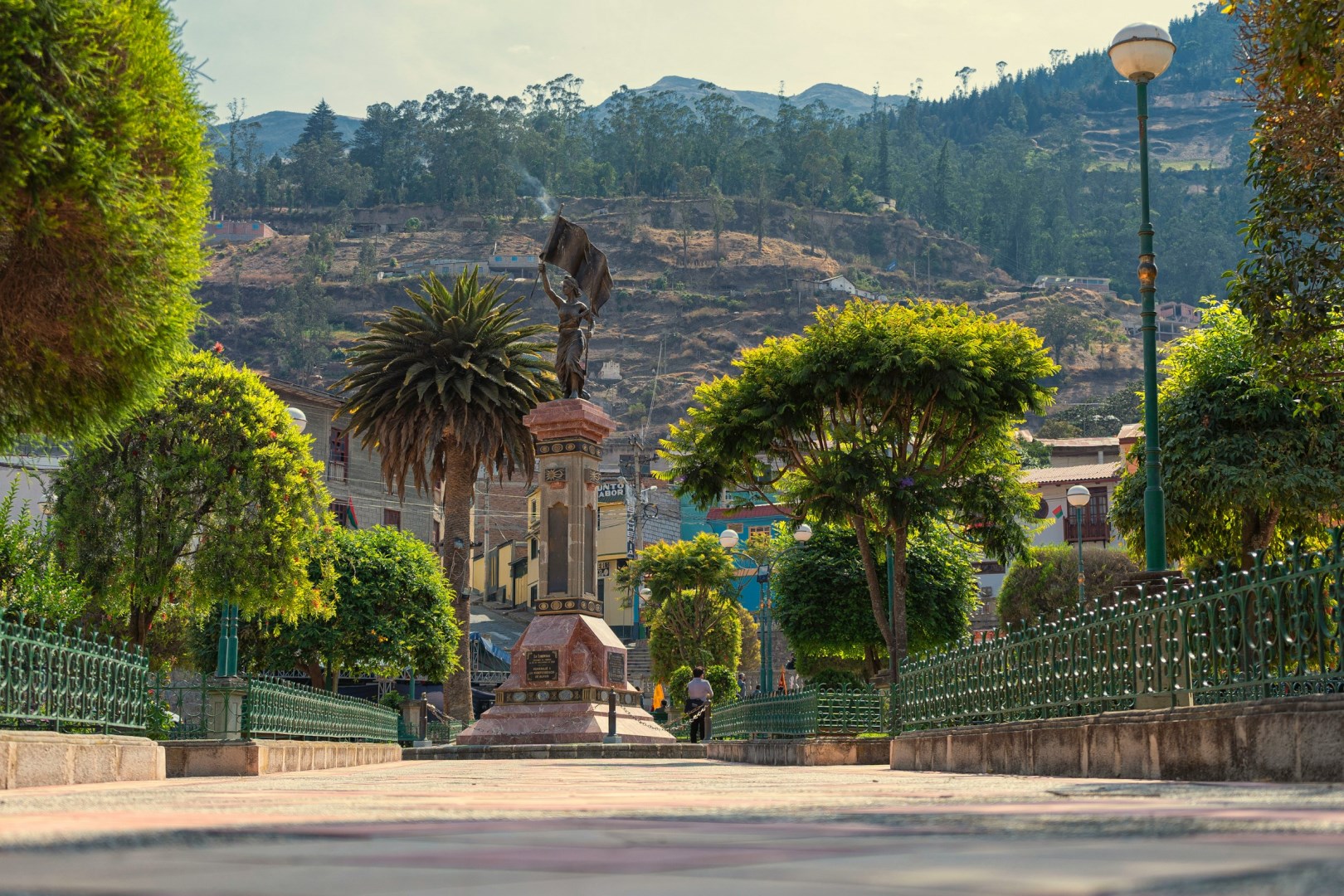
Riobamba
Located roughly in the center of the country, Riobamba is one of Ecuador's largest cities and the starting point of the scenic train ride to Nariz del Diablo (Devil's Nose). The city has a strong indigenous presence, which lends itself well to the open-air artisan market, and plenty of opportunities for mountainous activities such as hiking and mountain biking.
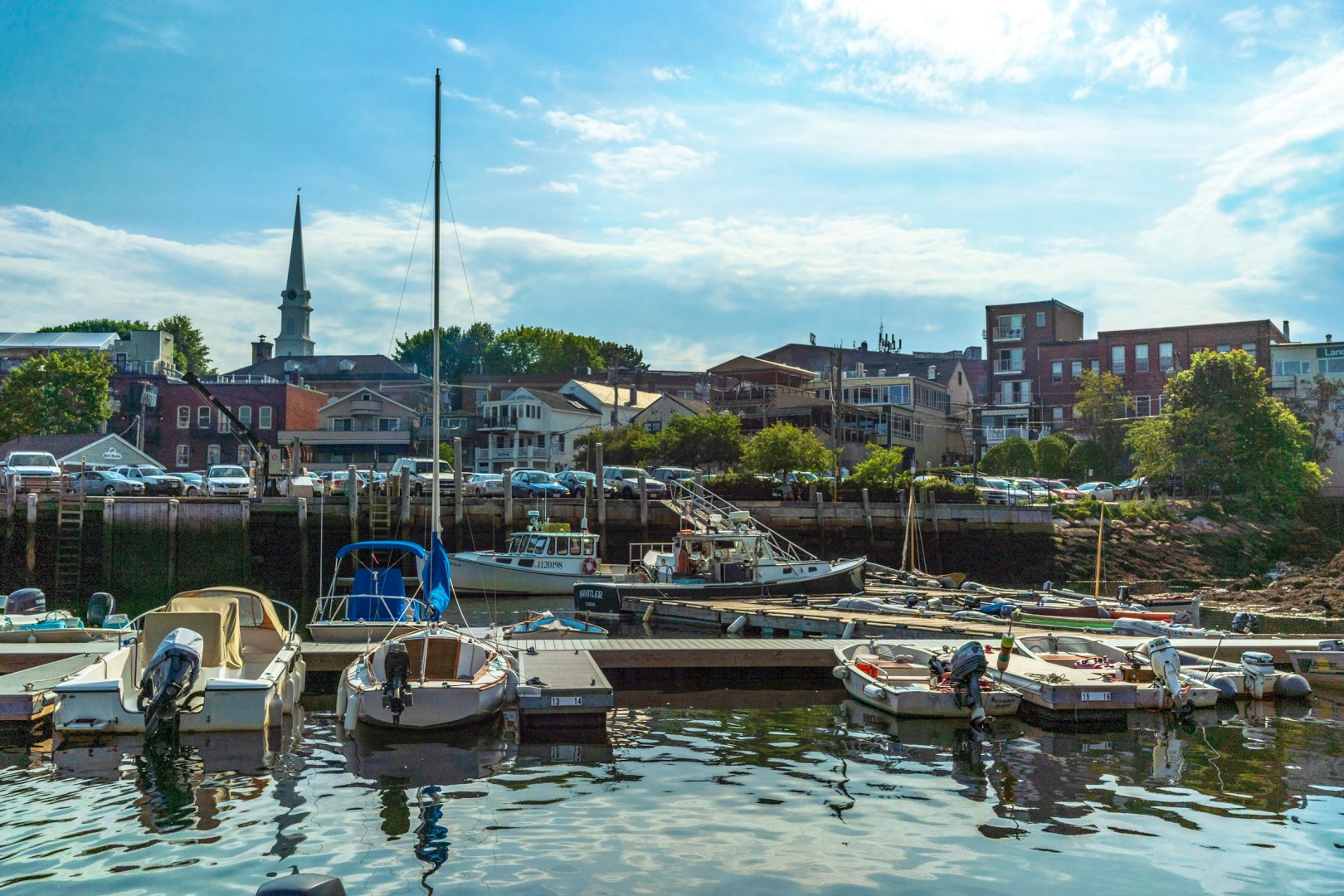
Camden
Camden is a coastal town in Maine on the western shore of Penobscot Bay, where forested hills meet a deep harbor and rocky shoreline. Its compact downtown sits between the harbor and the lower slopes of Mount Battie, giving the town a distinctive setting within the Midcoast region.
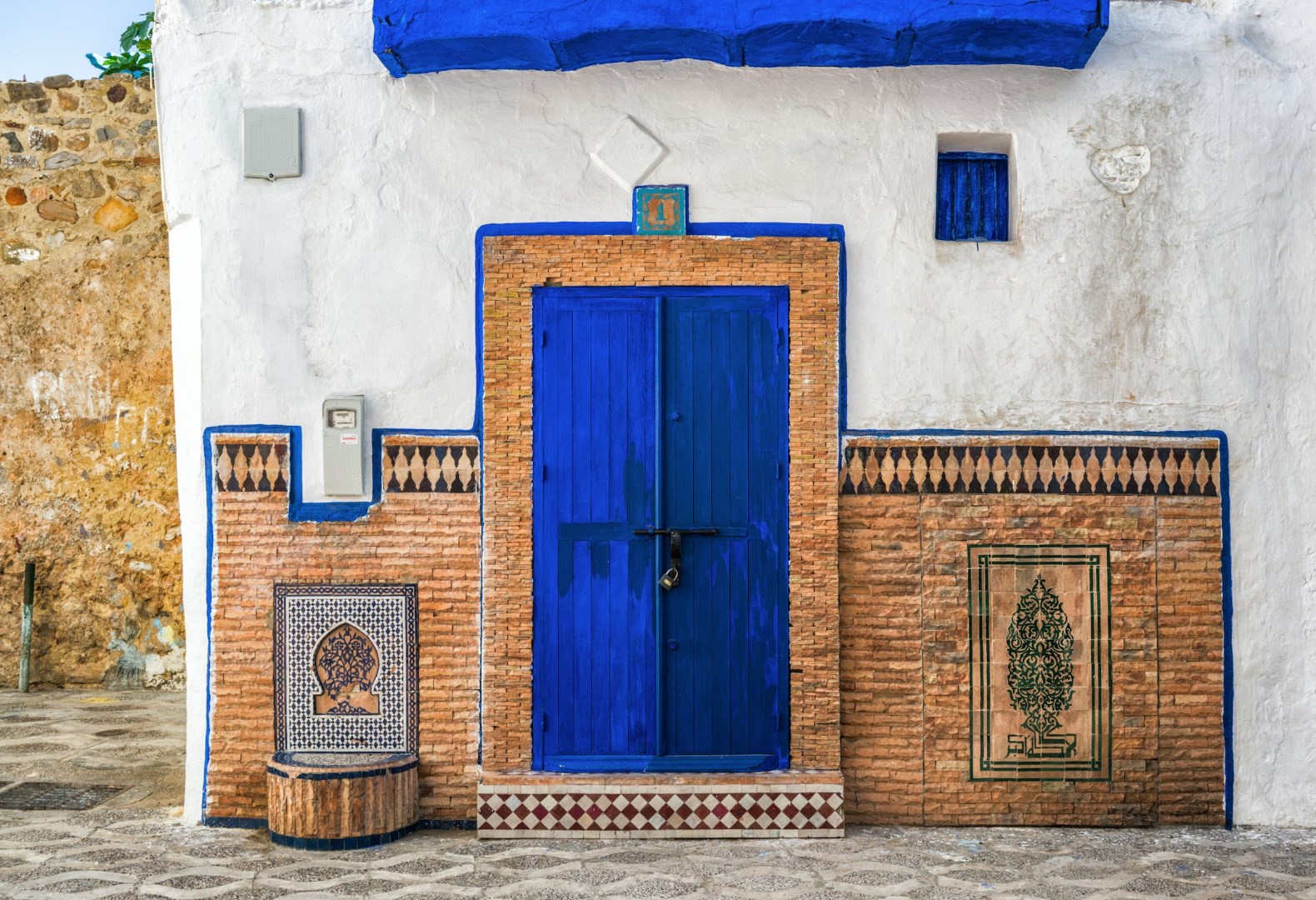
Asilah
Asilah is a small coastal town on Morocco’s Atlantic shore, south of Tangier, known for its whitewashed buildings, fortified medina, and position beside the sea. Its historic walls run along the coastline, with sections overlooking rocky cliffs and the Atlantic. The town has a quieter character than larger northern Moroccan cities, while its narrow streets, painted façades, and waterfront setting give it a distinctive appearance.