Nafplion
Nafplion, a picturesque coastal town in the Peloponnese, is often hailed as one of Greece's most charming and romantic destinations. As the first capital of modern Greece, Nafplion boasts a rich history, evident in its well-preserved neoclassical buildings, Venetian fortresses, and Ottoman influences.
Karakul Lake
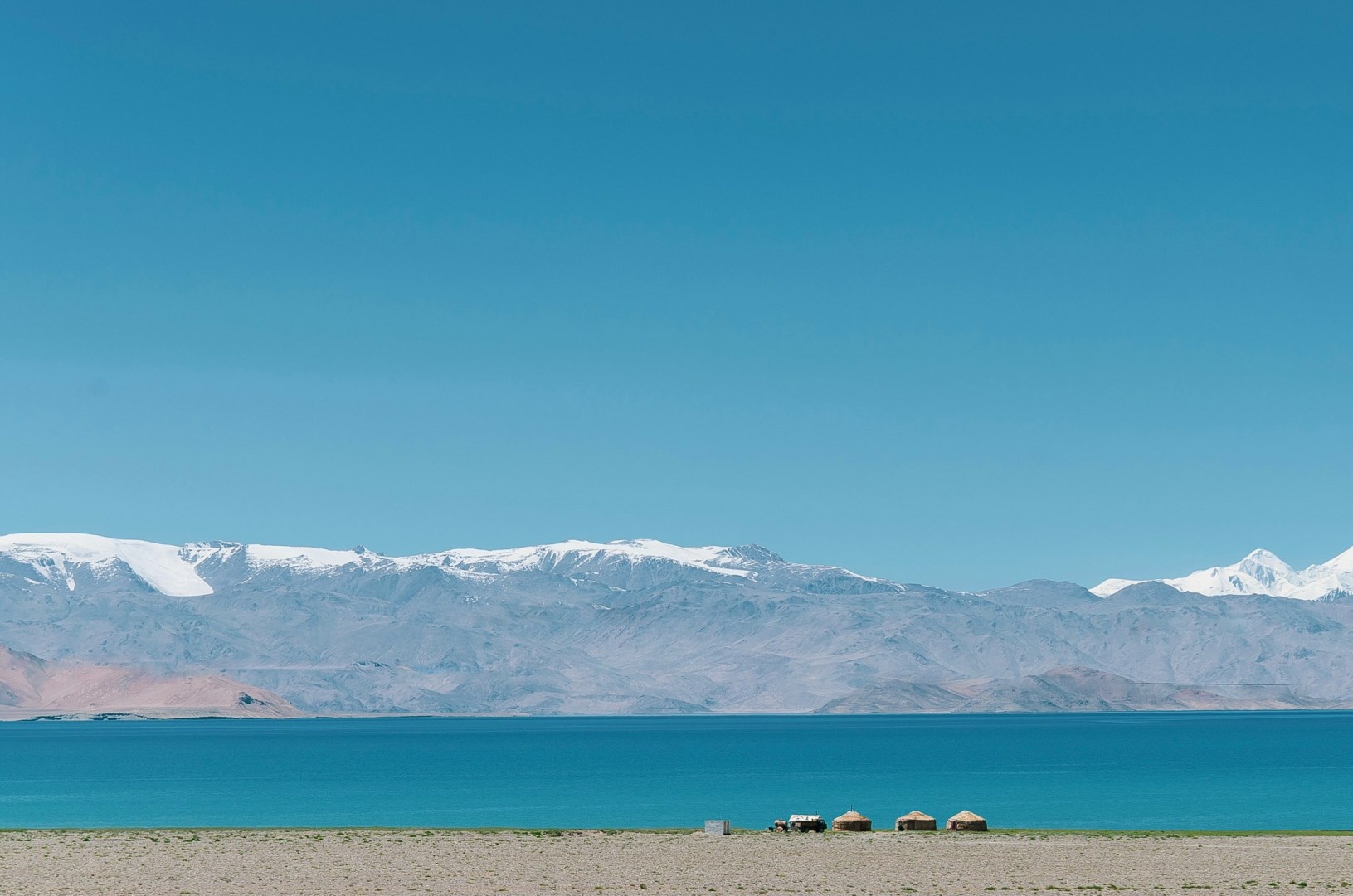
Karakul Lake is a high-altitude lake in eastern Tajikistan, situated in the Pamir Mountains near the village of Karakul. The lake lies at roughly 3,900 meters above sea level within a broad, treeless landscape of rocky plains and high mountain ranges. Its name means “Black Lake” in Turkic, although its water can appear deep blue, green, or turquoise depending on the light. Karakul is the largest lake by surface area in the Pamirs and is part of the wider Tajik National Park.
Lisse
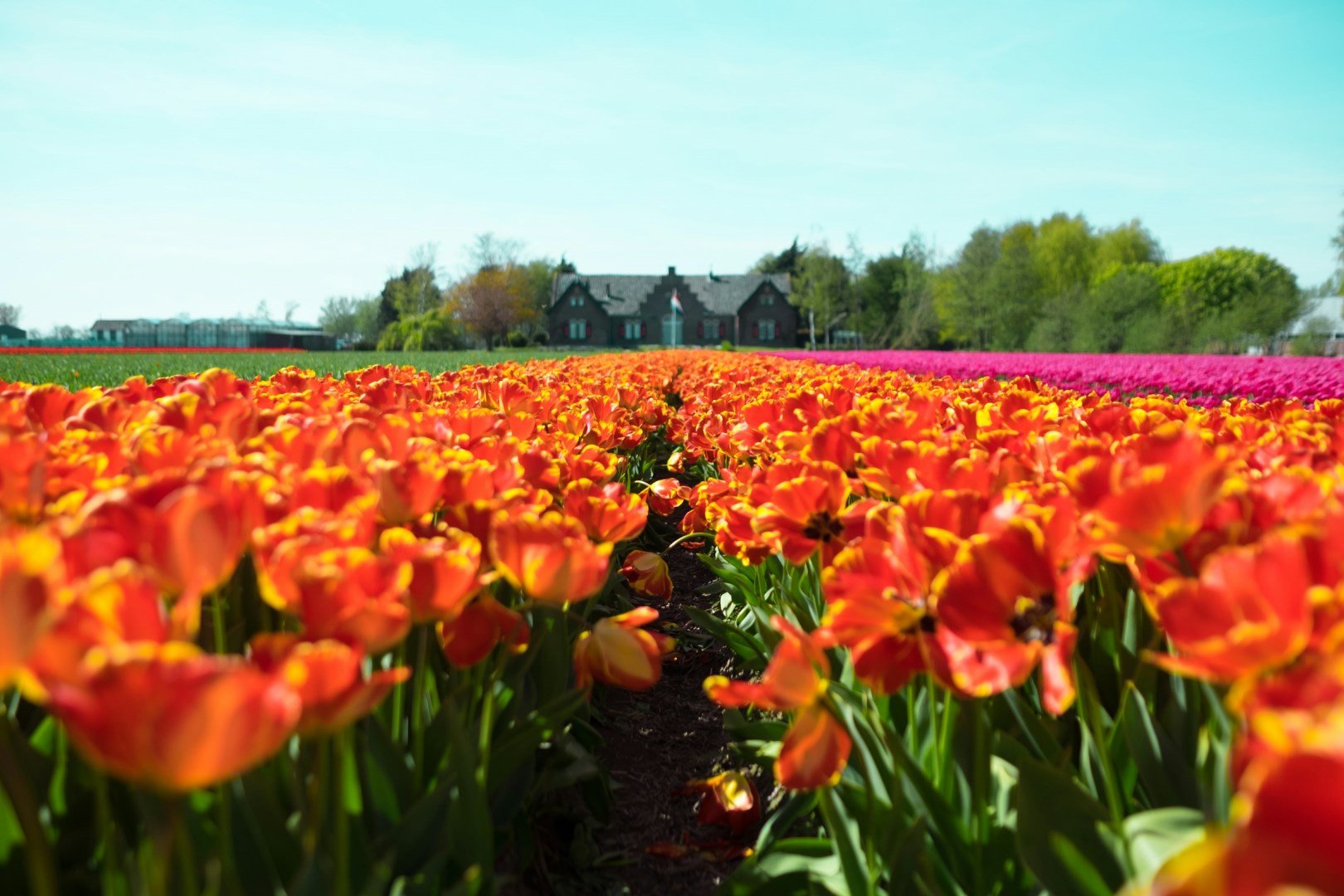
Lisse is a small town in the Bollenstreek flower-growing region of South Holland, situated between Haarlem and Leiden. It is closely associated with bulb cultivation, particularly tulips, daffodils, and hyacinths, and its surrounding countryside is characterized by broad fields that change color with the flowering season. The town itself contains a compact center of shops, cafés, churches, and traditional Dutch buildings, while the surrounding landscape is largely agricultural.

Grand Canyon
Stretching 277 miles in length and more than a mile deep, this vast canyon reveals layers of geologic time stacked like pages in a book. Standing on the South Rim, visitors can look out over colorful cliffs and winding trails that have drawn explorers, artists, and travelers for generations. The views change with the light starting with crimson at sunrise, golden at sunset, and every hue in between.
Altun Ha
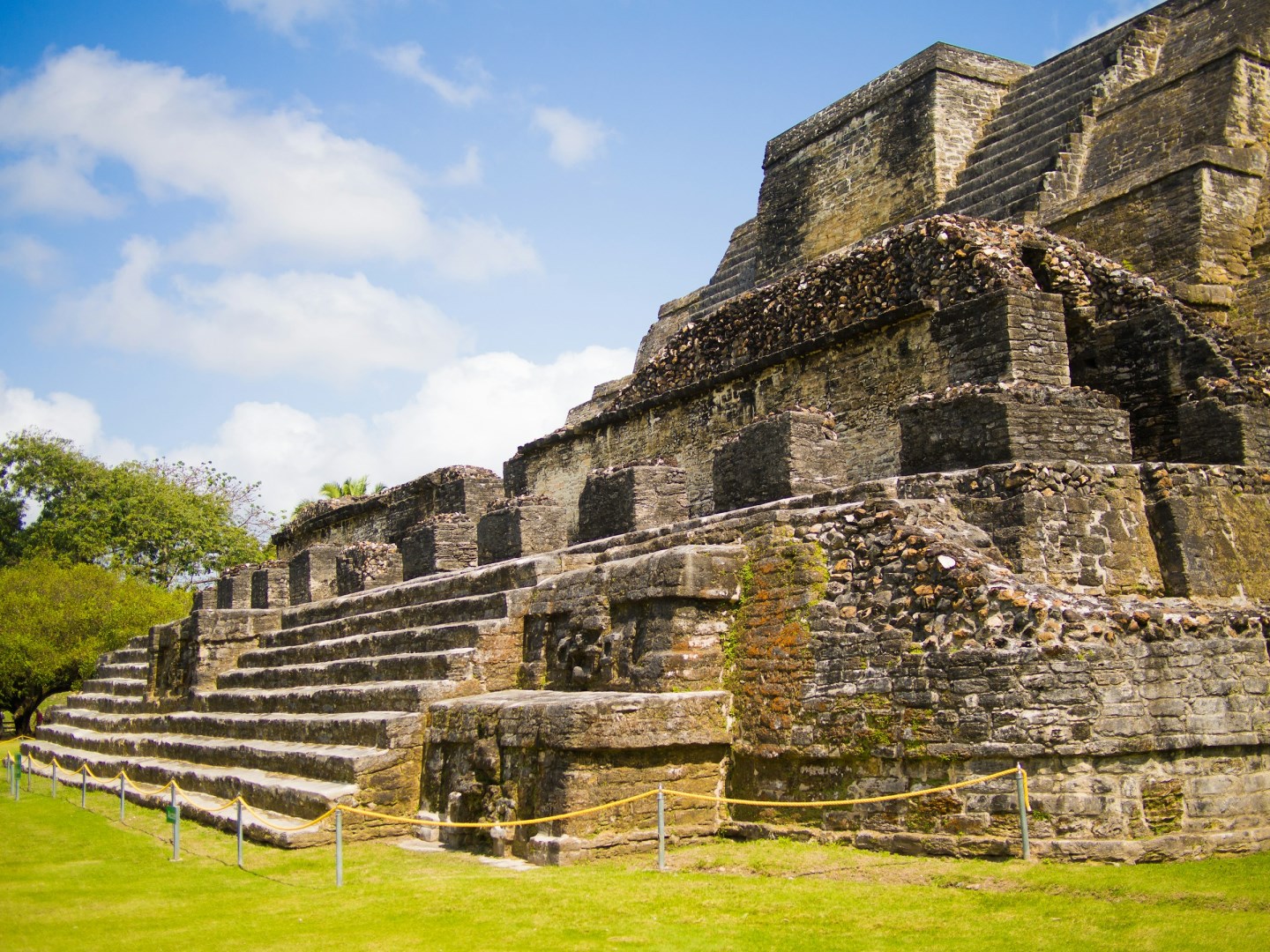
Altun Ha, where archaeologists found a nine-pound jade carving among these ruins, the largest ever uncovered in a Mayan civilation.