Mongolia, a landlocked nation between Russia and China, is defined by vast steppes, dramatic mountain ranges, and the sweeping expanse of the Gobi Desert. Known for its nomadic traditions, the country preserves a way of life that has endured for centuries.
Oviedo, the capital of Asturias in northern Spain, offers a rare mix of medieval heritage and everyday life that feels rooted rather than staged. The city’s historic center is home to some of the oldest pre-Romanesque buildings in Europe, including the UNESCO-listed Santa María del Naranco and San Miguel de Lillo. Cider, not wine, defines the local table. Oviedo is surrounded by apple orchards, and the traditional drink, sidra natural, is poured from a height by skilled escanciadores.
Argostoli sits on the west coast of Kefalonia, Greece’s largest Ionian Island, where a natural harbor meets the Koutavos Lagoon and a waterfront lined with cafés, tavernas, and shops. As the island’s capital, Argostoli blends everyday island life with moments of surprise, from sea turtles surfacing by fishing boats at dawn to historic sites hidden among palm trees and pedestrian streets.
Orpheus Island is totally unspoilt and has its own National Park. Beautiful sunny beaches offer you total seclusion. You can also enjoy sailing, windsurfing, snorkeling and coral viewing. A choice of beach-front bures or studios, along with some of the fines food and wine selections in Australia, make Orpheus a great choice for your island stop over.
Silistra, a charming city located on the southern bank of the lower Danube River in Bulgaria, is a hidden gem that seamlessly blends ancient history with natural beauty. Founded by the Romans as Durostorum, Silistra is one of Bulgaria’s oldest cities, offering a wealth of historical sites that transport visitors back to the Roman Empire. The Silistra Roman Tomb, with its well-preserved frescoes, stands as a testament to the city’s rich past and is a must-visit for history enthusiasts.
Nestled in the heart of the Pacific Northwest, Mt. Hood, Oregon, is a stunning natural playground renowned for its diverse outdoor activities and breathtaking landscapes. In winter, Mt. Hood transforms into a skiing and snowboarding paradise at Timberline Lodge, which boasts the longest ski season in North America. The lodge itself is a historic gem, built in the 1930s and featured in the iconic film "The Shining."
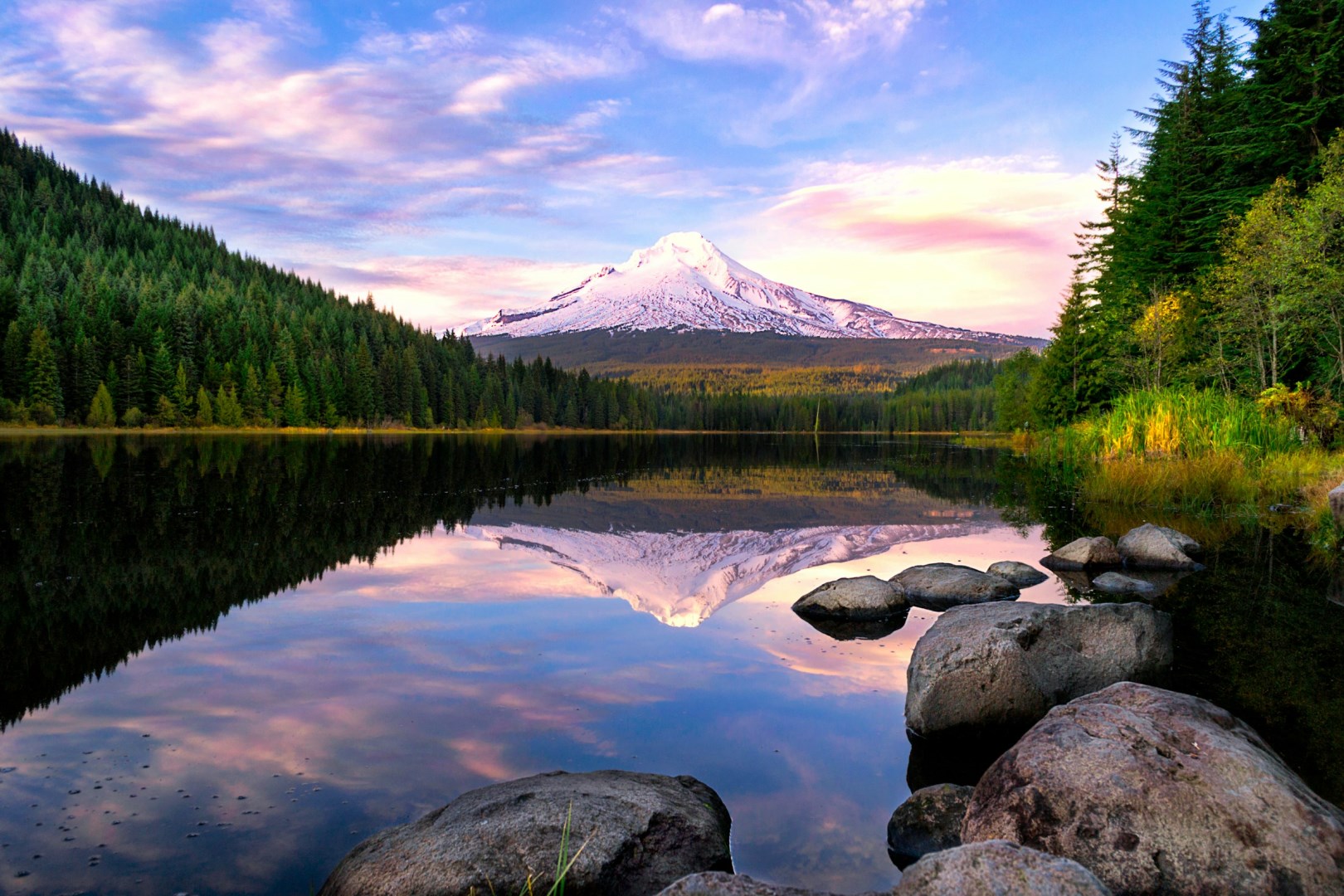
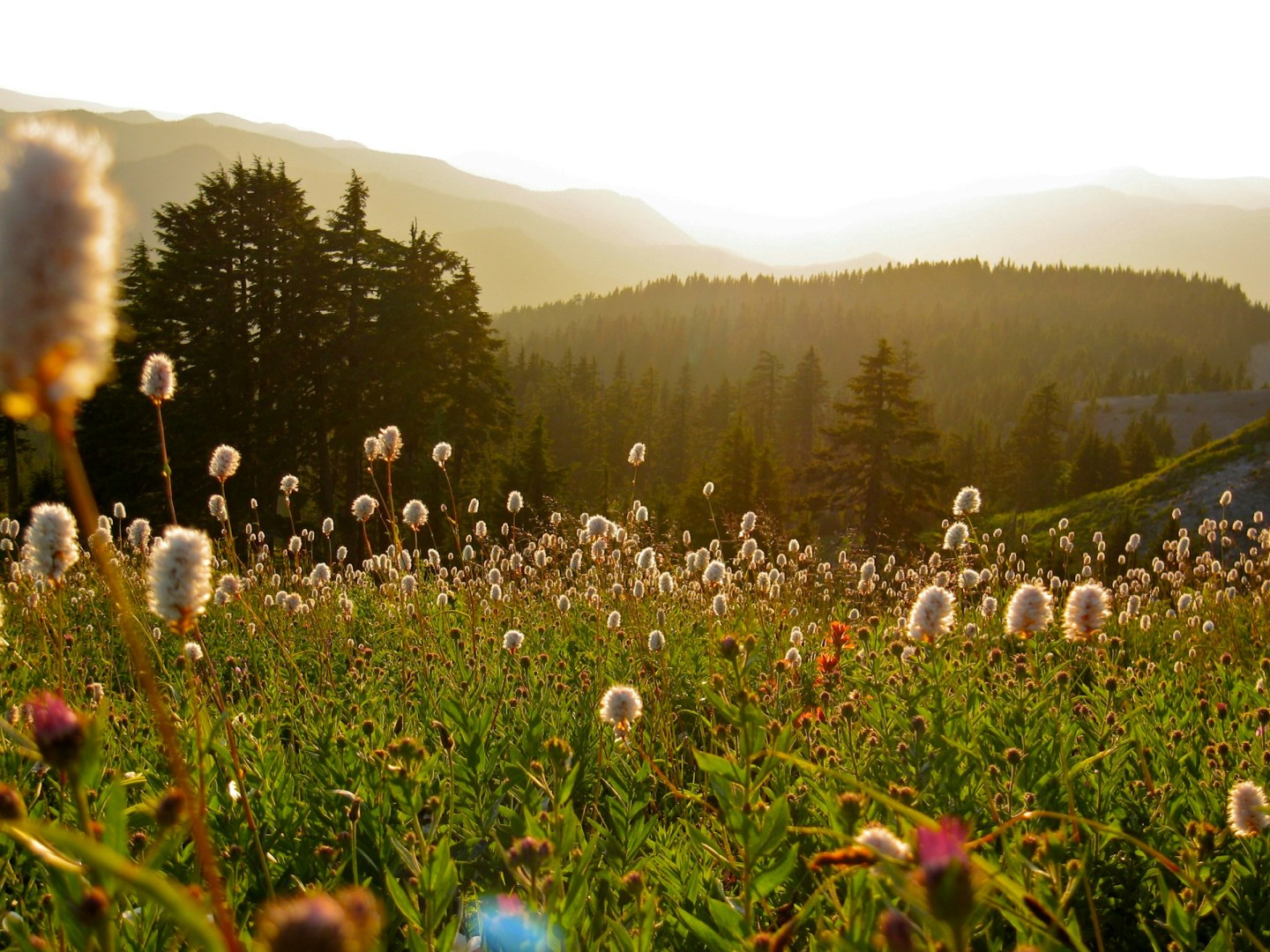
During the summer months, Mt. Hood’s stunning terrain is ideal for hiking, mountain biking, and climbing. The Timberline Trail offers a spectacular loop around the mountain, showcasing alpine meadows, glaciers, and lush forests. For a less strenuous but equally rewarding experience, visitors can explore the serene Trillium Lake, perfect for fishing, kayaking, and picnicking with a backdrop of Mt. Hood's reflection on the water.
The local charm of the nearby town of Government Camp adds to the area's appeal. This quaint mountain village provides cozy accommodations, local dining, and a welcoming atmosphere.
A fun fact about Mt. Hood is that its name comes from the Hood River, which was named by British explorer Captain Robert Gray in honor of his friend, Vice Admiral Samuel Hood. The area's unique blend of historical and natural attractions makes Mt. Hood a captivating destination for outdoor enthusiasts and history buffs alike. For the best experience, visit during the spring or fall to enjoy mild weather and fewer crowds.