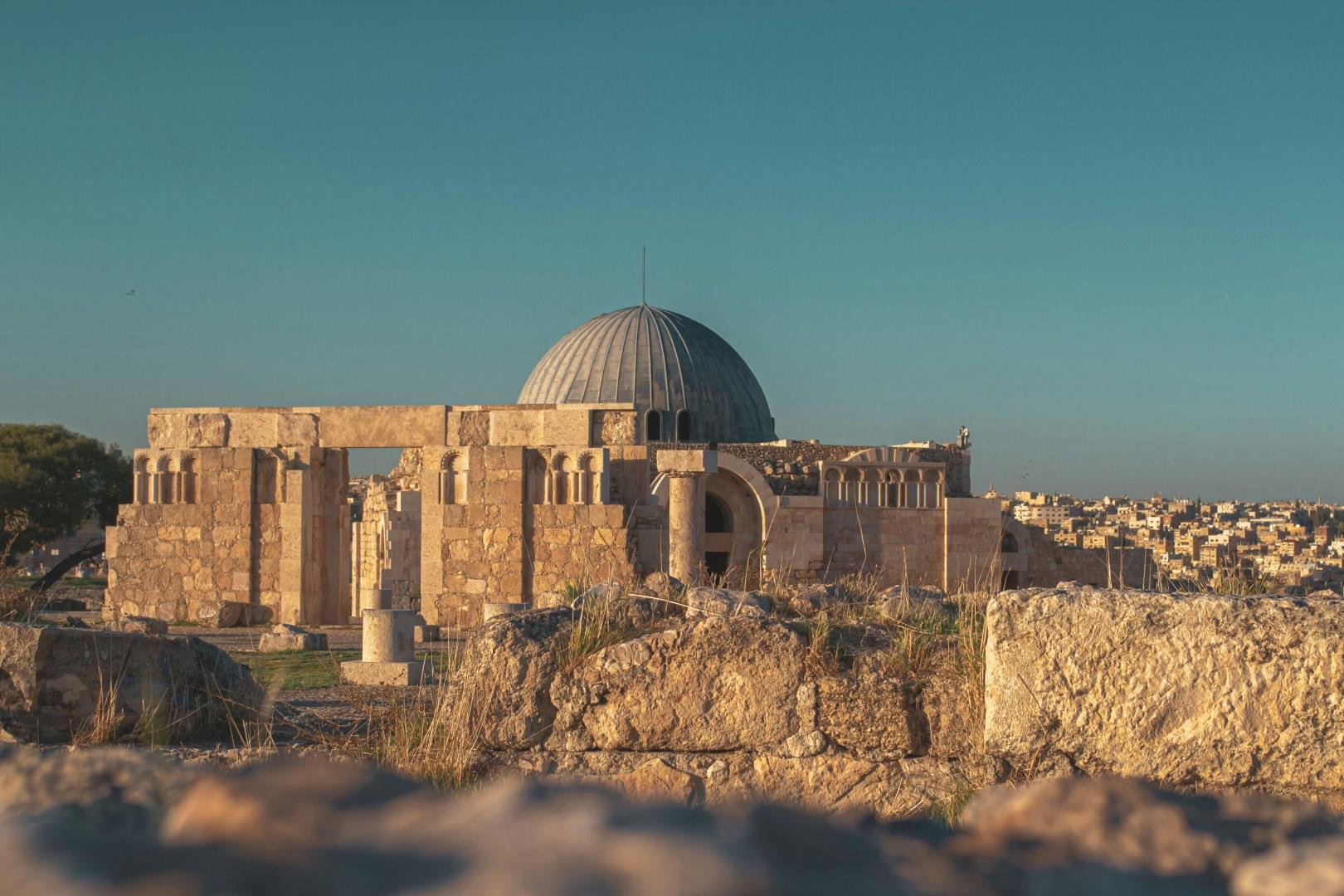
Krujë sits on a rocky hilltop above central Albania and has long been a symbol of the country’s history and independence. At Krujë Castle ancient stone walls rise above the town and offer striking views of the surrounding hills and valleys, and inside the fortress visitors find the Skanderbeg Museum, where armor, documents and displays recount the life and battles of Albania’s national hero.
Guinea, located on the west coast of Africa, offers a rich blend of landscapes, cultures, and traditions that remain largely untouched by mass tourism. Its Atlantic shoreline is dotted with fishing villages and sandy beaches, while inland, rolling highlands and dense rainforests give way to sweeping savannas.
Mysore, often called the “Cultural Capital of Karnataka,” is a city where centuries-old royal heritage meets living tradition. Located at the foothills of the Chamundi Hills, it is best known for its palaces, wide boulevards, and colorful festivals. Once the seat of the Wadiyar dynasty, Mysore still carries an unmistakable royal influence that can be seen in its architecture, markets, and cultural celebrations.
Klaipeda, Lithuania’s only port city, is a place where history, nature, and the sea come together. Located on the coast of the Baltic Sea, this charming city has a unique old town filled with cobblestone streets.
Imatra, Finland, is a hidden gem nestled near the Russian border, known for its stunning natural beauty and rich history. A key draw is the Imatrankoski Rapids, one of Finland's oldest tourist attractions dating back to the 18th century. These powerful rapids, located on the Vuoksi River, have captivated visitors for centuries, including Russian nobility like Catherine the Great.
Ishigaki, the vibrant hub of the Yaeyama Islands in Japan, is a tropical paradise renowned for its stunning natural beauty and unique cultural heritage. As the largest island in the Yaeyama group, Ishigaki is celebrated for its breathtaking beaches and crystal-clear waters, such as the pristine Kabira Bay, famous for its turquoise hues and coral reefs. This bay is ideal for snorkeling and glass-bottom boat tours, allowing visitors to explore the vibrant marine life without getting wet. Discover more about Kabira Bay on the Japan National Tourism Organization website.
The island's lush landscapes are equally captivating. The scenic Ishigaki Island Livestock Farm offers a taste of rural life with its free-range cattle and traditional Okinawan architecture. Visitors can enjoy a farm-to-table experience with locally produced beef and other regional delicacies
Cultural exploration in Ishigaki leads you to the Yonehara Palm Grove, a testament to the island's unique flora and traditional agricultural practices. This area is adorned with native palm trees and is perfect for leisurely walks amidst nature. For a deeper dive into the island’s culture, visit the Yaeyama Museum, which showcases the region's history and traditional crafts.
Fun Fact: Ishigaki is home to the famous Ishigaki beef, renowned for its exceptional quality and rich flavor. This local delicacy is a must-try for food enthusiasts visiting the island.