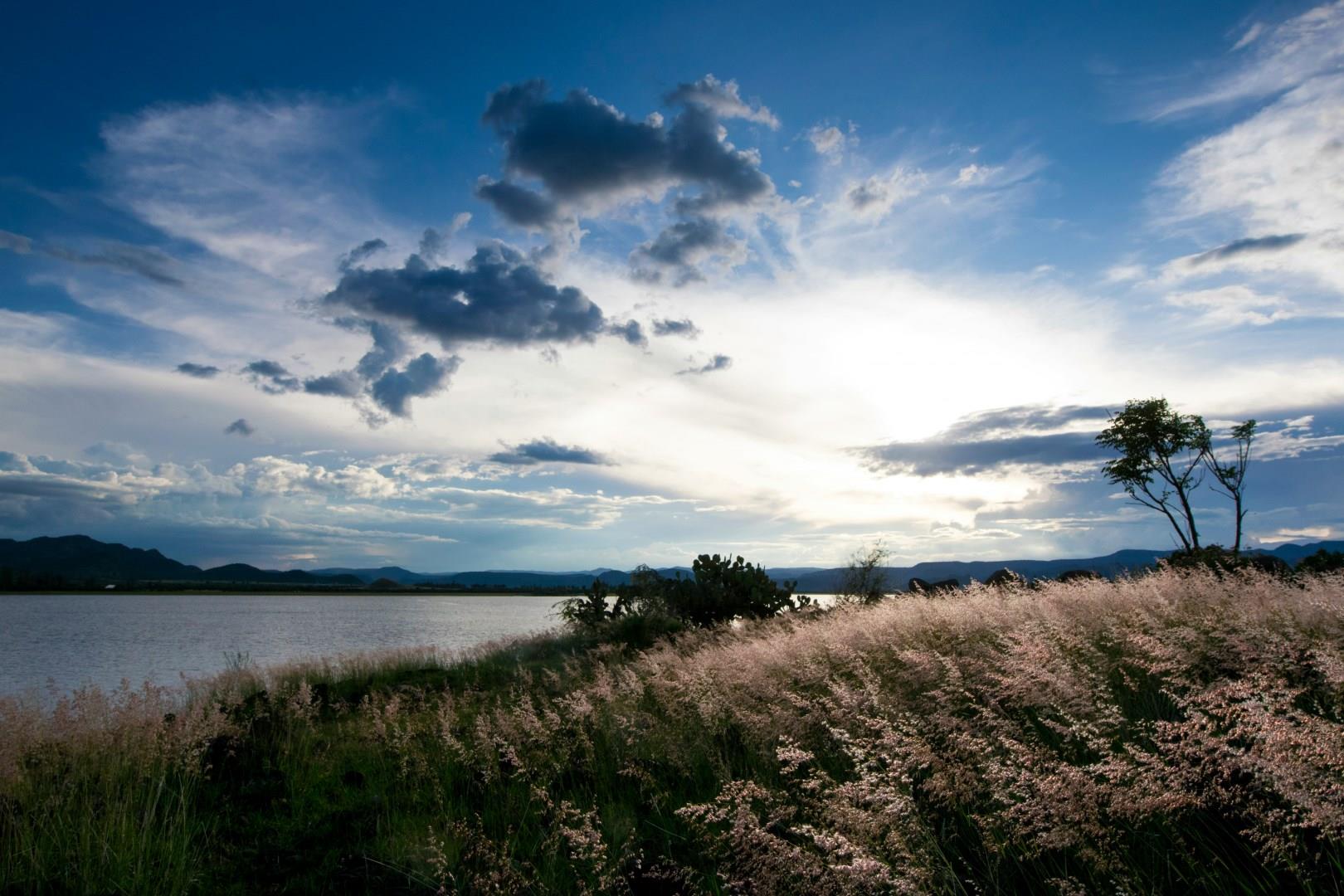
Durango, located in north-central Mexico, is a destination rich in history, dramatic landscapes, and cultural traditions that date back centuries. Once a key outpost during Spanish colonization, Durango played an important role in the development of northern Mexico. The city of Victoria de Durango, the state capital, features cobblestone streets and more than 1,000 officially registered historical structures.
Welcome to Christchurch, a picturesque city with English heritage. Here, the new mixes with the old in enchanting ways, with edgy modern architecture and old buildings sitting side by side
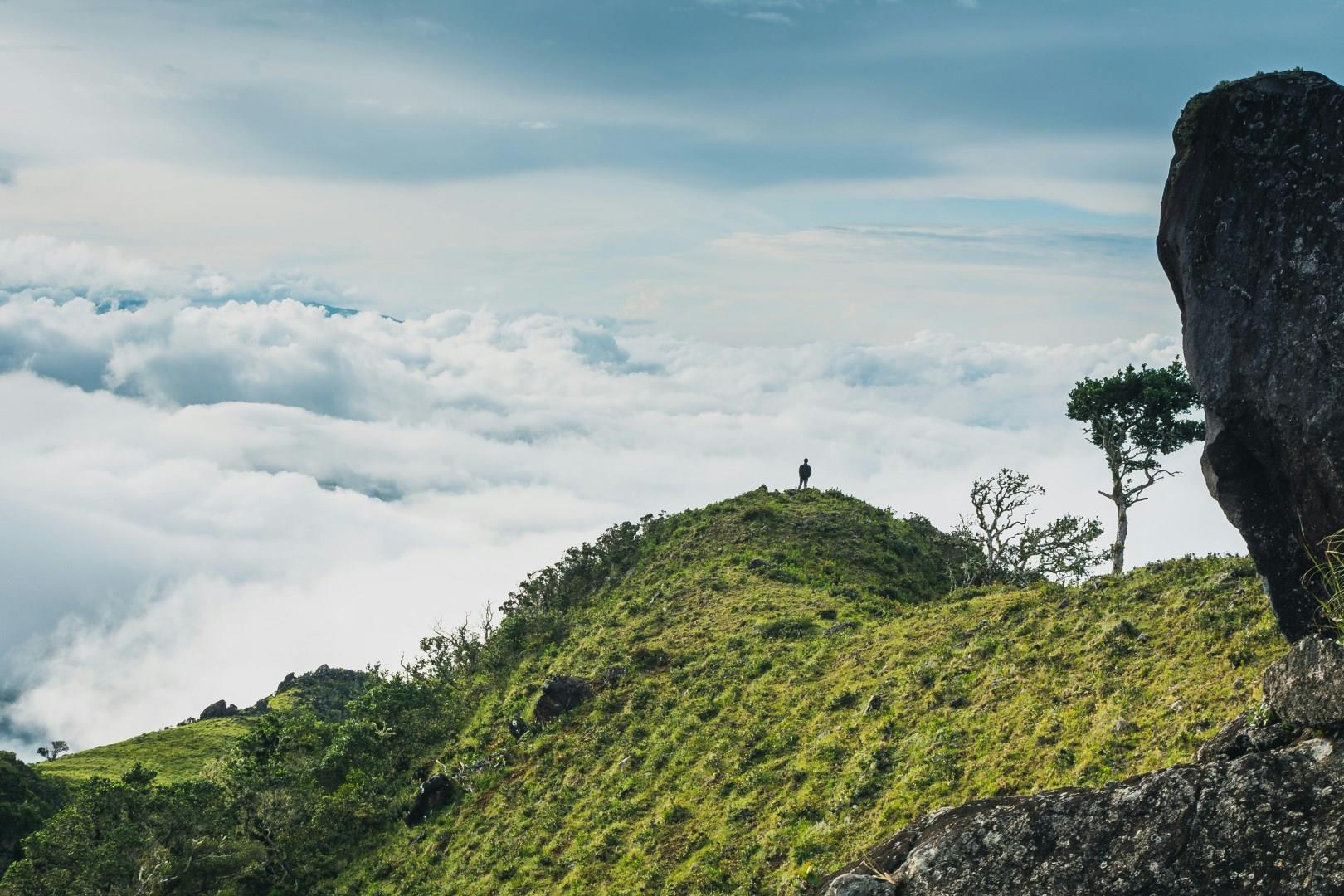
Boquete Valley, nestled in the highlands of Panama near the Baru Volcano, is a lush retreat known for its cool climate, verdant hills, and coffee plantations.
Reynosa, located along the northern border of Tamaulipas, is a city shaped by its position as a cultural and economic bridge between Mexico and the United States. Founded in 1749, Reynosa has grown into a vital manufacturing and trade center, but it also holds onto traditions that reflect both its regional roots and binational influences. The Plaza Principal is a popular gathering spot, often hosting live music and seasonal festivals.
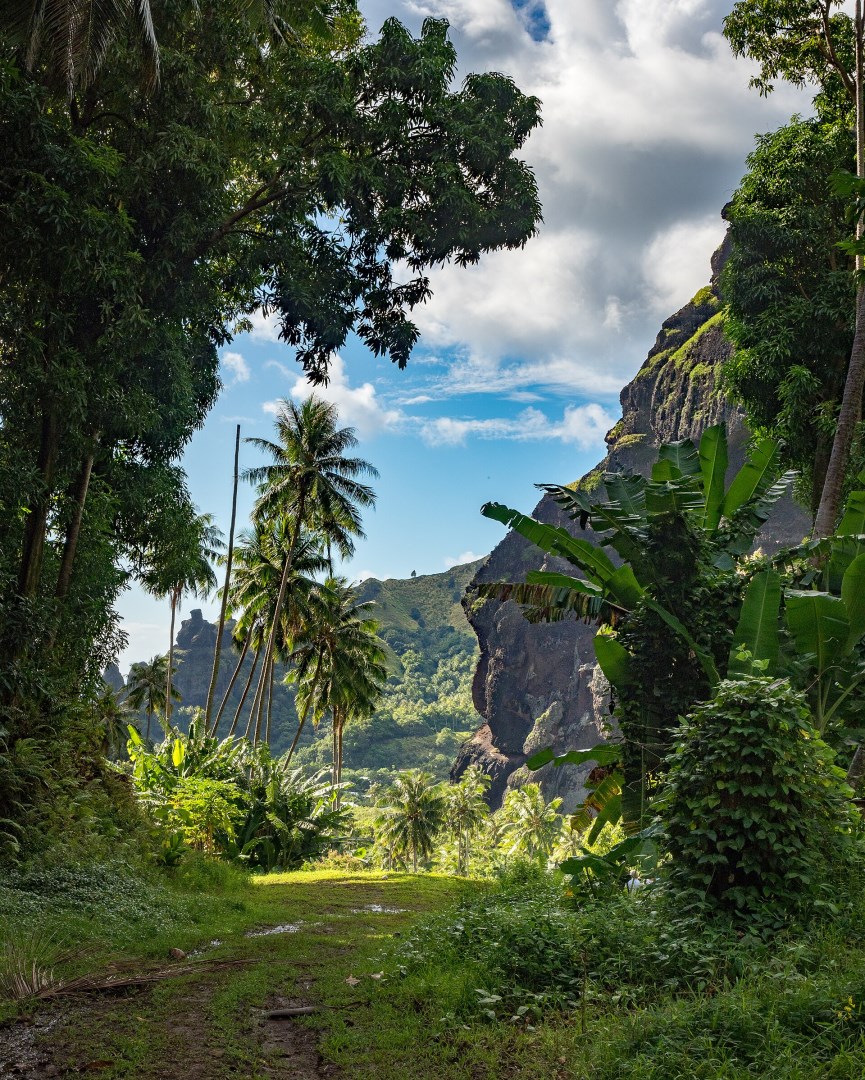
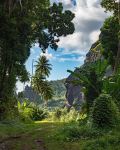
Fatu Hiva, the southernmost of the Marquesas Islands, is a destination that feels like stepping back in time to a world untouched by modernity. This remote island is known for its breathtaking landscapes, where lush, verdant mountains rise dramatically from the deep blue sea. The iconic Bay of Virgins (Baie des Vierges) is one of the most stunning anchorages in the world, with towering rock spires that give the bay its ethereal beauty. Visitors to Fatu Hiva can explore this awe-inspiring bay by boat or on foot, discovering hidden waterfalls and secluded beaches along the way.
The island’s small village of Omoa offers a glimpse into traditional Marquesan life, with its charming thatched-roof houses and warm, welcoming locals. Artisans in Omoa are skilled in crafting tapa, a traditional cloth made from the bark of mulberry trees, often adorned with intricate designs that reflect the island's rich cultural heritage. Travelers can visit local workshops to observe the making of these unique pieces and perhaps take home a one-of-a-kind souvenir.
Adventure enthusiasts will be captivated by the hiking opportunities on Fatu Hiva. The island’s rugged terrain is crisscrossed with trails that lead to panoramic viewpoints, dense forests, and ancient archaeological sites. One of the most popular hikes is the trail from Omoa to Hanavave, which passes through lush valleys, towering cliffs, and offers spectacular views of the island’s coastline. This hike is not only a physical challenge but also a journey through the island’s past, as many trails were once used by the Marquesans for trade and communication.
Fun fact: Fatu Hiva is famous for being the starting point of Thor Heyerdahl's 1937 expedition that led to his bestselling book "Fatu-Hiva: Back to Nature". Heyerdahl and his wife attempted to live off the land in this remote paradise, drawing global attention to the island's pristine beauty and unique way of life.