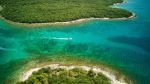
Gijón sits on Spain’s northern coast in Asturias, shaped by its long relationship with the Cantabrian Sea. From its origins as a Roman settlement to its later growth as an industrial and port city, Gijón has balanced maritime work with civic life.
Bodø, located just north of the Arctic Circle, is a coastal city where dramatic landscapes meet a surprising blend of modern culture and outdoor access. As the largest town in the Nordland region of Norway, Bodø has become a key stop along the Norwegian Scenic Route and a gateway to the Lofoten Islands. Located just a short drive away, the Saltstraumen maelstrom, which is one of the world’s strongest tidal currents, visitors can watch whirlpools form in the sea with astonishing power.
Fujairah stands apart among the emirates as the only one on the UAE’s eastern shore, where waves roll in from the Gulf of Oman and the Hajar Mountains rise sharply behind the city. Life here moves between sea and mountain, where coastal breeze meets rugged terrain, and echoes of ancient trade routes still shape the rhythm of settlements.
Located in the south of Tanzania, the Selous Game Reserve is one of the largest. Thanks to the undisturbed wilderness and diverse wildlife, it was named a UNESCO World Heritage site in 1982.
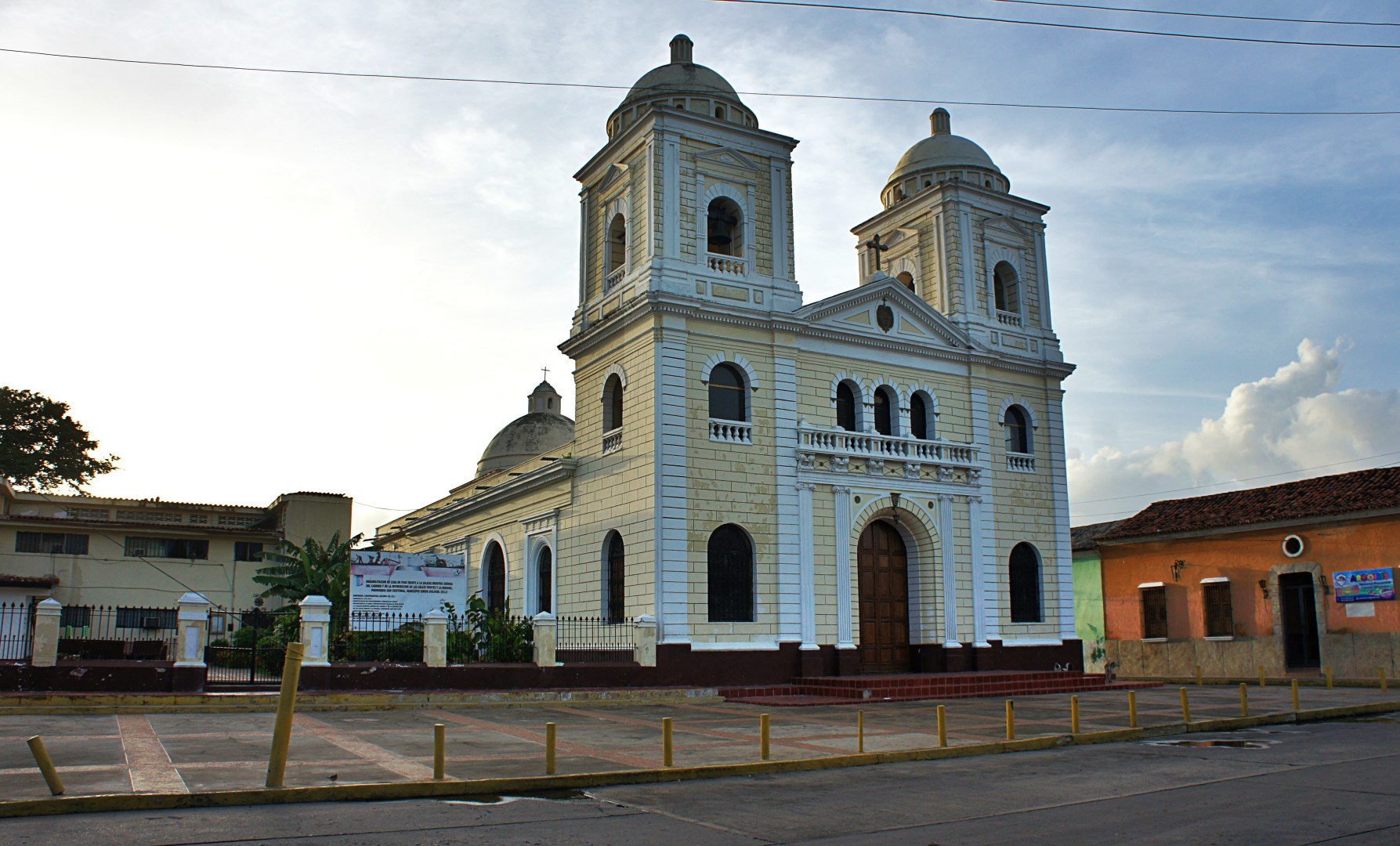
Located in the Burgundy Region of France, Beaune has the most prestigious vineyards in the country. This is the place to be if the words "grand cru" make your mouth water. Add to this the great gastronomique specialties of the region, gothic cathedrals, medieval villages and golden landscapes and you have many great reasons to get to know this province.
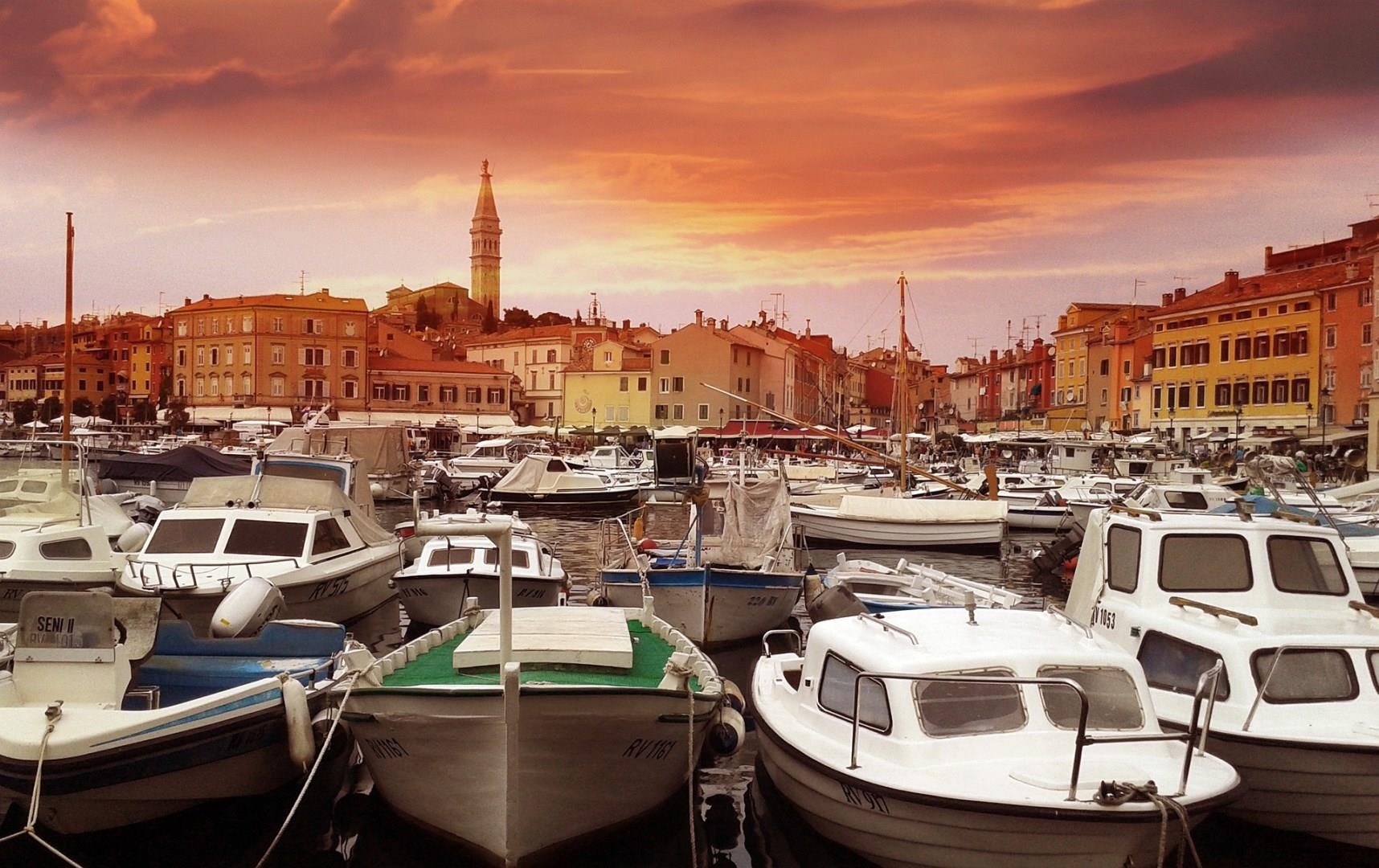
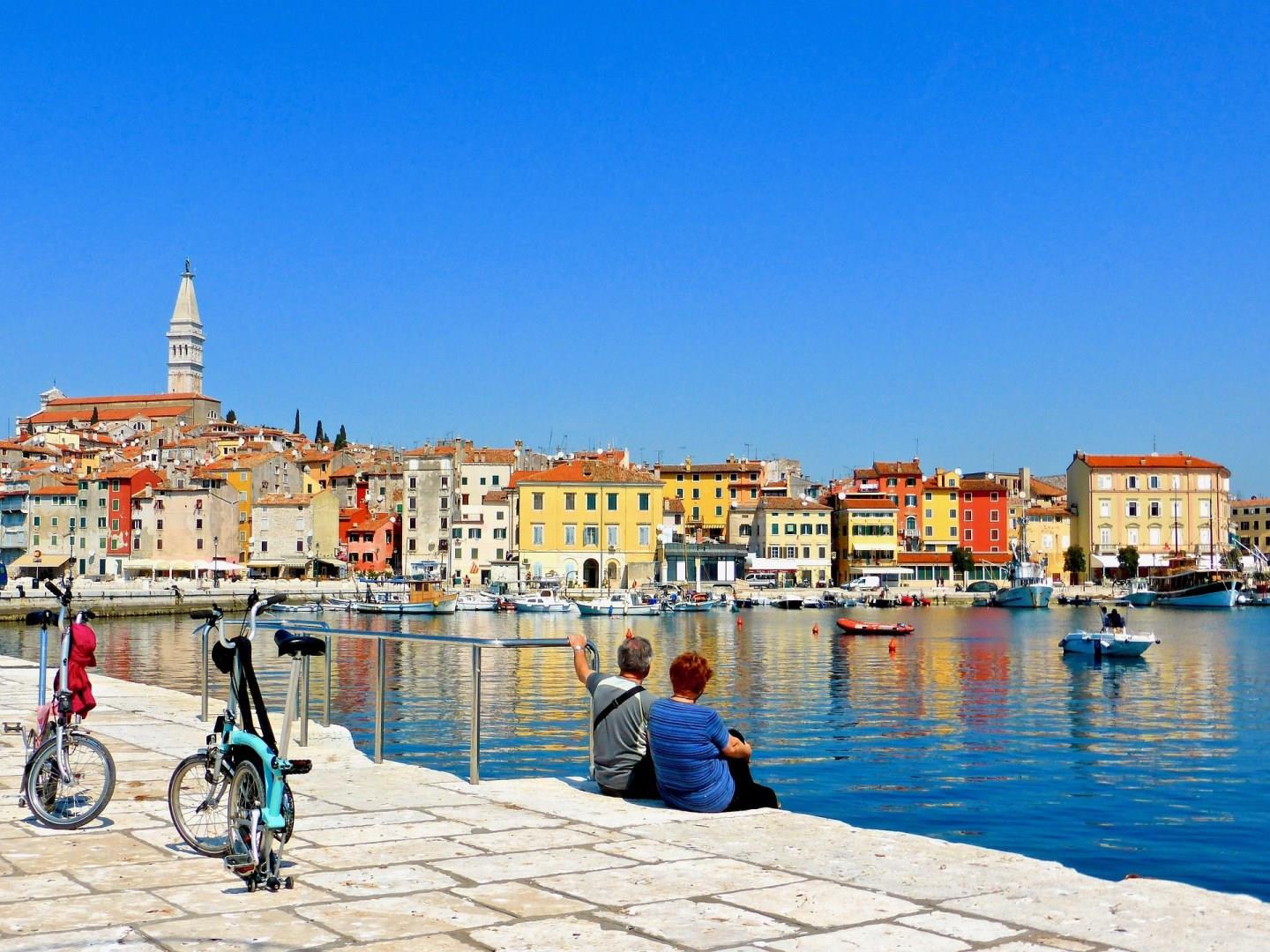
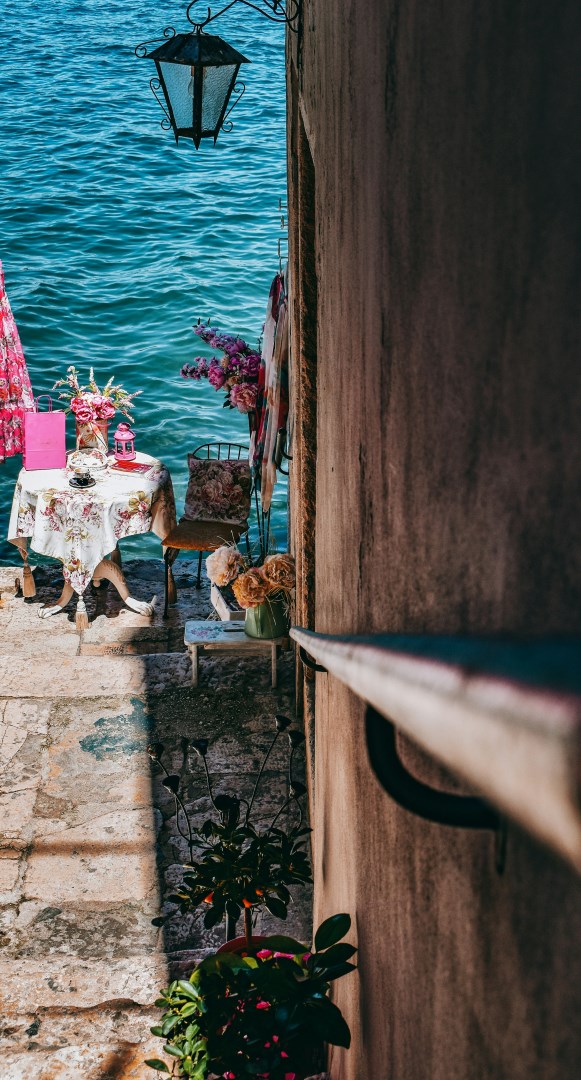
Rovinj, a picturesque city on Croatia’s Istrian Peninsula, invites travelers to immerse themselves in its enchanting blend of history and natural beauty. The city's charming Old Town, with its narrow, cobblestone streets and colorful facades, is a delight to explore. The heart of this historic area is the Church of St. Euphemia, a Baroque masterpiece that offers panoramic views of the Adriatic Sea from its bell tower. The church's iconic presence and the surrounding labyrinth of streets provide a glimpse into Rovinj's rich cultural and architectural heritage.
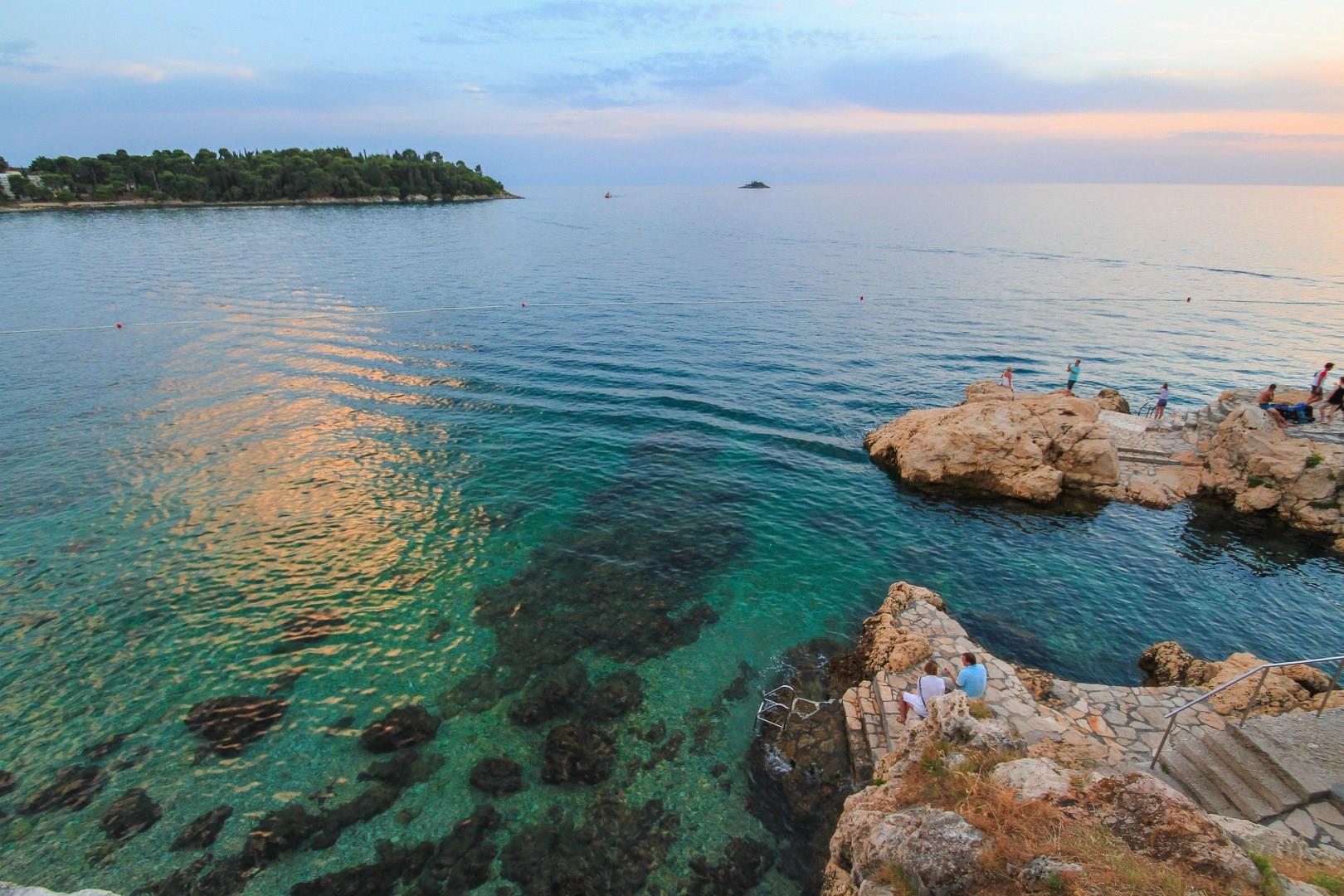
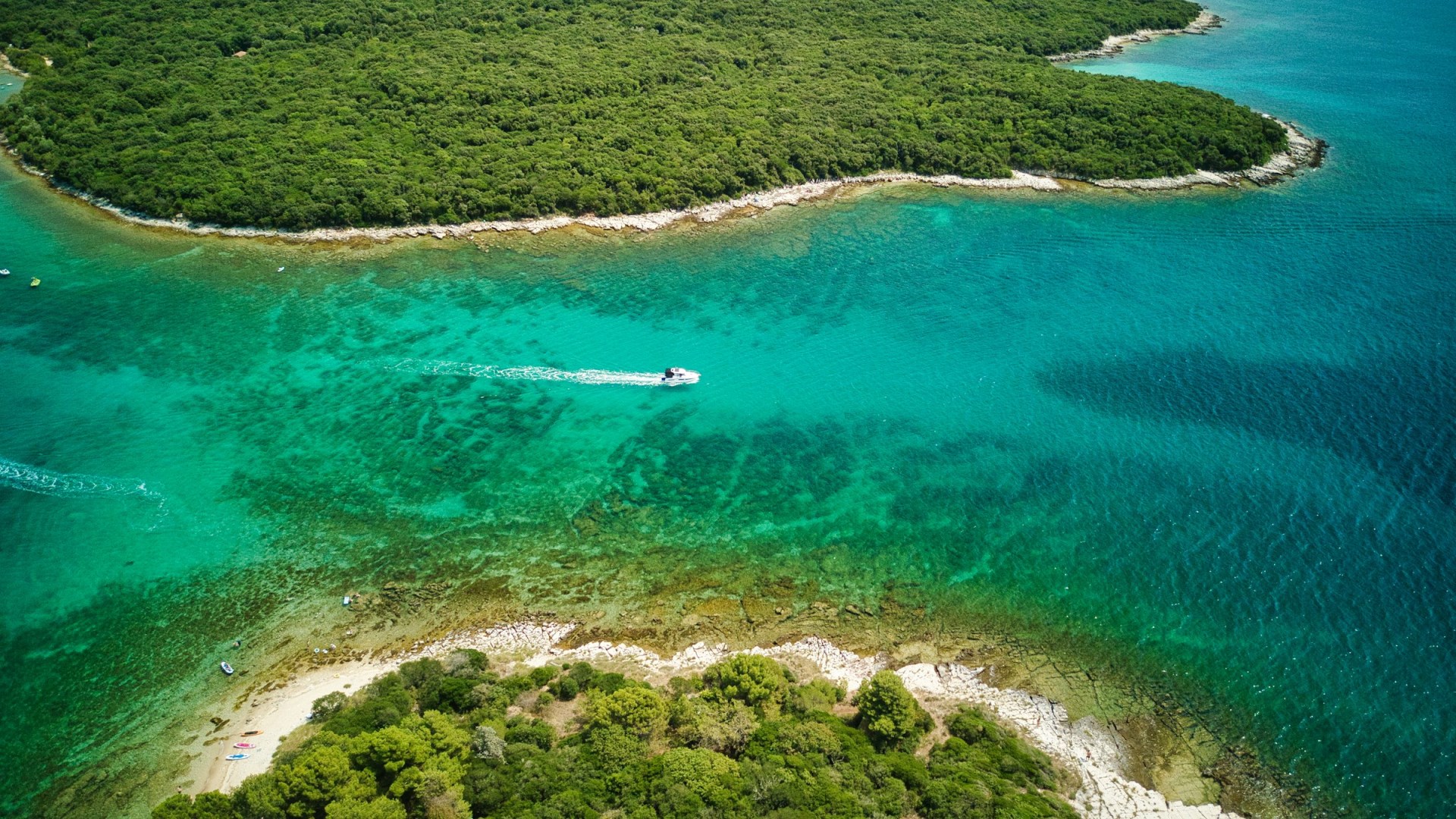
Rovinj’s coastal beauty is equally captivating. The city is nestled between the azure waters of the Adriatic and lush, forested hills. A leisurely stroll along the waterfront promenade or a boat trip to the nearby Brijuni Islands—a national park with stunning landscapes and archaeological sites—offers an unforgettable experience. The crystal-clear waters are perfect for swimming, snorkeling, and exploring hidden coves.
For those who relish local flavors, Rovinj’s vibrant market, held in the heart of the Old Town, showcases the region's culinary delights. Sample fresh seafood, local olive oils, and wines from the Istrian region at charming outdoor cafes. The city’s gastronomic scene reflects its rich heritage and connection to the sea, making dining a memorable part of the Rovinj experience.
A fun fact about Rovinj: This city was once an island until it was connected to the mainland in the 18th century. Today, its unique island heritage adds to the charm of its historic streets and coastal beauty. To fully enjoy Rovinj, consider visiting in the spring or early autumn when the weather is pleasantly mild and the tourist crowds are smaller.