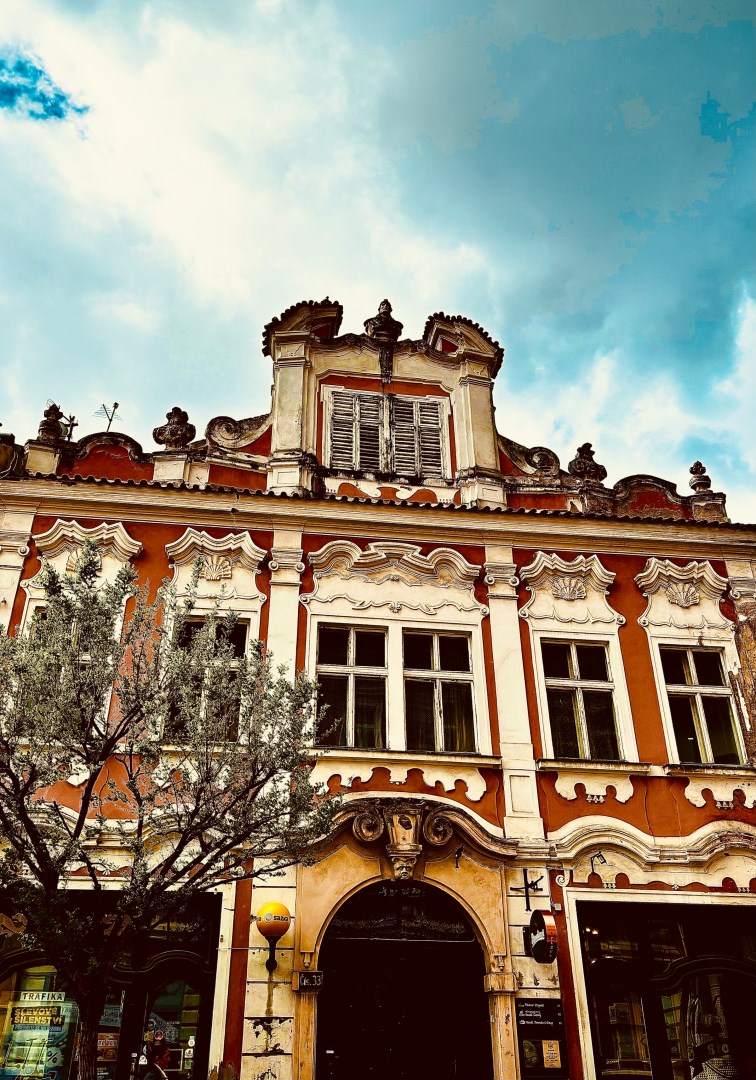
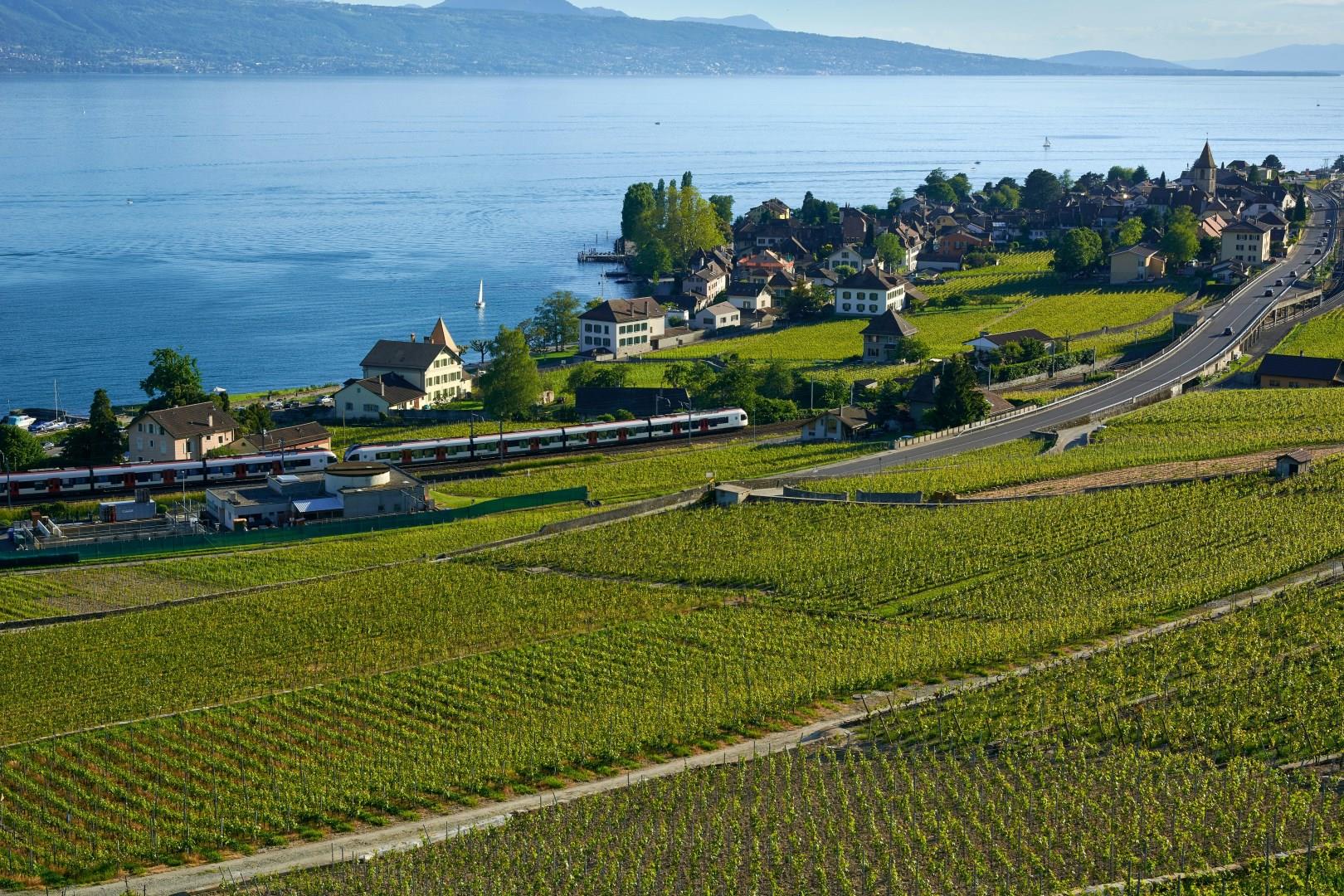
Davos, located in the Swiss canton of Graubünden, is the highest town in Europe at 1,560 meters above sea level and known for its alpine sports and outdoor activities. In winter, it offers over 300 kilometers of ski slopes shared with neighboring Klosters, along with cross-country trails and Europe’s largest natural ice rink. In summer, the same mountains transform into hiking and mountain biking routes, including the panoramic Jakobshorn and Parsenn areas.
Its legacy as the former imperial capital of Vietnam is just one of many reasons to visit Hue. For more than a century, the emperors of the Nguyen dynasty (1802-1945) ruled from the Forbidden Purple City, the innermost enclosure of the citadel. Today, this complex is designated as a UNESCO World Heritage site and draws millions of visitors each year.
New Caledonia is an archipelago located in the south western part of the Pacific Ocean, and belongs to what is known as Melanesia. The mainland known as the "Grande Terre" is the principal island of New Caledonia and covers an area of 400 kms north to south and 50 kms west to east, with a total surface of 19 000 square meters. It is the third largest island in the South Pacific after New Guinea and New Zealand.
Ponte de Lima sits along the Lima River in northern Portugal and is often regarded as the country’s oldest town. Its identity centers on the medieval bridge that spans the river, parts of which date back to Roman times and still structure how the town is experienced today.
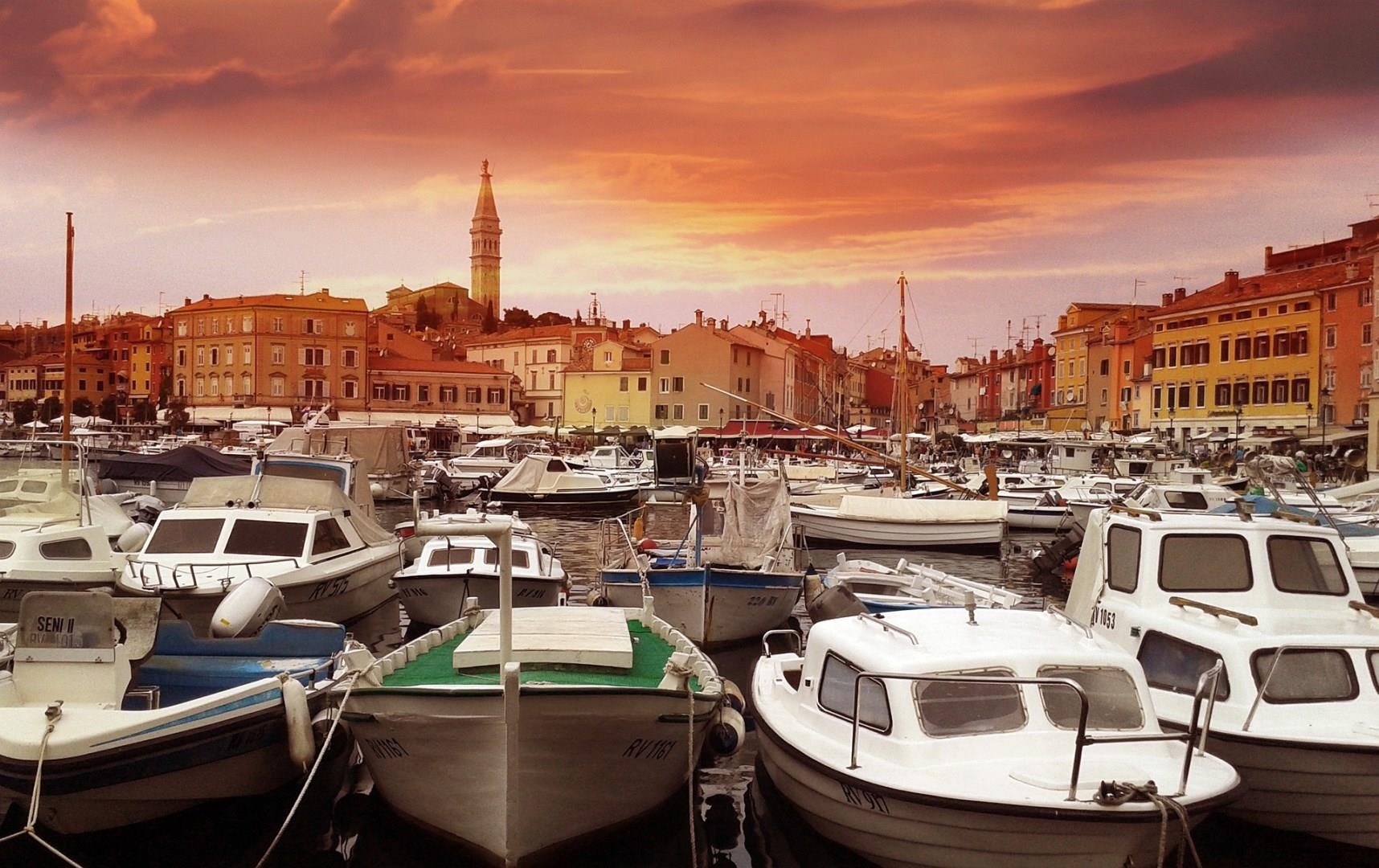
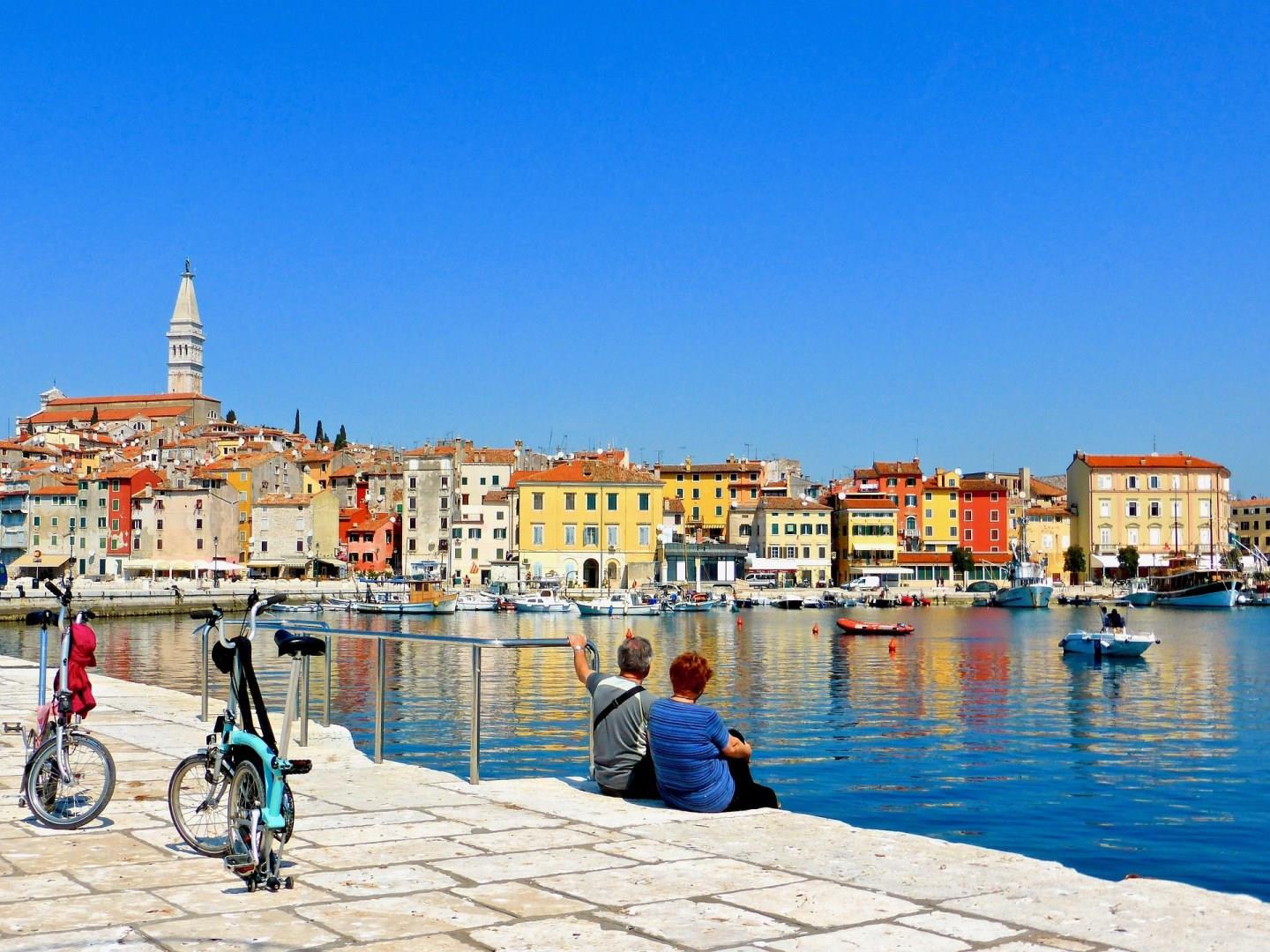
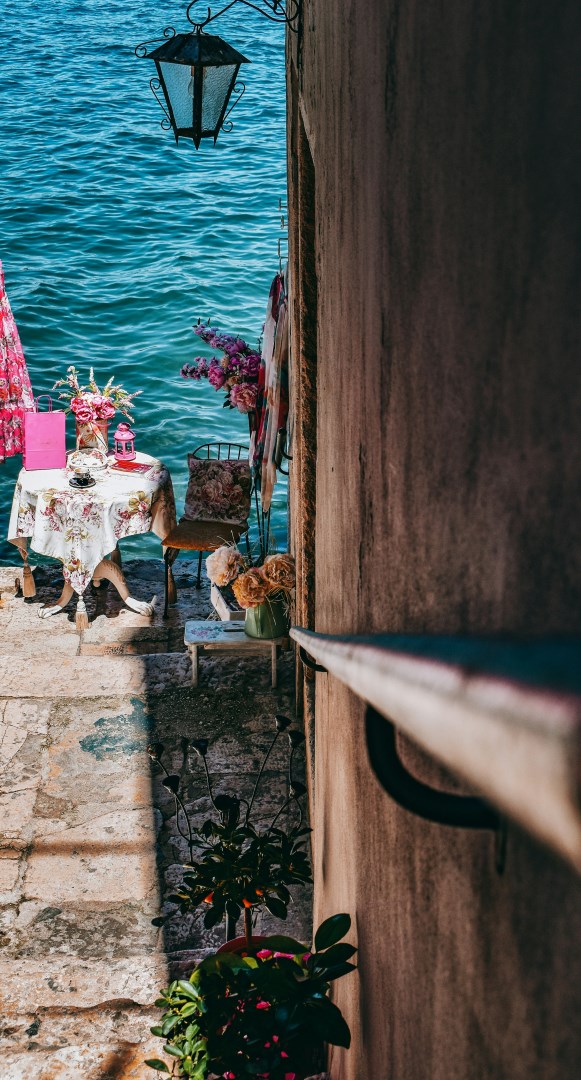
Rovinj, a picturesque city on Croatia’s Istrian Peninsula, invites travelers to immerse themselves in its enchanting blend of history and natural beauty. The city's charming Old Town, with its narrow, cobblestone streets and colorful facades, is a delight to explore. The heart of this historic area is the Church of St. Euphemia, a Baroque masterpiece that offers panoramic views of the Adriatic Sea from its bell tower. The church's iconic presence and the surrounding labyrinth of streets provide a glimpse into Rovinj's rich cultural and architectural heritage.
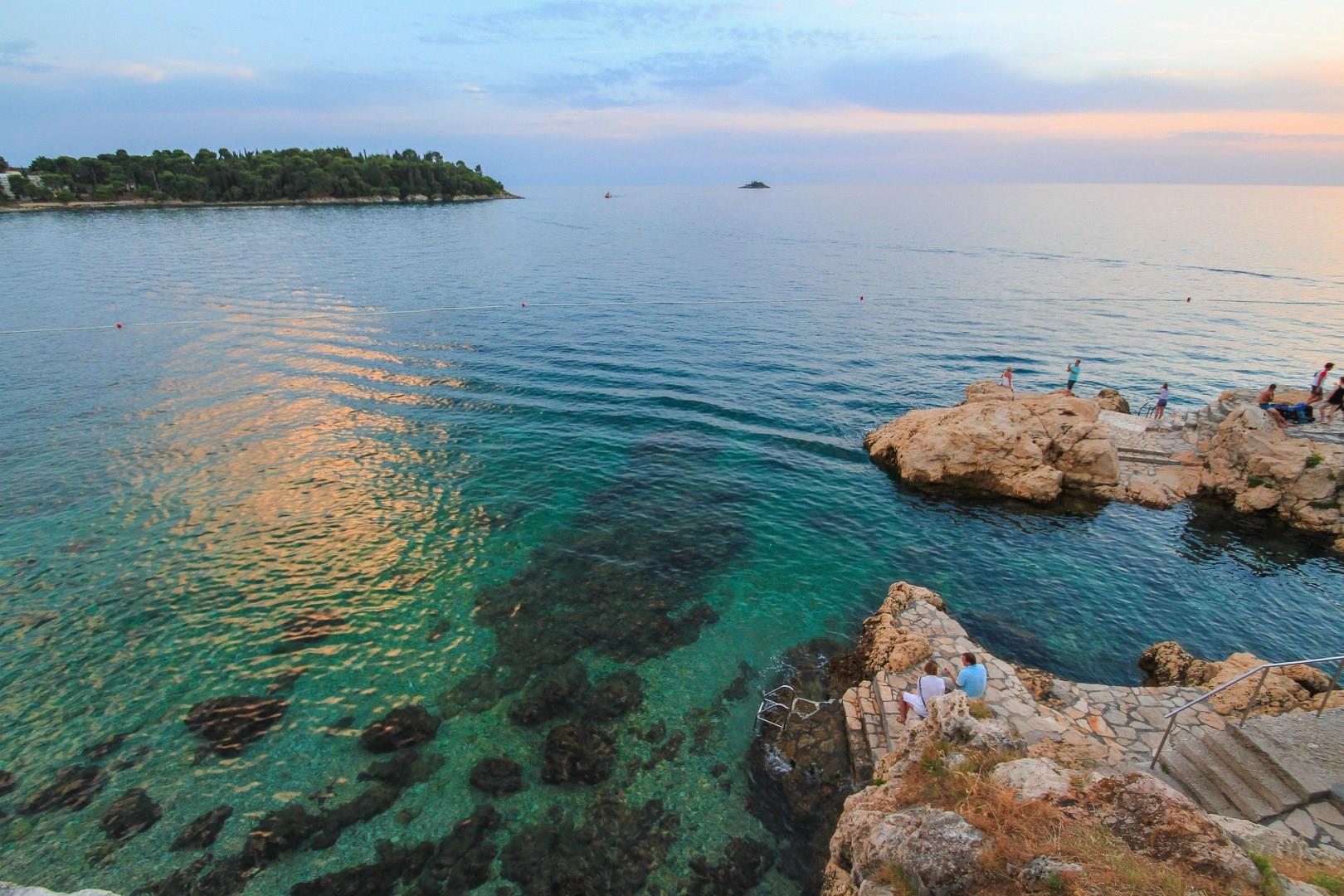
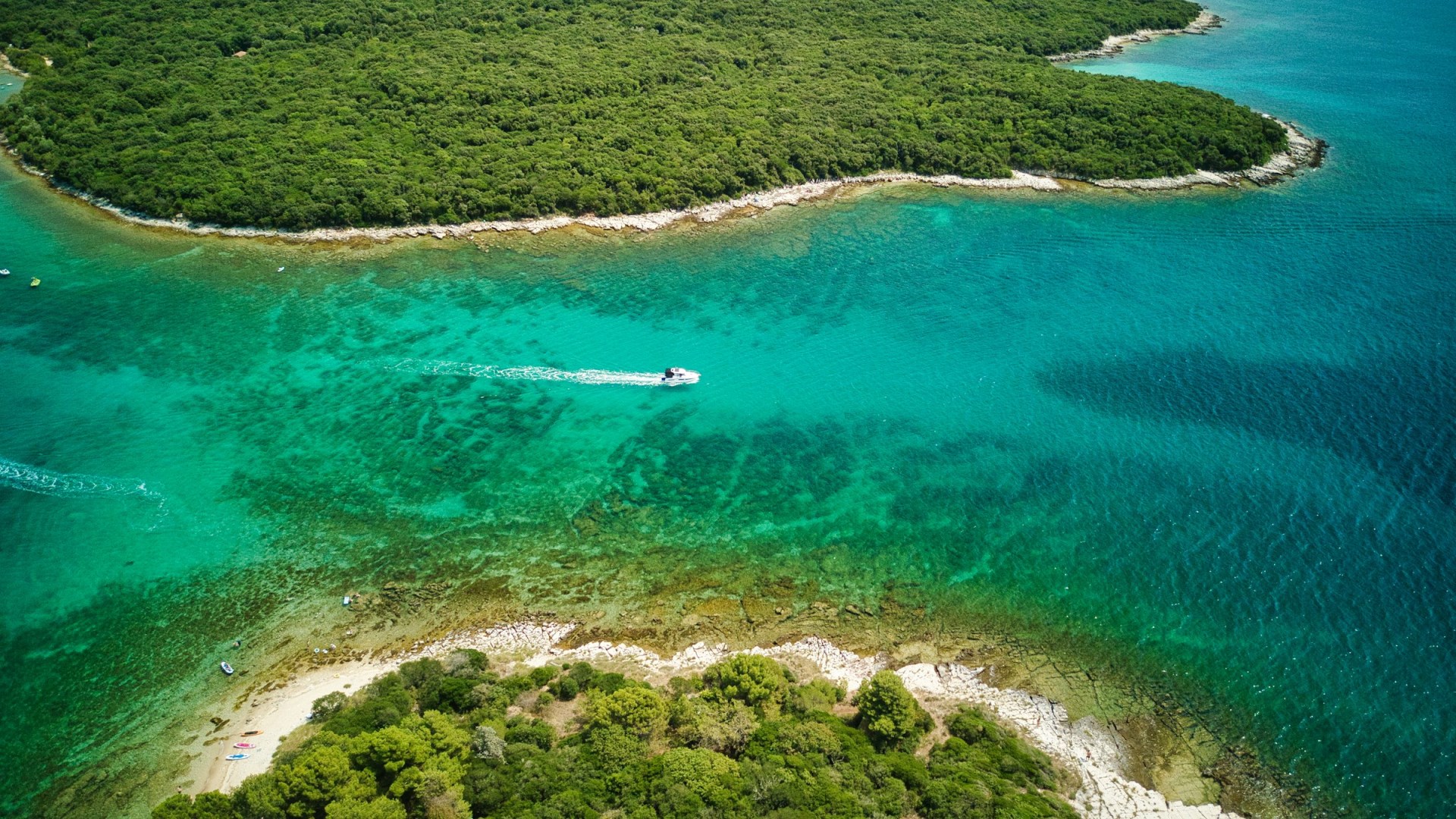
Rovinj’s coastal beauty is equally captivating. The city is nestled between the azure waters of the Adriatic and lush, forested hills. A leisurely stroll along the waterfront promenade or a boat trip to the nearby Brijuni Islands—a national park with stunning landscapes and archaeological sites—offers an unforgettable experience. The crystal-clear waters are perfect for swimming, snorkeling, and exploring hidden coves.
For those who relish local flavors, Rovinj’s vibrant market, held in the heart of the Old Town, showcases the region's culinary delights. Sample fresh seafood, local olive oils, and wines from the Istrian region at charming outdoor cafes. The city’s gastronomic scene reflects its rich heritage and connection to the sea, making dining a memorable part of the Rovinj experience.
A fun fact about Rovinj: This city was once an island until it was connected to the mainland in the 18th century. Today, its unique island heritage adds to the charm of its historic streets and coastal beauty. To fully enjoy Rovinj, consider visiting in the spring or early autumn when the weather is pleasantly mild and the tourist crowds are smaller.