La Trinité
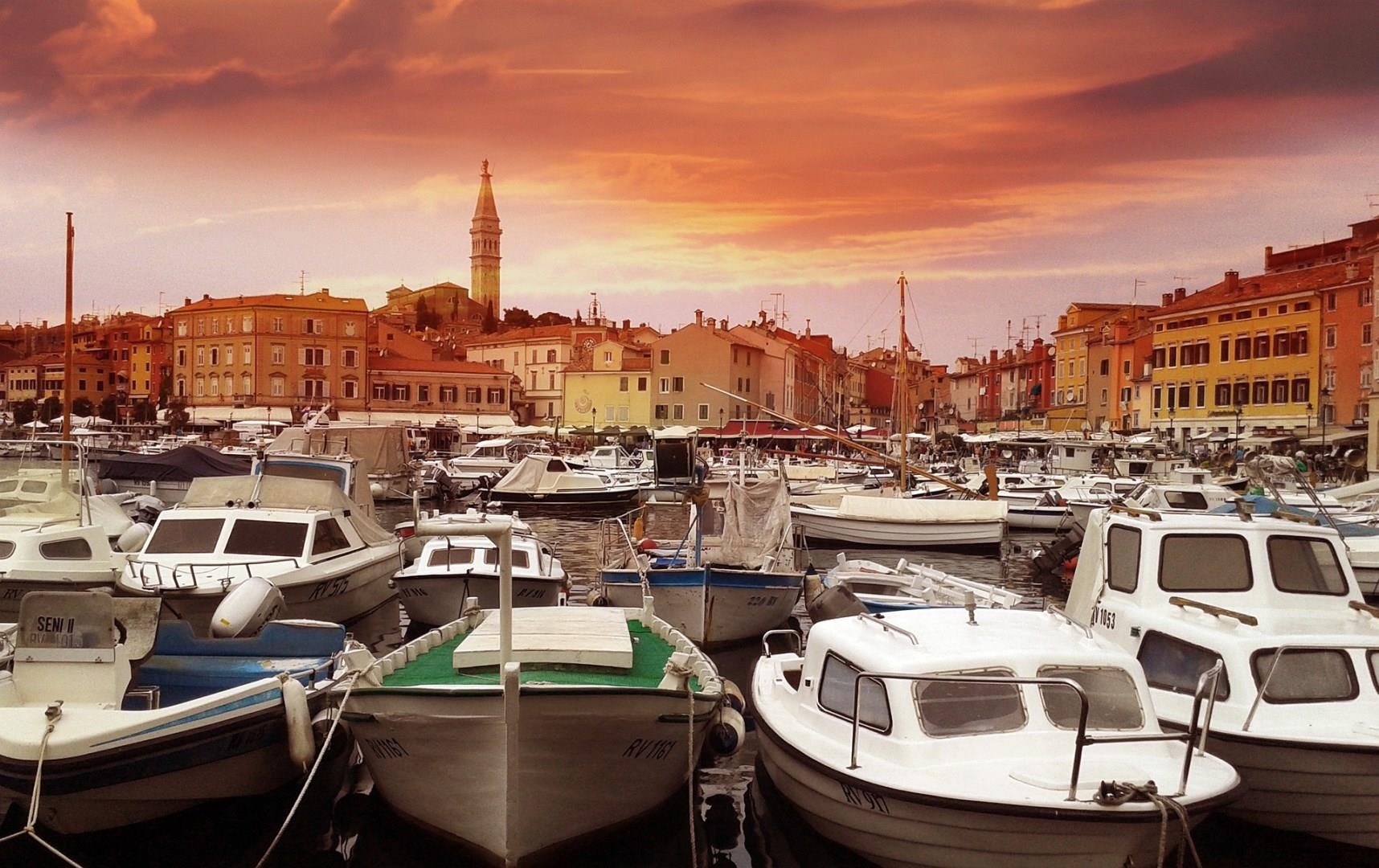
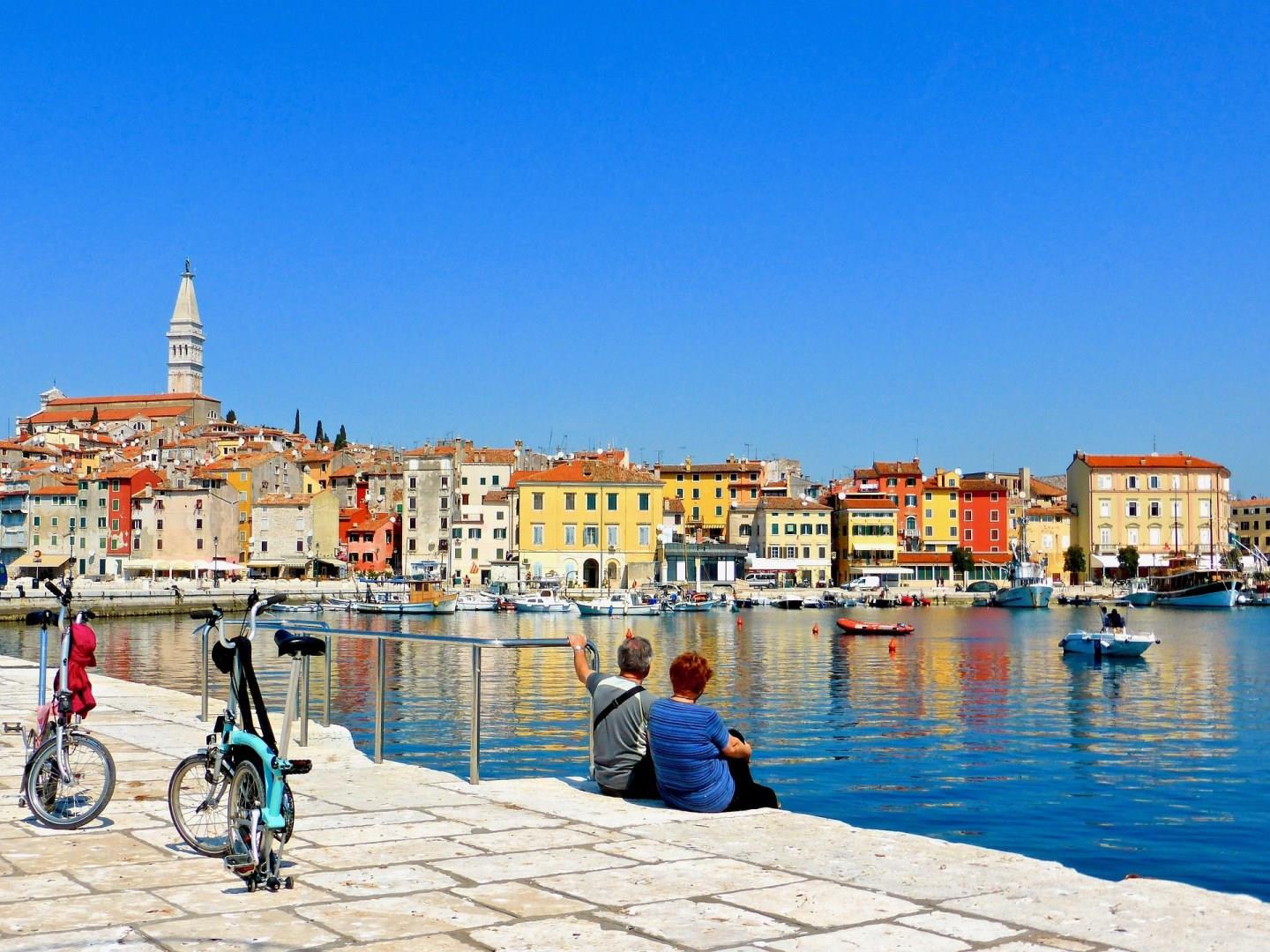
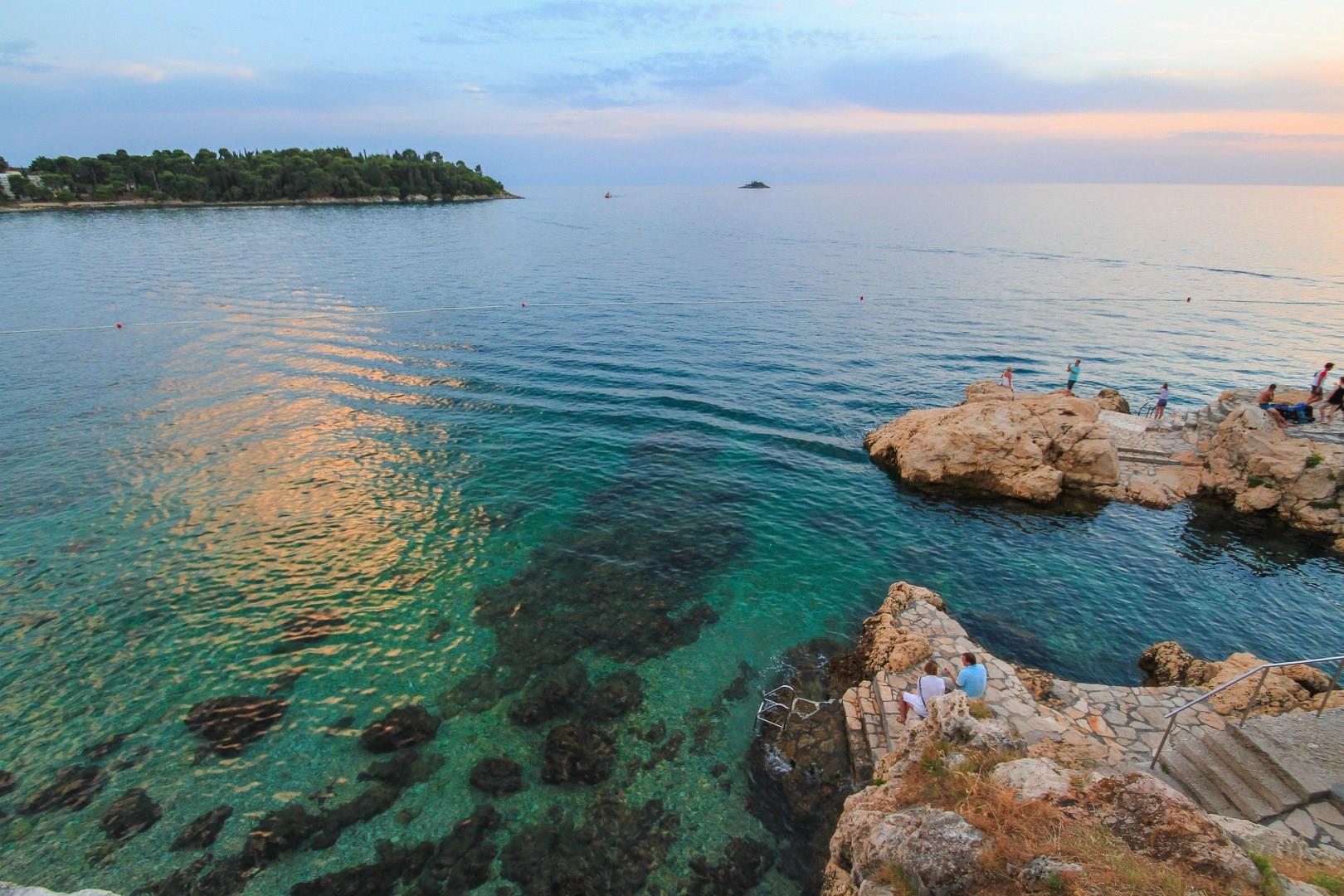
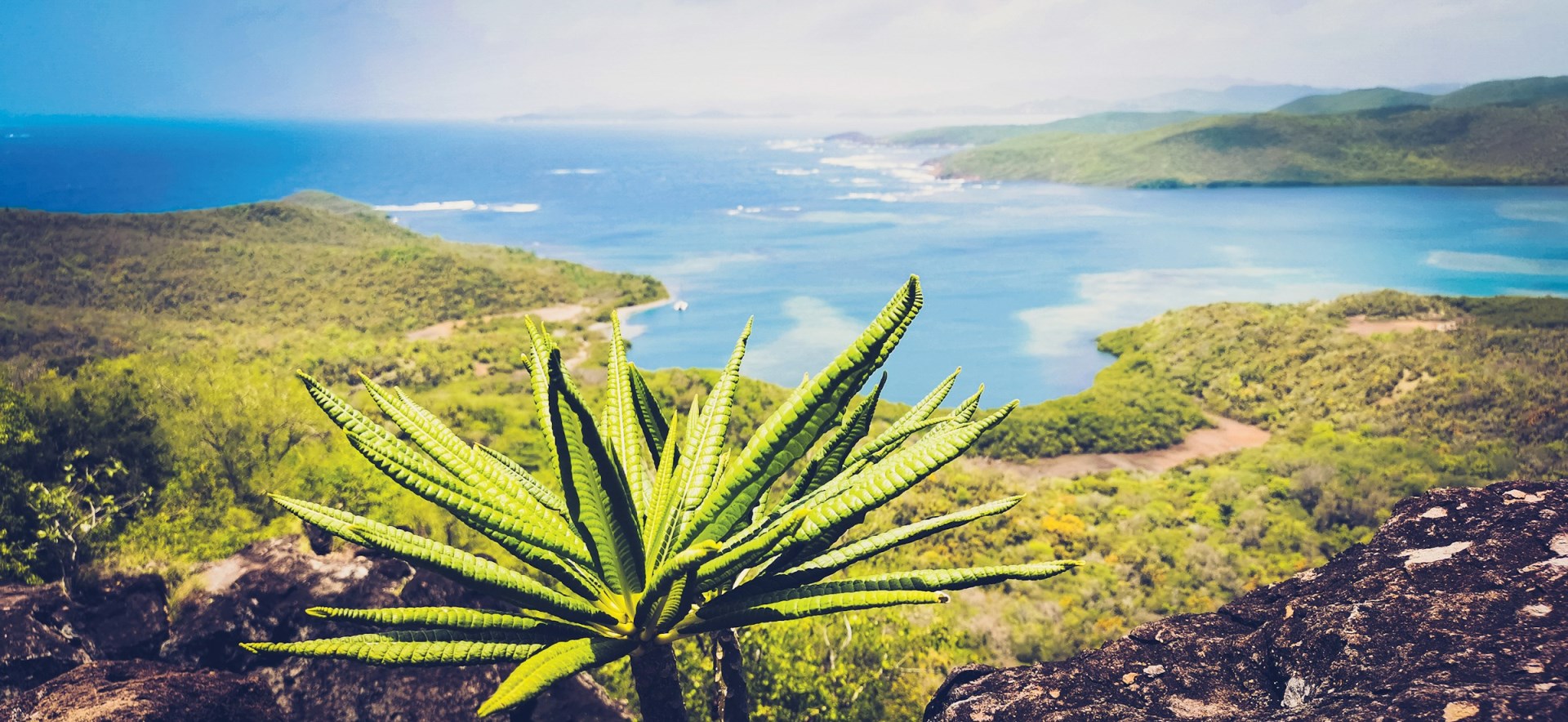
La Trinité is a coastal town on Martinique’s northeastern side, facing the Atlantic Ocean and the large bay of the Baie du Trésor. It serves as the main town of the La Trinité arrondissement and is surrounded by a landscape of sugar-cane fields, tropical vegetation, hills, and coastal wetlands. The town itself has a working harbour and a waterfront shaped by fishing and maritime activity.

Arctic Ocean
The Arctic Ocean, the world's smallest and shallowest ocean, offers a breathtaking and unique adventure for those seeking the grandeur of the polar regions. This icy expanse, bordered by Europe, Asia, and North America, is renowned for its stunning natural beauty and pristine landscapes.
Sharm El Sheikh
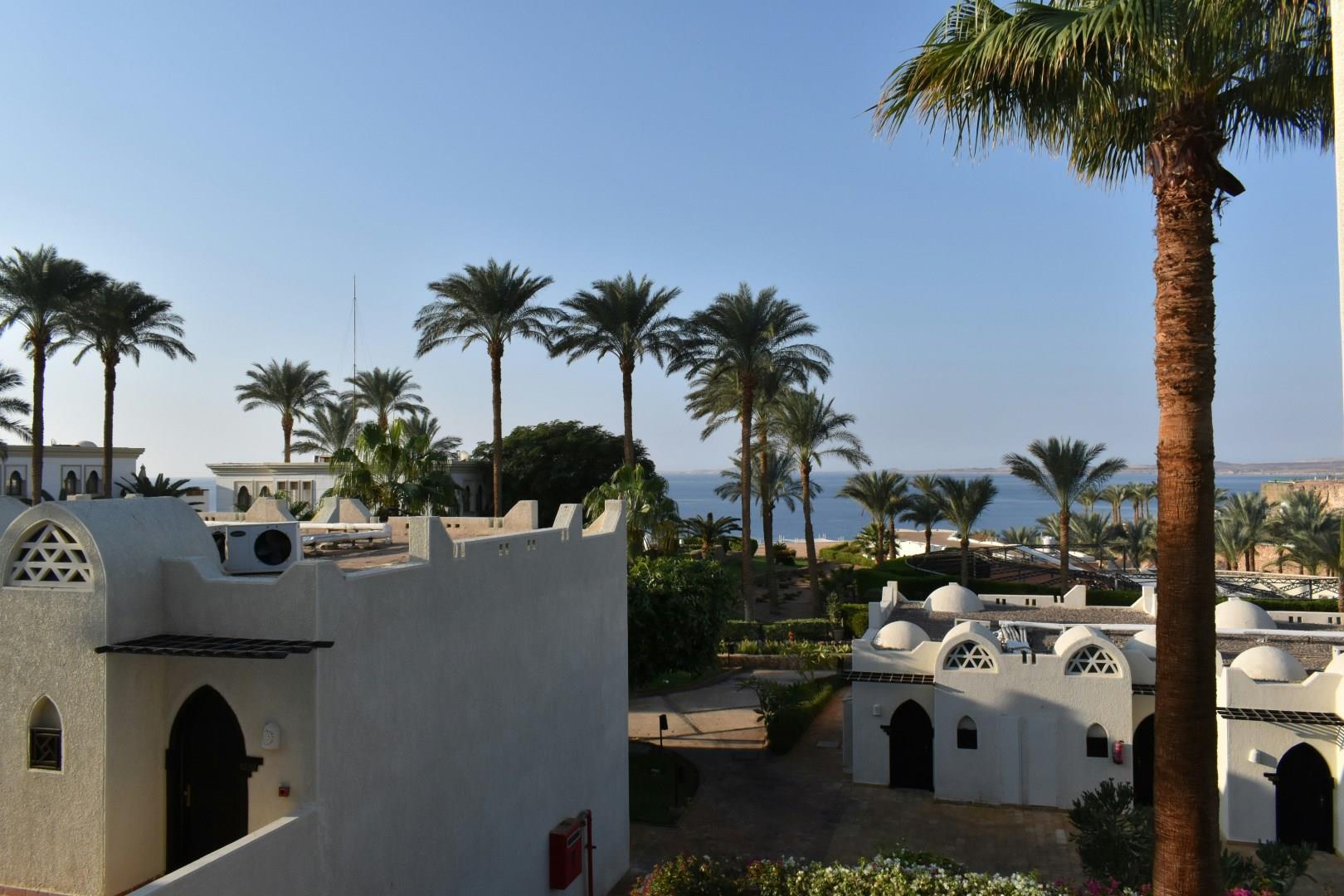
Sharm El Sheikh sits on the southern tip of Egypt’s Sinai Peninsula, where the sparkling Red Sea meets desert ridges and wide skies. From its beginnings as a small fishing village it has grown into one of the world’s most recognized seaside destinations, drawing travelers to explore coral reefs, seaside promenades, and desert landscapes all within easy reach.

Borgarfjörður
Borgarfjörður, nestled in the heart of West Iceland, offers a captivating blend of natural beauty and cultural heritage. The fjord, surrounded by dramatic mountains and lush green landscapes, provides a picturesque setting for outdoor enthusiasts and nature lovers. One of the highlights of the area is the magnificent Hraunfossar waterfalls, where crystal-clear water cascades over lava fields into the Hvítá River, creating a breathtaking spectacle.
Whangarei
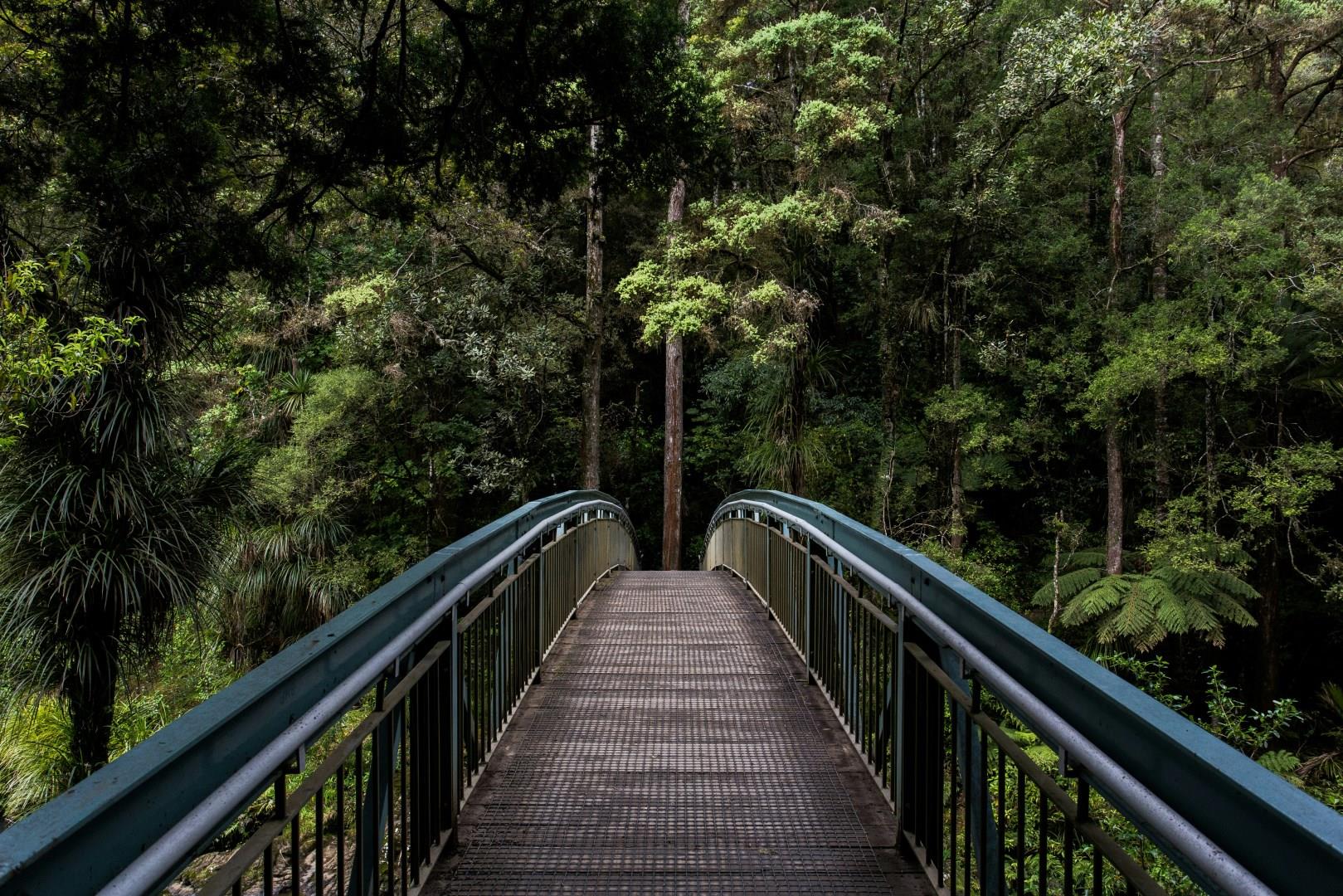
Whangarei sits at the head of a sheltered harbour in Northland, shaped by Māori settlement and later maritime trade.