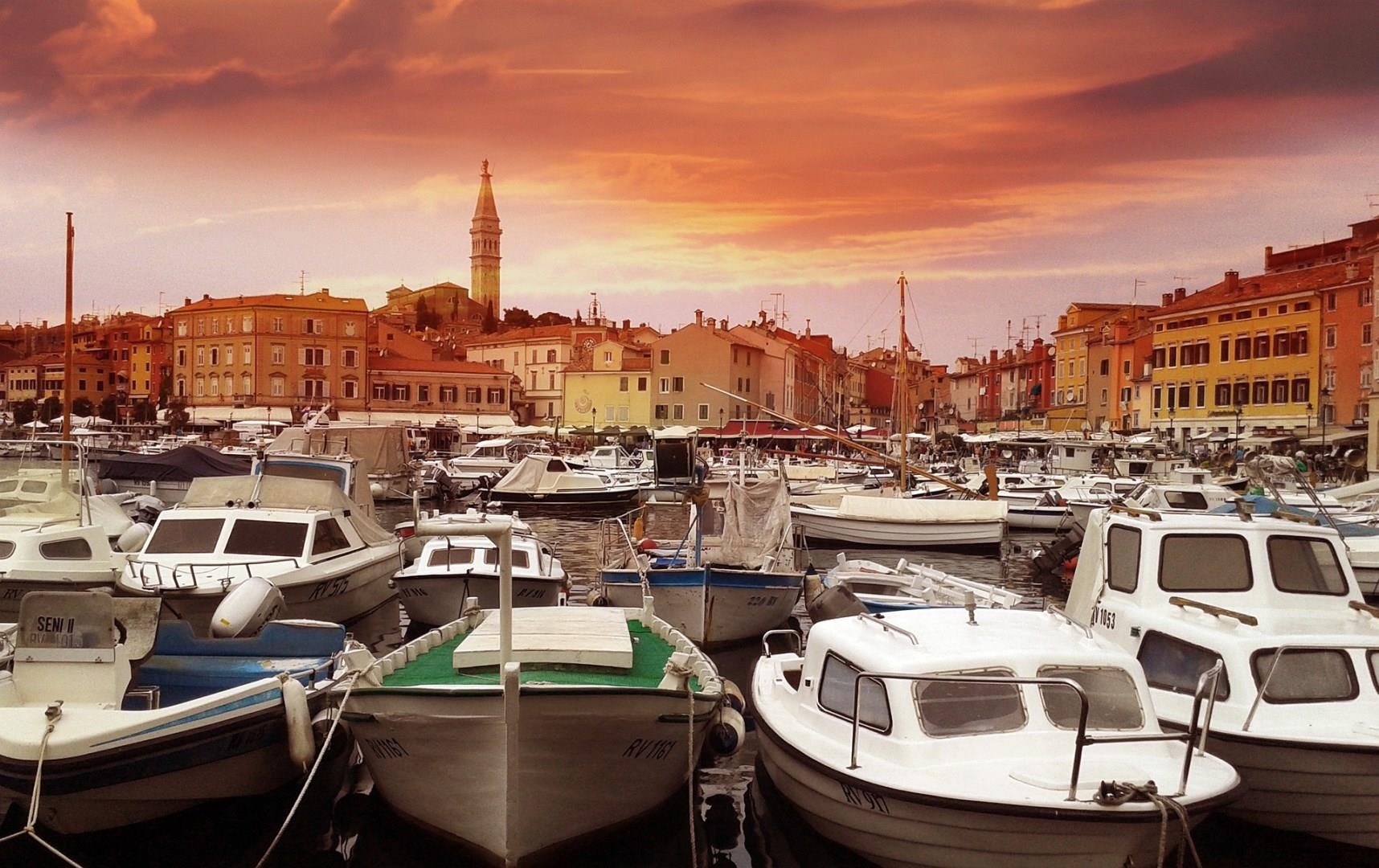
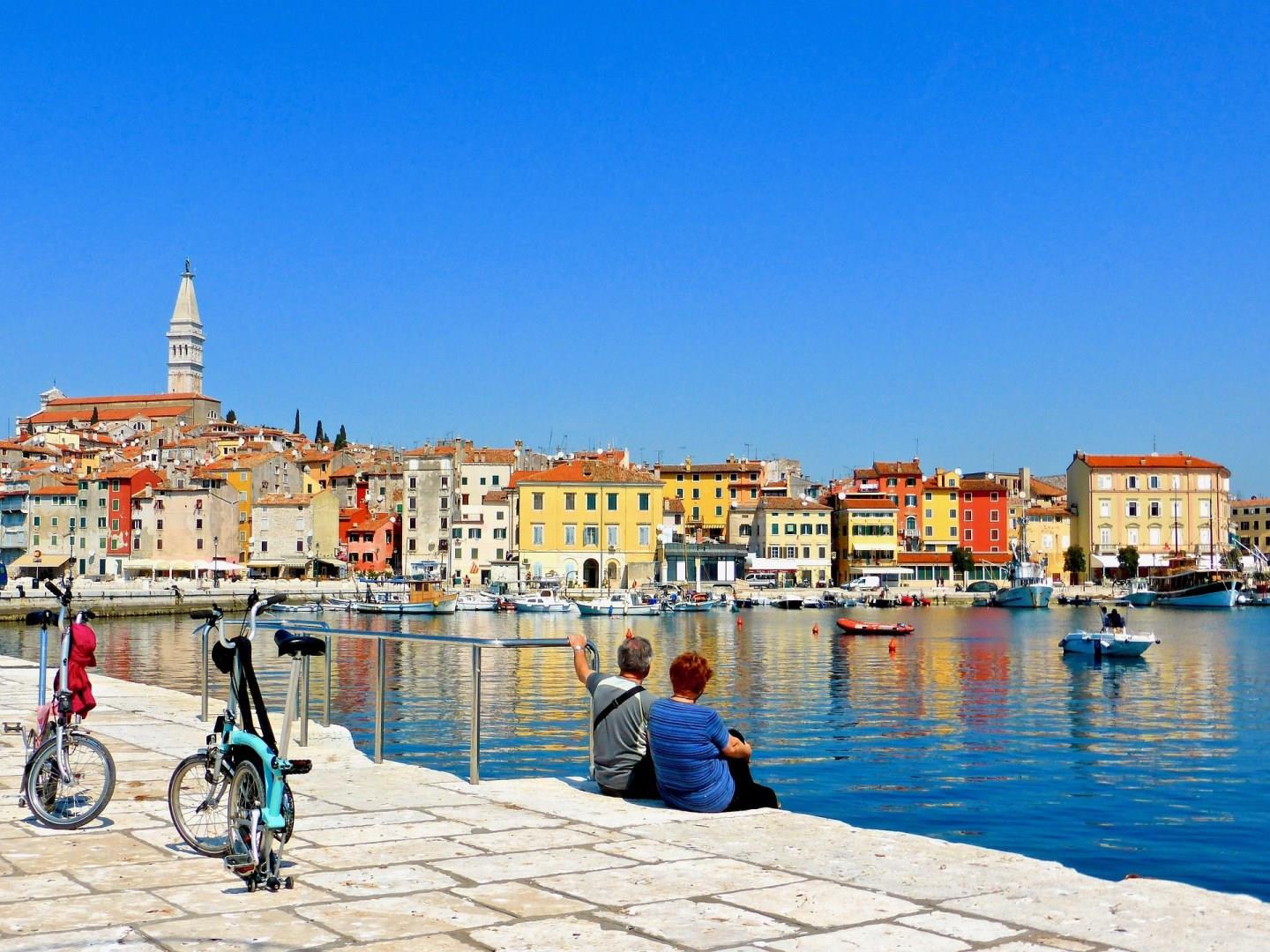
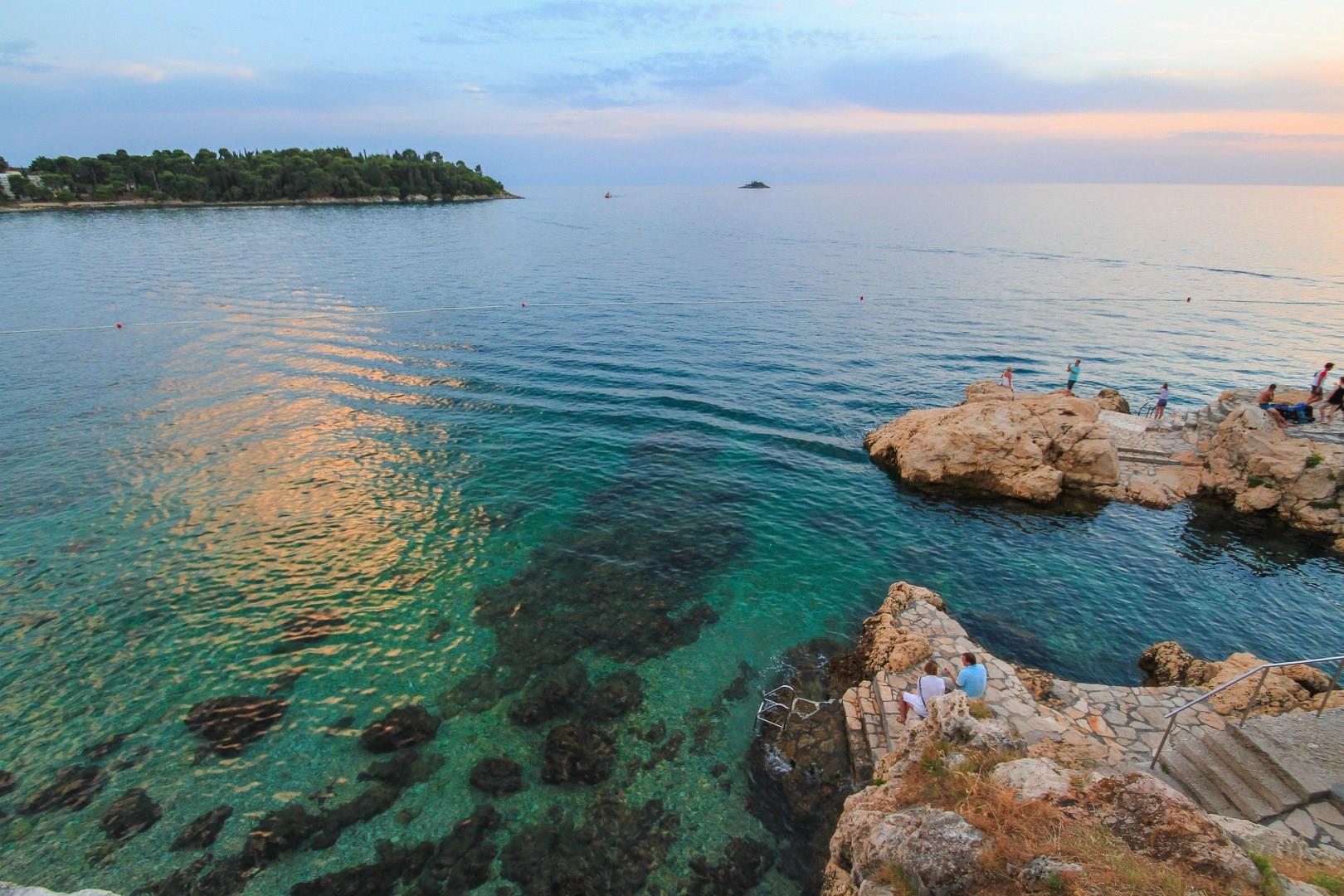
Mykonos
This gorgeous, breezy island is a lively paradise without equal. A celebratory atmosphere will be found here, from dance clubs and DJs to summer tourists simply reveling in the good life.

Kamloops
Kamloops, located in the interior of British Columbia, sits at the meeting point of the North and South Thompson Rivers. The name comes from the Secwépemc word “Tk’emlúps,” meaning "where the rivers meet," and the area has been a gathering place for Indigenous communities for thousands of years. Today, visitors can explore this rich cultural heritage at the Secwépemc Museum and Heritage Park, where trails lead through archaeological sites and reconstructed pit houses.
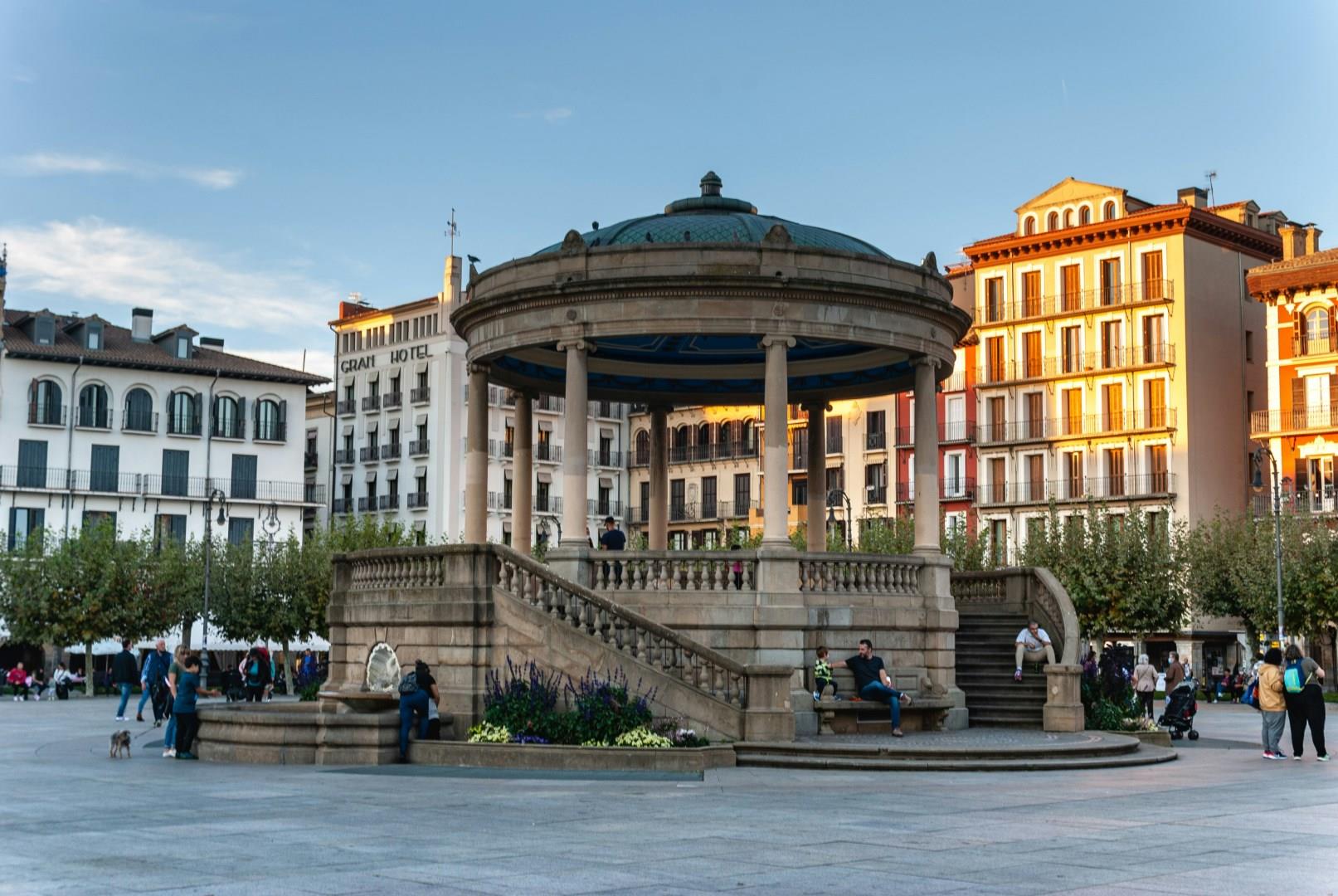
Pamplona
Pamplona, the capital of Spain’s Navarre region, is best known worldwide for the Running of the Bulls during the San Fermín festival each July. But beyond the brief rush of that event lies a city steeped in medieval history, Basque influence, and a slower pace that surprises many visitors. One of the most significant aspects of Pamplona is its place on the Camino de Santiago, the ancient pilgrimage route to Santiago de Compostela.

Veneto
Veneto, a region in northeastern Italy, offers a rich tapestry of history, culture, and natural beauty. The city of Verona, famous for its Shakespearean connection, is a jewel within this region. Visitors can explore the ancient Roman Arena, where operas and concerts are still held amidst the ruins. Wander through Verona’s medieval streets, and you’ll find Juliet’s House, a romantic site made famous by Romeo and Juliet.

Liverpool
Northwest England seaport city and the birthplace of the Beatles. Tourism is centered around the city's docks, and no visit is complete without The Beatles Story tour. Live music can be found from day to night at the Cavern Club.