Windhoek, the capital city of Namibia, is a vibrant and cosmopolitan hub nestled in the heart of the country. With its mix of German colonial architecture and modern African charm, Windhoek offers visitors a unique blend of history and contemporary culture. The city’s skyline is dominated by the striking Christuskirche, a Lutheran church built in 1907, which stands as a symbol of Namibia's German colonial past.
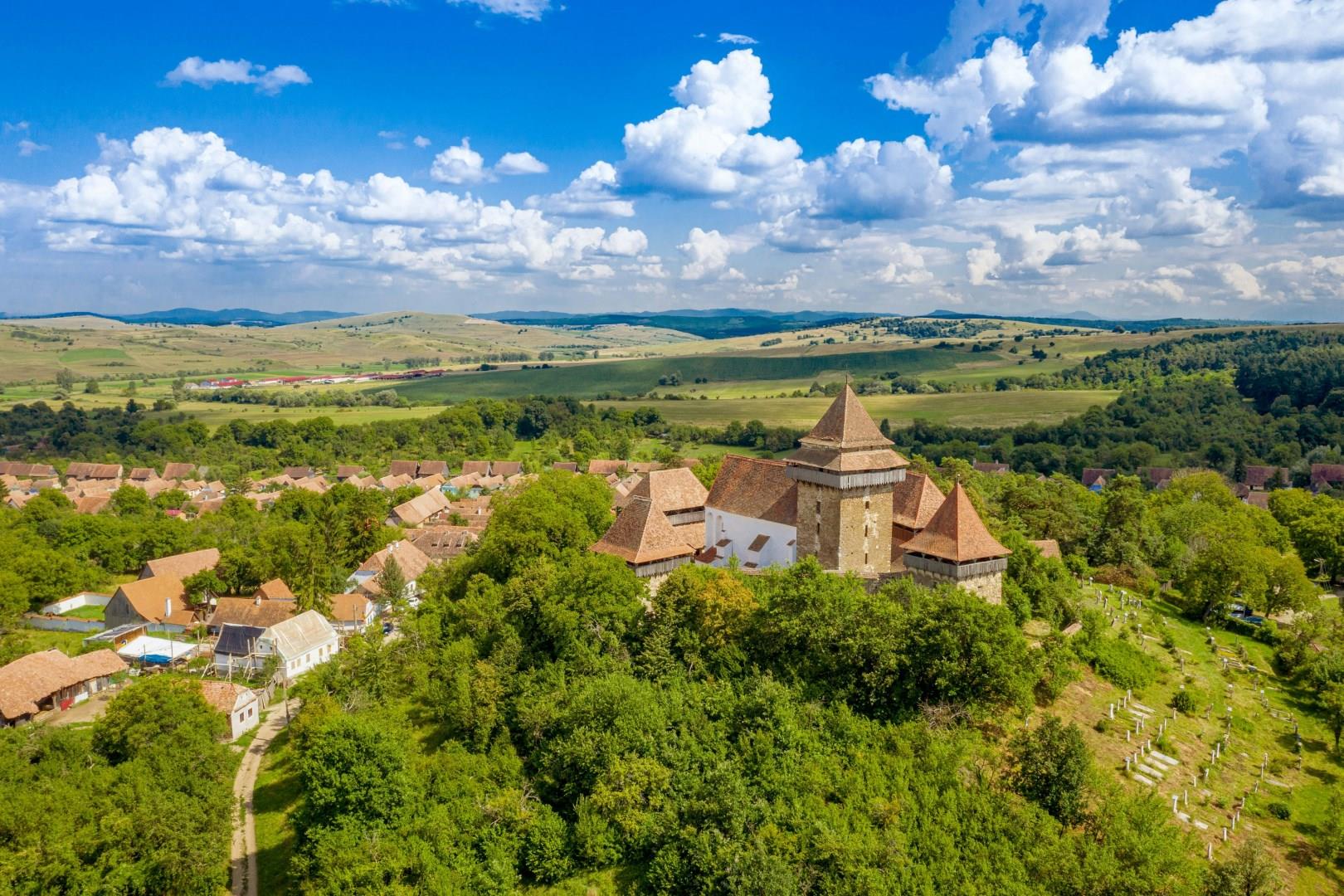
Viscri is a small village in Brașov County, Transylvania that feels like a place untouched by time, where centuries-old traditions remain alive in everyday life. Best known for its Saxon fortified church, the church of Viscri is one of the oldest and most impressive buildings in Transylvania, built of white-green limestone and strengthened with two rings of defensive walls added over the 16th and 18th centuries.
Wrocław, a captivating gem in southwestern Poland, enchants visitors with its rich history, vibrant culture, and stunning architecture. The city’s picturesque Old Town is centered around the magnificent Market Square (Rynek), where colorful facades and historic buildings like the Gothic Wrocław Town Hall create a fairy-tale atmosphere.
Located off the southern coast of Chile, Cape Horn is a coastal headland on Isla Hornos, the southernmost island in the Tierra del Fuego archipelago. The Cape Horn Monument provides a spectacular panoramic view of the Pacific and Atlantic Oceans. This rocky cliffside is a popular stop for Antarctic and South American cruises.

Gili Trawangan is the largest of the three Gili Islands, located off the northwest coast of Lombok in West Nusa Tenggara. The island is surrounded by coral reefs and clear coastal waters, with a sandy shoreline extending around much of its perimeter. Its compact size makes it easy to explore by bicycle or on foot, while horse-drawn cidomo carts provide traditional local transport.
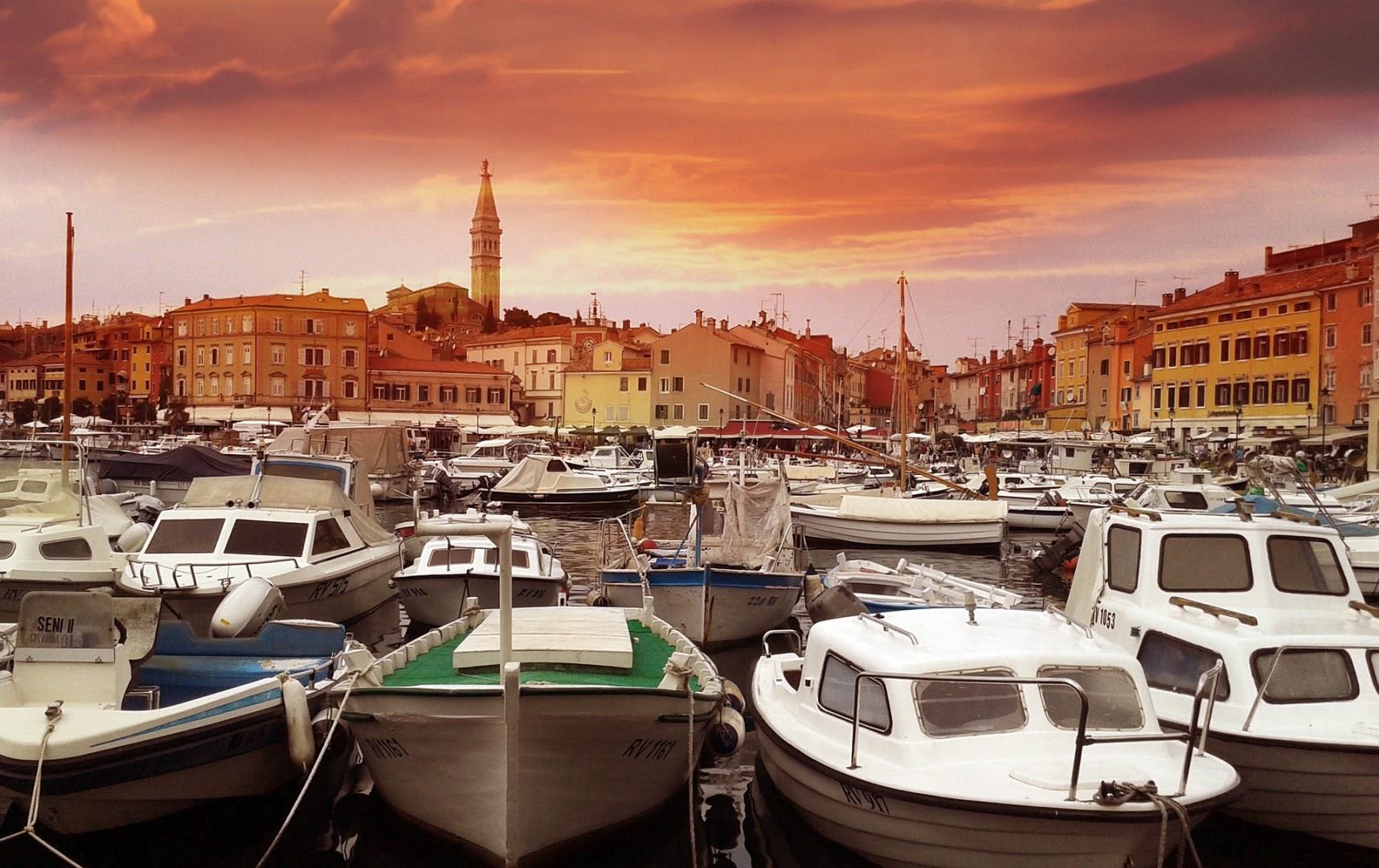
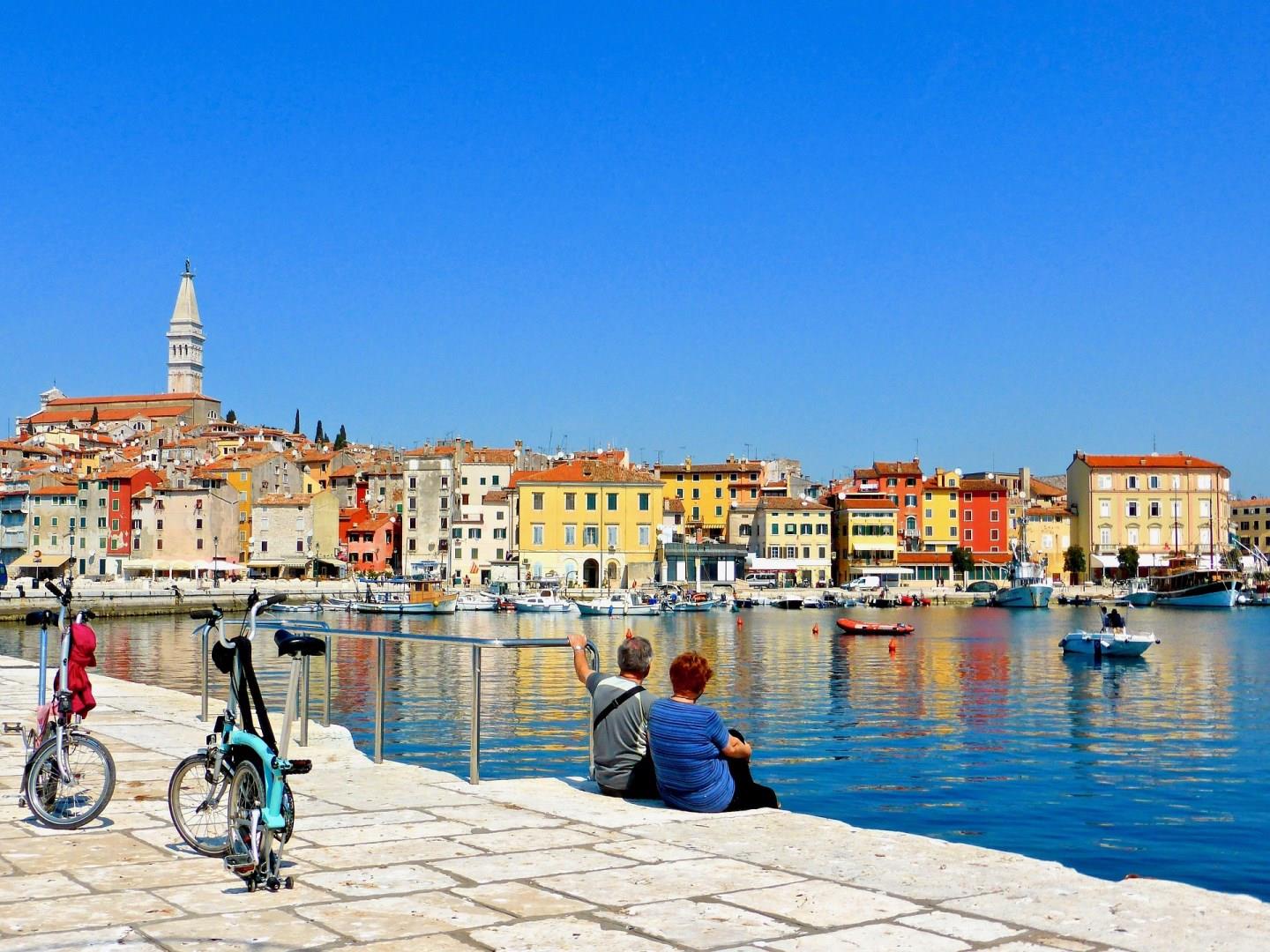
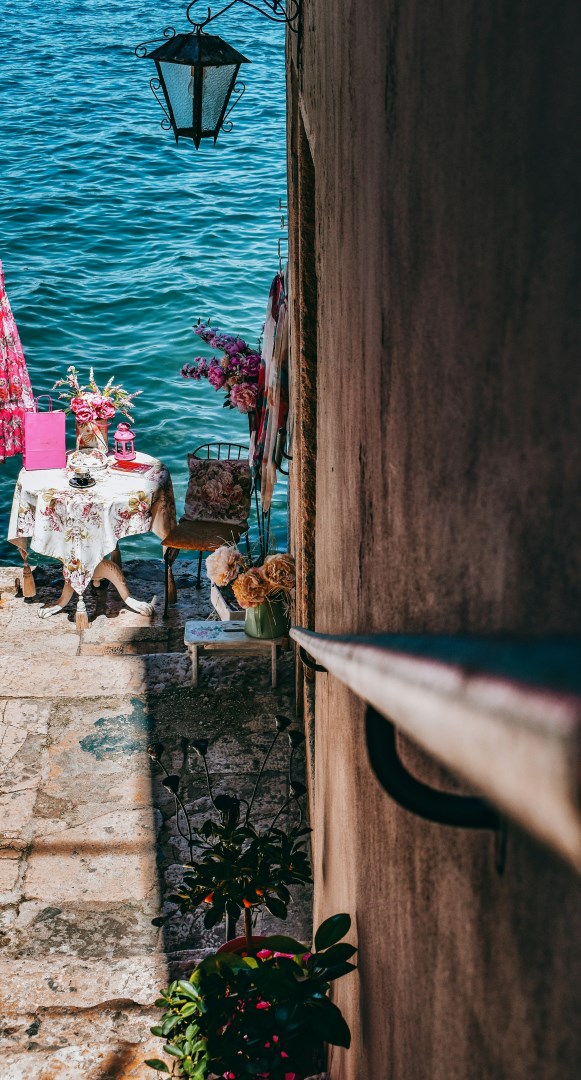
Rovinj, a picturesque city on Croatia’s Istrian Peninsula, invites travelers to immerse themselves in its enchanting blend of history and natural beauty. The city's charming Old Town, with its narrow, cobblestone streets and colorful facades, is a delight to explore. The heart of this historic area is the Church of St. Euphemia, a Baroque masterpiece that offers panoramic views of the Adriatic Sea from its bell tower. The church's iconic presence and the surrounding labyrinth of streets provide a glimpse into Rovinj's rich cultural and architectural heritage.
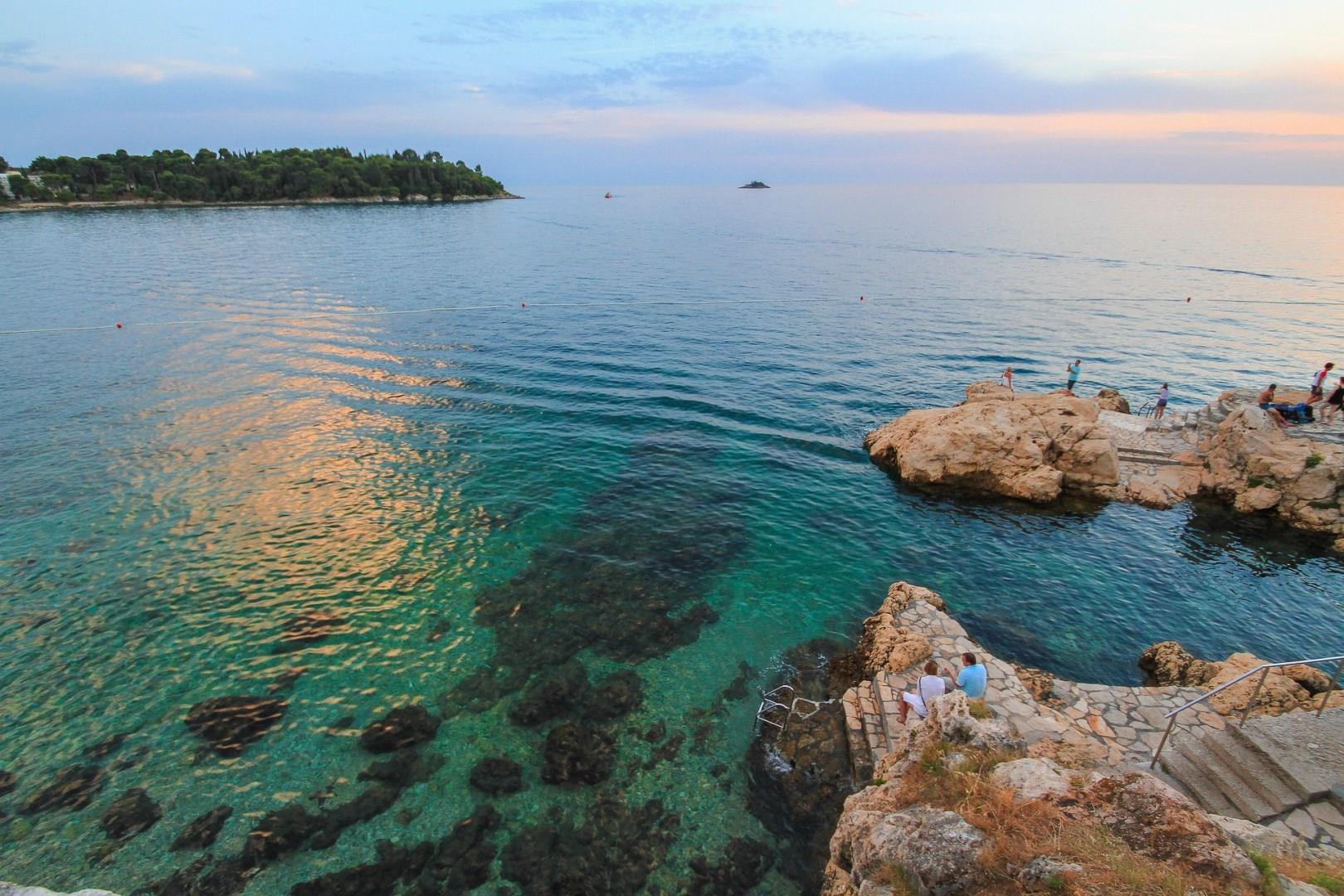
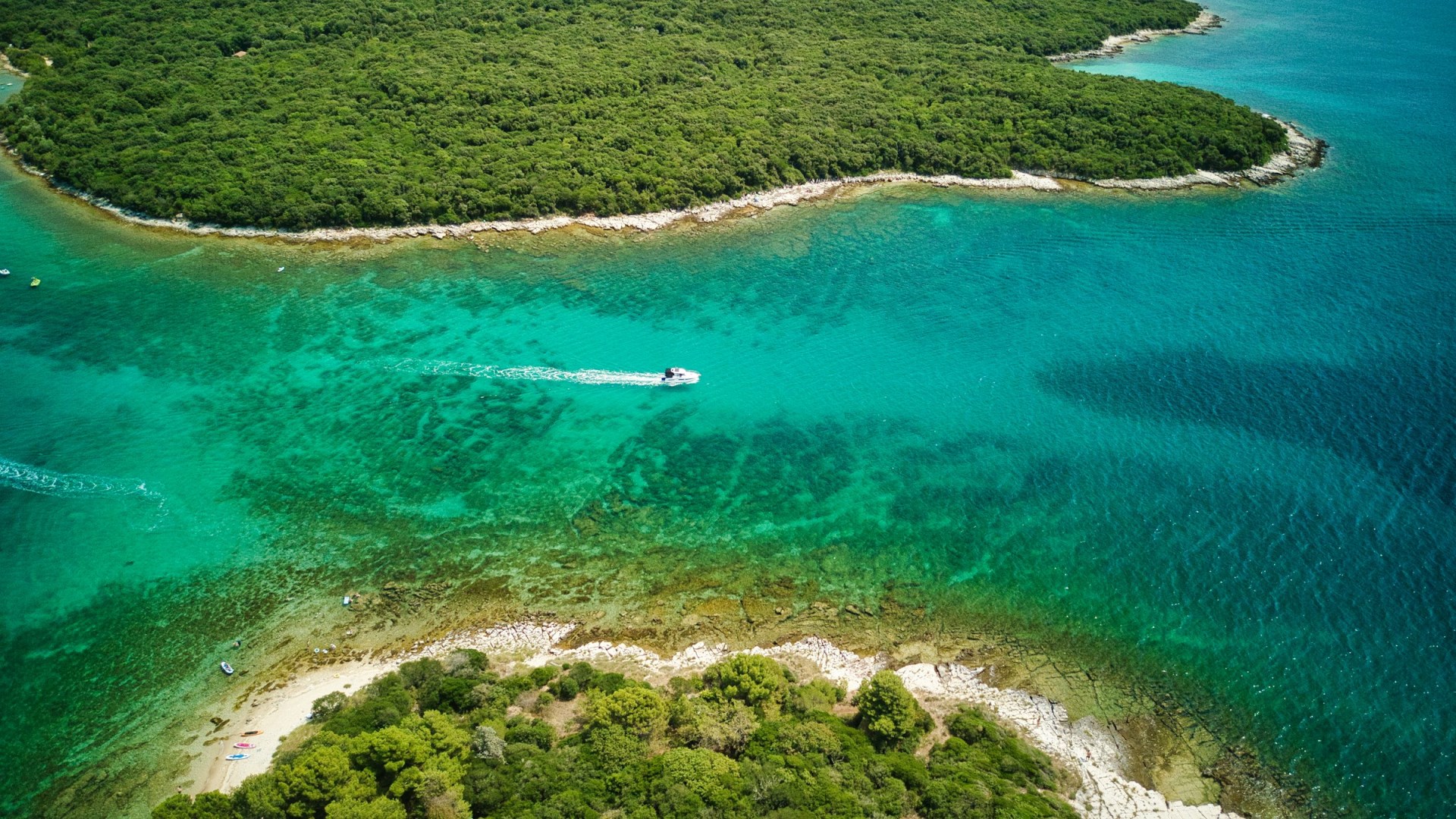
Rovinj’s coastal beauty is equally captivating. The city is nestled between the azure waters of the Adriatic and lush, forested hills. A leisurely stroll along the waterfront promenade or a boat trip to the nearby Brijuni Islands—a national park with stunning landscapes and archaeological sites—offers an unforgettable experience. The crystal-clear waters are perfect for swimming, snorkeling, and exploring hidden coves.
For those who relish local flavors, Rovinj’s vibrant market, held in the heart of the Old Town, showcases the region's culinary delights. Sample fresh seafood, local olive oils, and wines from the Istrian region at charming outdoor cafes. The city’s gastronomic scene reflects its rich heritage and connection to the sea, making dining a memorable part of the Rovinj experience.
A fun fact about Rovinj: This city was once an island until it was connected to the mainland in the 18th century. Today, its unique island heritage adds to the charm of its historic streets and coastal beauty. To fully enjoy Rovinj, consider visiting in the spring or early autumn when the weather is pleasantly mild and the tourist crowds are smaller.
Other Popular Destinations in Croatia
Dubrovnik
Dubrovnik, often hailed as the "Pearl of the Adriatic," is a city where history and stunning natural beauty converge. Enclosed within its ancient city walls, which are a UNESCO World Heritage Site, you’ll find a captivating blend of medieval architecture and vibrant culture. The city's Old Town is a maze of cobblestone streets, lined with baroque churches, Renaissance buildings, and charming squares.
Split
Split, Croatia, is a city where ancient history and modern vibrancy blend seamlessly, creating an alluring destination for travelers. At the heart of Split is the UNESCO World Heritage Site of Diocletian's Palace, a remarkably well-preserved Roman complex built by Emperor Diocletian in the 4th century AD. This sprawling palace complex, with its labyrinthine streets, ancient walls, and grand Peristyle courtyard, is not just a historical site but a bustling part of the city’s daily life.