Popoyo
Popoyo is a small coastal community on Nicaragua's southwestern Pacific coast, in the department of Rivas. It is known for its broad sandy shoreline, rocky coastal points, and consistent Pacific surf. The surrounding landscape remains largely rural, with pastureland, farms, tropical vegetation, and small settlements extending inland from the beach.

Monaco
Known for its glitzy image, Monaco is home to some of the world’s most famous attractions, including the iconic Monte Carlo Casino, the historic Prince's Palace, and the prestigious Formula 1 Grand Prix.
Buck Island
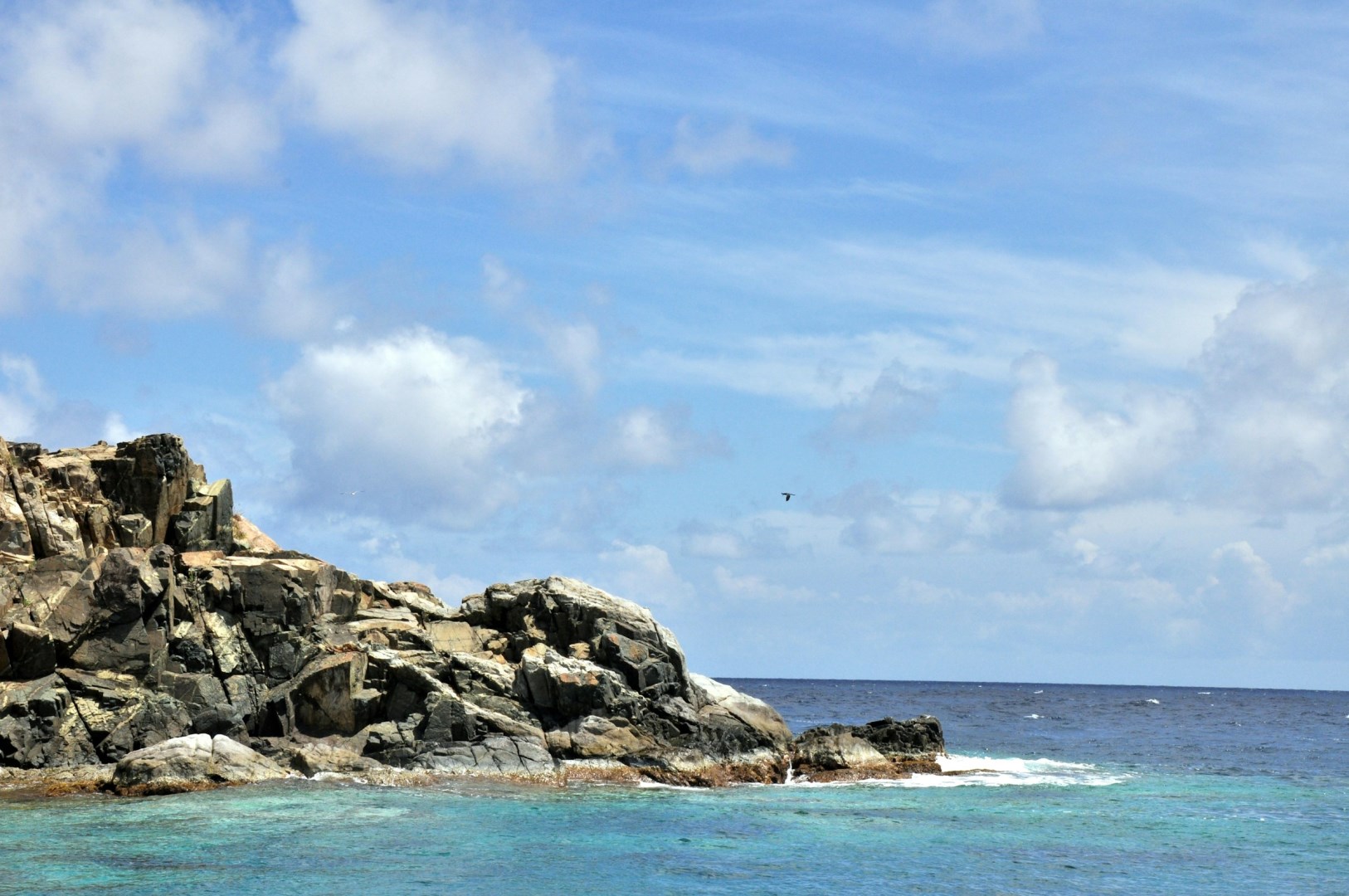
Buck Island is a small uninhabited island off the northeastern coast of St. Croix in the U.S. Virgin Islands. Most of the island and surrounding waters form Buck Island Reef National Monument, a protected area known for coral reefs, sandy beaches, dry forest, and marine habitats. The island lies a short boat journey from Christiansted and is surrounded by clear Caribbean waters.
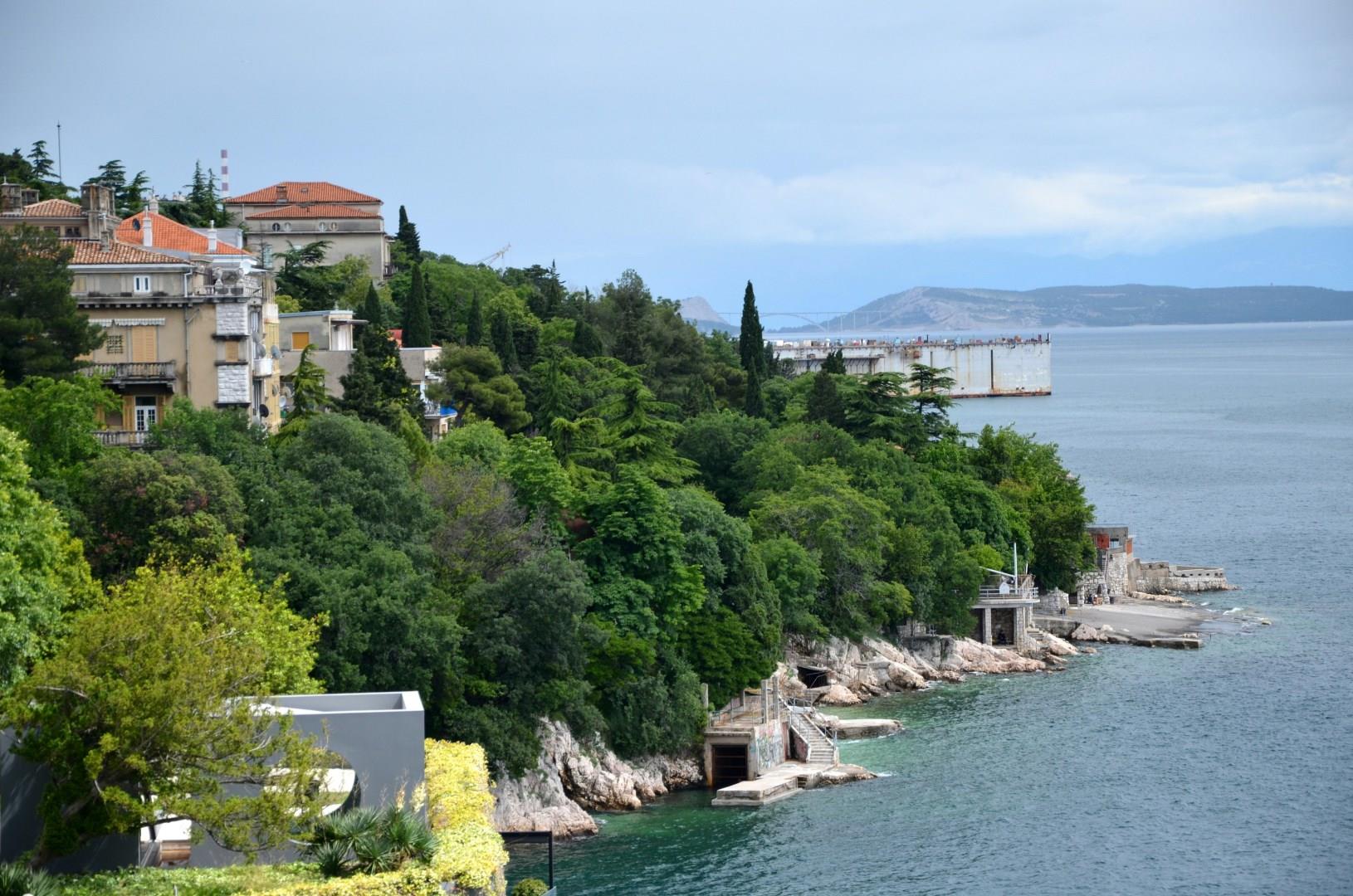
Rijeka
Rijeka sits at the head of Kvarner Bay on Croatia’s northern Adriatic, shaped by its long role as a port city at the crossroads of empires.

Papua New Guinea
Papua New Guinea is a land of surprises, where misty highlands give way to tropical coasts and vibrant festivals stir every sense. In the Highlands, the air carries the echoes of ceremonial drums and elaborate sing‑sings like the famed Goroka Show, where over 100 tribes gather in September to perform dances adorned with feathered headdresses, body paint, and the haunting clay masks of the Asaro Mudmen.