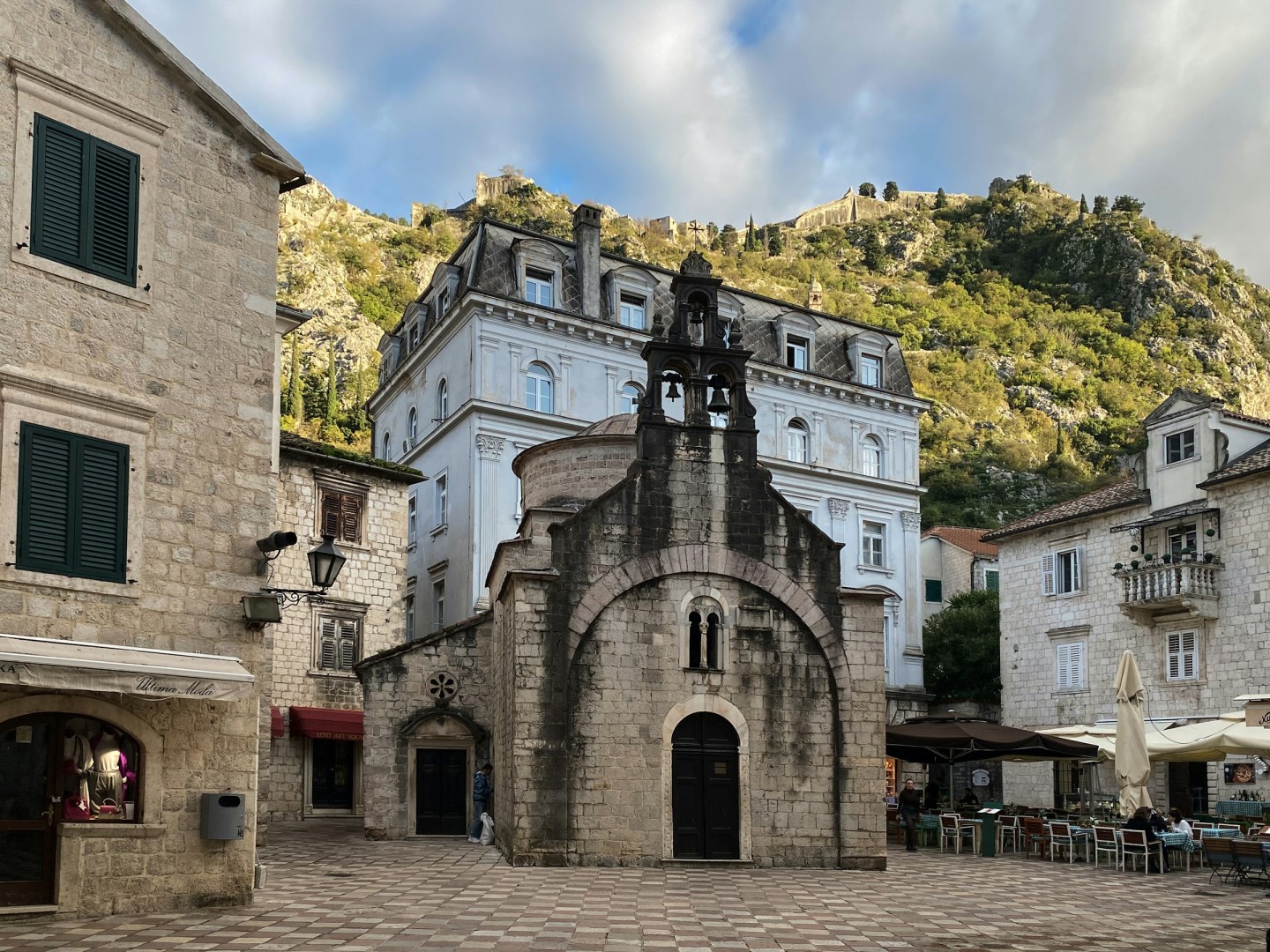
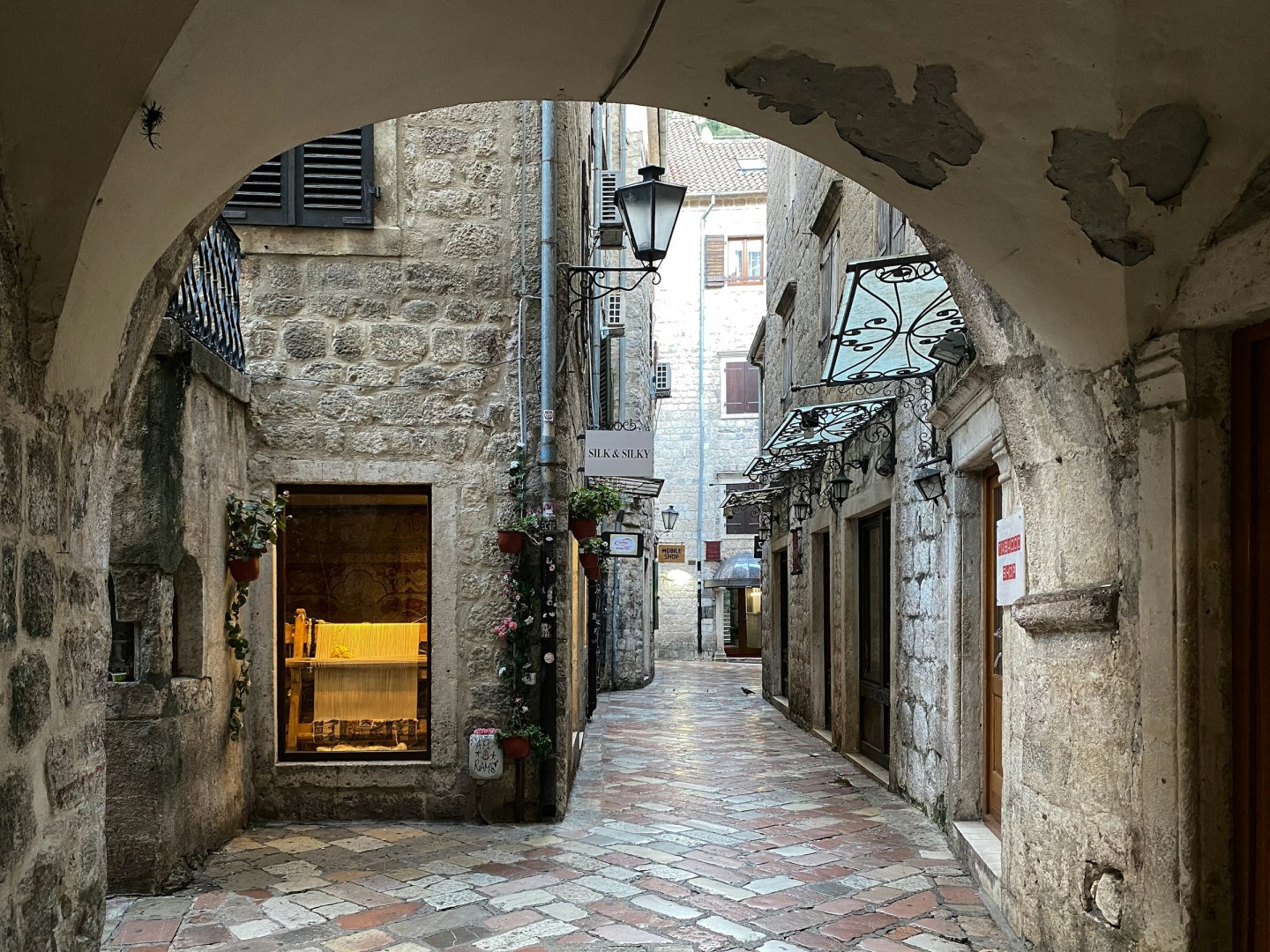
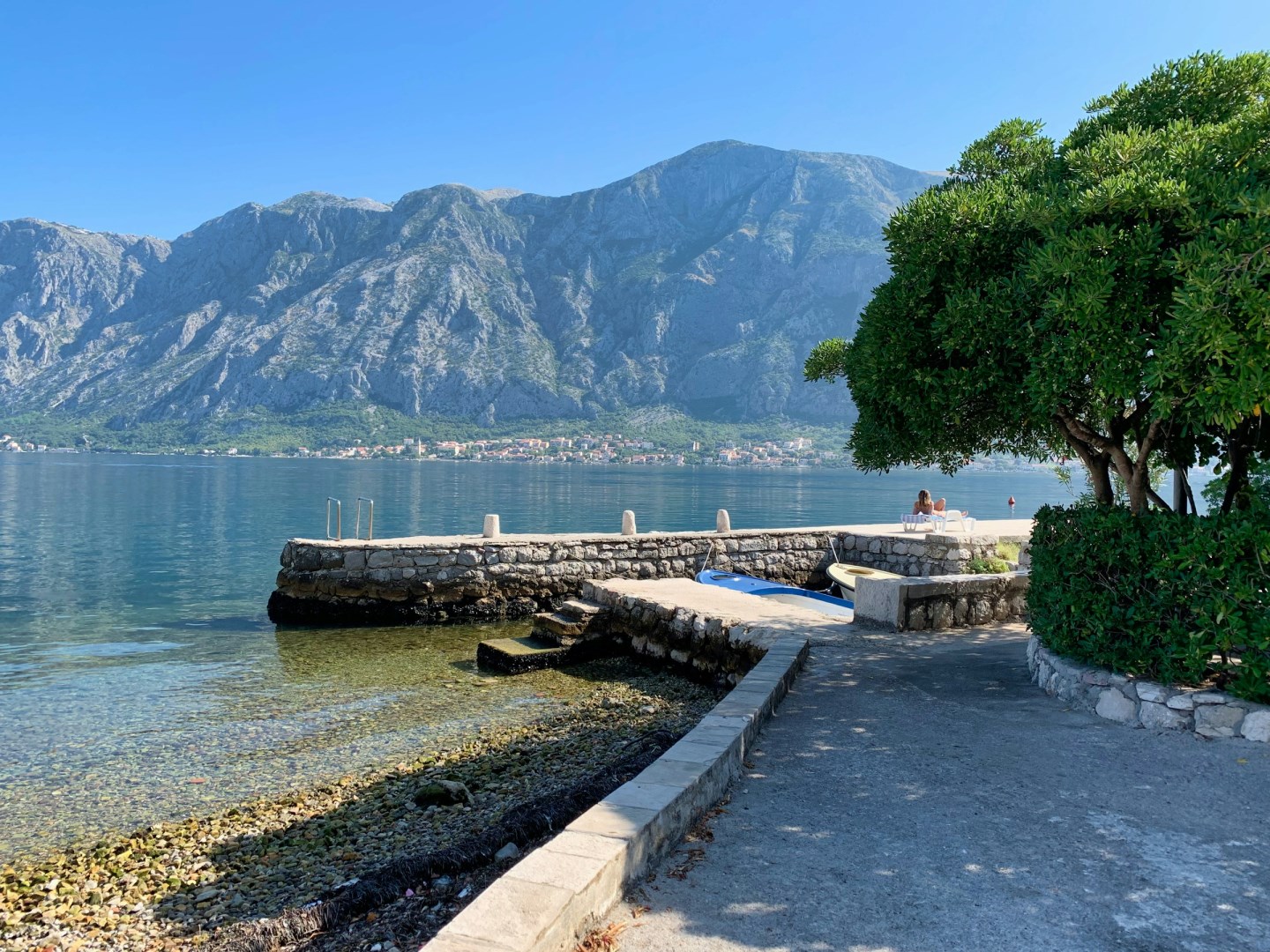
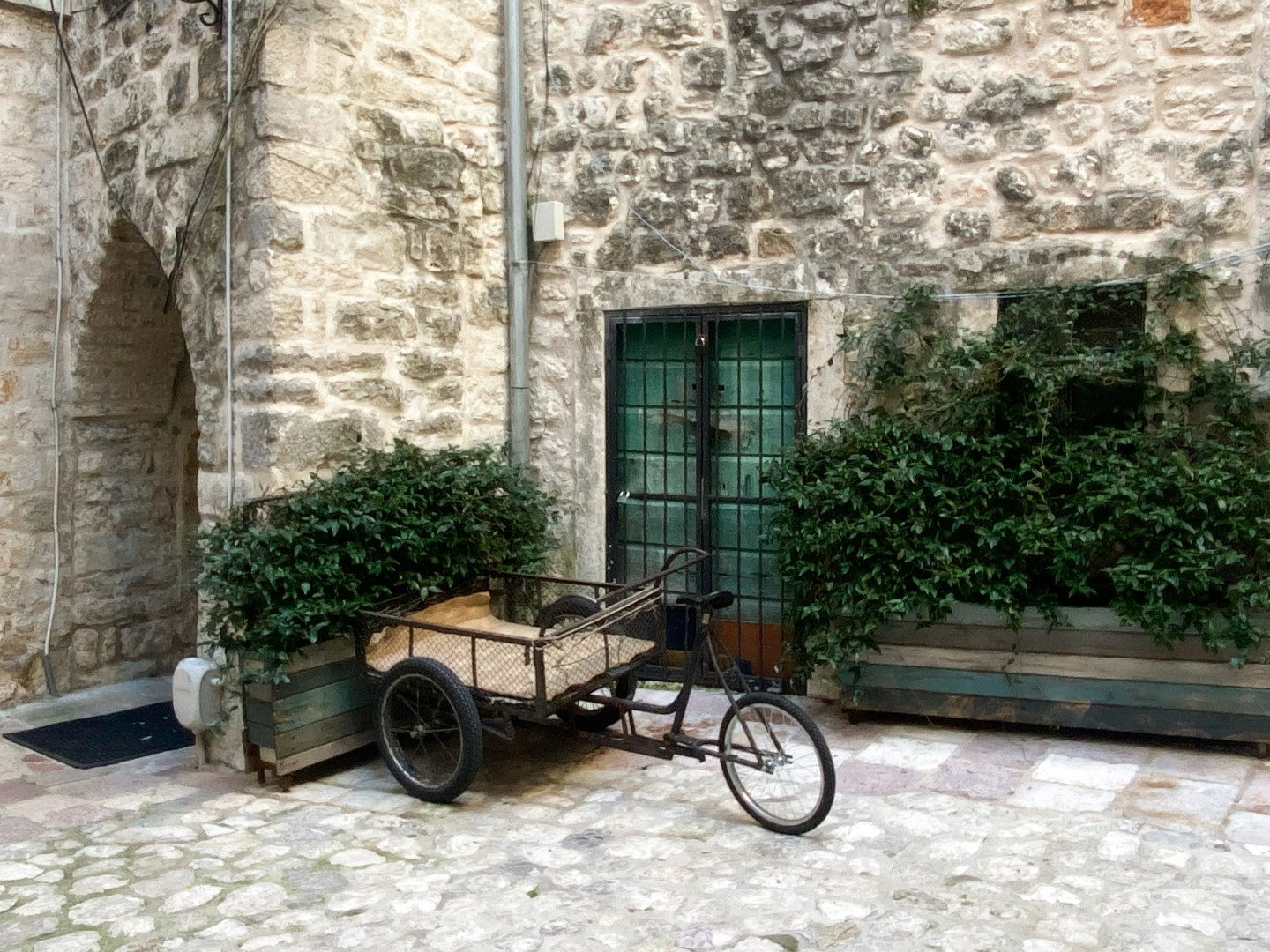
Oporto
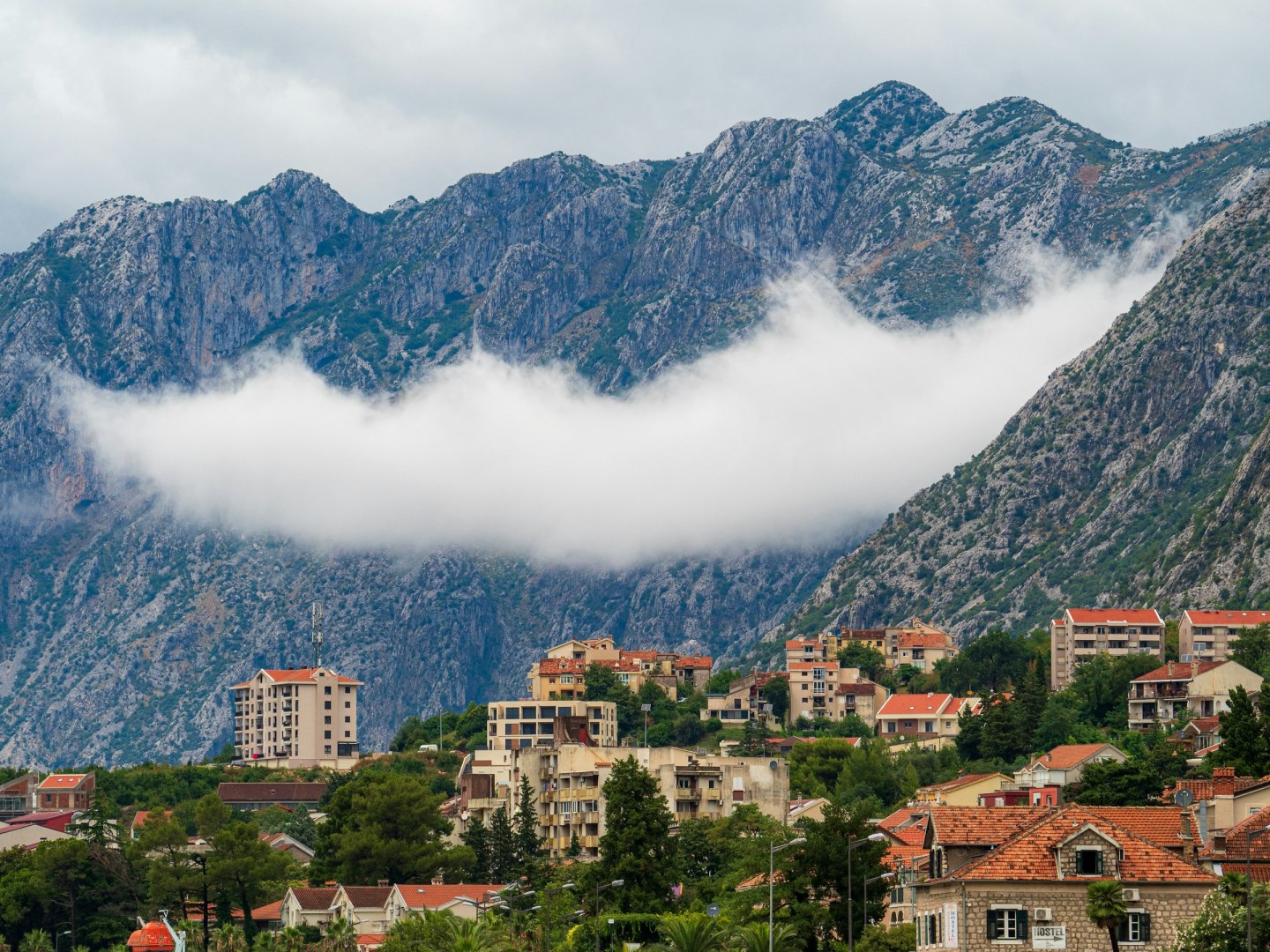
The city of Oporto is situated on the right bank of the River Douro, being the second largest city of the country. Oporto is the regional capital of the northern area.

Yangon
Yangon, Myanmar’s largest city, blends colonial heritage, cultural diversity, and spiritual landmarks. Once the country’s capital, it remains the economic and cultural hub, with lively markets, tree-lined avenues, and historic buildings that reflect its layered past under British, Burmese, and regional influences.
Missoula
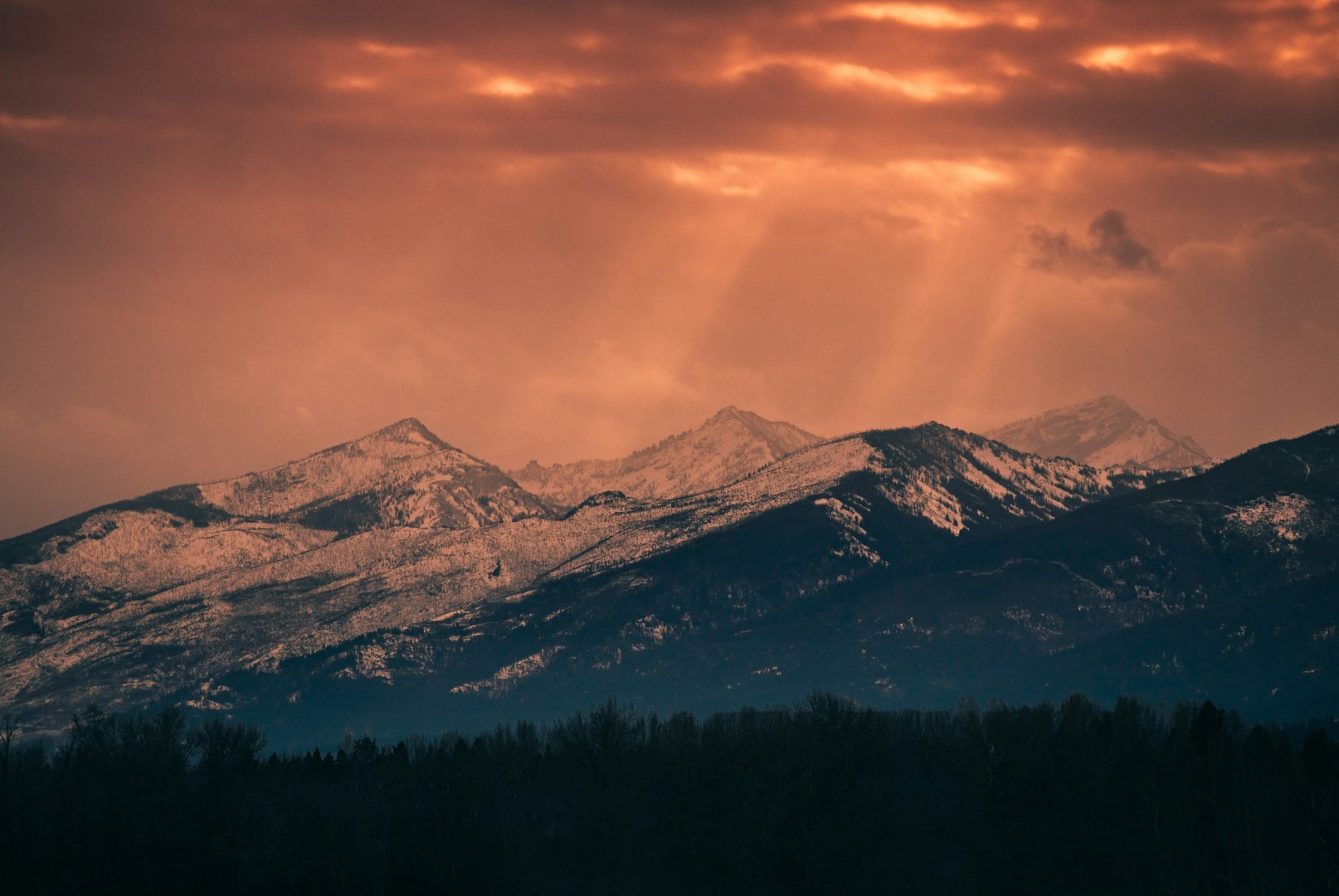
Missoula, nestled in western Montana’s scenic mountain valleys, is a lively city that blends outdoor adventure with a strong sense of community and culture. Founded as a 19th-century trading post and lumber town, Missoula has evolved into a hub for education, the arts, and nature, anchored by the University of Montana and surrounded by breathtaking wilderness.
Aran Islands
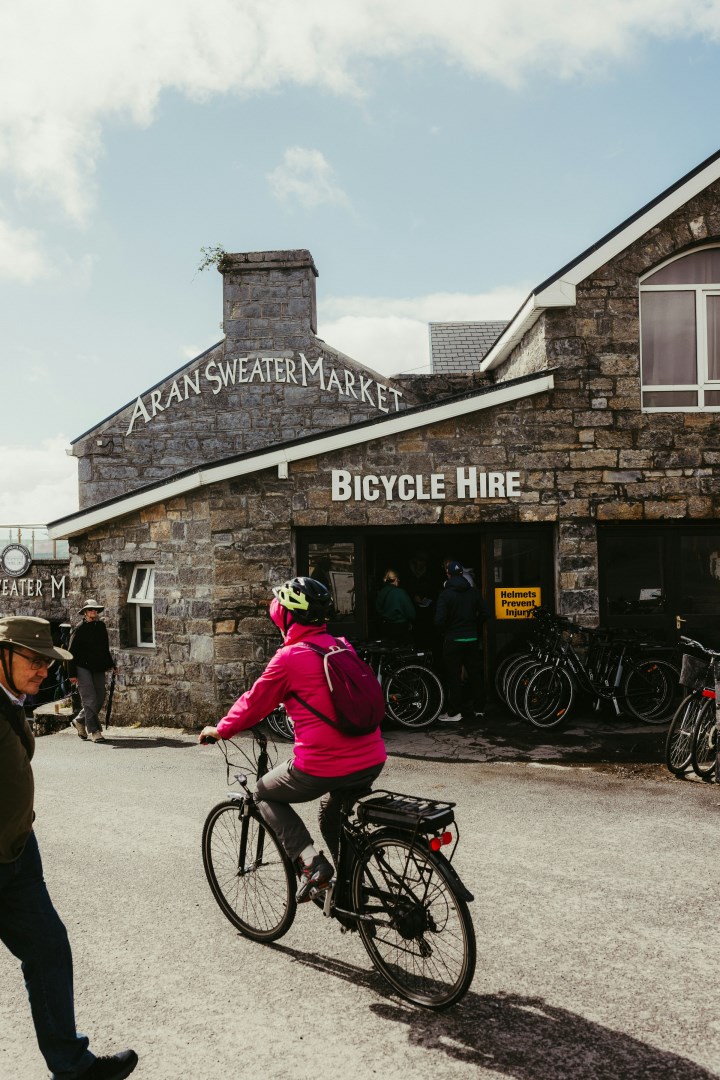
The Aran Islands lie at the mouth of Galway Bay on Ireland’s west coast and comprise three inhabited islands: Inis Mór, Inis Meáin, and Inis Oírr. Their landscapes are defined by limestone terraces, stone walls, small fields, sea cliffs, and exposed coastal ground shaped by Atlantic weather. The islands are known for their distinctive dry-stone walls, which divide much of the farmland into small plots.
Zeeland
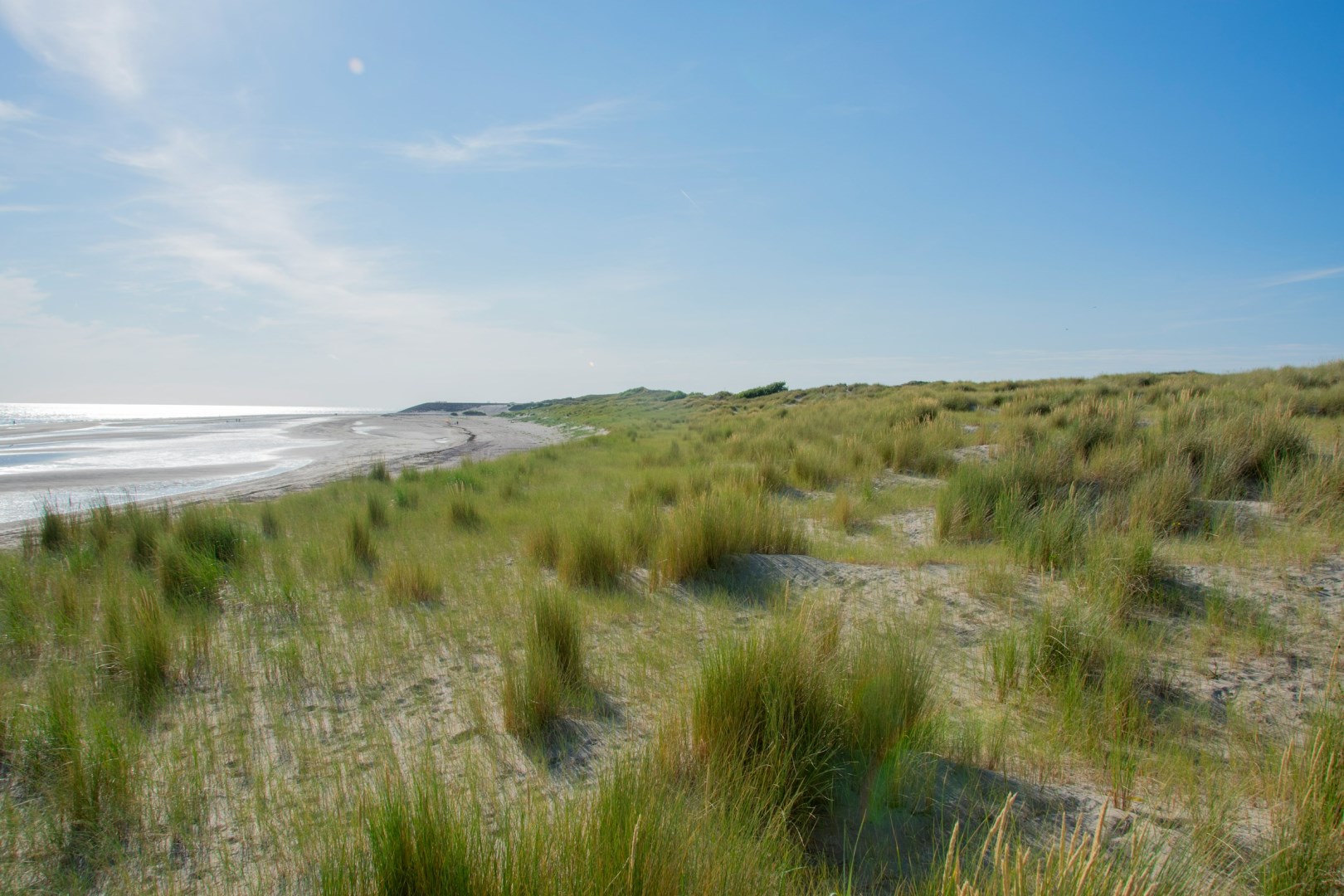
Zeeland is a southwestern province of the Netherlands shaped by its position between the North Sea and the Scheldt estuary. Much of the region consists of islands, peninsulas, polders, dikes, dunes, and tidal waterways, with towns such as Middelburg, Zierikzee, Veere, and Goes providing historic centers within the wider landscape. Zeeland has about 650 kilometers of coastline, and its relationship with water influences settlement, agriculture, transport, and daily life.