Vatnajökull National Park
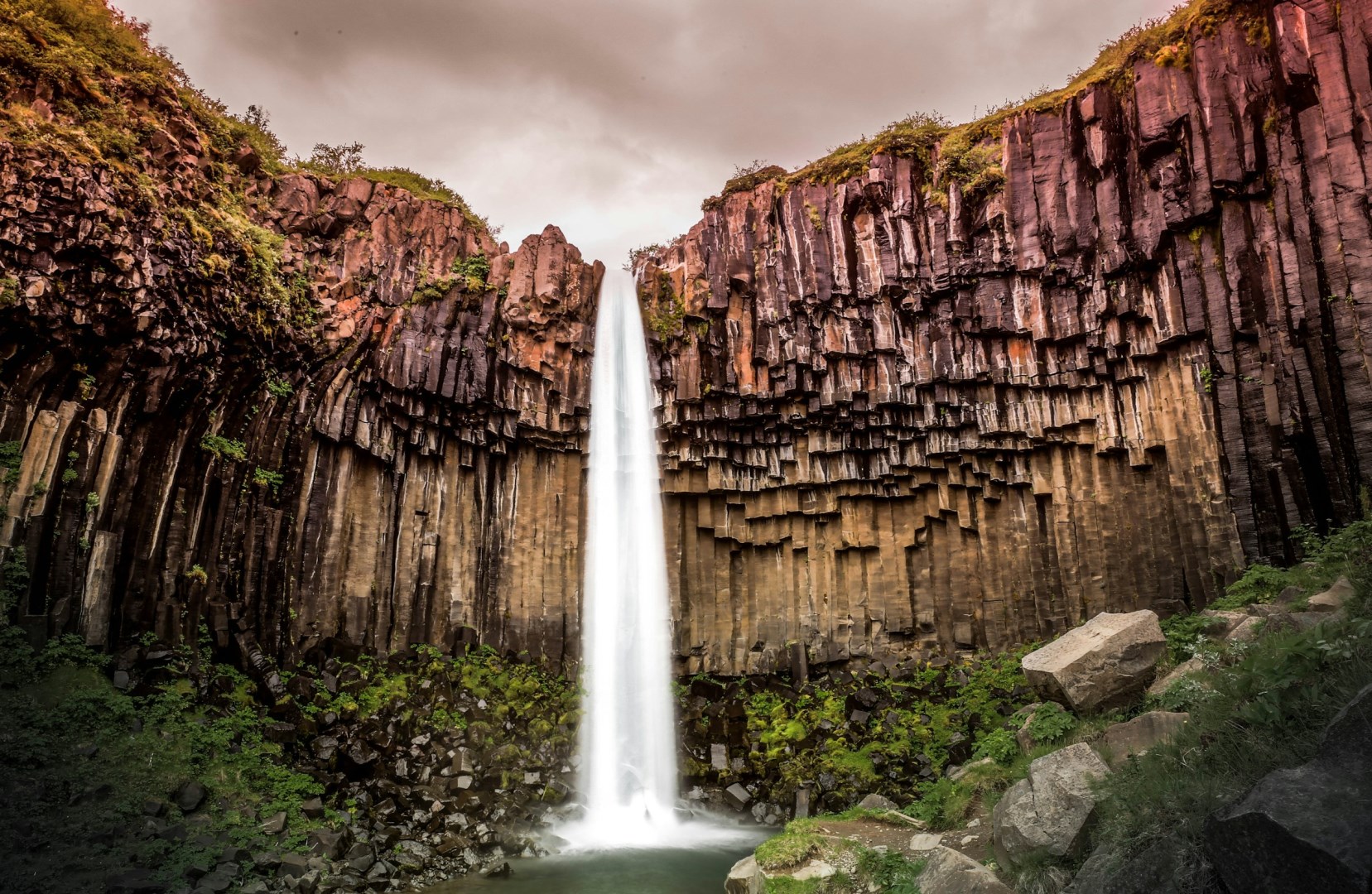
Vatnajökull National Park is one of Iceland’s largest protected areas, extending across a vast landscape of glaciers, volcanoes, lava fields, mountains, rivers, and glacial plains. At its center lies Vatnajökull, Iceland’s largest ice cap, whose outlet glaciers spread into surrounding valleys and lowlands. The park stretches across southeast and central Iceland and includes several distinct regions, from Skaftafell and Jökulsárlón to the volcanic landscapes of Askja and Kverkfjöll.
Fogo Island
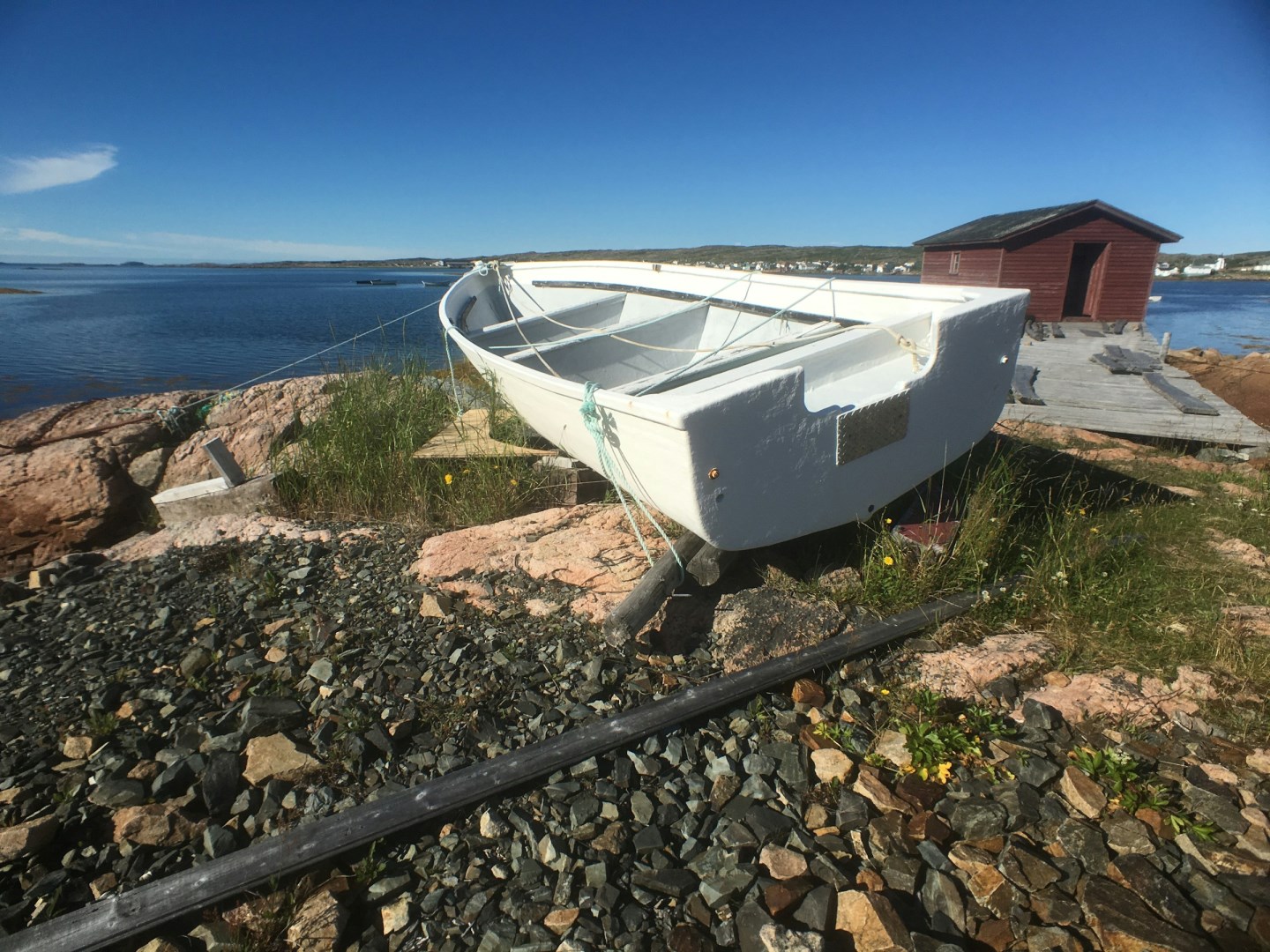
Fogo Island is a large offshore island in Newfoundland and Labrador, set in the North Atlantic and reached by ferry from Farewell on Newfoundland’s northeast coast. Its landscape is defined by rocky headlands, small coves, rolling hills, exposed coastal trails, and scattered fishing communities. Eleven communities occupy the island, including Fogo, Joe Batt’s Arm, and Tilting, each with its own character and relationship to the sea.
Topeka
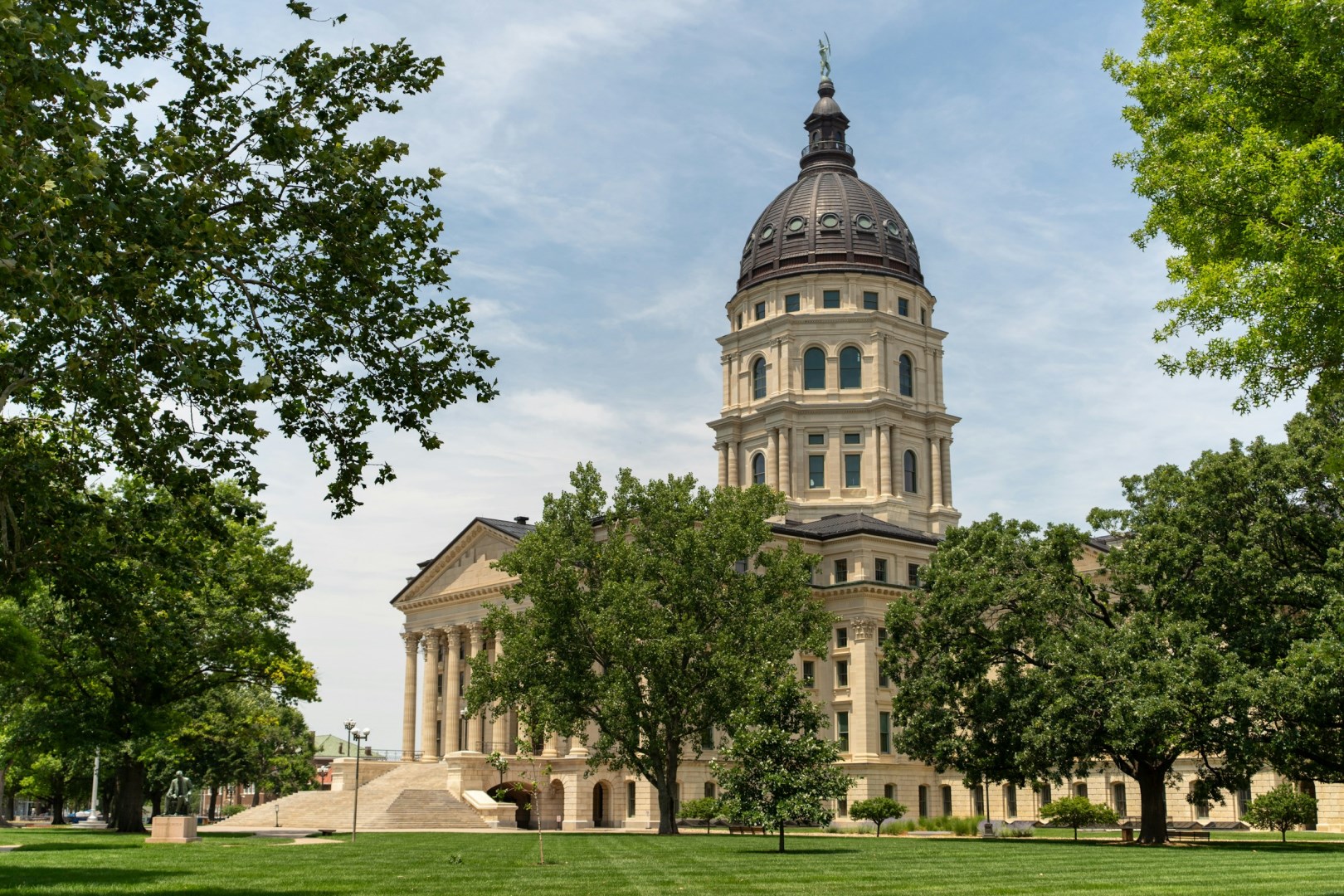
Topeka is the capital of Kansas, located along the Kansas River in the northeastern part of the state. The city developed near the meeting point of river transportation, agriculture, and overland travel, and it remains an important center for state government and regional commerce. The Kansas State Capitol stands at the heart of the city, while the surrounding area includes historic neighborhoods, museums, parks, and cultural institutions.

Eryri National Park (Snowdonia)
Snowdonia, a majestic national park in North Wales, offers a stunning tapestry of natural beauty and adventure. At its heart is Mount Snowdon, the highest peak in Wales, reaching 1,085 meters (3,560 feet). The mountain is accessible via several well-marked trails, with the Snowdon Mountain Railway providing a scenic ride to the summit. From the top, panoramic views stretch over rugged landscapes and, on clear days, to the distant peaks of Ireland.

Bimini Islands
The Bimini Islands, the westernmost point of the Bahamas, are a tiny chain of islands steeped in history, legend, and natural wonder. Bimini has long been celebrated as the “Gateway to the Bahamas,” blending fishing traditions, maritime lore, and a laid-back island culture.