Saudi Arabia
Saudi Arabia is revealing chapters long unseen by tourists. Al-Ula is home to Hegra, the first UNESCO World Heritage Site in the kingdom and hosts to ancient Nabatean tombs carved in sandstone cliffs. Nearby, the mirrored Maraya Concert Hall reflects the desert sky, its design both unexpected and elegant amid the sands. Visitors can wander through narrow canyons, step inside rock-hewn facades, and feel the weight of ancient civilizations still echoing across the dunes.
Corinna Tasmania
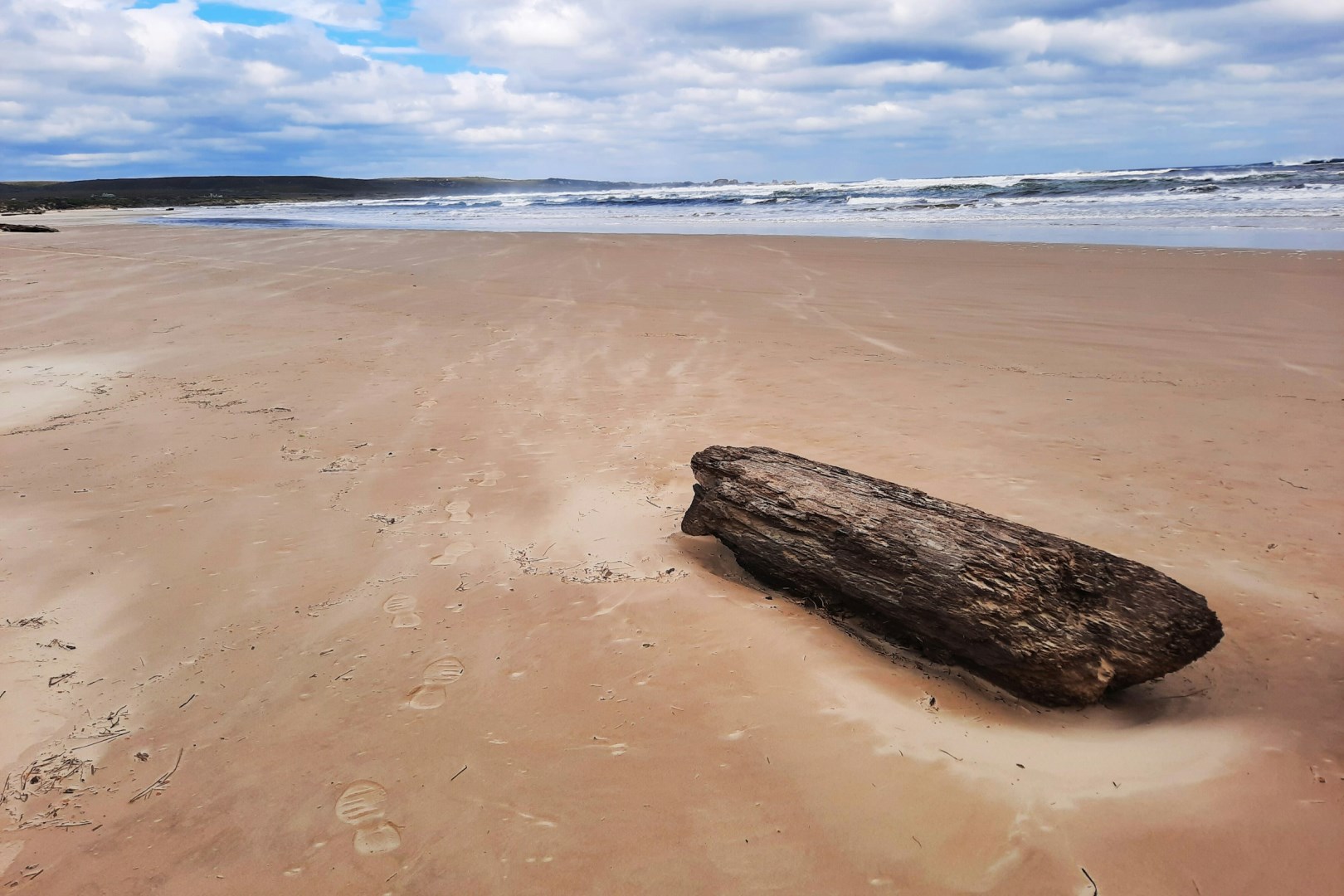
Corinna is a small, remote settlement on Tasmania’s west coast, set beside the dark waters of the Pieman River at the southern edge of takayna / Tarkine. Once a gold-mining settlement, it is now centred on a wilderness village surrounded by cool-temperate rainforest, rivers, and rugged country. Corinna has no mobile phone coverage and very limited supplies, giving it a distinctly secluded character.

Ghent
If it wasn't for Paris, Ghent would be medieval Europe's largest city. Steeped in history both rebellious and industrious, it sits at the junction of the Leie and Scheldt rivers and was once the site of armed battles by its townsfolk, who raged against heavy taxes and restricted civil liberties.
Helena
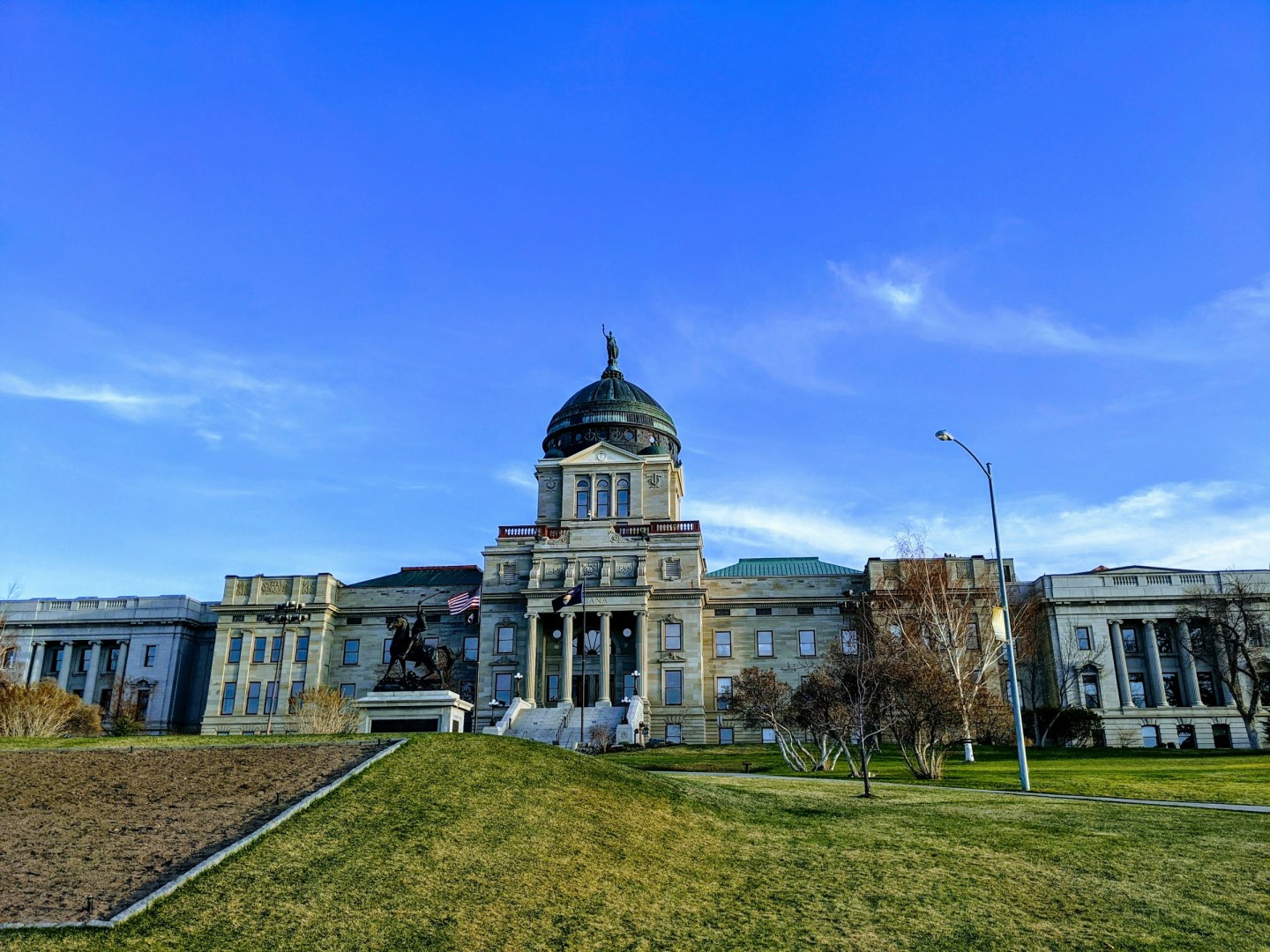
Helena is the capital of Montana, set among mountains, forests, and open valleys in the western part of the state. Its identity is closely tied to the gold mining that shaped the early settlement, while the modern city combines historic architecture with an active arts community and extensive outdoor recreation.
Weimar
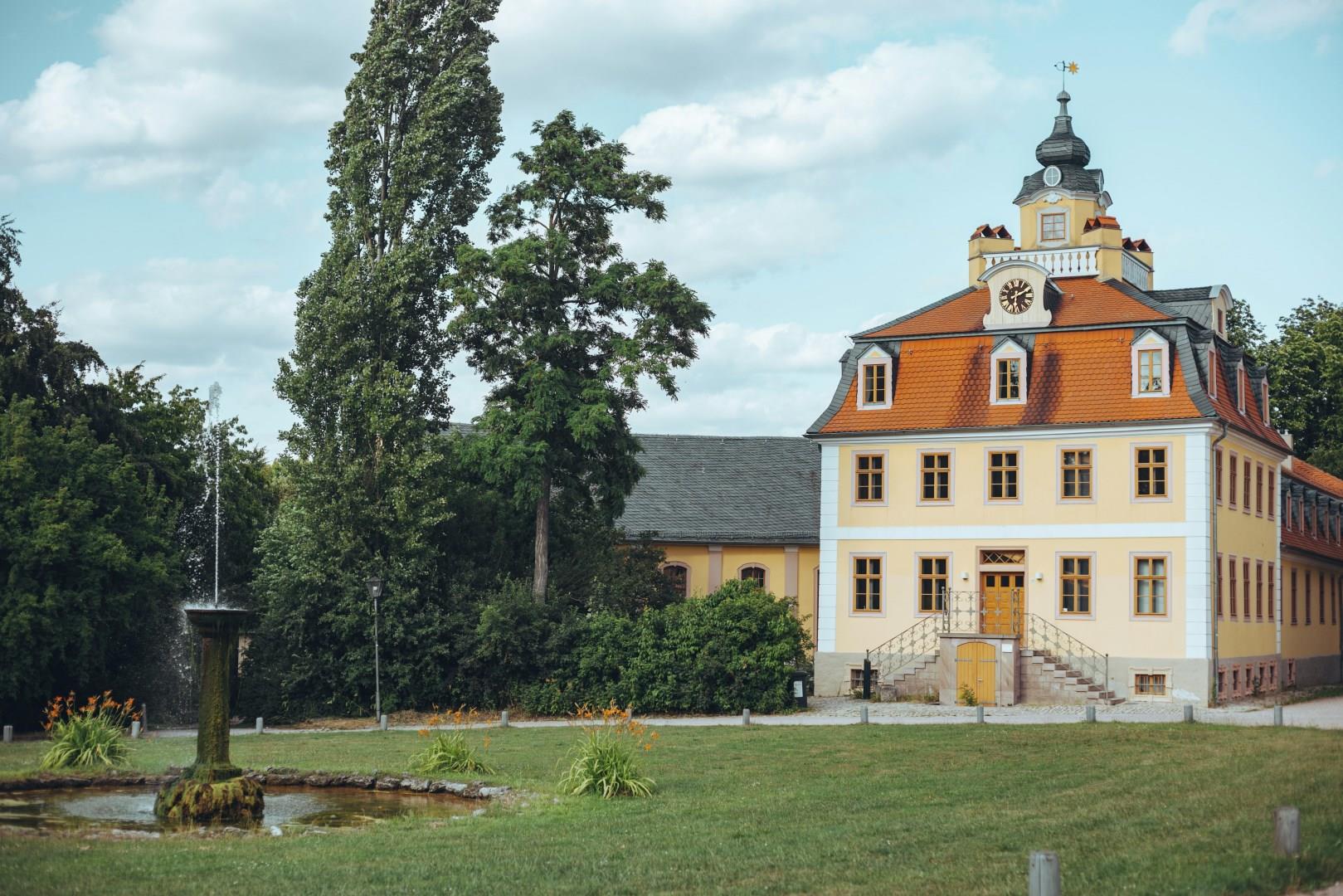
Weimar, located in the heart of Germany’s Thuringia region, is a city renowned for its cultural heritage, classical architecture, and pivotal role in European history.