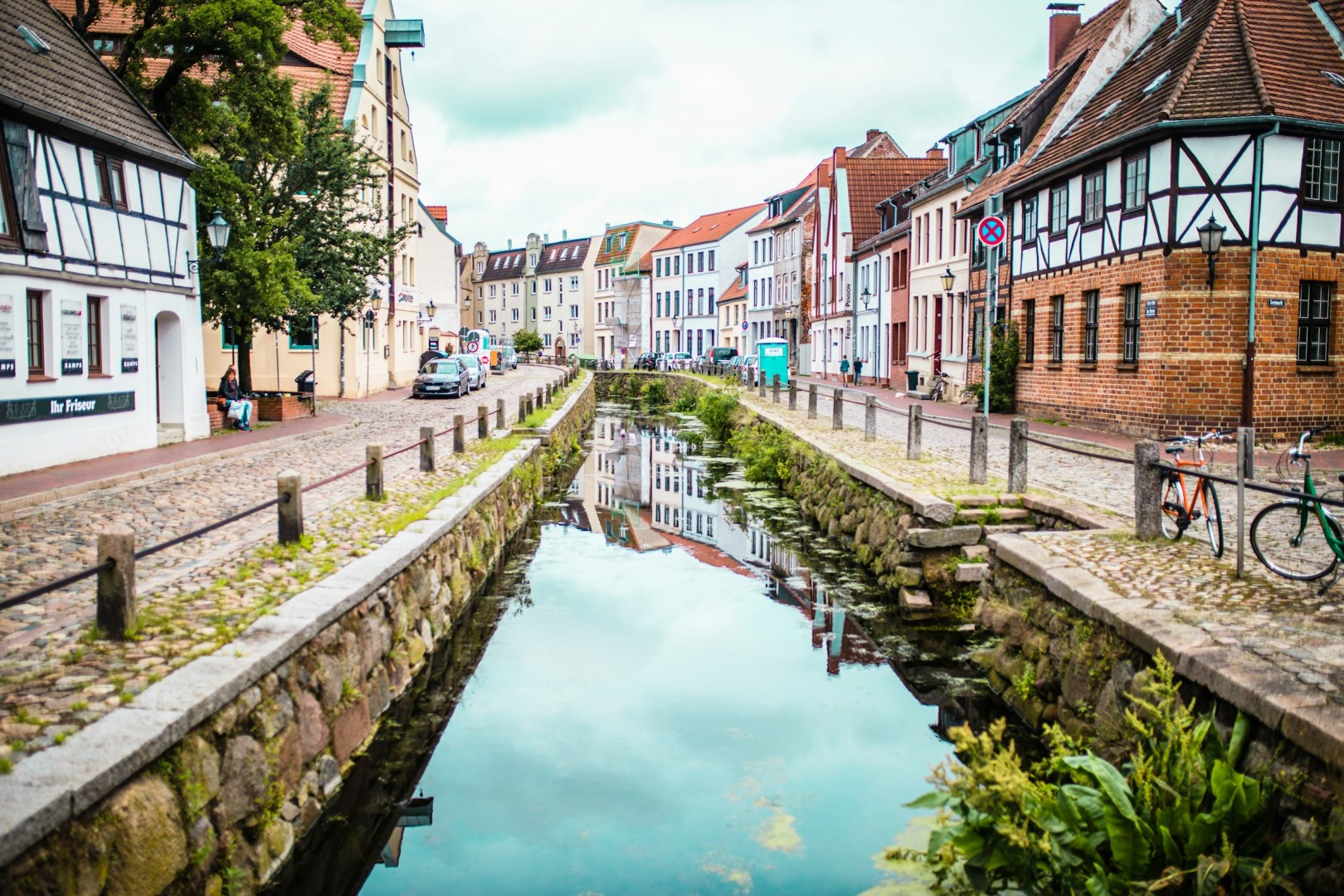
Wismar is a historic port city on Germany’s Baltic coast in the state of Mecklenburg-Western Pomerania. Its old town is known for a remarkably well-preserved medieval street plan, large brick churches, merchant houses, and a harbor connected to the Baltic Sea. The city’s architecture reflects its former importance within the Hanseatic trading network, while the waterfront continues to support maritime activity.
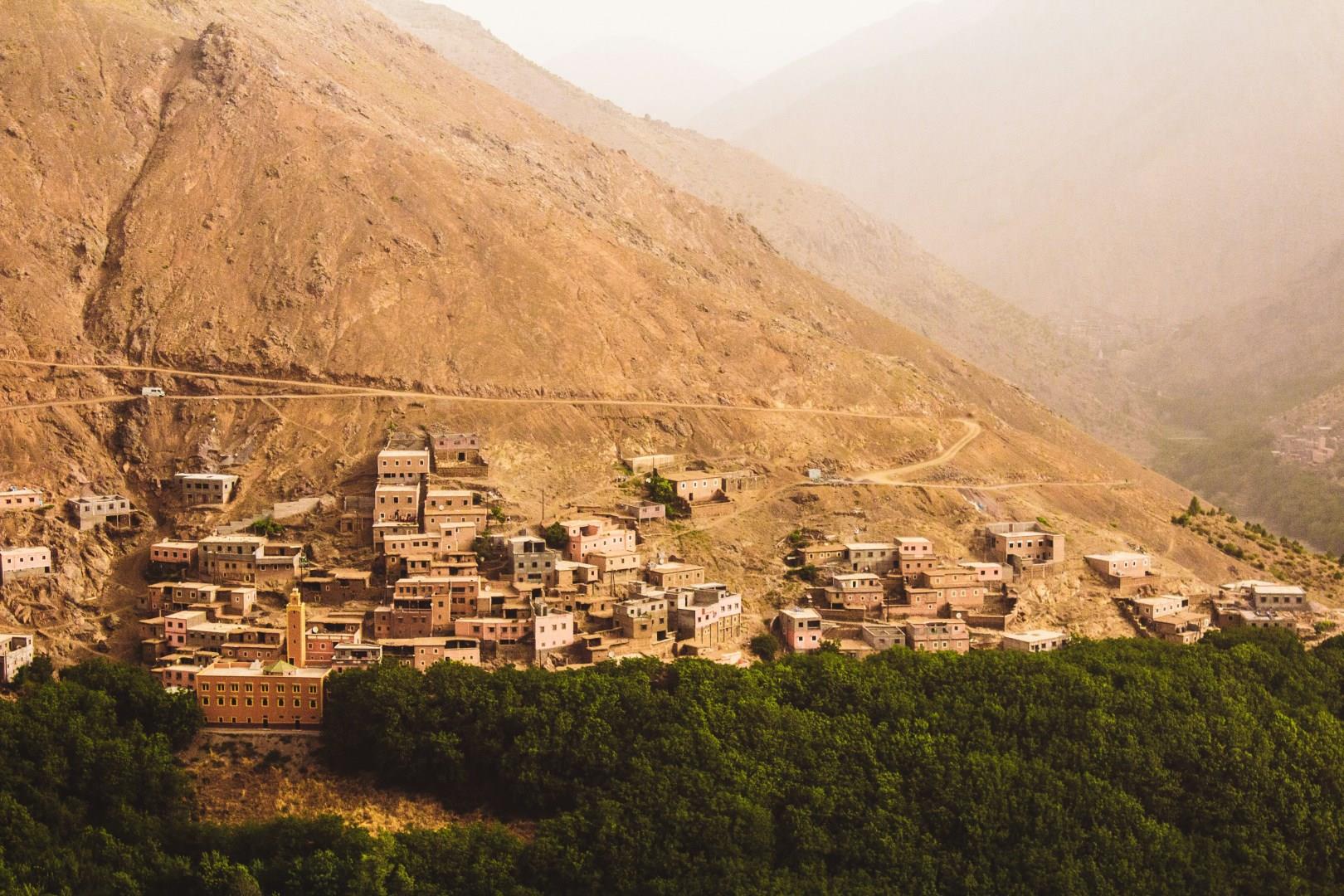
Imlil is a small Berber village nestled in the High Atlas Mountains of Morocco, serving as a gateway to the Toubkal National Park. Its history is tied to mountain agriculture and traditional life, with stone houses and terraced fields reflecting centuries of adaptation to the rugged terrain.
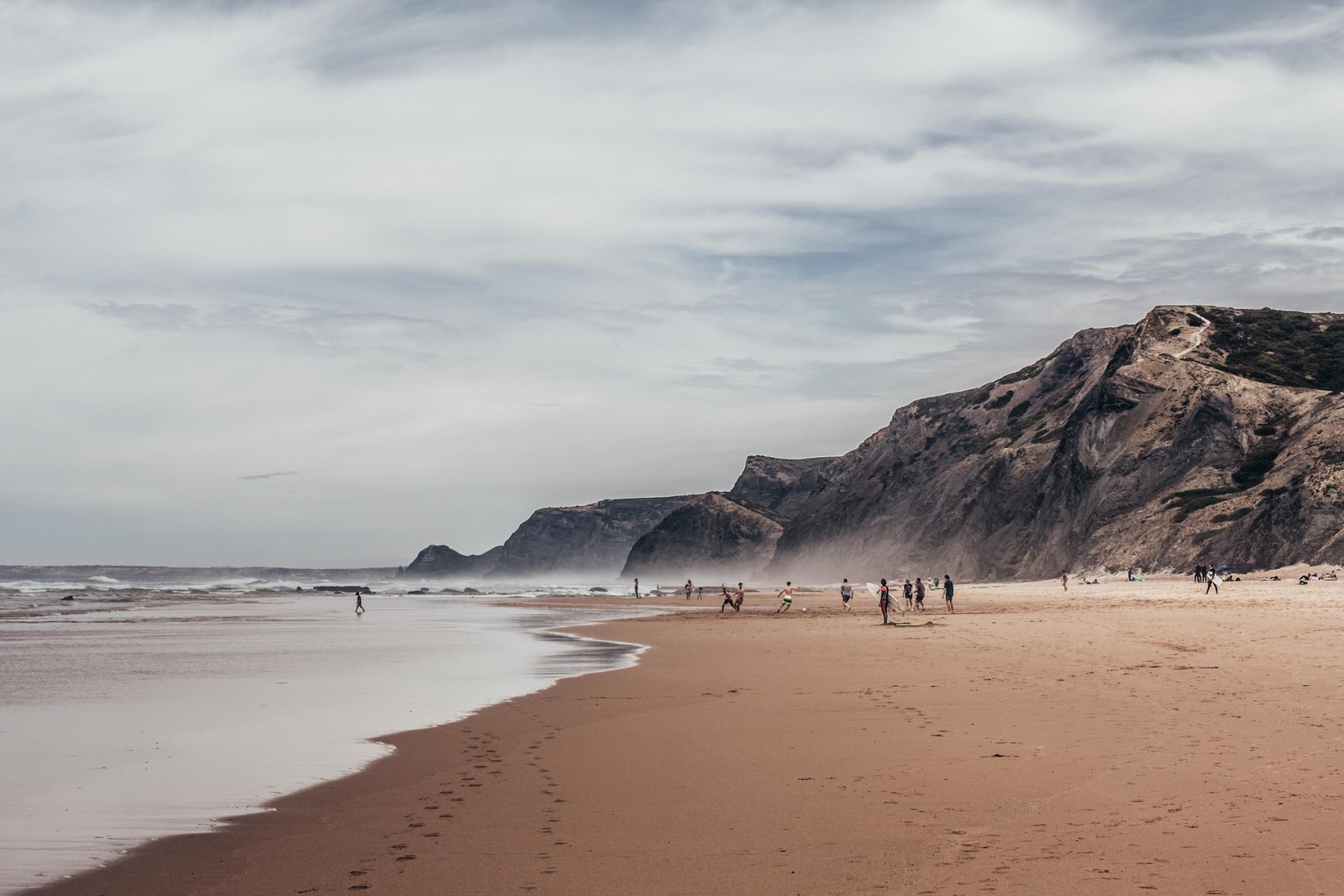
This is the most Moorish part of Portugal, the rich plain south of the Serra do Caldeirao, scalloped by the beaches and headlands of the Algarve. It is where, in early spring, blossoming almond trees carpet the still-brown hillsides with drifts of snow-like flowers, and the plain white facades of little houses are topped by intricately pierced chimneys that look like ice-cream cones.
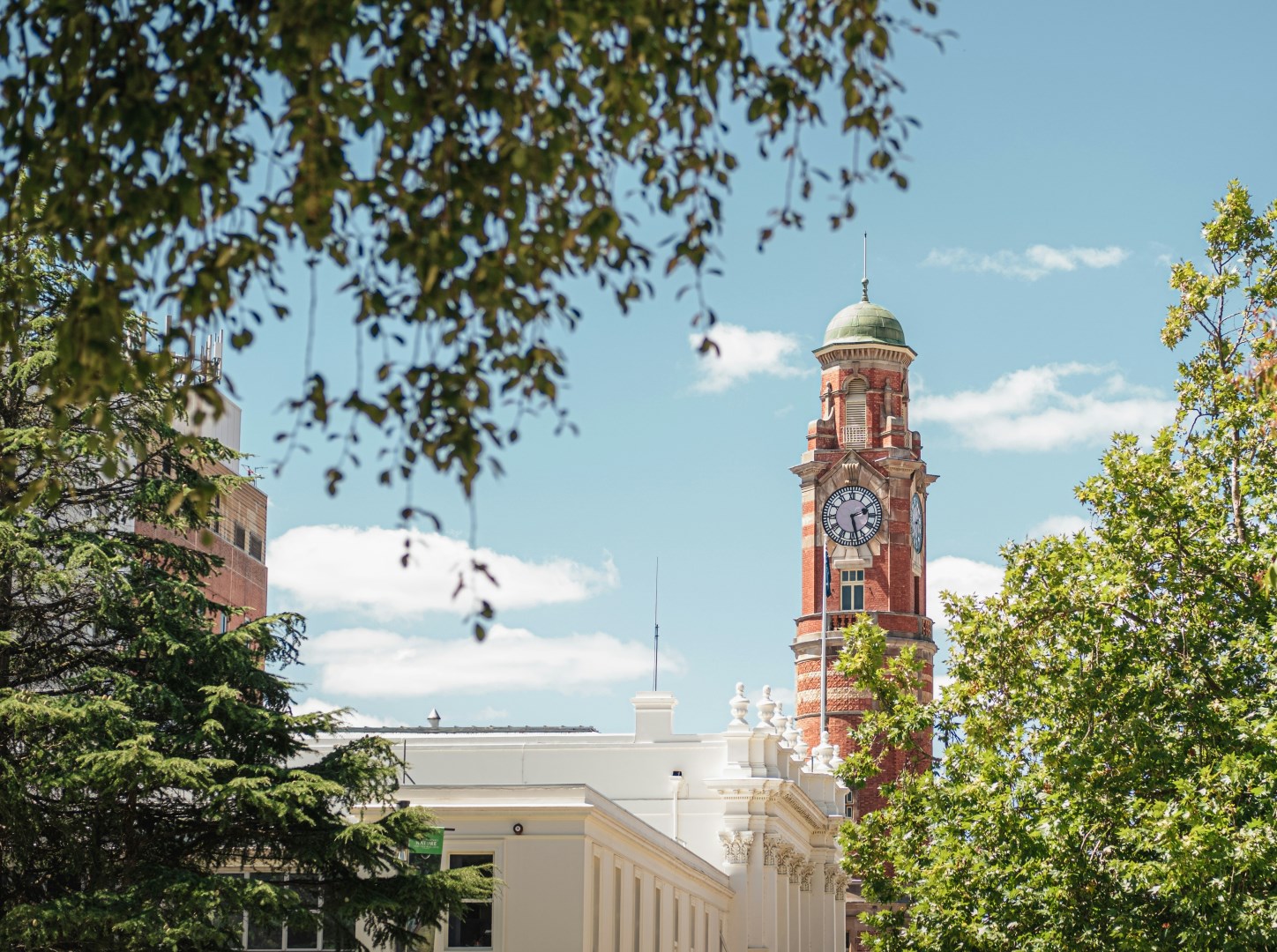
Launceston is a city in northern Tasmania, Australia, positioned where the Tamar, North Esk, and South Esk rivers meet. It serves as one of the island’s main urban centers and is known for its well-preserved streetscapes, public parks, and proximity to agricultural regions.
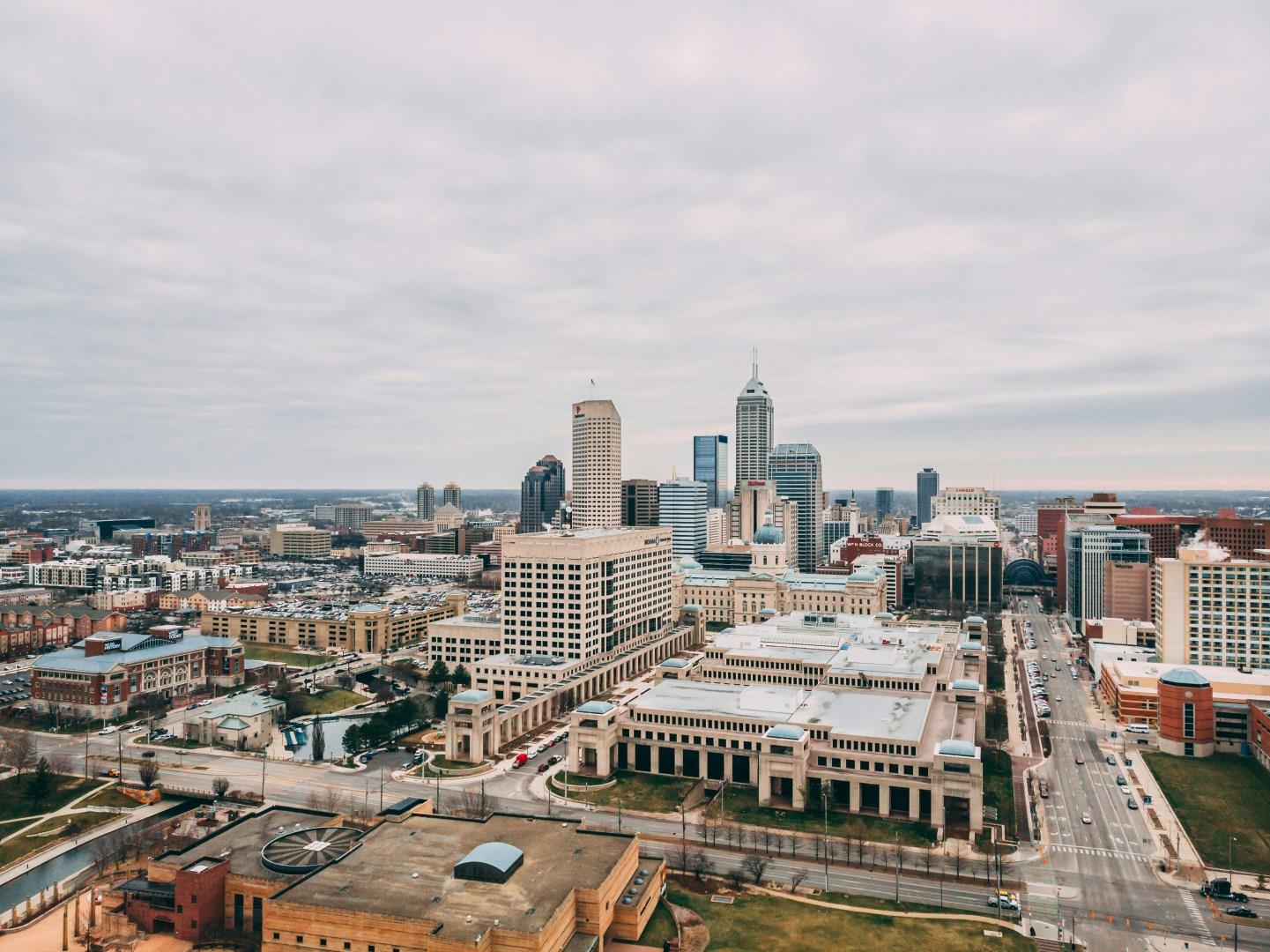
Indianapolis, known as the Crossroads of America, is more than just a hub for interstates and conventions, it’s a city where speed, sports, and creativity intersect. At the center of it all is Monument Circle, a grand civic plaza anchored by the Soldiers and Sailors Monument, which visitors can climb for panoramic views of the skyline. Just a few blocks away is the Indianapolis Motor Speedway, the largest sporting venue in the world by capacity.
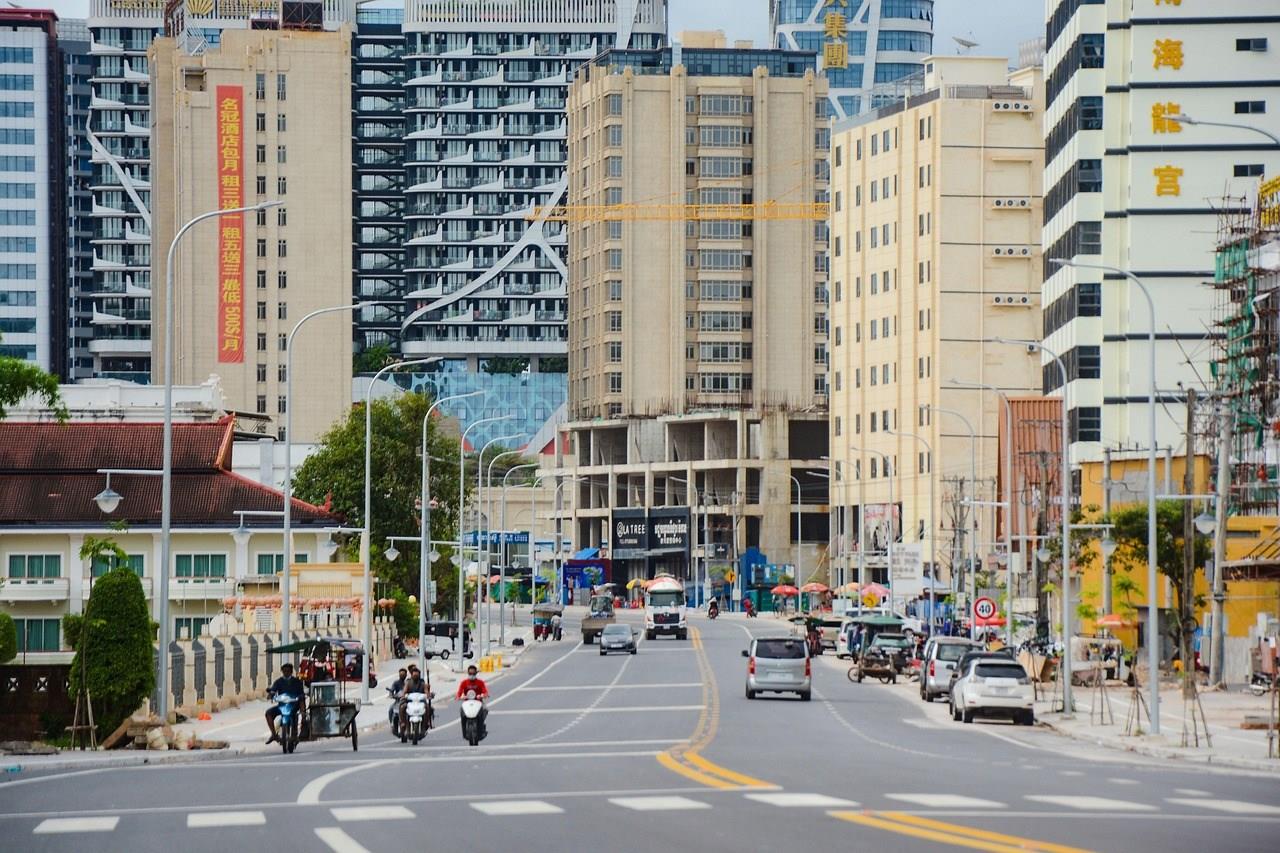
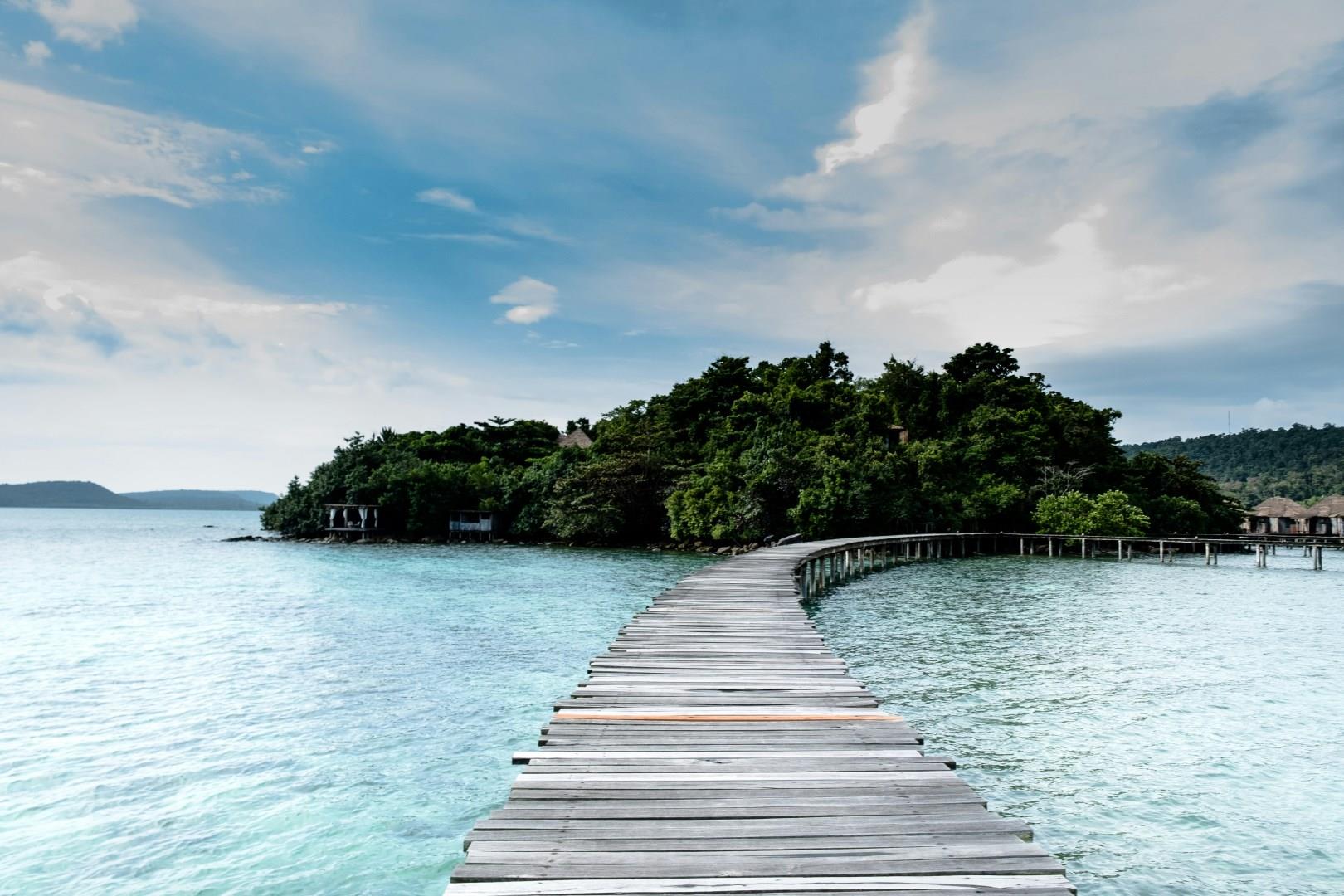
Nestled along Cambodia’s picturesque coastline, Sihanoukville offers an inviting retreat with its stunning beaches and vibrant culture. This coastal city, named after King Norodom Sihanouk, is renowned for its pristine white sand beaches and turquoise waters. The beaches of Otres, Serendipity, and Koh Rong are particularly popular, providing the perfect backdrop for relaxation and water sports. These serene spots are ideal for snorkeling, swimming, or simply lounging under the sun.
Sihanoukville’s charm extends beyond its beaches to its bustling Phsar Leu Market, where visitors can immerse themselves in local culture. This vibrant market offers an array of fresh produce, local handicrafts, and tantalizing street food. It’s a great place to experience the daily life of the locals and taste some of Cambodia’s unique culinary delights.
For a touch of adventure, take a trip to the nearby Koh Rong Samloem or explore the nearby islands, known for their spectacular marine life and unspoiled landscapes. The island offers opportunities for diving, kayaking, and hiking through lush jungle trails. The Ream National Park is another natural wonder worth exploring, featuring mangroves, tropical rainforests, and diverse wildlife.
Fun fact: Sihanoukville is often referred to as "Koh Rong’s Gateway" due to its role as a hub for travelers heading to the nearby islands. The city’s blend of beachside relaxation and vibrant local culture ensures a memorable experience for every visitor.
Other Popular Destinations in Cambodia
Siem Reap
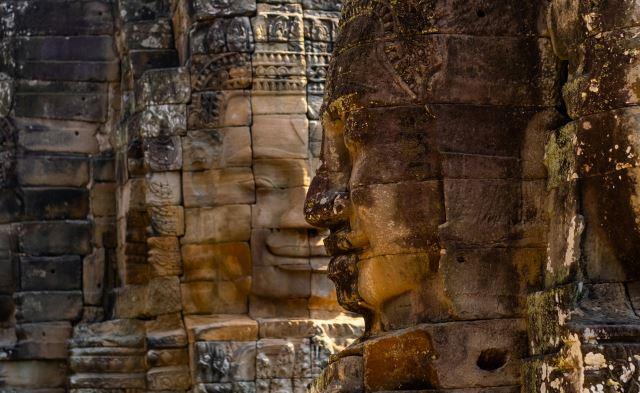
Siem Reap is best known as the gateway to Angkor, the ancient capital of the Khmer Empire, but the town itself offers far more than a launching point for temple exploration. Located in northwestern Cambodia, Siem Reap balances centuries-old traditions with a rapidly evolving cultural scene. Its streets are lined with colonial-era buildings, Buddhist pagodas, bustling markets, and open-air cafés.
Phnom Penh
Phnom Penh, the capital of Cambodia, is a city where history, culture, and riverside life intersect. Situated at the confluence of the Mekong and Tonle Sap rivers, the city has a lively riverfront that serves as both a social gathering place and a hub for commerce.