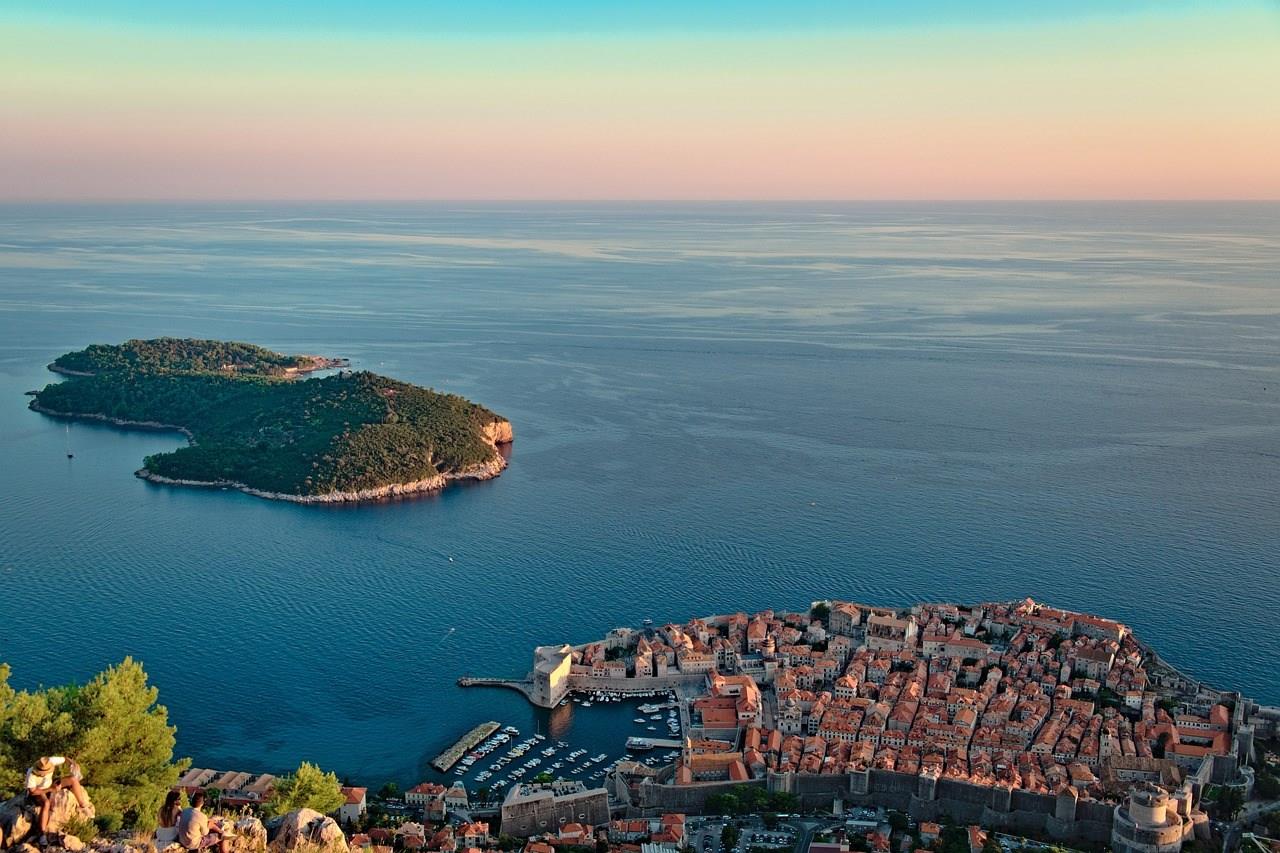
Norway offers a landscape shaped by glaciers, framed by fjords, and steeped in Viking history. The country's coastline stretches for over 100,000 kilometers if you count every inlet and island, which makes it one of the longest in the world. Travelers can take a ferry through the Geirangerfjord or cruise along the Lofoten Islands, where steep mountain peaks rise dramatically from the sea. These routes aren’t just scenic; they’ve been lifelines for coastal communities for centuries.
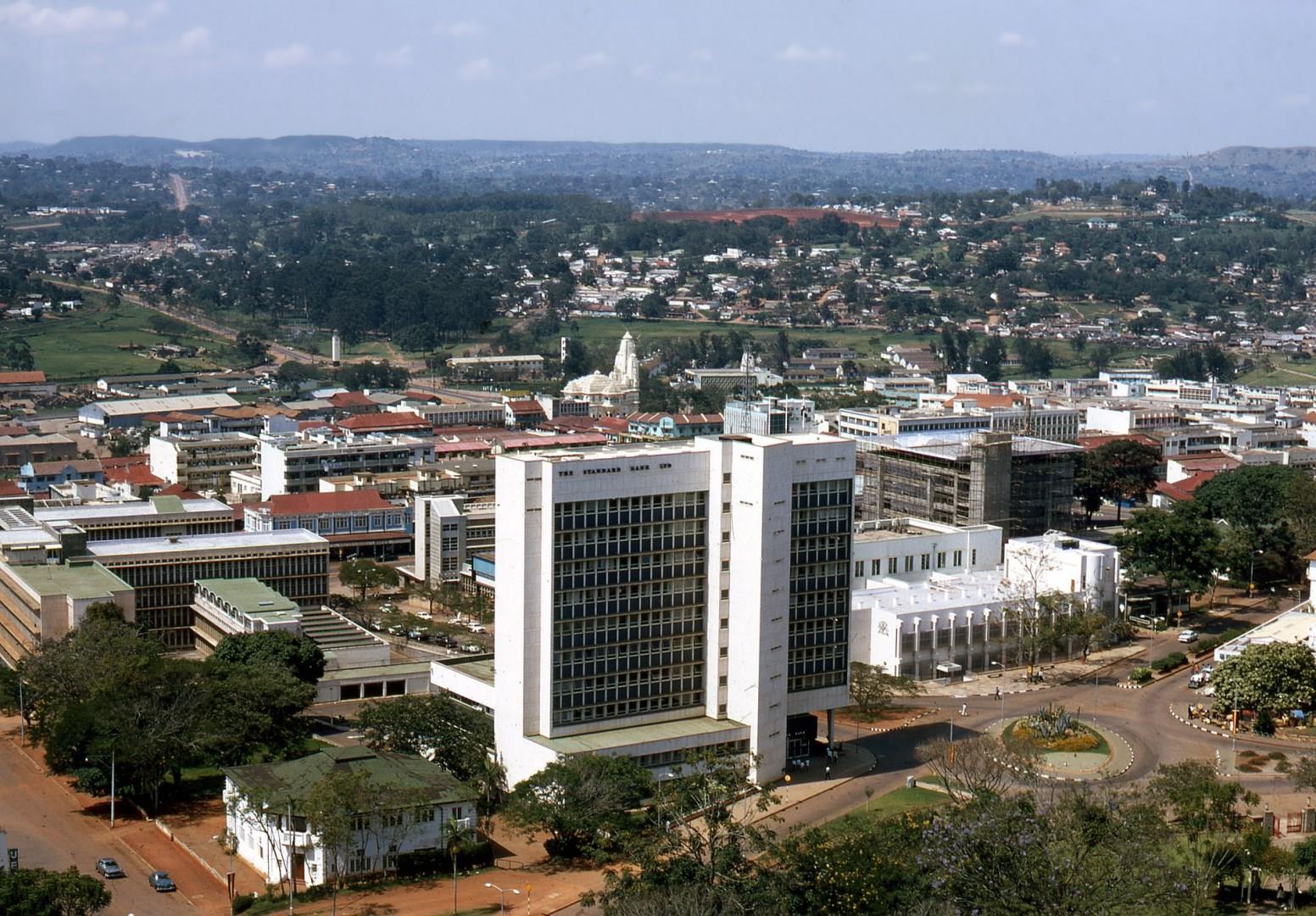
Guinea, located on the west coast of Africa, offers a rich blend of landscapes, cultures, and traditions that remain largely untouched by mass tourism. Its Atlantic shoreline is dotted with fishing villages and sandy beaches, while inland, rolling highlands and dense rainforests give way to sweeping savannas.
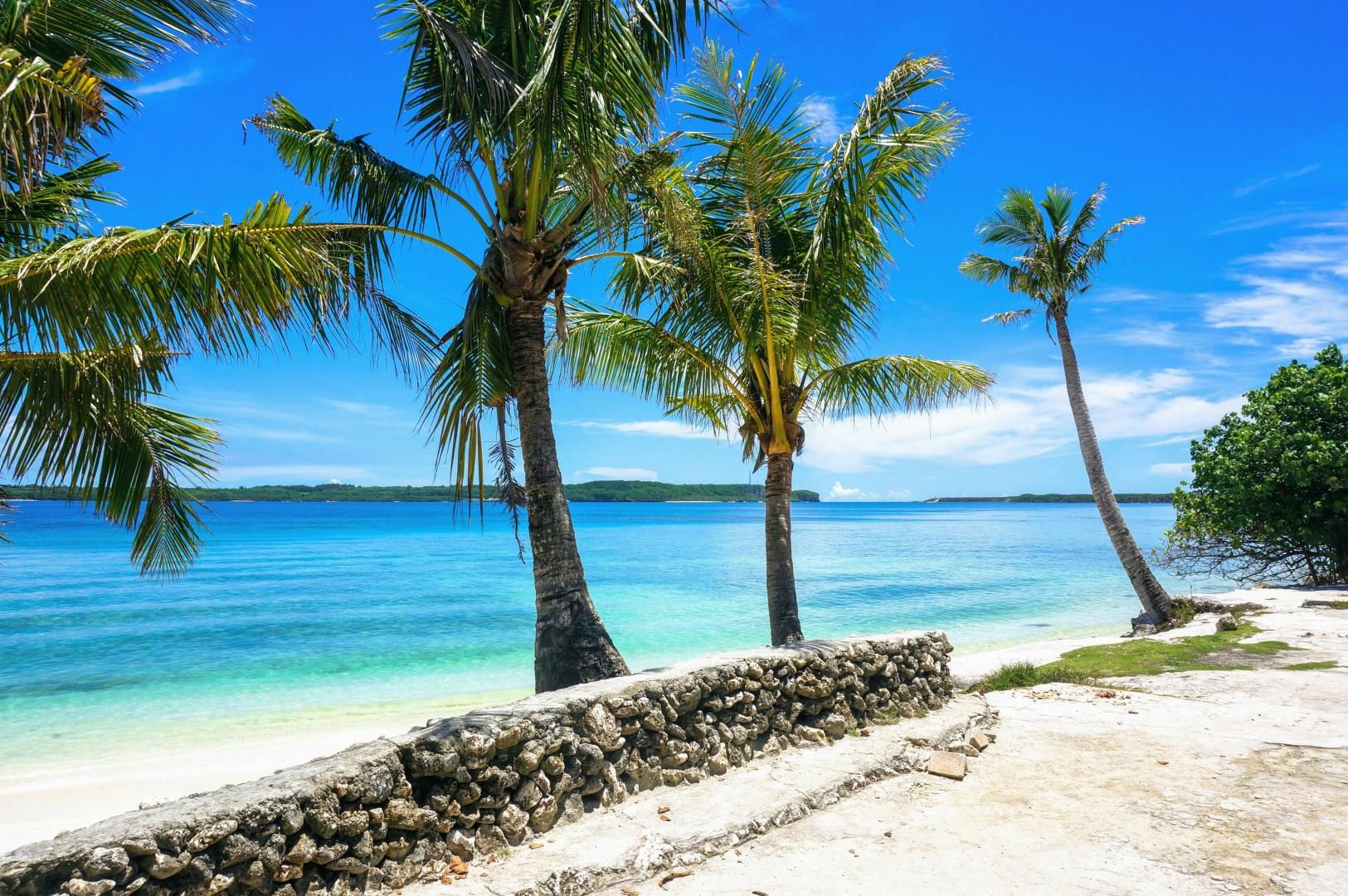
Krabi, located on the southwest coast of Thailand, is known for its towering limestone cliffs, warm Andaman waters, and a coastline dotted with over 150 islands. One of its most iconic sites is Railay Beach, which is accessible only by boat due to the cliffs that cut it off from the mainland. Railay is famous among rock climbers for its natural limestone formations, some of which hang directly over the sea.
Limón, located on Costa Rica’s Caribbean coast, is a city shaped by Afro-Caribbean heritage, maritime trade, and lush tropical surroundings. Founded in the late 19th century as a port for exporting bananas and coffee, Limón developed a distinct cultural identity influenced by Jamaican, West African, and Central American traditions.
St. Ives, a picturesque seaside town on the north coast of Cornwall, England, is a charming blend of stunning natural beauty and rich cultural heritage. With its golden sandy beaches, crystal-clear waters, and quaint cobbled streets, St. Ives has long been a haven for artists, surfers, and sun-seekers alike. The town's vibrant atmosphere is palpable in its bustling harbor, where fishing boats sway with the tide and seaside cafés offer fresh, locally caught seafood.
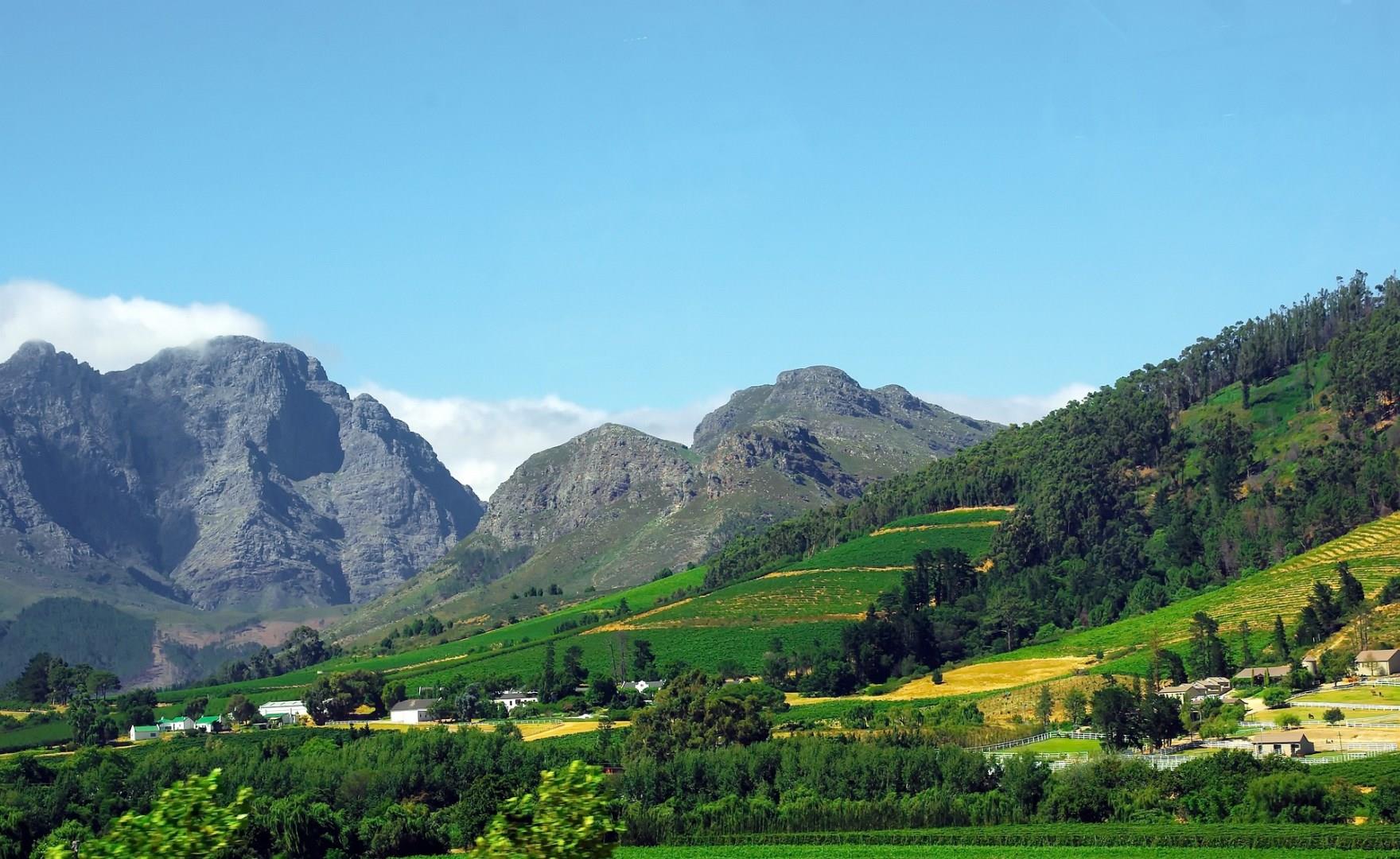
Nestled in the heart of South Africa’s Cape Winelands, Franschhoek is a charming village renowned for its exquisite vineyards and rich history. Founded by French Huguenots in the late 17th century, the village’s French heritage is palpable in its architecture, cuisine, and local culture. Wander through its picturesque streets and enjoy a blend of historic buildings and modern boutiques, or take a leisurely stroll through the Franschhoek Village Market, which features artisanal goods and fresh local produce.
Franschhoek is a premier destination for wine enthusiasts. The region boasts some of South Africa’s most celebrated wine estates, including the historic La Motte and the elegant Boschendal. Tour the estates to sample award-winning wines and explore lush vineyards set against stunning mountain backdrops. For a unique experience, consider a wine tram tour, which allows you to hop on and off at various estates and savor the local vintages while soaking in the beautiful landscape.
The culinary scene in Franschhoek is equally impressive. Renowned for its gourmet restaurants and cafes, the village offers a gastronomic adventure with a focus on locally-sourced ingredients and innovative cuisine. Top dining spots include La Petite Colombe, which features fine dining with a contemporary twist, and the French-inspired Reubens Restaurant. Don’t miss the annual Franschhoek Bastille Festival, a vibrant celebration of French culture with wine, food, and live entertainment.
Fun fact: Franschhoek is also home to the Huguenot Memorial Museum, which provides insights into the lives of the Huguenots and their influence on South African culture. This museum, located in a tranquil garden setting, offers a fascinating look into the village’s origins and is a must-visit for history buffs.