Aberdare National Park
Aberdare National Park is a 311 square mile sanctuary on an isolated volcanic massif which forms part of the eastern wall of the Rift Valley. Part of the larger forest reserve, the Aberdares are covered with a dense rainforest and provide spectacular views over the Rift Valley. Bird life is abundant with more than 200 species.
Cousin Island
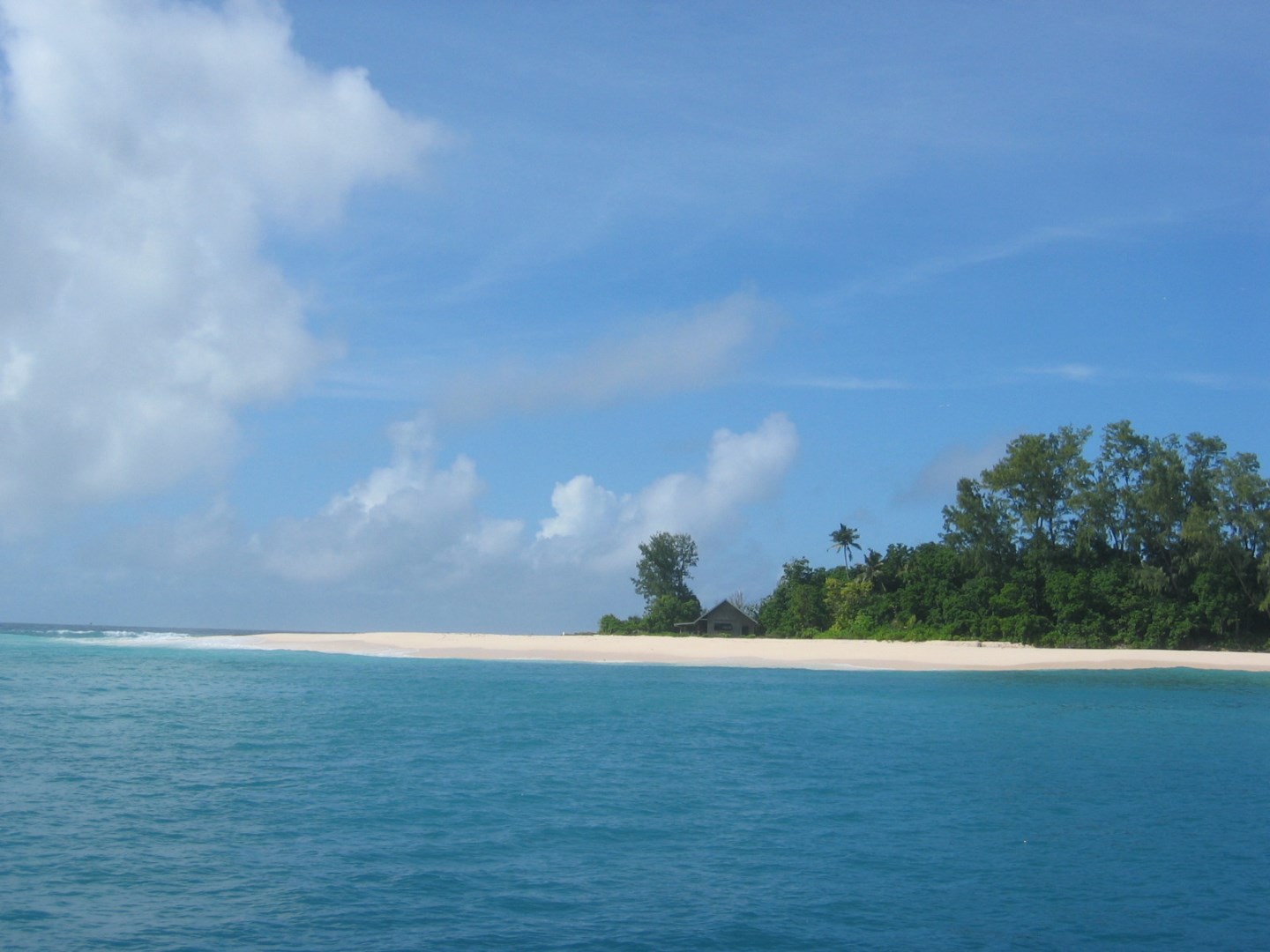
Cousin Atoll, a gem in the Seychelles, is renowned for its unspoiled natural beauty and thriving ecosystems. Located approximately 7 kilometers southwest of Praslin Island, this small, crescent-shaped atoll offers a pristine escape into nature. Its white sandy beaches, crystal-clear waters, and vibrant coral reefs make it an ideal destination for eco-tourists and nature enthusiasts
Santa Margarita
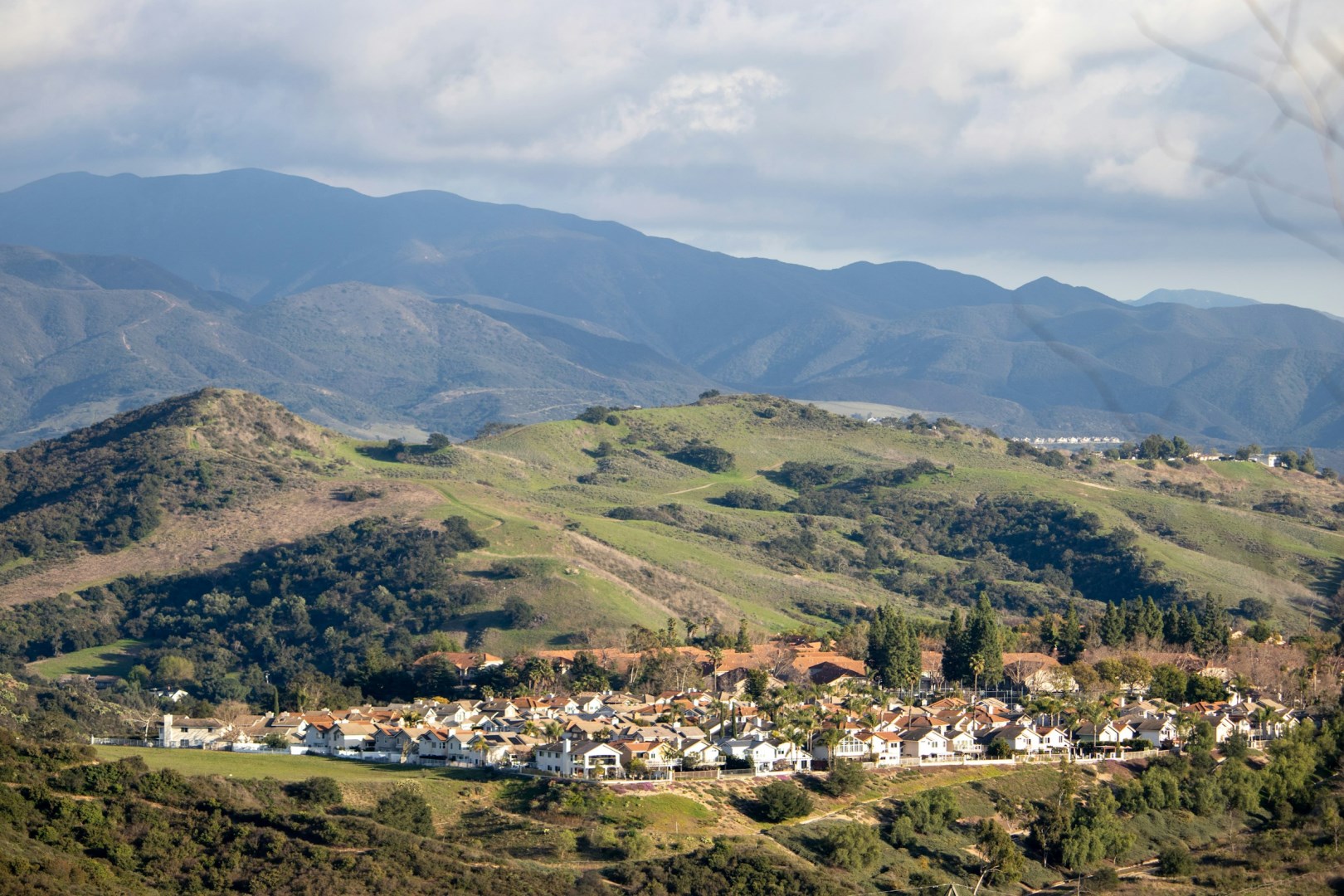
Santa Margarita is a small community in San Luis Obispo County, set among rolling hills and oak-covered countryside near the southern edge of the Santa Lucia Mountains. Located along the historic El Camino Real corridor, it has a rural character shaped by ranching, agriculture, and its position between the Salinas Valley and the Central Coast. The town sits near Santa Margarita Lake and is surrounded by open grasslands, vineyards, and wooded hills.
Bad Gastein
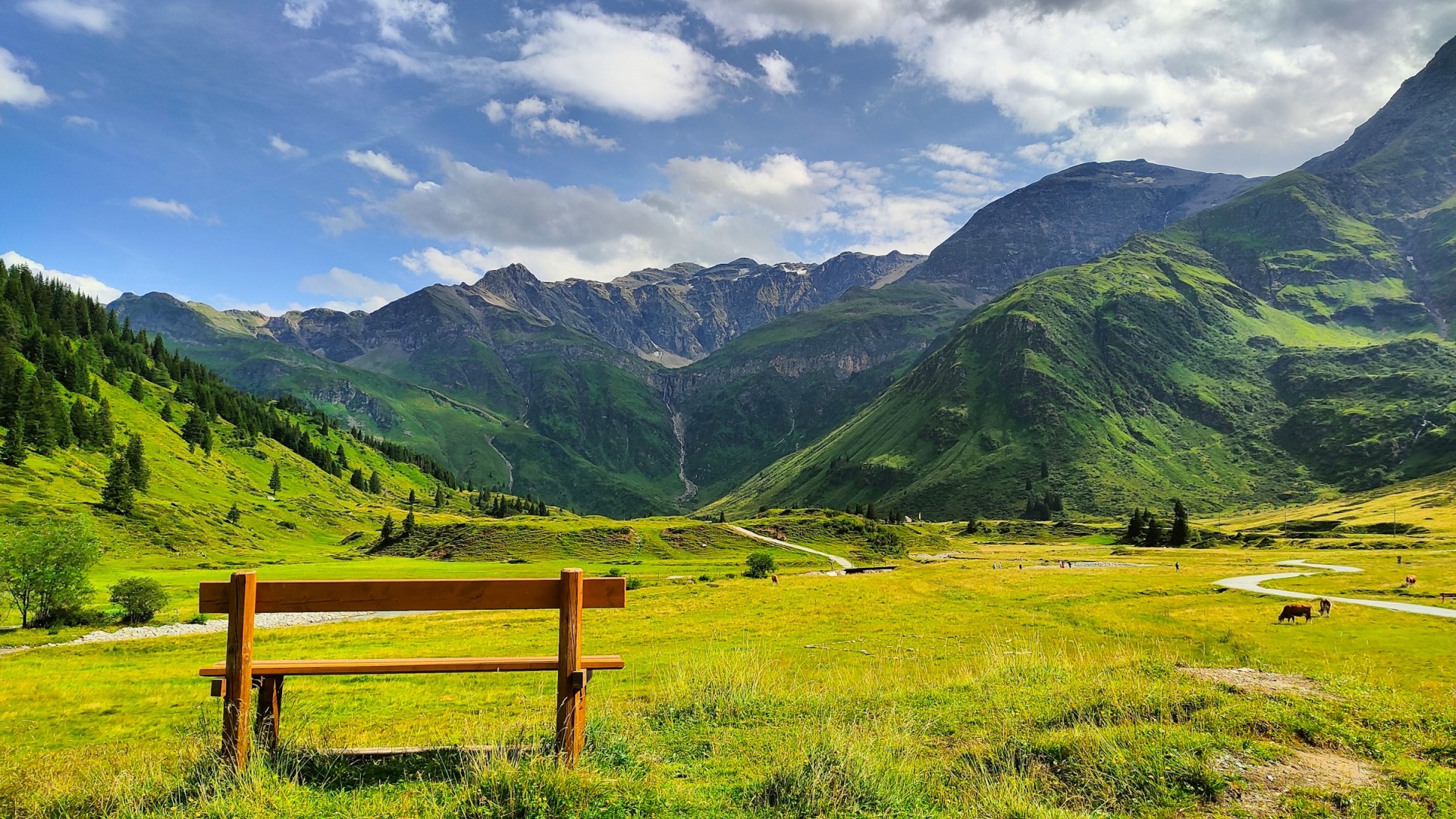
Bad Gastein is a mountain spa town in the Gastein Valley of Salzburg province, set at about 1,000 meters above sea level within the Hohe Tauern region. The town is built on steep slopes around the Gasteiner Ache, with historic buildings rising above the valley and mountains surrounding the settlement. Its most distinctive feature is the Gastein Waterfall, which drops through the center of town in three stages.
Santa Cruz Island
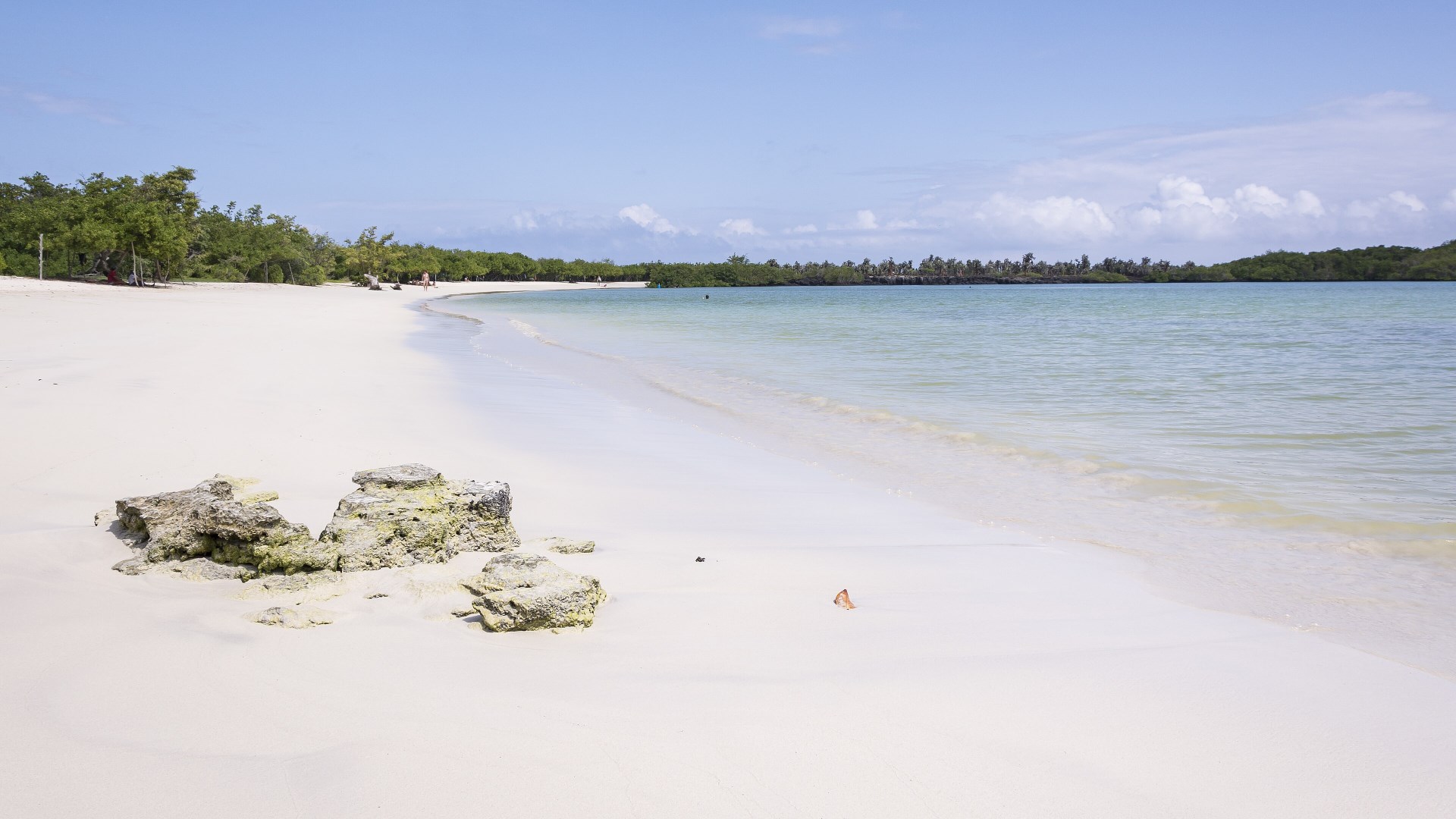
Santa Cruz Island is the beating heart of the Galápagos and is home to the largest town in the archipelago, Puerto Ayora, and a key access point for travelers exploring this unique region. But beyond its small port and shops, the island reveals a surprising range of ecosystems, from black lava shores to lush highlands where giant tortoises roam freely.