Byron Bay
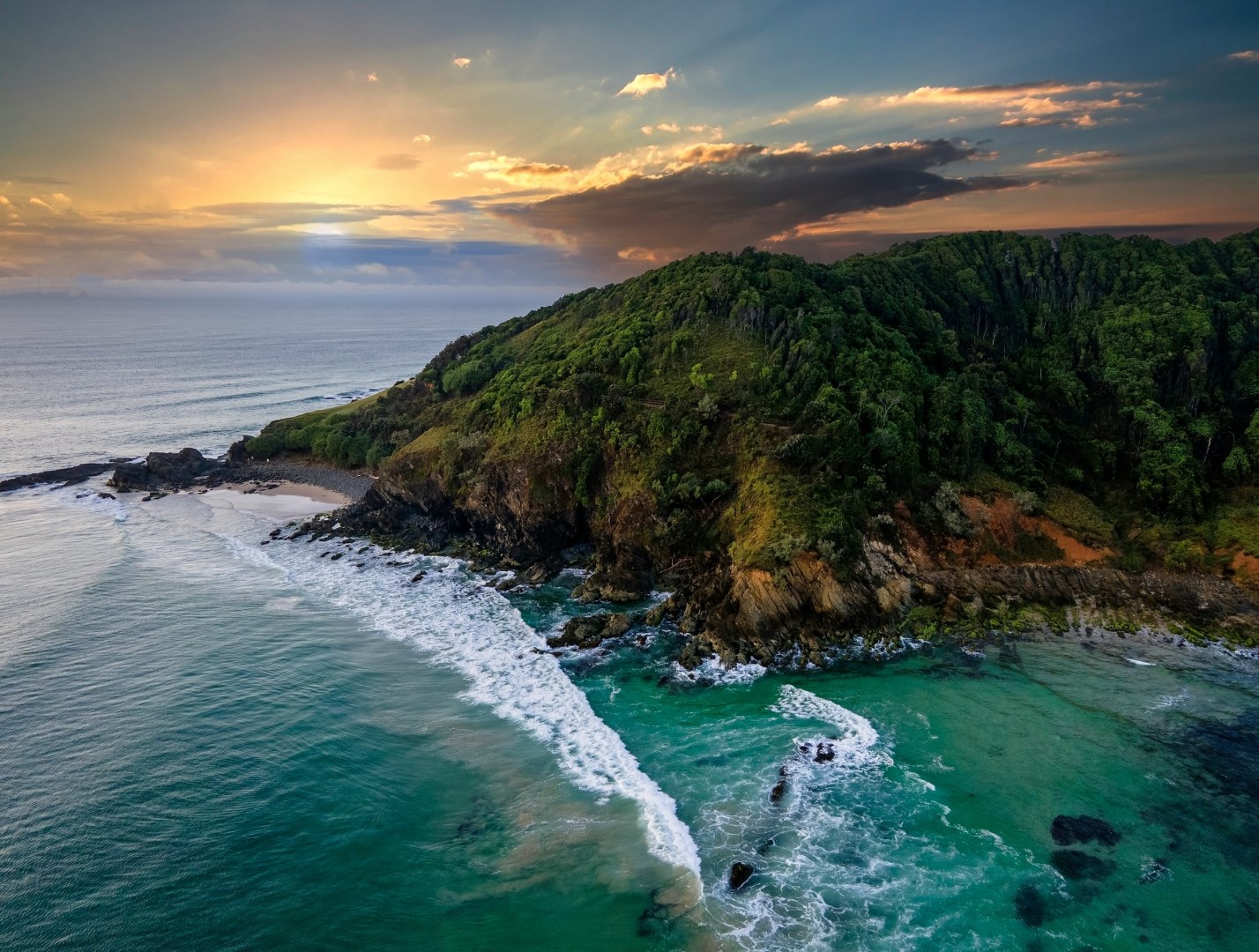
Byron Bay lies on the far north coast of New South Wales, Australia, where wide beaches meet the deep blue Pacific and the point of land known as Cape Byron marks the easternmost tip of the mainland. Standing tall above the coastline, the Cape Byron Lighthouse has guided ships since 1901 and now greets walkers and sightseers who take the scenic cliff-top path for views stretching toward whales during their migration season.
Sudan
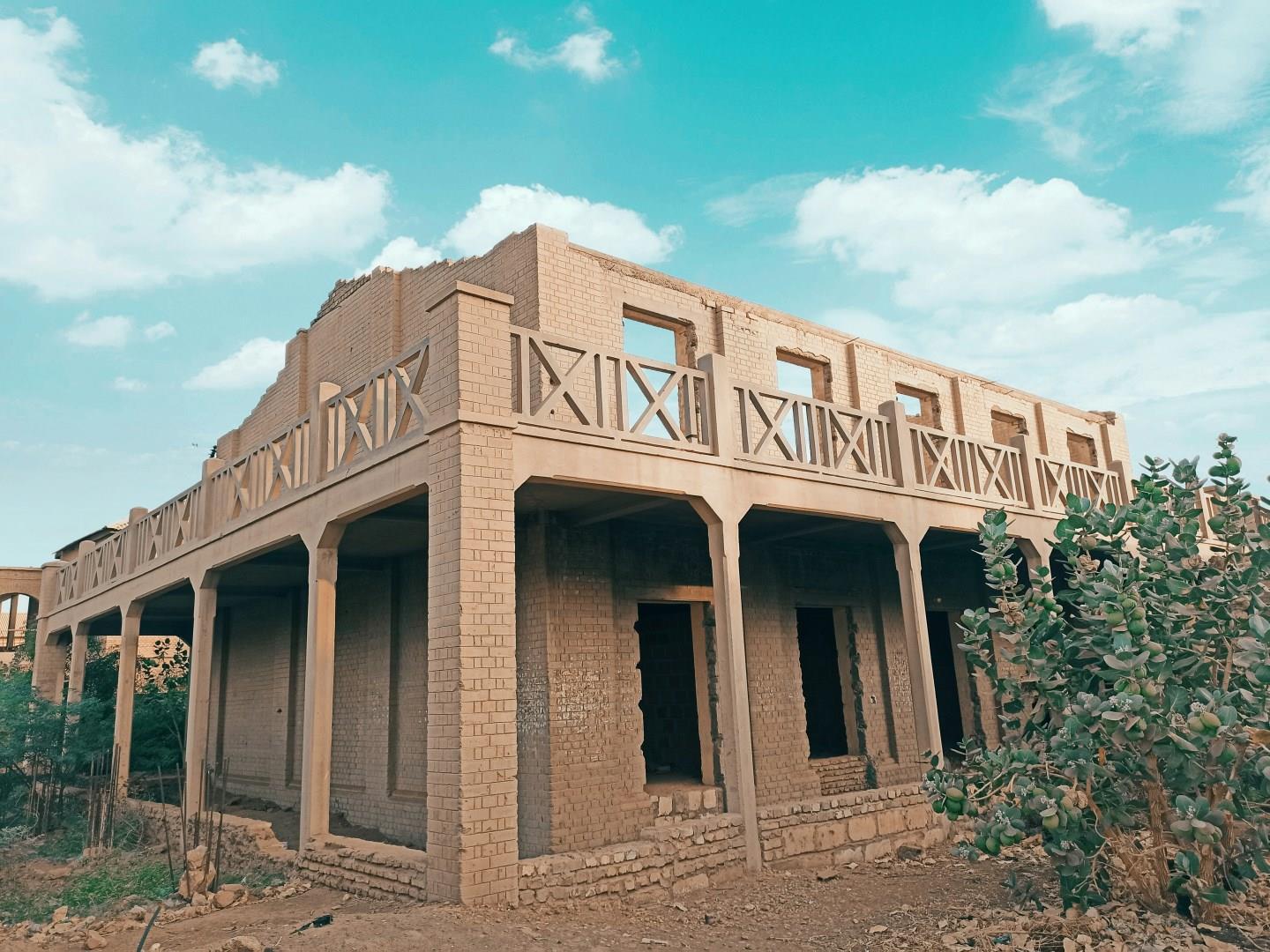
Sudan, located in northeastern Africa, is a country of diverse landscapes, from the vast Sahara Desert in the north to the fertile Nile Valley in the center. The Nile River, one of the world’s longest, runs through the country, shaping both its agriculture and history.

Wales
Wales is a country where centuries-old castles rise above green valleys and coastlines are marked by rugged cliffs and quiet coves. Its capital, Cardiff, combines modern architecture with historical landmarks like Cardiff Castle, which has Roman origins and a Victorian Gothic interior. Just outside the city, St Fagans National Museum of History offers a walk-through experience of Welsh life over the past 500 years, with original buildings relocated from across the country.
Gyeongju-si
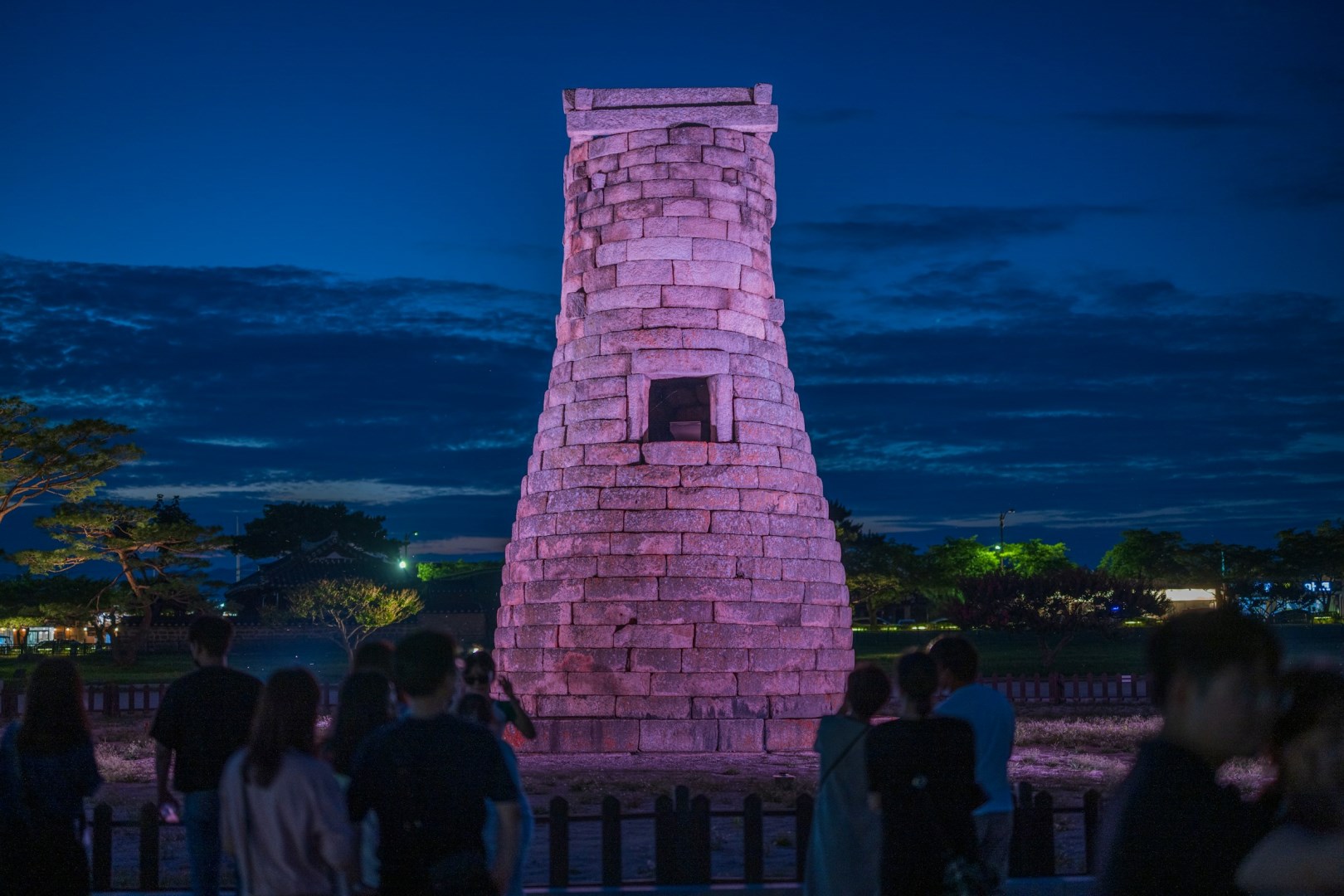
Gyeongju-si is a historic city in southeastern South Korea known for its close connection with the Silla kingdom and its concentration of archaeological sites, temples, royal tombs, and Buddhist monuments. Much of the city’s heritage is spread across open landscapes rather than confined to a single historic center. The Gyeongju Historic Areas include Mount Namsan, the Wolseong area, royal tomb complexes, and the remains of major temples and palaces.
Chilean Patagonia
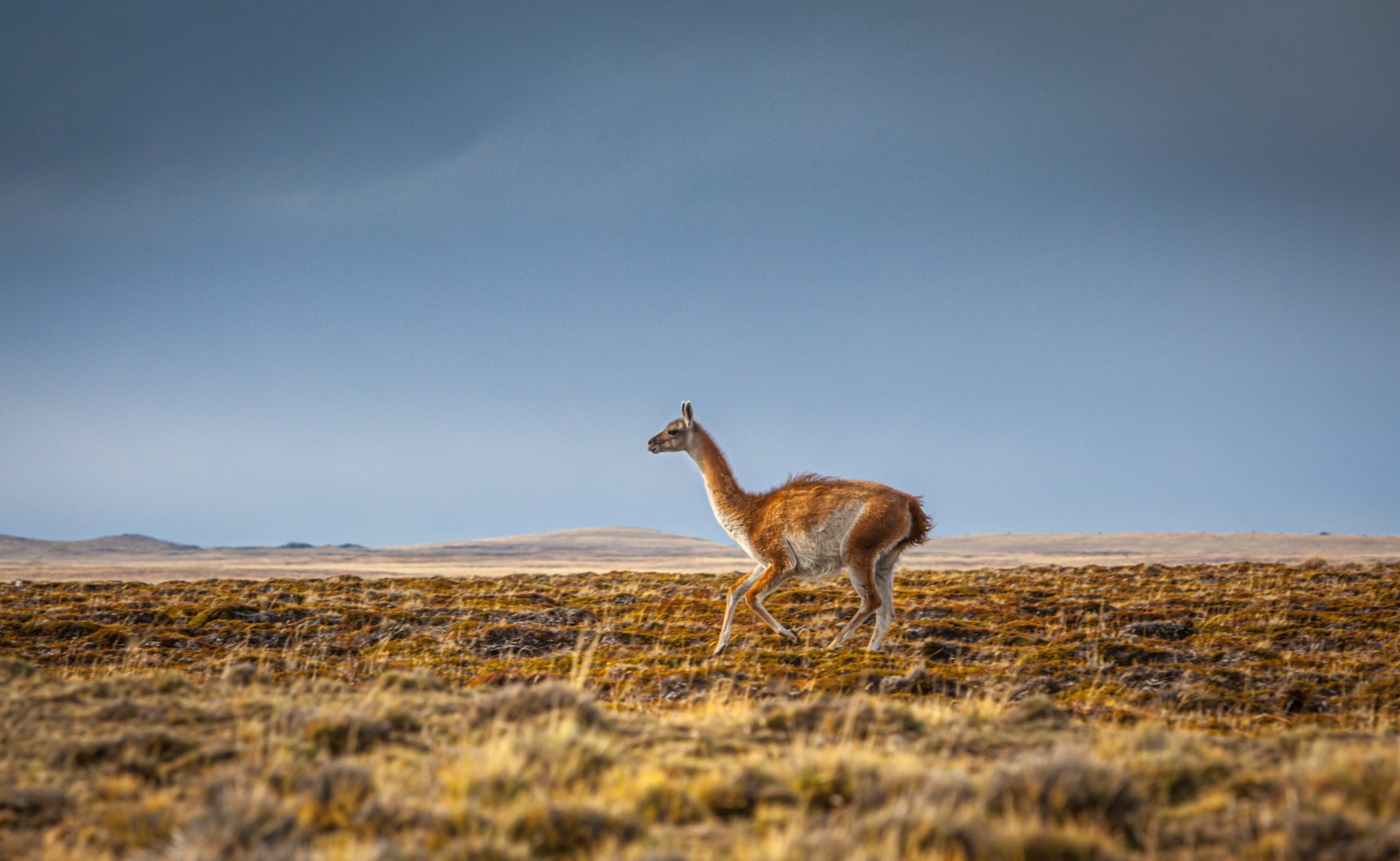
Chilean Patagonia is a vast southern region extending from the fjords and forests of Aysén to the mountains, steppes, and channels of Magallanes. Rather than a single destination, it encompasses remote towns, national parks, glaciers, islands, and long stretches of sparsely settled landscape. The Carretera Austral provides one of its main overland routes, linking places such as Coyhaique, Puerto Río Tranquilo, and Villa O’Higgins through forests, rivers, mountains, and fjords.