Makarska
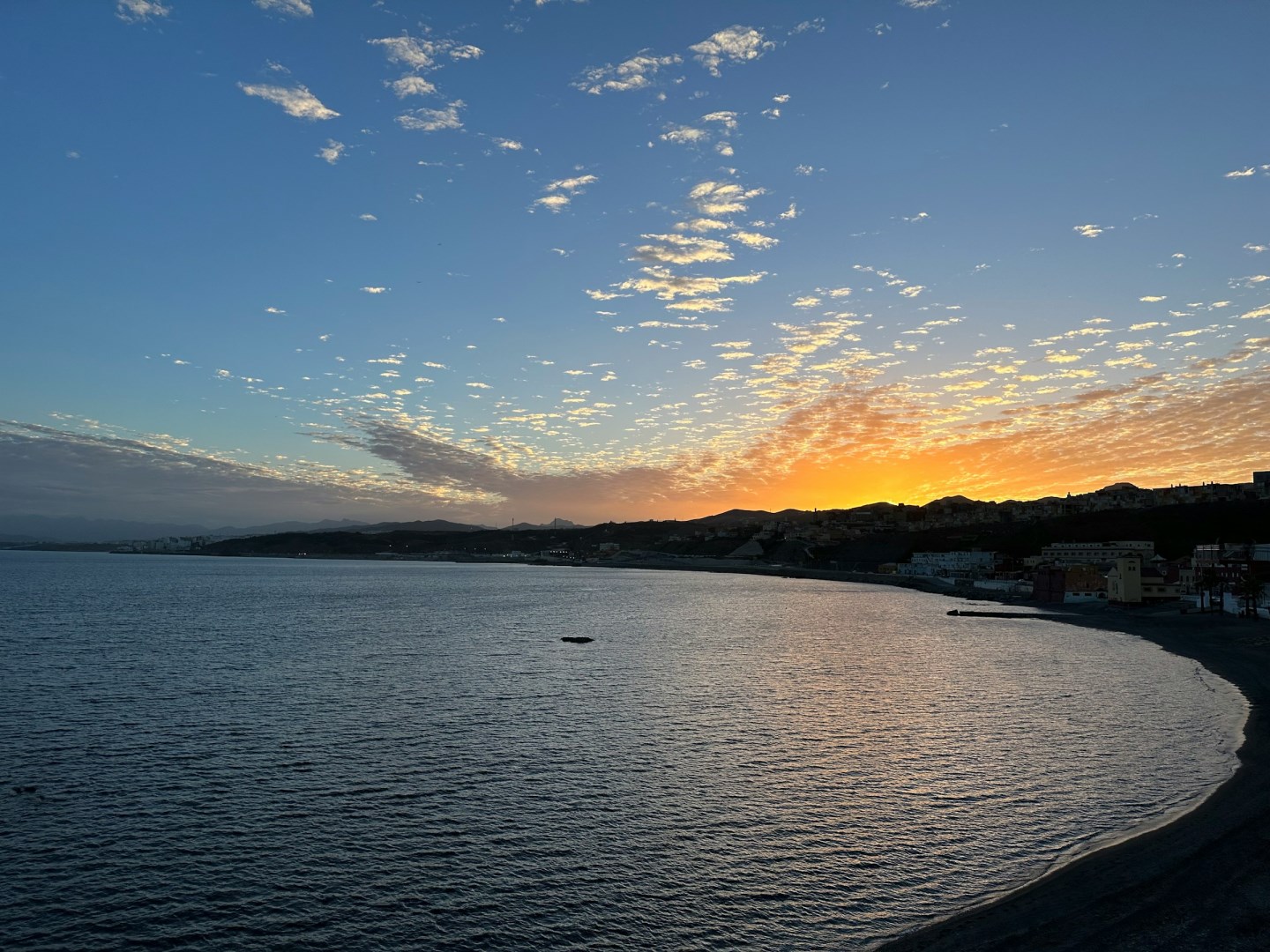
Makarska, nestled along the stunning Dalmatian Coast of Croatia, is a gem that blends natural beauty with vibrant culture. The town is renowned for its picturesque setting between the Biokovo Mountain range and the azure waters of the Adriatic Sea. The Makarska Riviera boasts some of Croatia's most beautiful beaches, such as Punta Rata, known for its fine pebbles and crystal-clear water.

Bardolino
Nestled along the southeastern shores of Lake Garda, Bardolino offers a quintessential Italian experience filled with charm, history, and natural beauty. Known for its rolling vineyards and olive groves, Bardolino is the heart of one of Italy’s most celebrated wine regions. Here, you can stroll through narrow, cobbled streets lined with pastel-colored buildings, visit cozy enotecas to sample the renowned Bardolino DOC wines, or enjoy a lakeside meal in a trattoria.
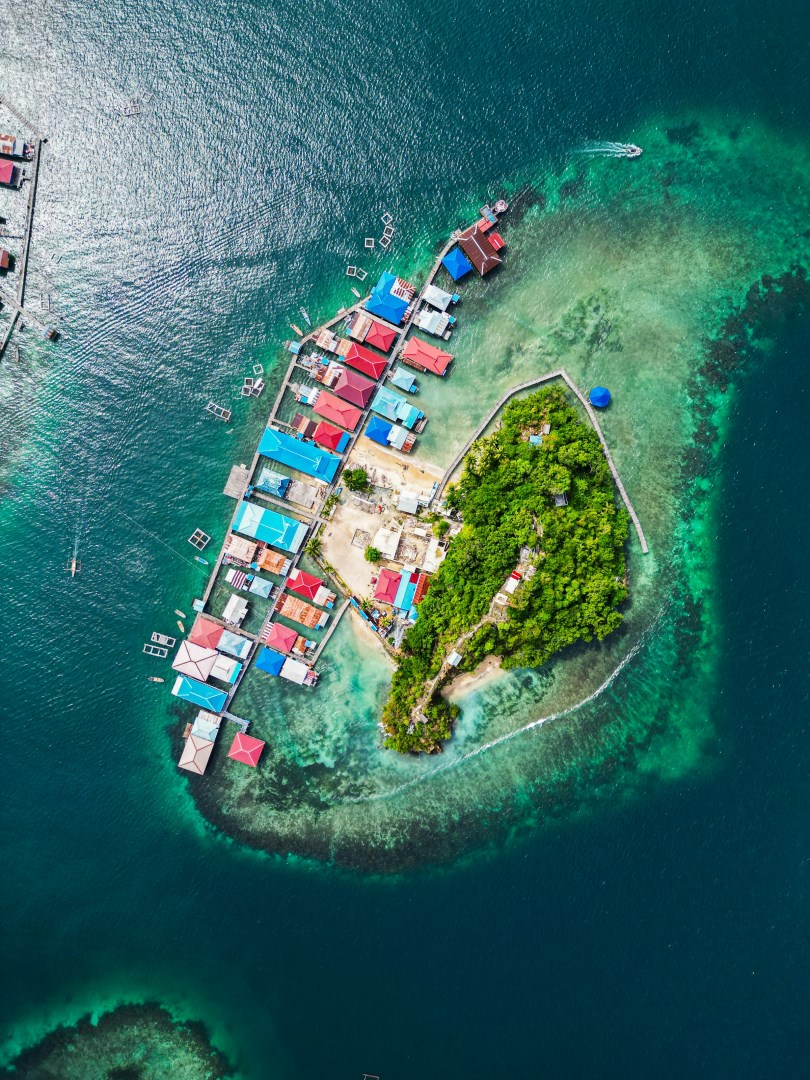
Jayapura
Jayapura is a part of Irian Jaya and shares a landmass with Papua New Guinea and it's peoples culture is very similar to the Papuans. From snow capped mountains to jungles, from swamps to glaciers there is much to explore in this less traveled, diverse region.
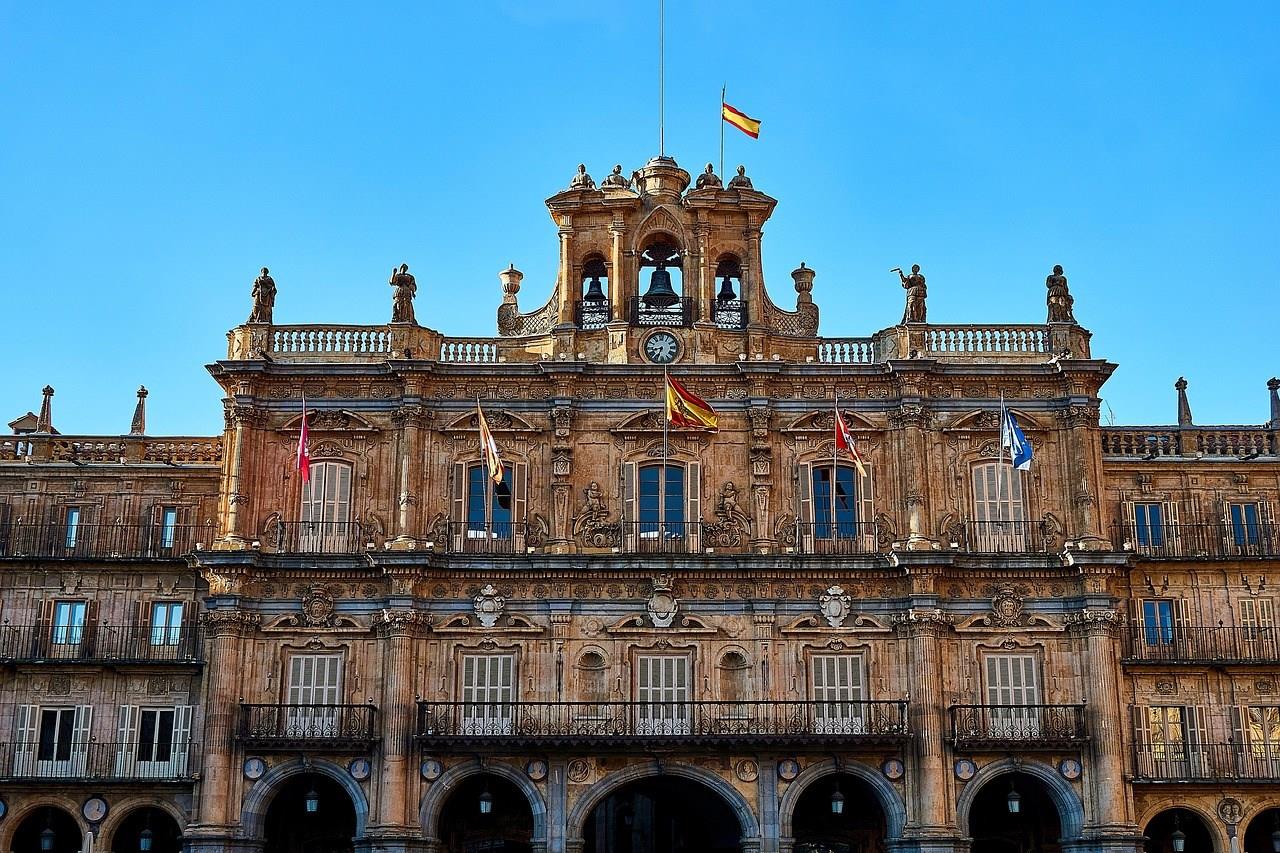
Salamanca
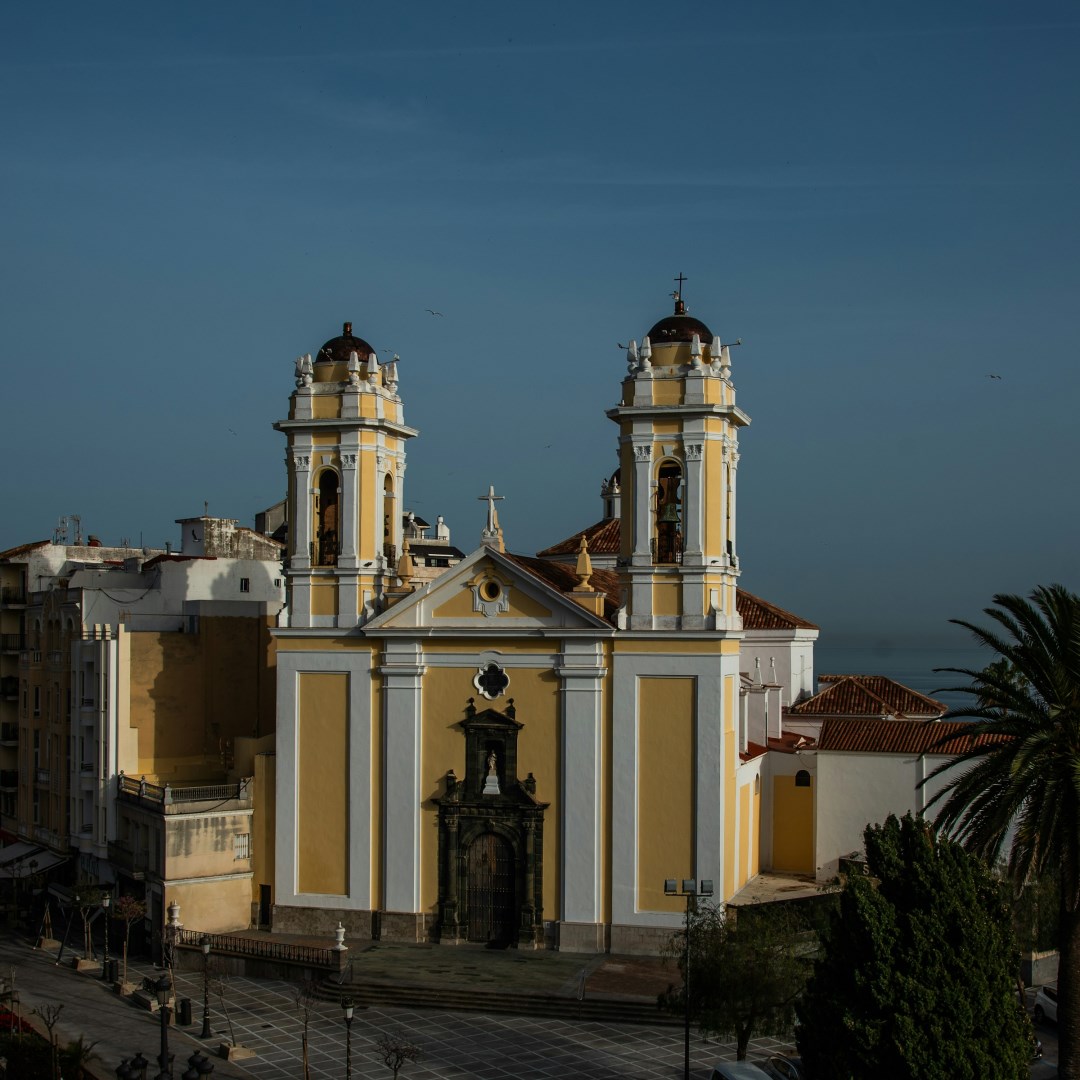
Salamanca, often called the “Golden City” for the warm glow of its sandstone buildings, is a place where centuries of stories are etched into every wall. Visit its historic center to wander through cobbled streets lined with architectural marvels. The University of Salamanca, founded in 1218, is one of the oldest in Europe and still buzzes with student life.
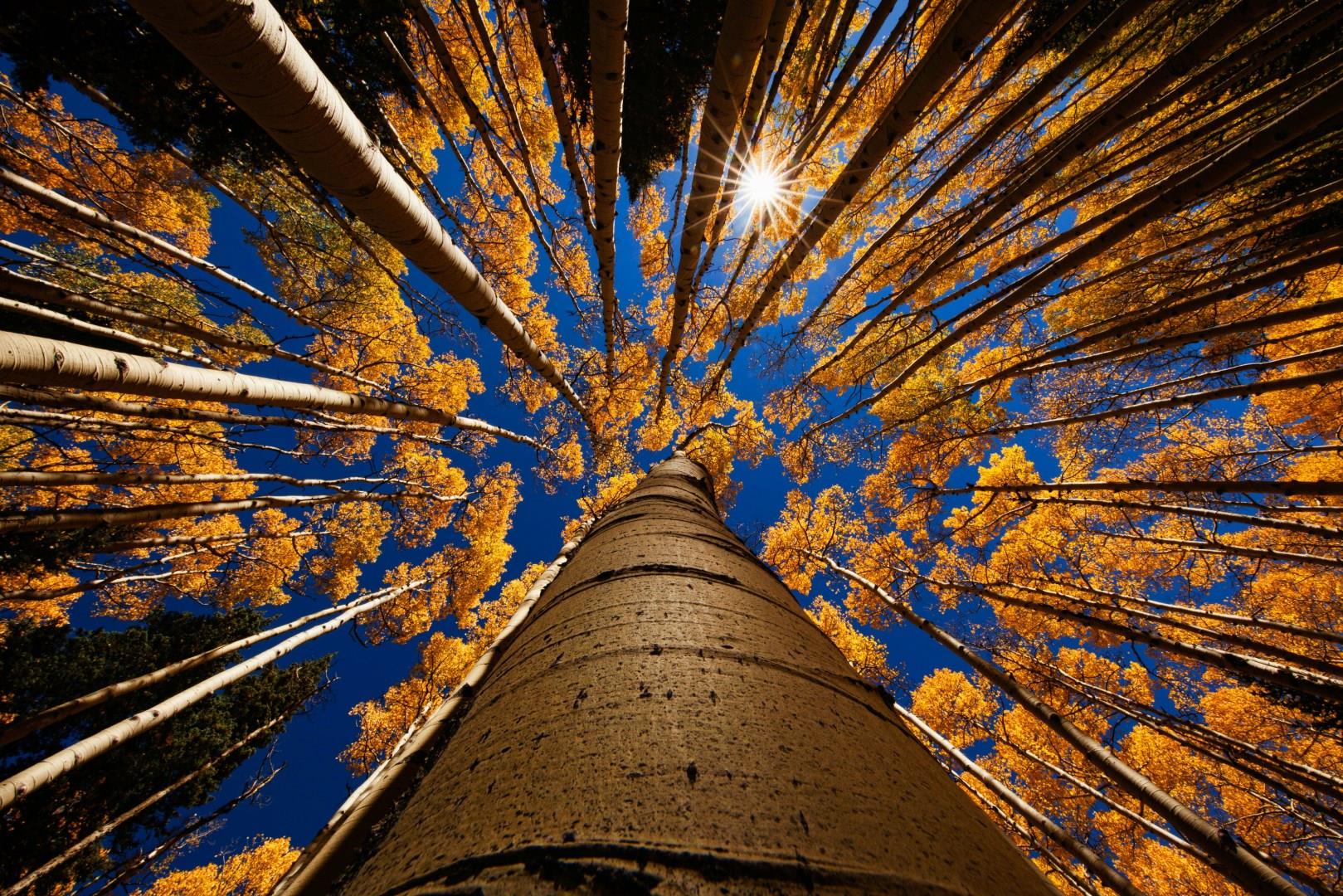
Flagstaff
Flagstaff, Arizona, is a mountain town that perfectly blends the charm of a small community with the excitement of outdoor adventure and rich cultural experiences. Nestled at the base of the San Francisco Peaks, Flagstaff serves as a gateway to some of the Southwest's most iconic landscapes, including the Grand Canyon, which is just a short drive away.