The Mediterranean Sea is more than a body of water, it’s a living crossroads of civilizations, flavors, and landscapes. Stretching across three continents and touching over 20 countries, it has been a stage for ancient empires, maritime trade, and cultural exchange for thousands of years. From the sun-drenched shores of southern Spain to the whitewashed villages of the Greek islands, each coastline tells a different story.
Des Moines, Iowa’s capital city, offers a refreshing take on Midwest travel with a blend of creativity, history, and community pride. Its downtown skyline is anchored by the gold-domed Iowa State Capitol, which offers free guided tours and a striking view from its hilltop perch. Just across the river, the East Village mixes old brick storefronts with indie shops, coffee houses, and vibrant murals. It's where old meets new, a theme that runs throughout the city’s evolving identity.
Tortuguero, located on Costa Rica’s remote northern Caribbean coast, is a destination unlike any other in the country. Accessible only by boat or small aircraft, this coastal village sits between the Caribbean Sea and a network of freshwater canals. Its name, meaning "place of turtles," comes from the thousands of sea turtles that arrive annually to lay their eggs on its beaches, including green, leatherback, and hawksbill turtles.
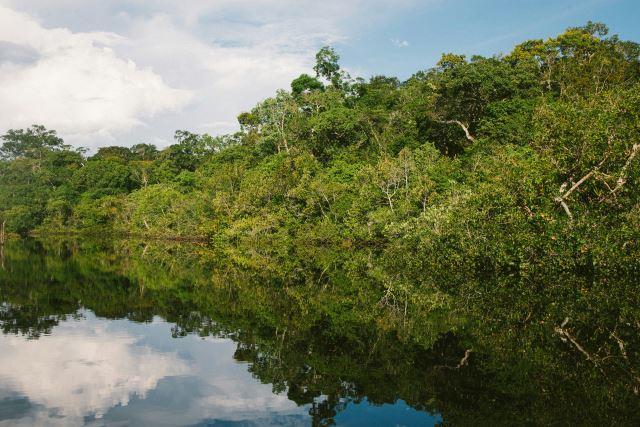
Located in the Madre de Dios region of southeastern Peru, Tambopata is a protected area where visitors can experience the Amazon rainforest in its rawest form. The Tambopata National Reserve spans over 270,000 hectares and is home to an estimated 1,200 butterfly species, 600 bird species, and hundreds of tree varieties. One of its most famous residents is the jaguar, though sightings are rare. More common encounters include red howler monkeys, capybaras, and giant river otters.
Surfers Paradise is located along the Gold Coast. The 300 days of sunshine throughout the year make it perfect for enjoying the beach. Golfing, wildlife parks and theme parks are just a few of the many things to do.
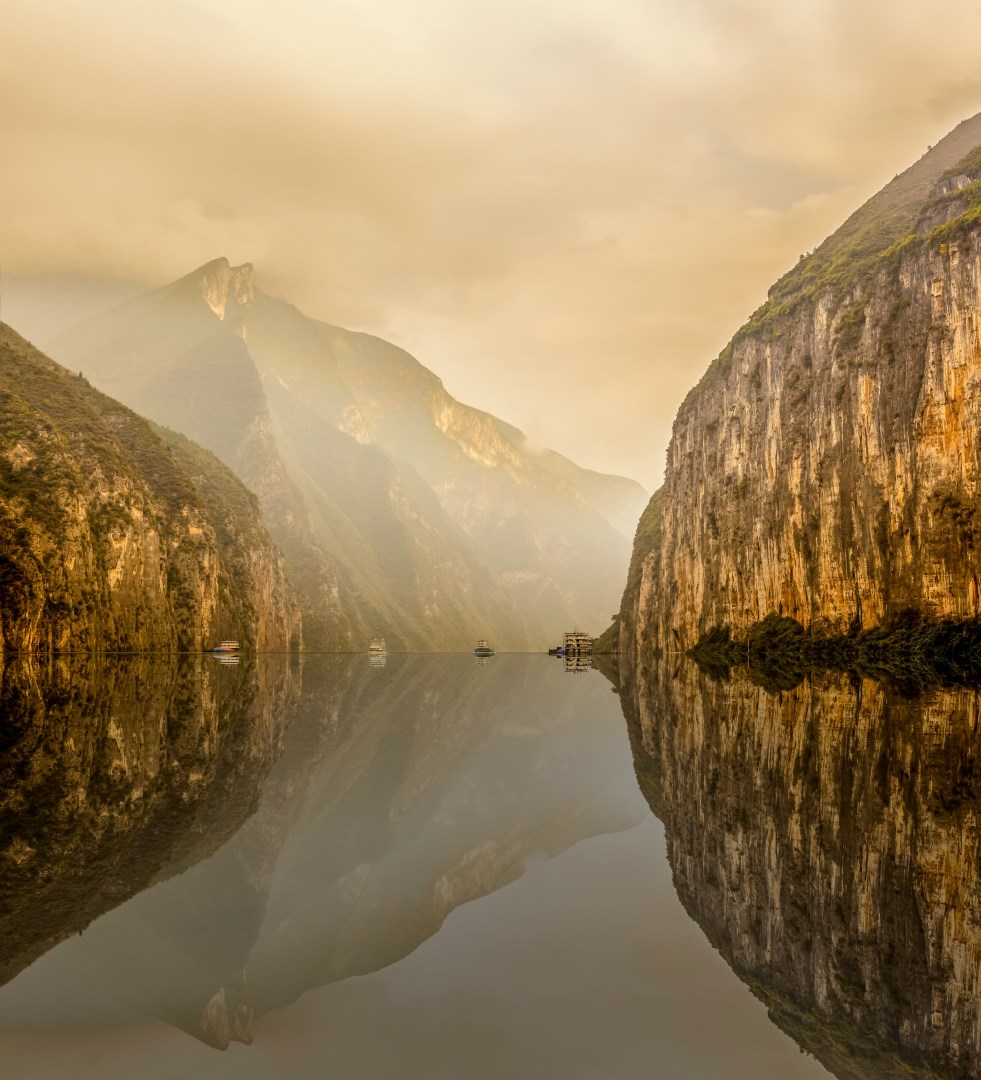
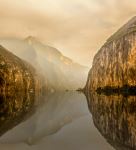
The Yangtze River, a magnificent artery of China, stretches over 6,300 kilometers (3,917 miles) from the Tibetan Plateau to the East China Sea. As the longest river in Asia and the third longest in the world, it weaves through breathtaking landscapes and vibrant cities, making it a prime destination for travelers seeking both adventure and cultural immersion. The river is famed for its dramatic gorges, including the renowned Three Gorges – Qutang, Wu, and Xiling – which offer spectacular views and opportunities for river cruises. These gorges are not only natural wonders but also steeped in history, with ancient temples and relics dotting the landscape.
Cruising along the Yangtze is a quintessential experience, providing a unique perspective on China's rich heritage. A Yangtze River Cruise takes you through a tapestry of scenic beauty and cultural sites, from the serene beauty of the Lesser Three Gorges to the impressive Three Gorges Dam, the world's largest hydropower project. This grand engineering feat is a marvel of modern technology and offers insightful tours that explain its impact on the environment and local communities.
The Yangtze is also pivotal to China's economic and cultural life. Cities like Chongqing and Wuhan, situated along its banks, are bustling hubs of activity with rich histories and modern attractions. In Chongqing, explore the historic Ci Qi Kou Ancient Town and indulge in the city’s renowned hotpot cuisine. Wuhan, known for its vibrant academic and cultural scene, features the Yellow Crane Tower, a symbol of the city’s historical and cultural significance.
Fun fact: The Yangtze River is home to the rare and endangered Yangtze Giant Salamander, one of the world's largest amphibians. This remarkable creature is native to the river's clear, cold waters and is a testament to the river's rich biodiversity.