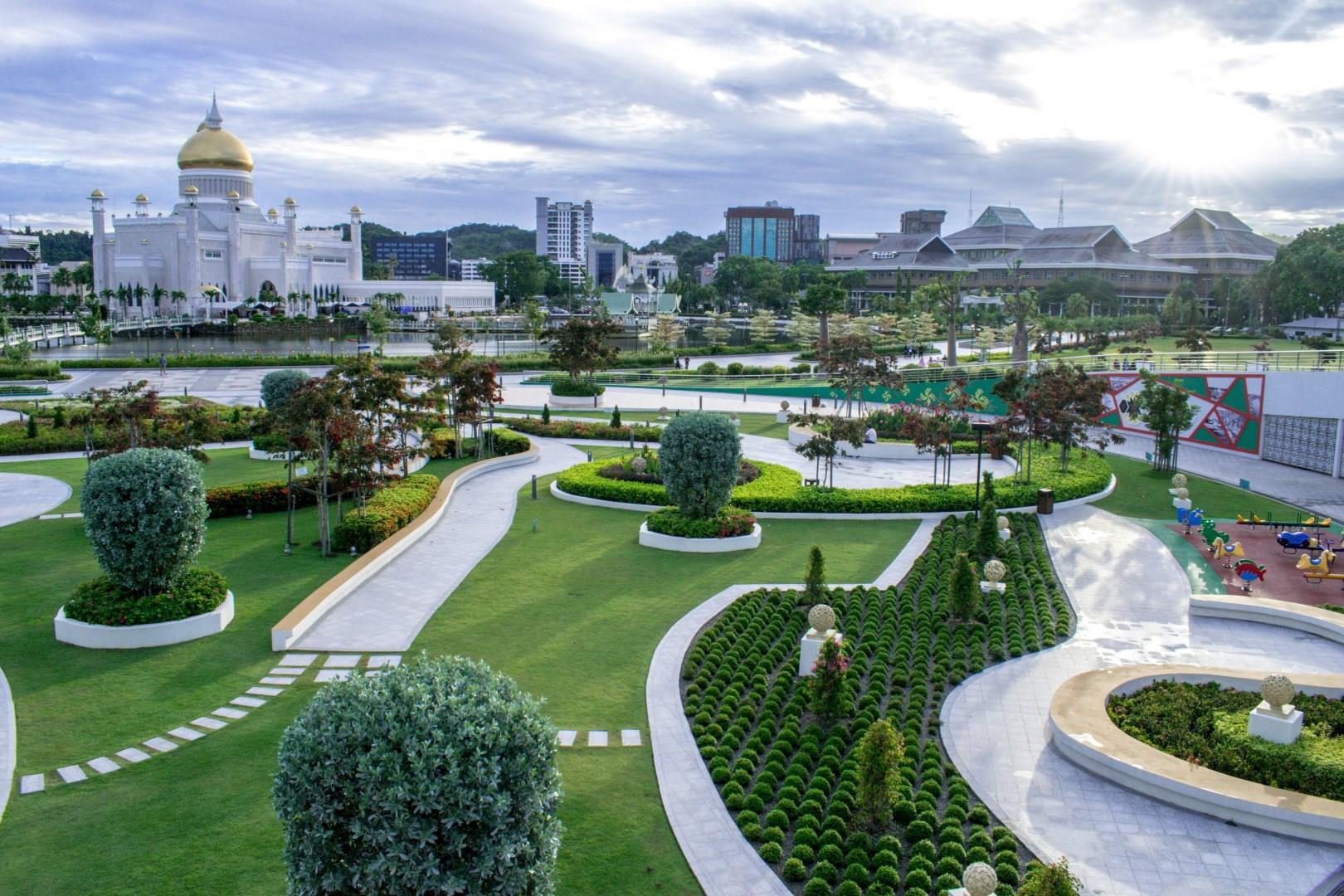
Brunei is a small country on the island of Borneo known for its wealth, tropical rainforests, and rich cultural heritage. The country’s landscapes are a mix of dense jungles, rivers, and coastal mangroves, offering a peaceful environment where nature remains largely intact.
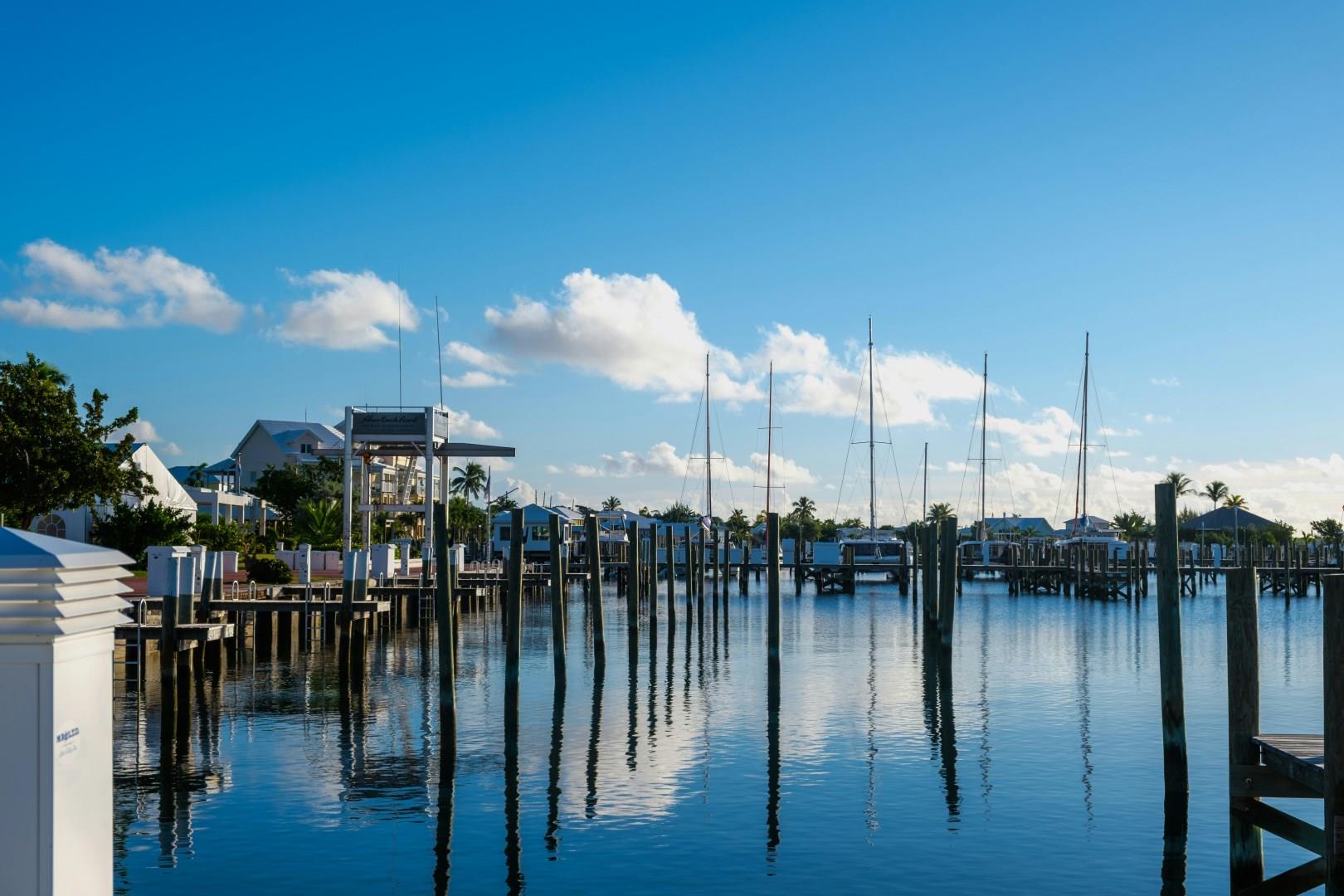
The Abaco Islands, part of The Bahamas, stretch across more than 120 cays and islands, offering a laid-back yet adventurous escape. Known for their calm waters and sheltered harbors, the Abacos are often called the sailing capital of The Bahamas, drawing boaters and yachters from around the world.
Bulgaria is a republic in southeastern Europe. The capital and largest city is Sofiya. Bulgarian culture has been influenced successively by Byzantine, Greek, Russian, and Western cultures.
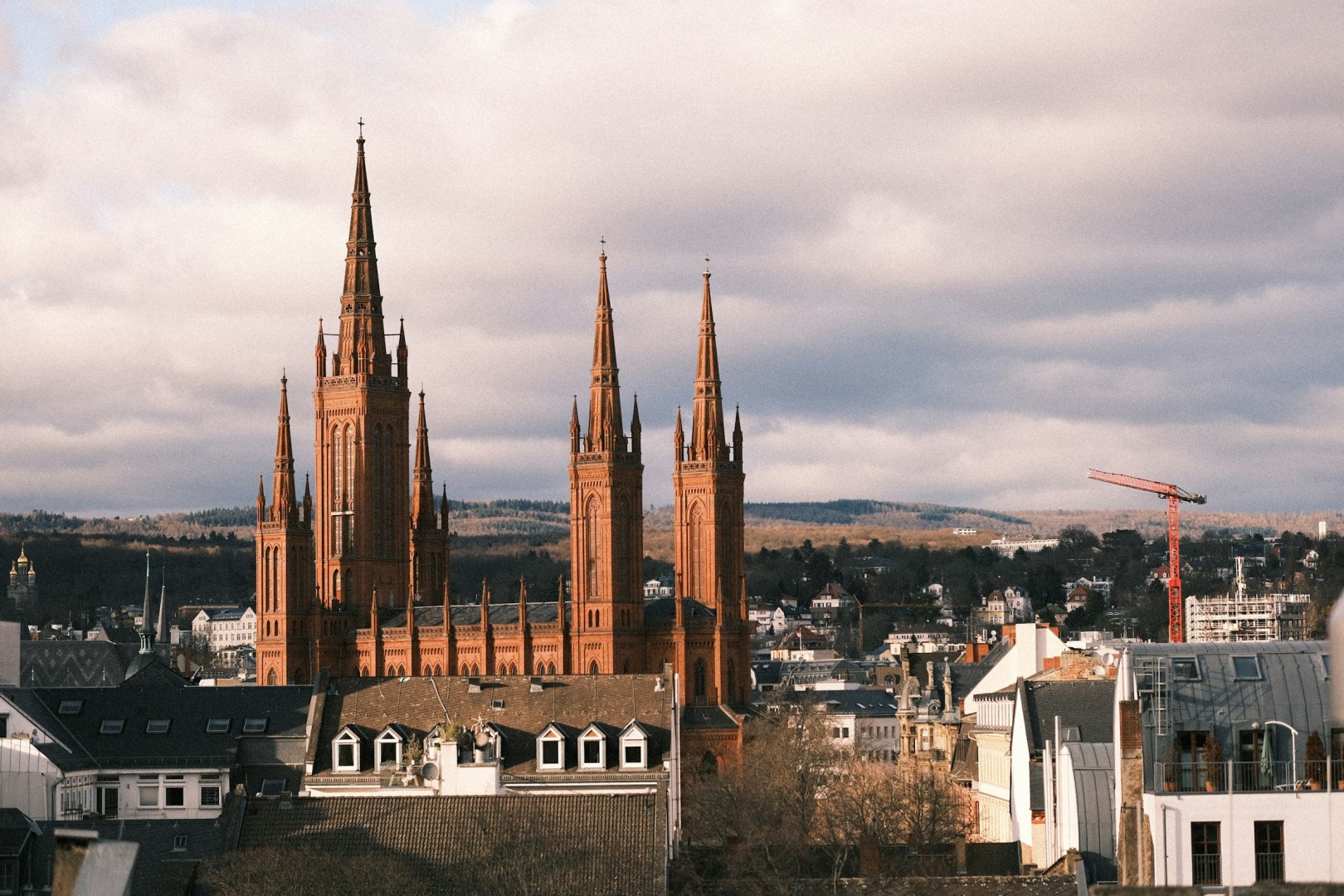
Wiesbaden is located in west central Germany at the southern foot of the Taunus Mountains, on the Rhine River, near Frankfurt. It is popular for its 26 hot mineral springs and mild climate and tourism is vital to the local economy. Wiesbaden is a cultural center; places of interest are the former royal and ducal residences; the Kurhaus with its casino and its concert halls; the Colonnade, remnants of a Roman wall known as the Heidenmauer ("heathens' wall"); and the Hessian State Theater.
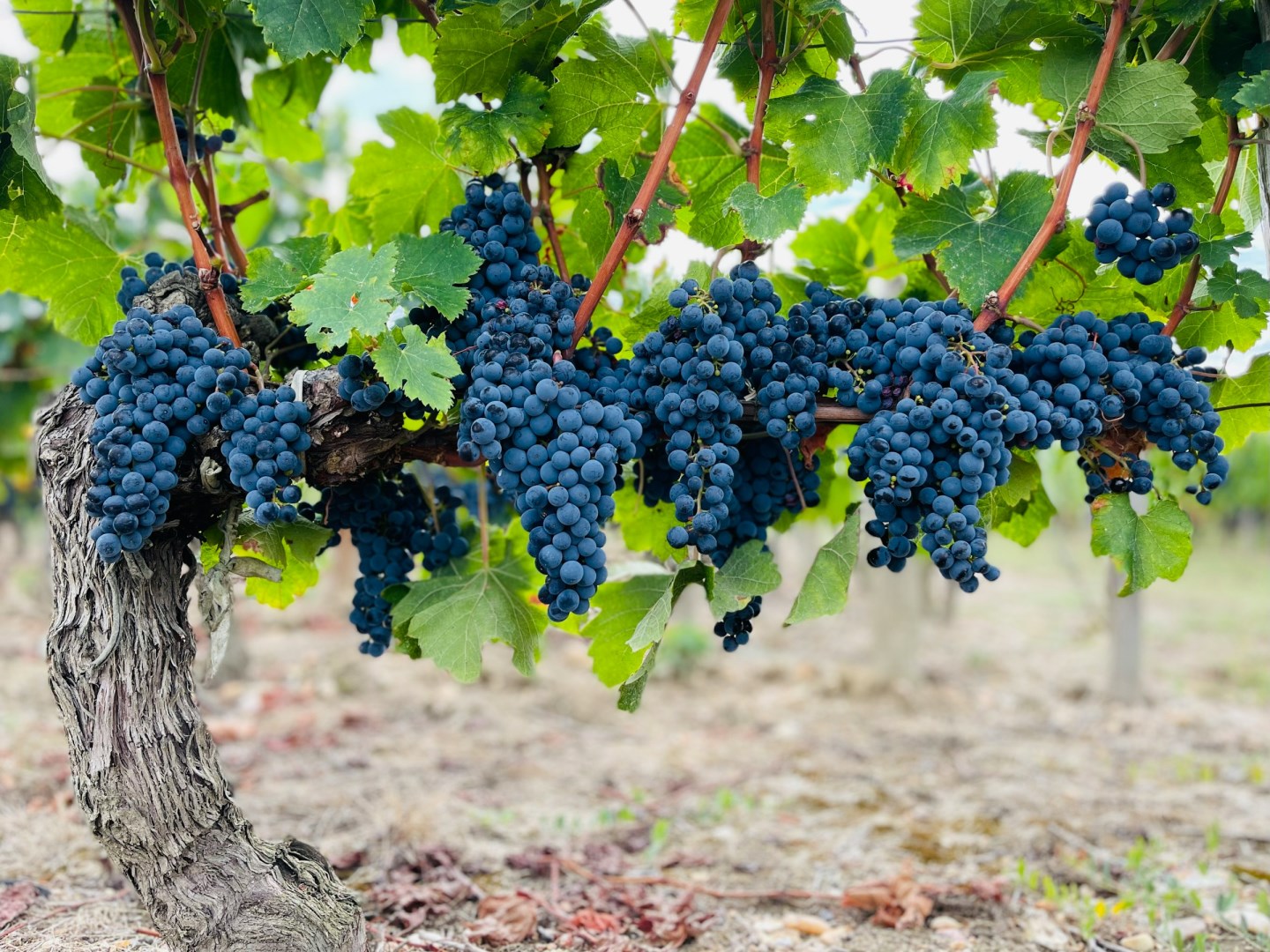
Bordeaux is ready for its close-up! After years of improvements, modern public transportation is in place and the city is gleaming after a wave of restorations. When visiting this lovely destination, be sure to walk across the Garonne River-spanning Stone Bridge (17 arches in all!) and see Place des Quinconces, France's grandest public square.
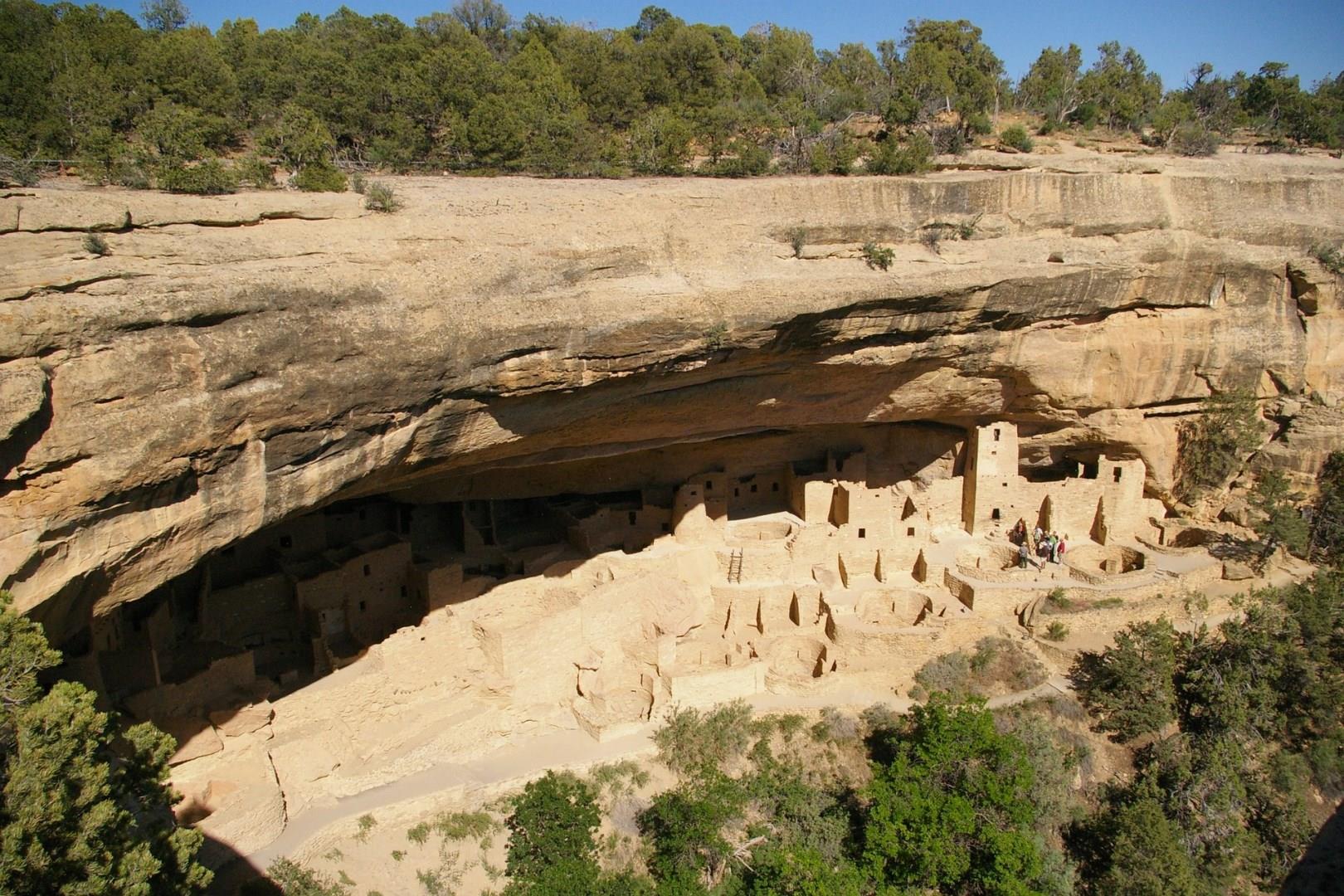
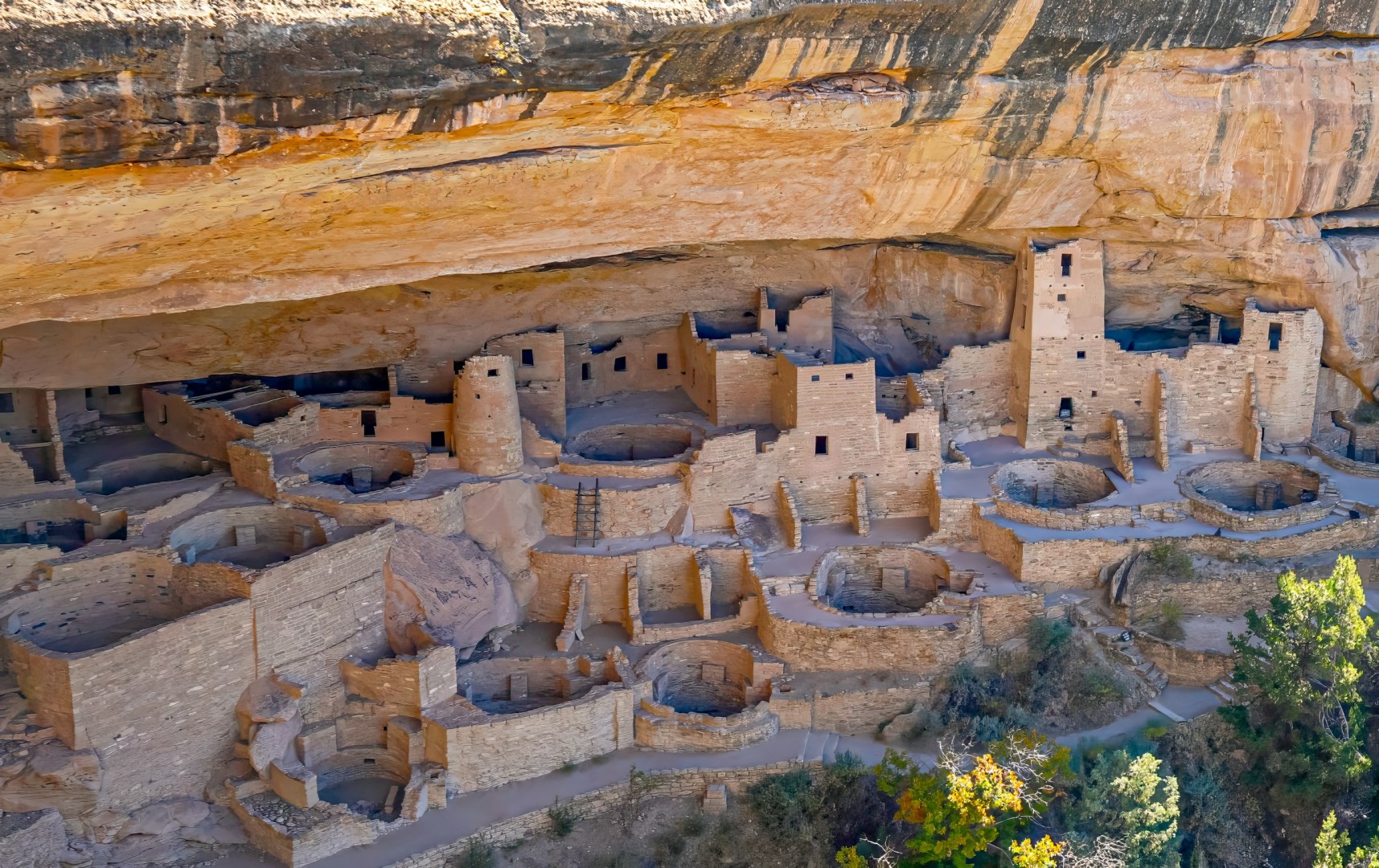
Mesa Verde National Park, nestled in the southwestern corner of Colorado, offers an extraordinary journey into the ancient past of the Ancestral Puebloans. This UNESCO World Heritage Site is renowned for its remarkably well-preserved cliff dwellings, built into the sheer rock faces of the canyon walls. The most famous of these is Cliff Palace, a sprawling complex of over 150 rooms and numerous ceremonial kivas. Exploring these ancient ruins provides a unique glimpse into the lives of the people who once called this rugged landscape home.
Visitors to Mesa Verde can embark on a series of guided tours and ranger-led programs that illuminate the intricate architecture and sophisticated society of the Ancestral Puebloans. The park’s trails lead to other impressive sites like Balcony House and Long House, each with its own story and unique features. For those seeking a more immersive experience, the park’s scenic drives offer stunning views of the surrounding landscapes, including the expansive Mesa Verde Plateau
A unique aspect of Mesa Verde is its emphasis on preserving not just the physical remnants of its past but also the cultural and historical context. The park’s Museum of the Ancestral Puebloans showcases artifacts and exhibits that provide deeper insights into the daily lives, spiritual practices, and environmental adaptations of its ancient inhabitants. This museum is a crucial stop for those interested in understanding the broader scope of the Ancestral Puebloans’ impact on the region.
Fun fact: Mesa Verde is home to one of the highest concentrations of cliff dwellings in North America, with over 600 individual sites documented. The name "Mesa Verde" itself means "Green Table" in Spanish, a reference to the lush vegetation that once thrived on the mesa top. Mesa Verde National Park continues to captivate visitors with its blend of natural beauty and ancient mystery.