Chefchaouen, a picturesque city nestled in the Rif Mountains of northern Morocco, is renowned for its stunning blue-painted streets and buildings. Founded in 1471, Chefchaouen's medina—a maze of narrow, winding streets—is one of its most enchanting features, where every corner reveals a splash of blue, creating a serene and photogenic atmosphere. T
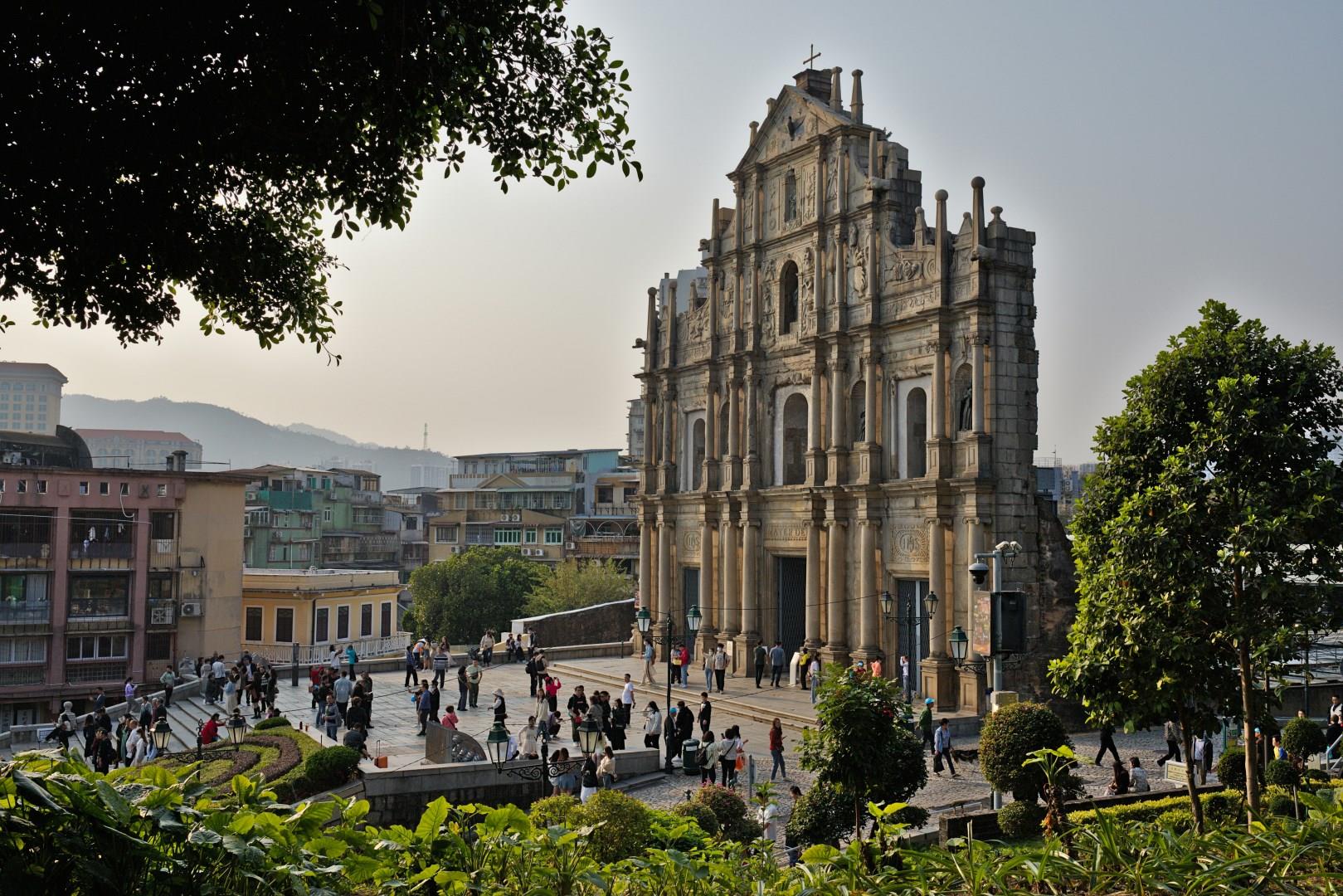
Macao, a Special Administrative Region of China, is known for its distinctive blend of Portuguese and Chinese heritage. Once a Portuguese colony, the city retains historic squares, colonial architecture, and cobblestone streets that contrast with its modern skyline of resorts and entertainment complexes.
Rangiroa’s beaches and stunning sunsets provide the perfect backdrop for relaxation. The lagoon is ideal for paddleboarding or taking a boat excursion to explore hidden coves.
Machu Picchu is a story carved into stone, perched nearly 2,500 meters above sea level in the cloud forests of southern Peru. Built in the 15th century and later abandoned, this Inca citadel was unknown to the outside world until 1911, when explorer Hiram Bingham brought it to international attention. Today, it remains remarkably well-preserved, with more than 150 stone structures, terraced fields, ceremonial fountains, and temples aligned with astronomical events.
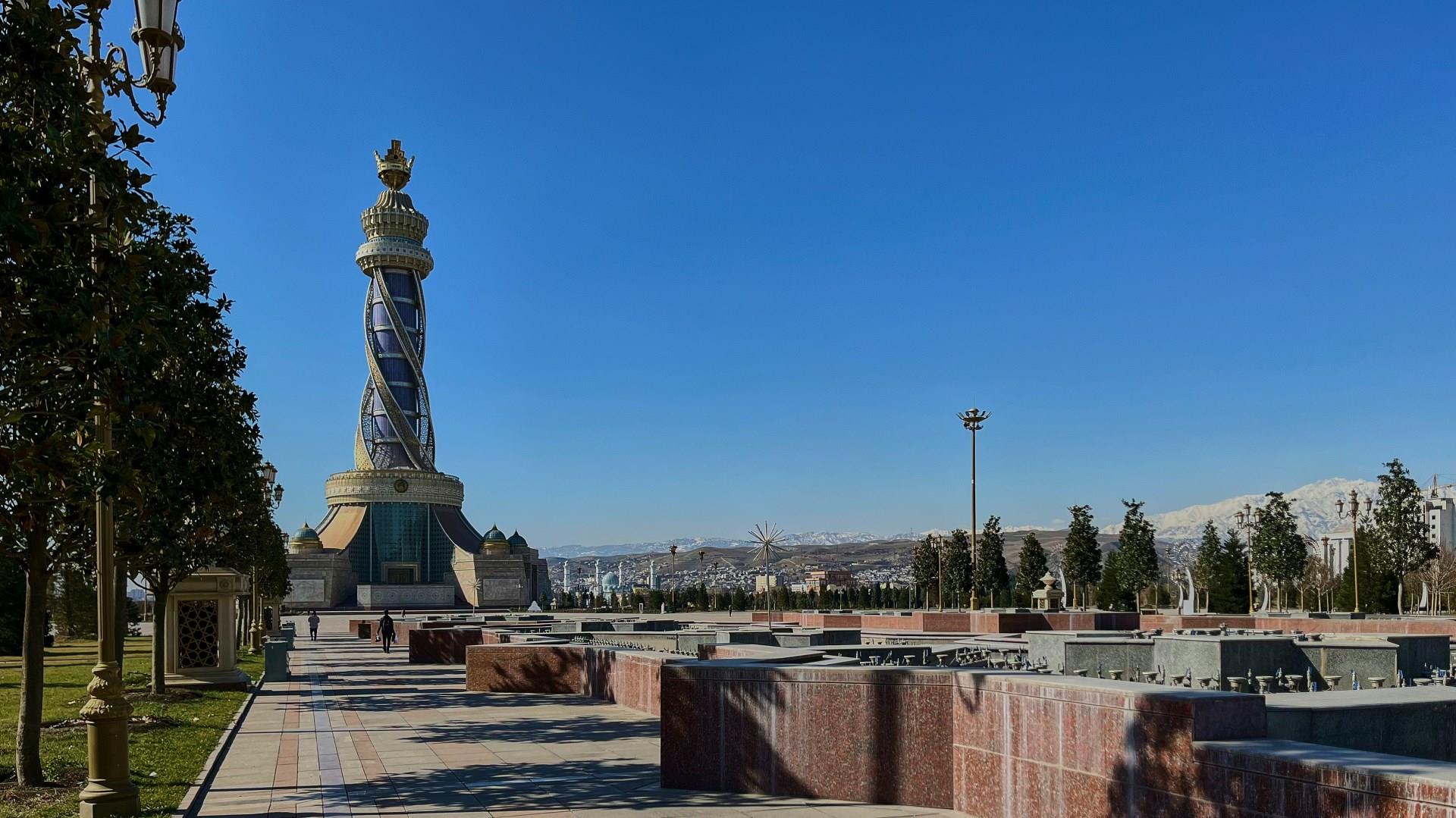
Dushanbe, the capital of Tajikistan, blends Soviet-era architecture with traditional Central Asian culture. The city is known for landmarks such as the National Library, Rudaki Park, and the striking Flagpole Square, which reflect both civic pride and the country’s heritage
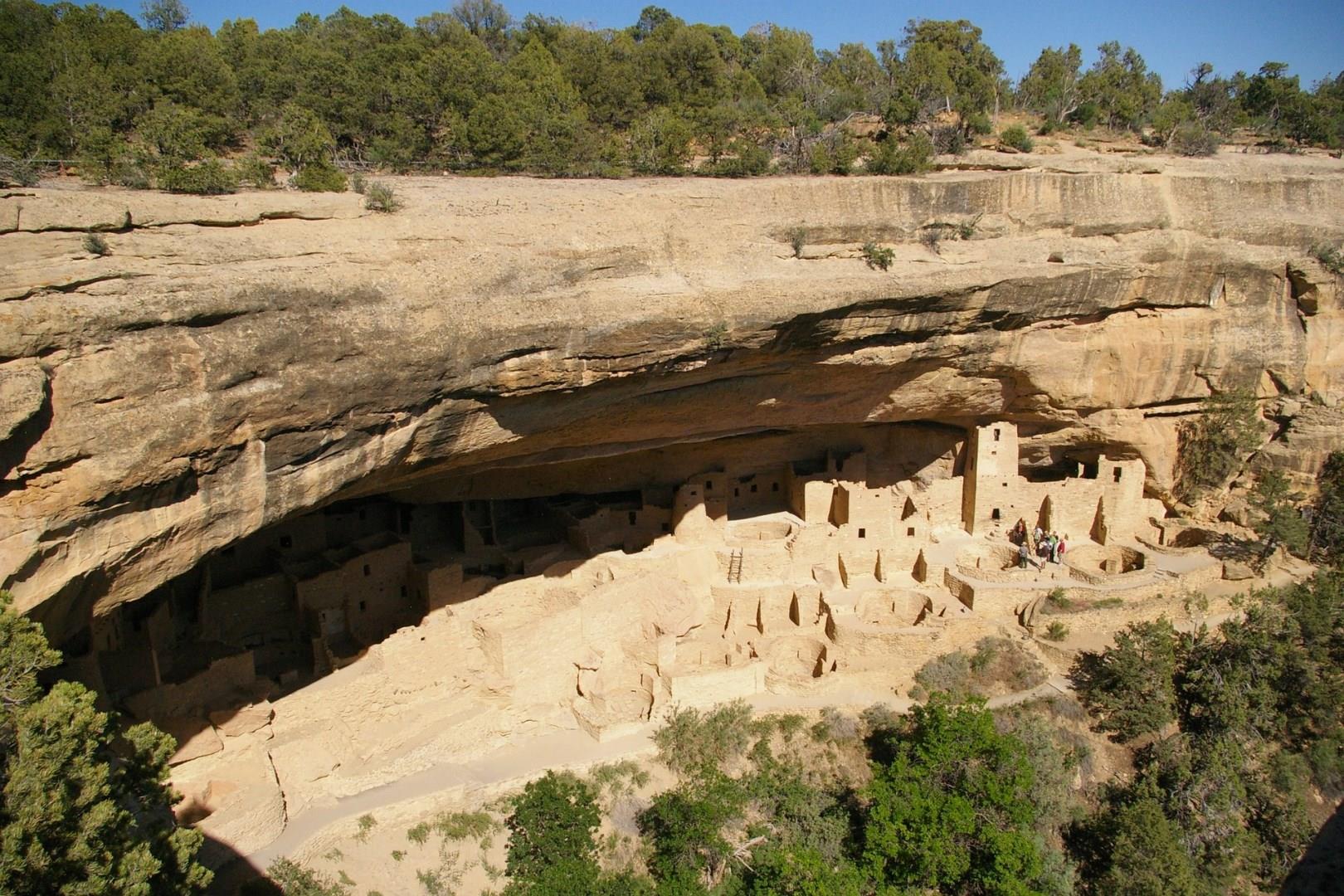
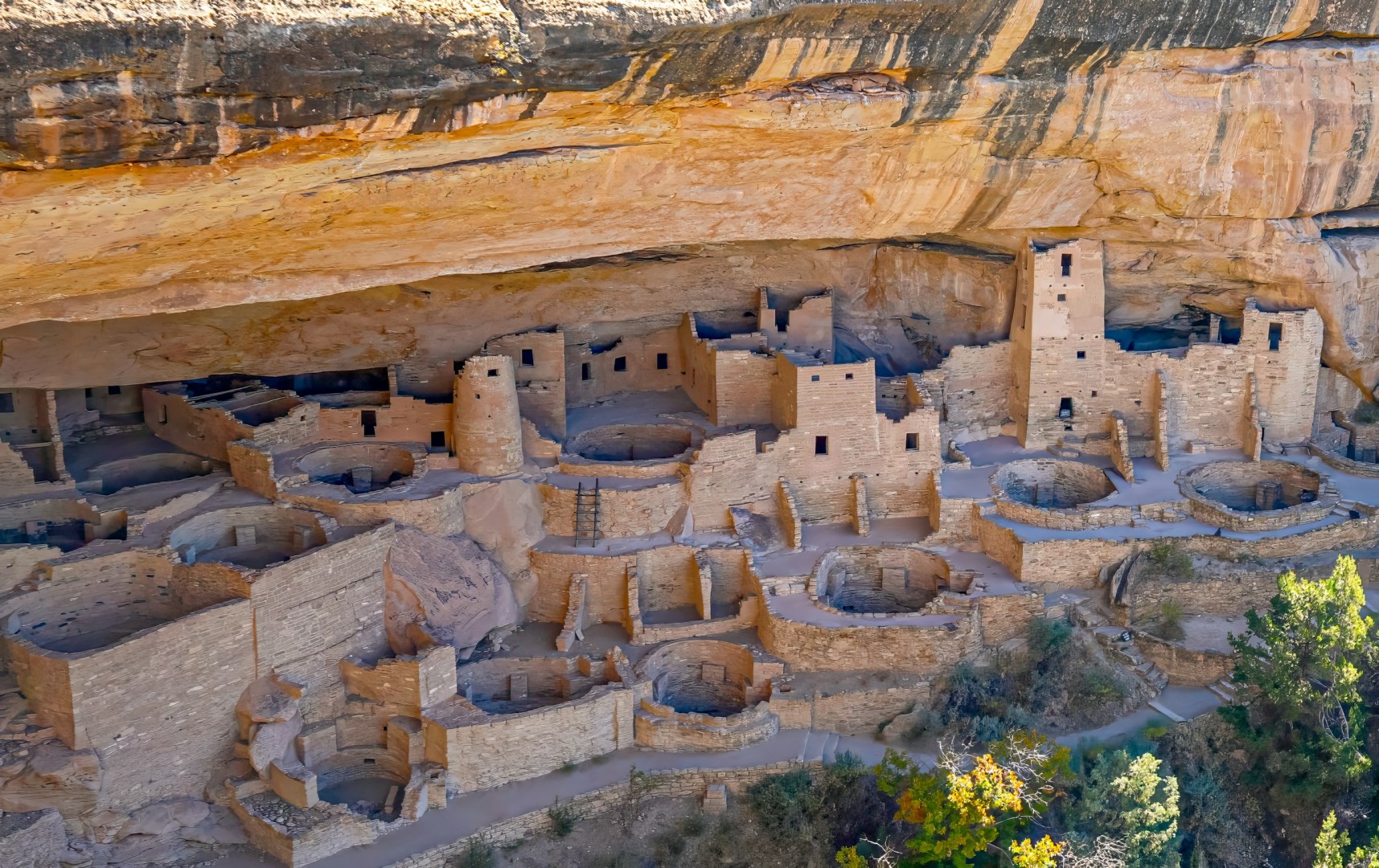
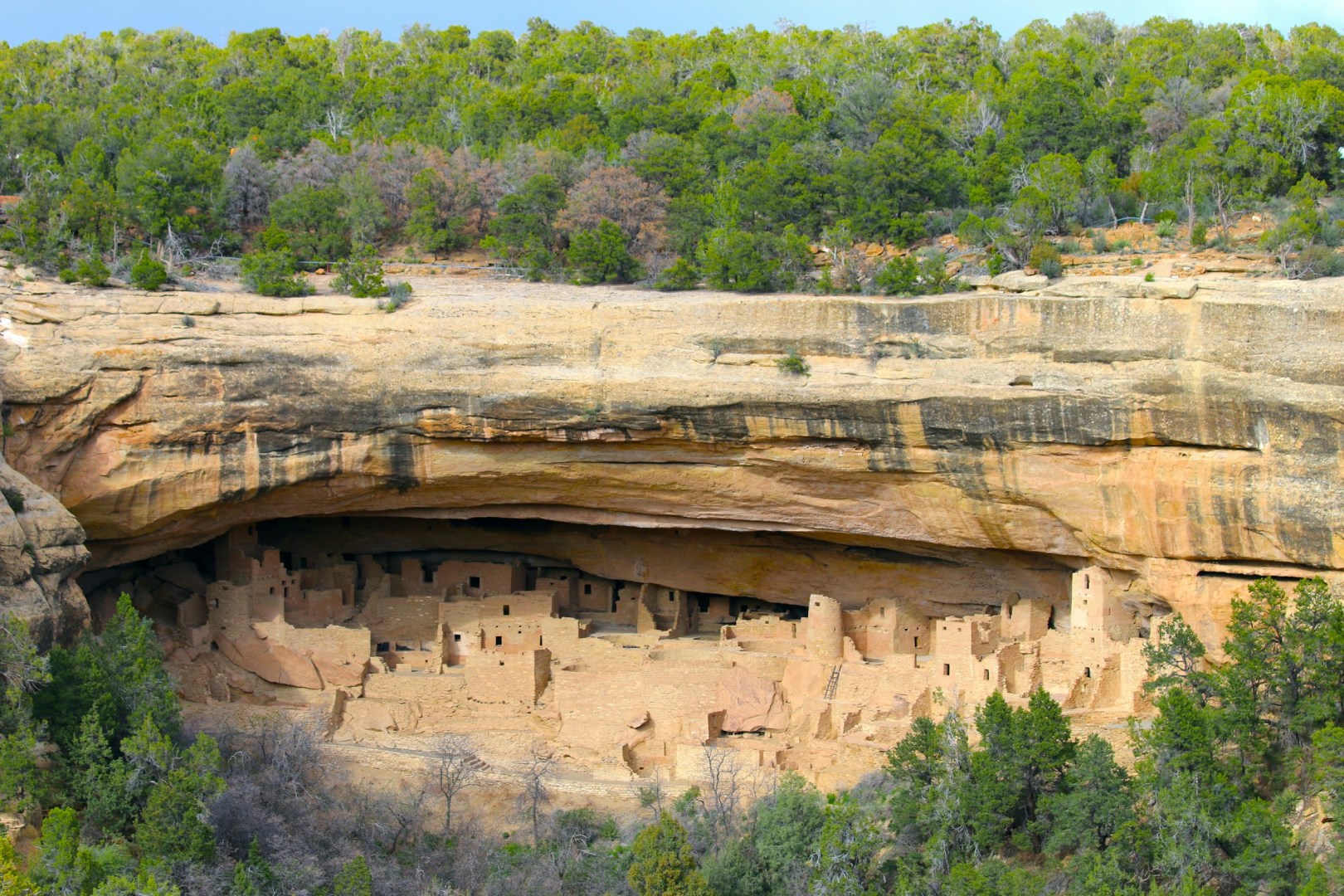
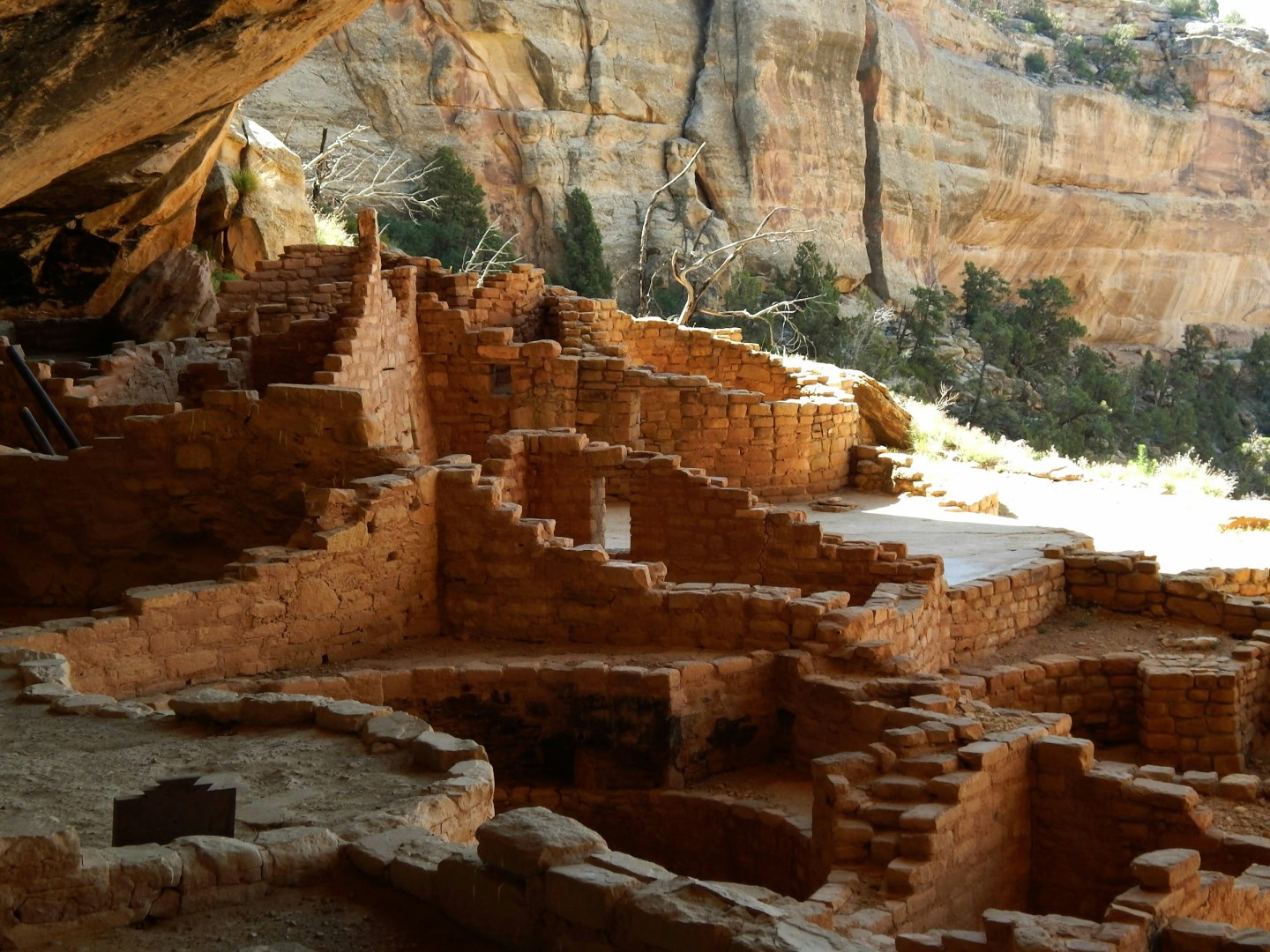
Mesa Verde National Park, nestled in the southwestern corner of Colorado, offers an extraordinary journey into the ancient past of the Ancestral Puebloans. This UNESCO World Heritage Site is renowned for its remarkably well-preserved cliff dwellings, built into the sheer rock faces of the canyon walls. The most famous of these is Cliff Palace, a sprawling complex of over 150 rooms and numerous ceremonial kivas. Exploring these ancient ruins provides a unique glimpse into the lives of the people who once called this rugged landscape home.
Visitors to Mesa Verde can embark on a series of guided tours and ranger-led programs that illuminate the intricate architecture and sophisticated society of the Ancestral Puebloans. The park’s trails lead to other impressive sites like Balcony House and Long House, each with its own story and unique features. For those seeking a more immersive experience, the park’s scenic drives offer stunning views of the surrounding landscapes, including the expansive Mesa Verde Plateau
A unique aspect of Mesa Verde is its emphasis on preserving not just the physical remnants of its past but also the cultural and historical context. The park’s Museum of the Ancestral Puebloans showcases artifacts and exhibits that provide deeper insights into the daily lives, spiritual practices, and environmental adaptations of its ancient inhabitants. This museum is a crucial stop for those interested in understanding the broader scope of the Ancestral Puebloans’ impact on the region.
Fun fact: Mesa Verde is home to one of the highest concentrations of cliff dwellings in North America, with over 600 individual sites documented. The name "Mesa Verde" itself means "Green Table" in Spanish, a reference to the lush vegetation that once thrived on the mesa top. Mesa Verde National Park continues to captivate visitors with its blend of natural beauty and ancient mystery.