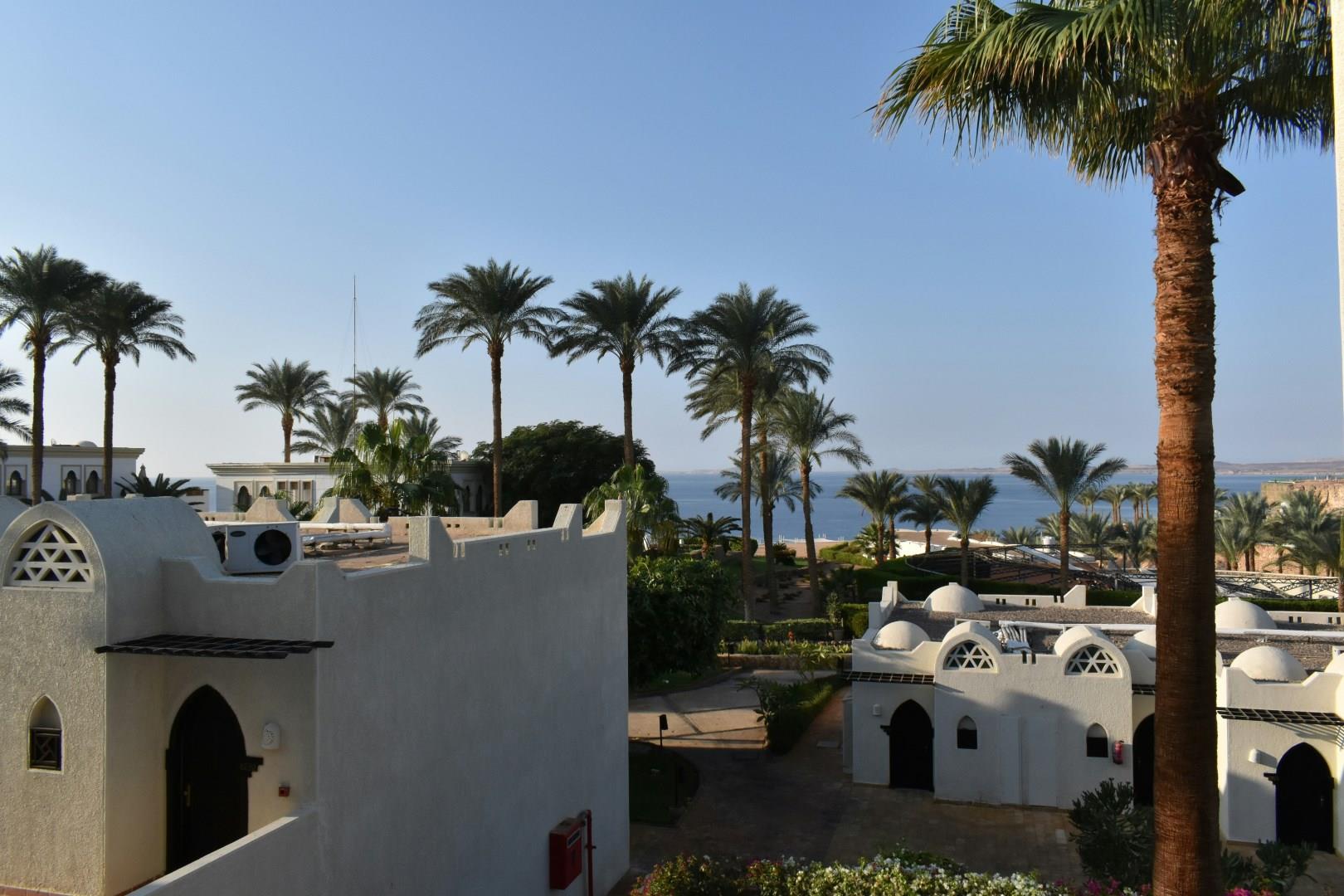
Sharm El Sheikh sits on the southern tip of Egypt’s Sinai Peninsula, where the sparkling Red Sea meets desert ridges and wide skies. From its beginnings as a small fishing village it has grown into one of the world’s most recognized seaside destinations, drawing travelers to explore coral reefs, seaside promenades, and desert landscapes all within easy reach.
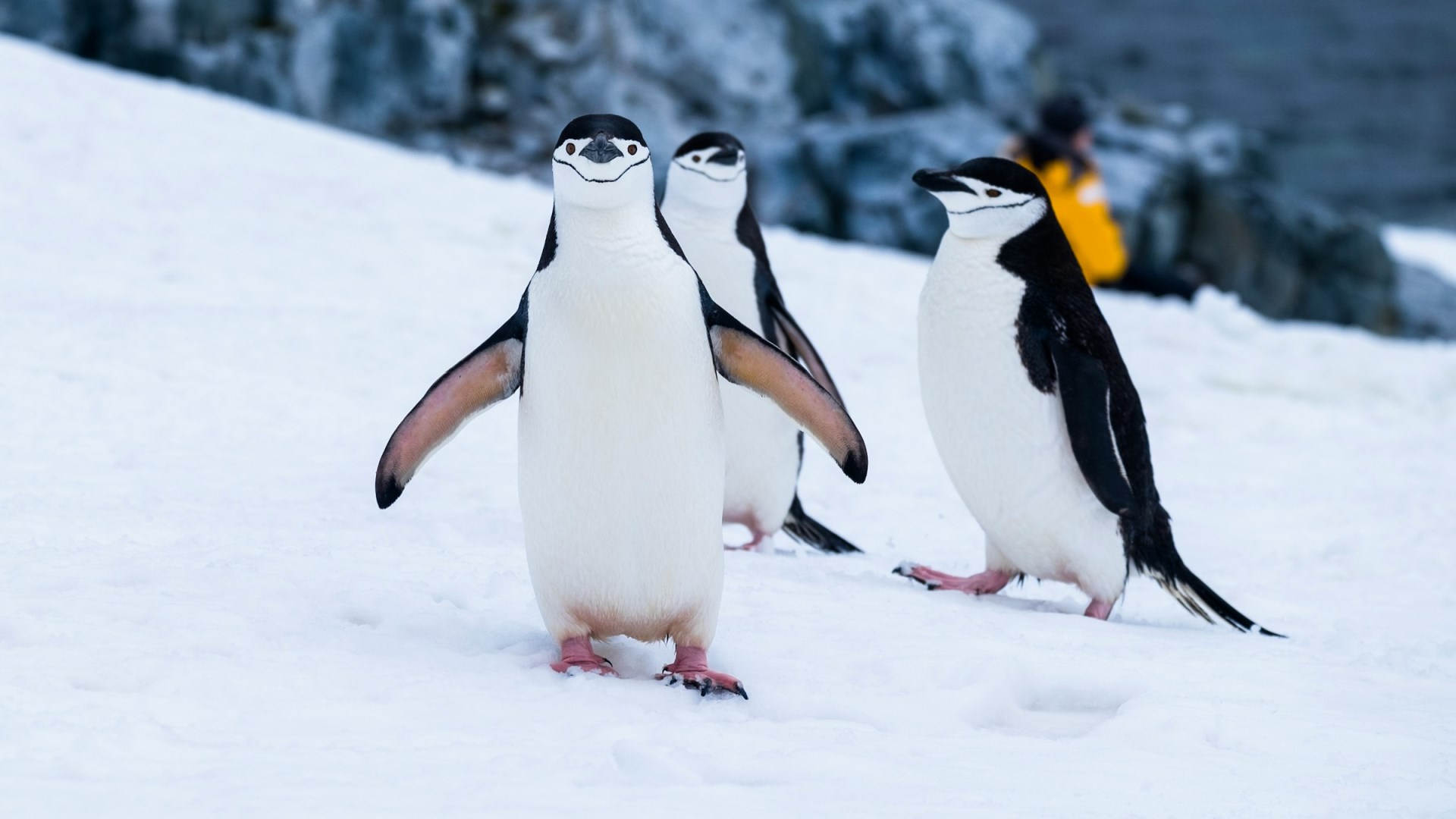
Two Hummock Island is a mountainous island off the west coast of the Antarctic Peninsula, separated from the mainland by the Lemaire Channel region and surrounded by ice-filled waters. The island is named for its two prominent peaks, which rise above a rugged landscape of snow, rock, and glaciers. Its remote setting makes it a less frequently visited destination than some nearby Antarctic sites, but expedition vessels may approach the island for wildlife viewing, scenic cruising, or shore activi
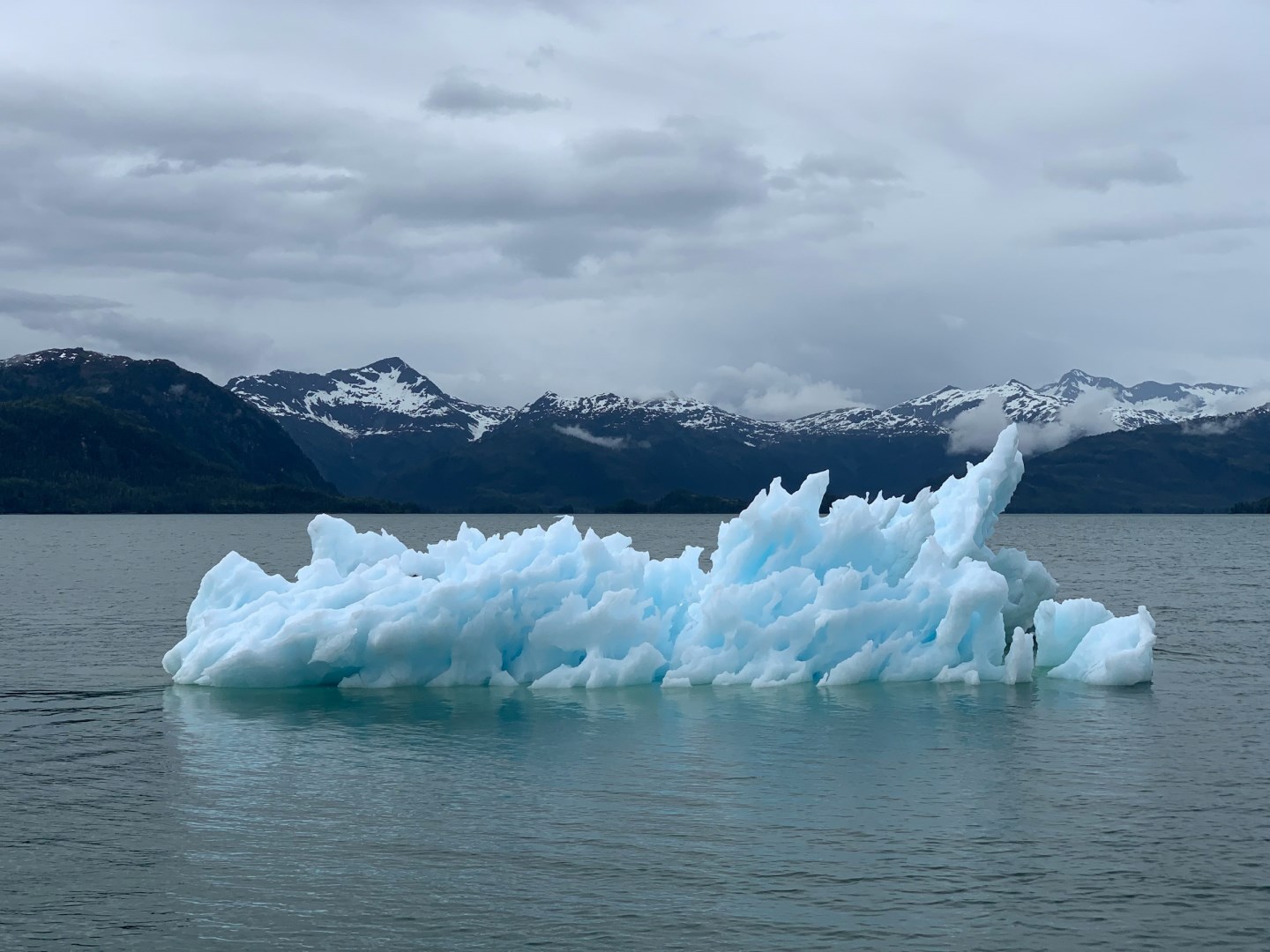
Prince William Sound and Resurrection Bay are premier ecosystems with a diversity of wildlife and habitat. Enclosed by high mountains and glaciers, and protected from the high seas by barrier islands, the area is a boater’s paradise. Fiords, bays, coves, lakes, glaciers, mountains and hundreds of islands provide a rich and unspoiled beauty.
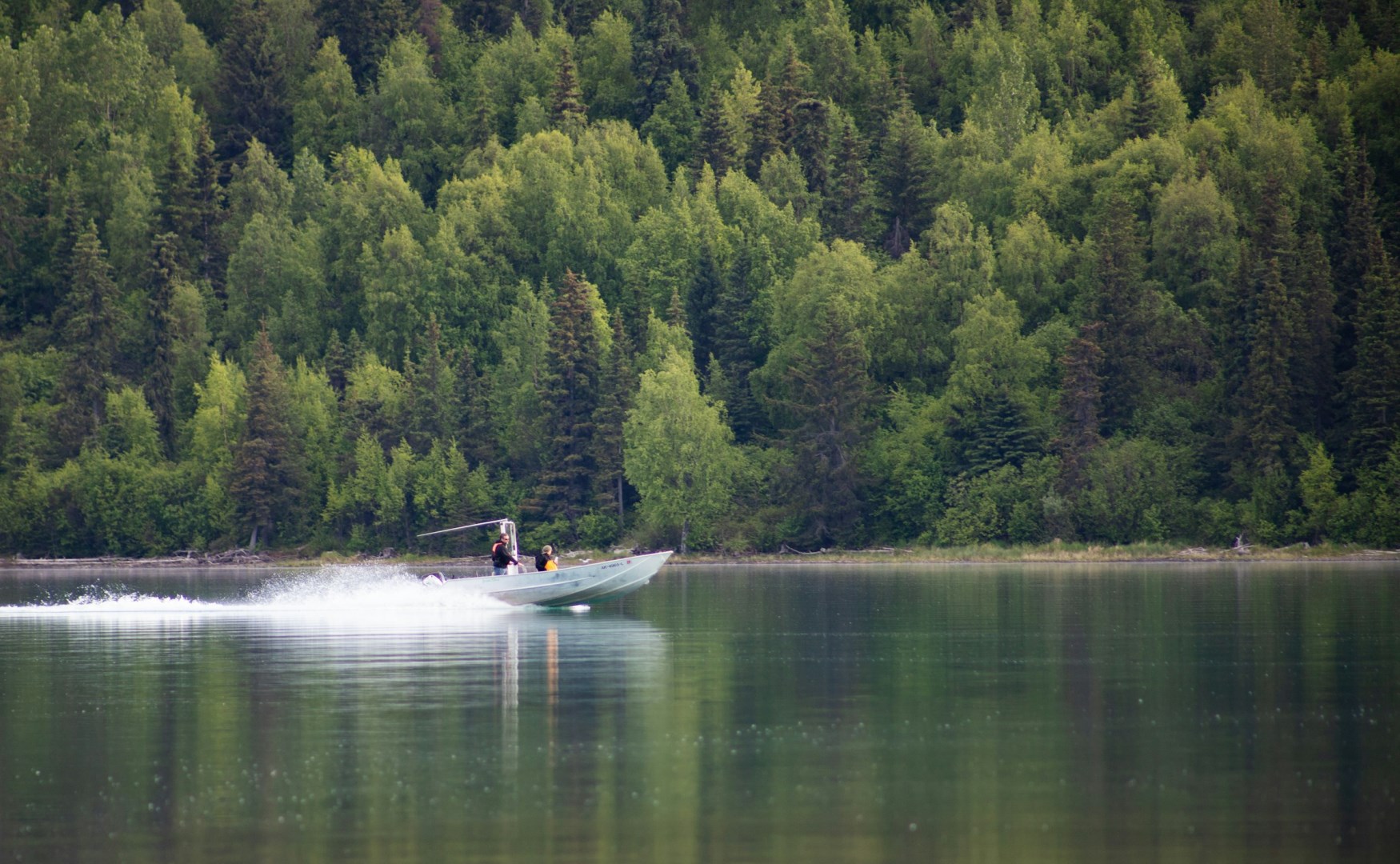
The Kenai Peninsula extends southwest from Anchorage into the Gulf of Alaska and is one of south-central Alaska’s most varied regions. Its landscape includes the Kenai Mountains, coastal forests, glaciers, broad river valleys, lakes, and a long shoreline along both Cook Inlet and the Gulf of Alaska. Communities such as Kenai, Soldotna, Seward, Homer, and Cooper Landing serve different parts of the peninsula, while the Kenai River and numerous smaller waterways connect the interior to the coast.
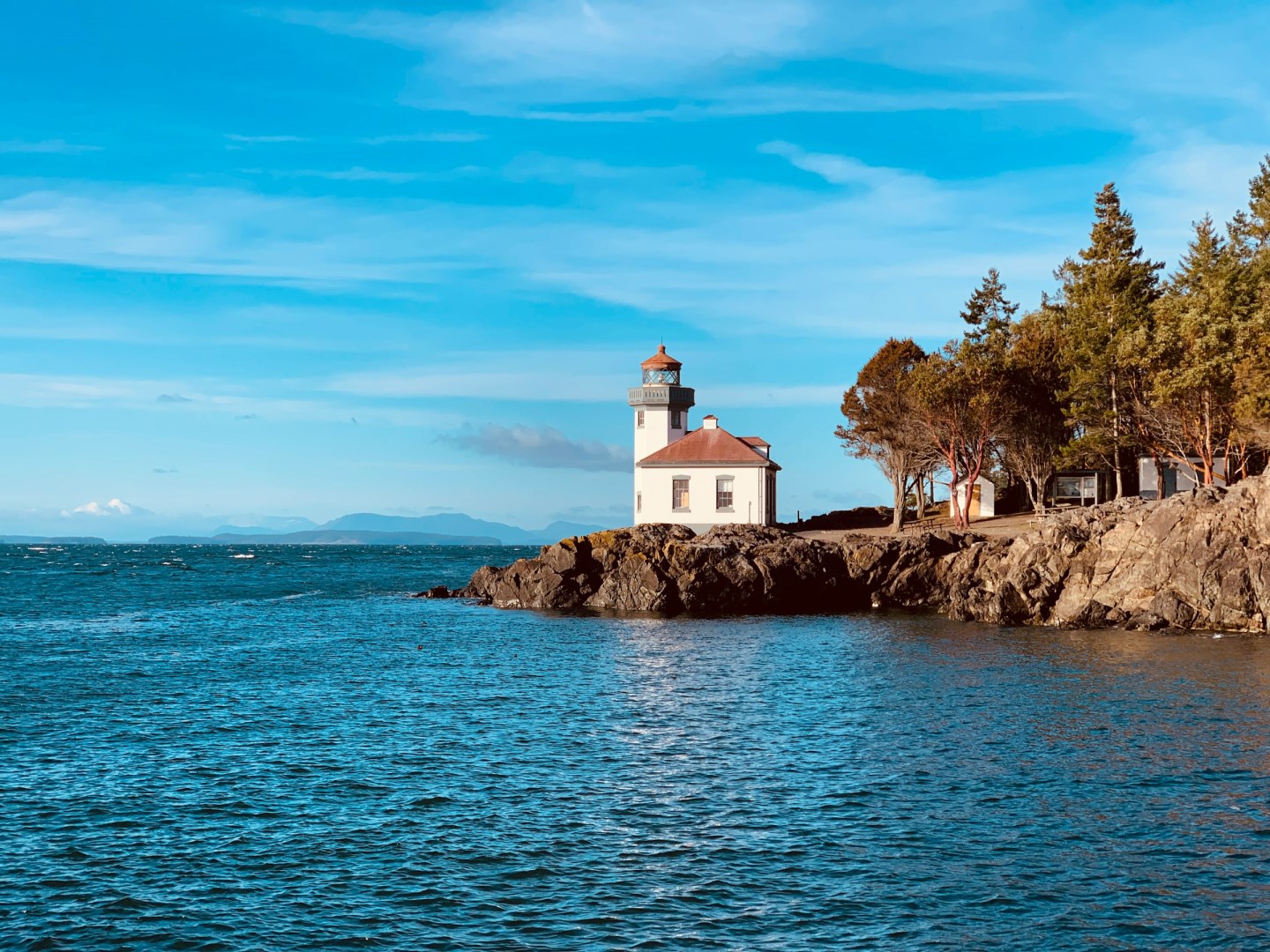
Friday Harbor is the principal community and county seat of San Juan County, located on San Juan Island in northwestern Washington. The town overlooks a sheltered harbor and serves as a central gateway to the surrounding San Juan Islands. Its waterfront is lined with marinas, small businesses, restaurants, galleries, and ferry facilities, while residential streets and wooded areas extend beyond the compact downtown.
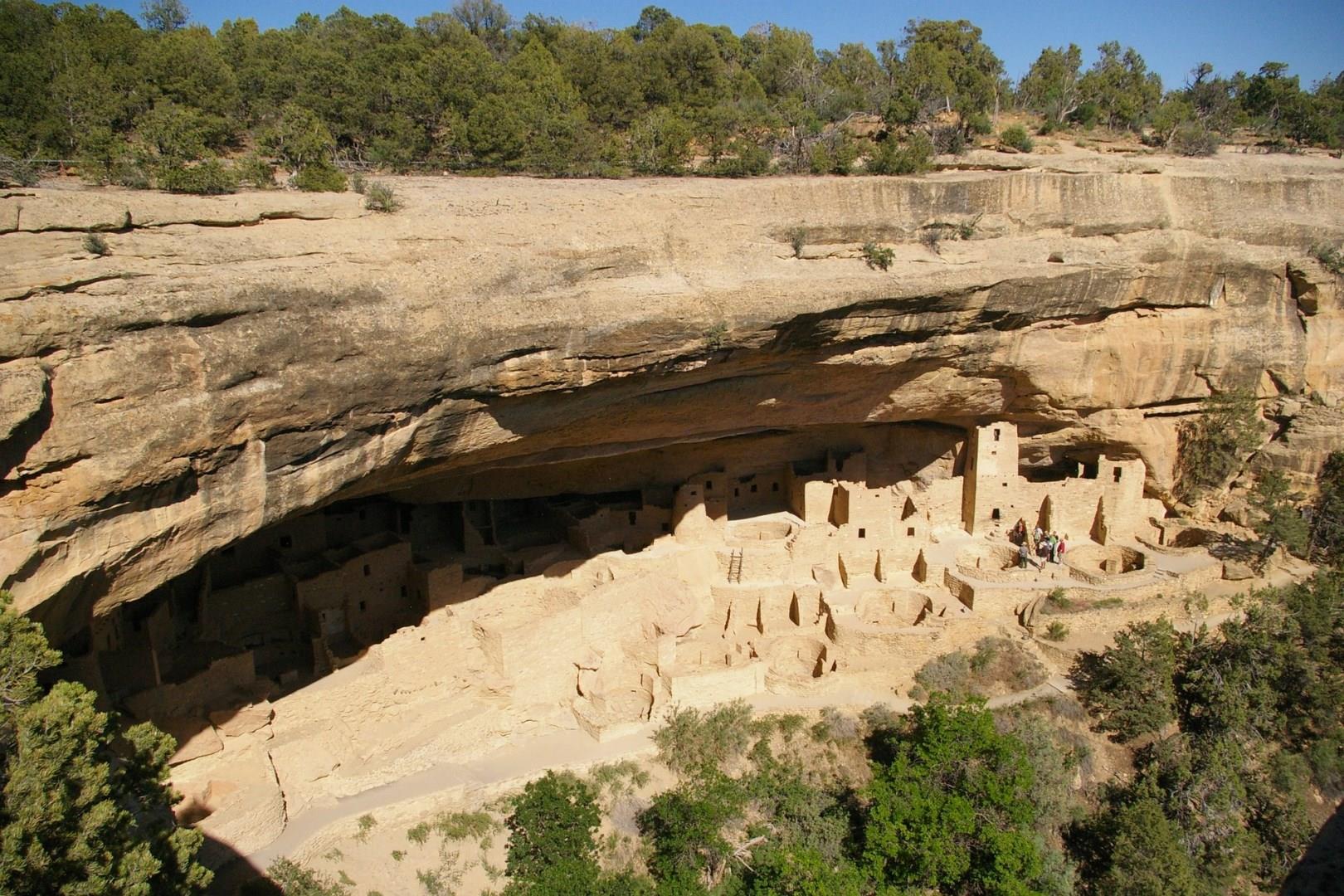
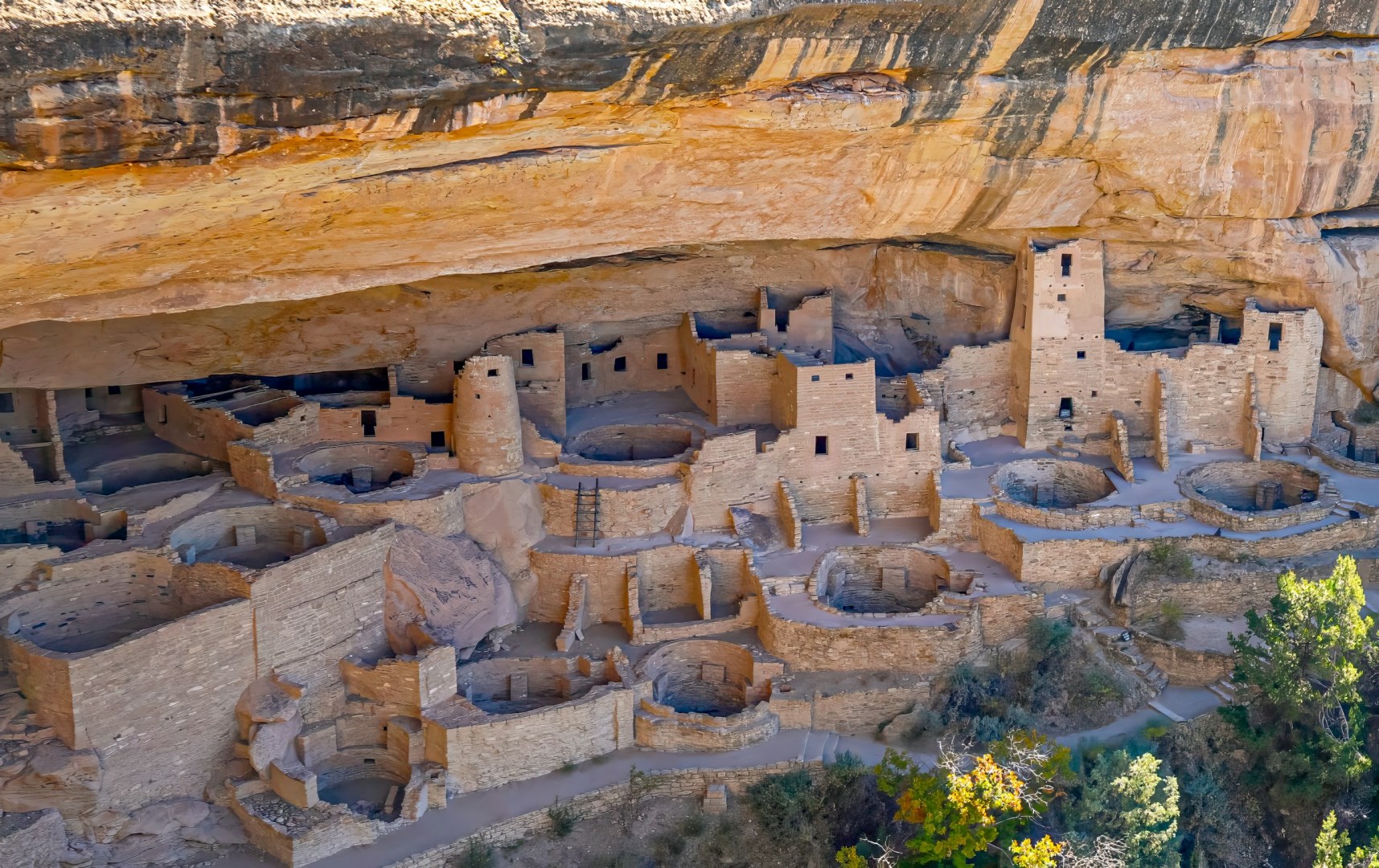
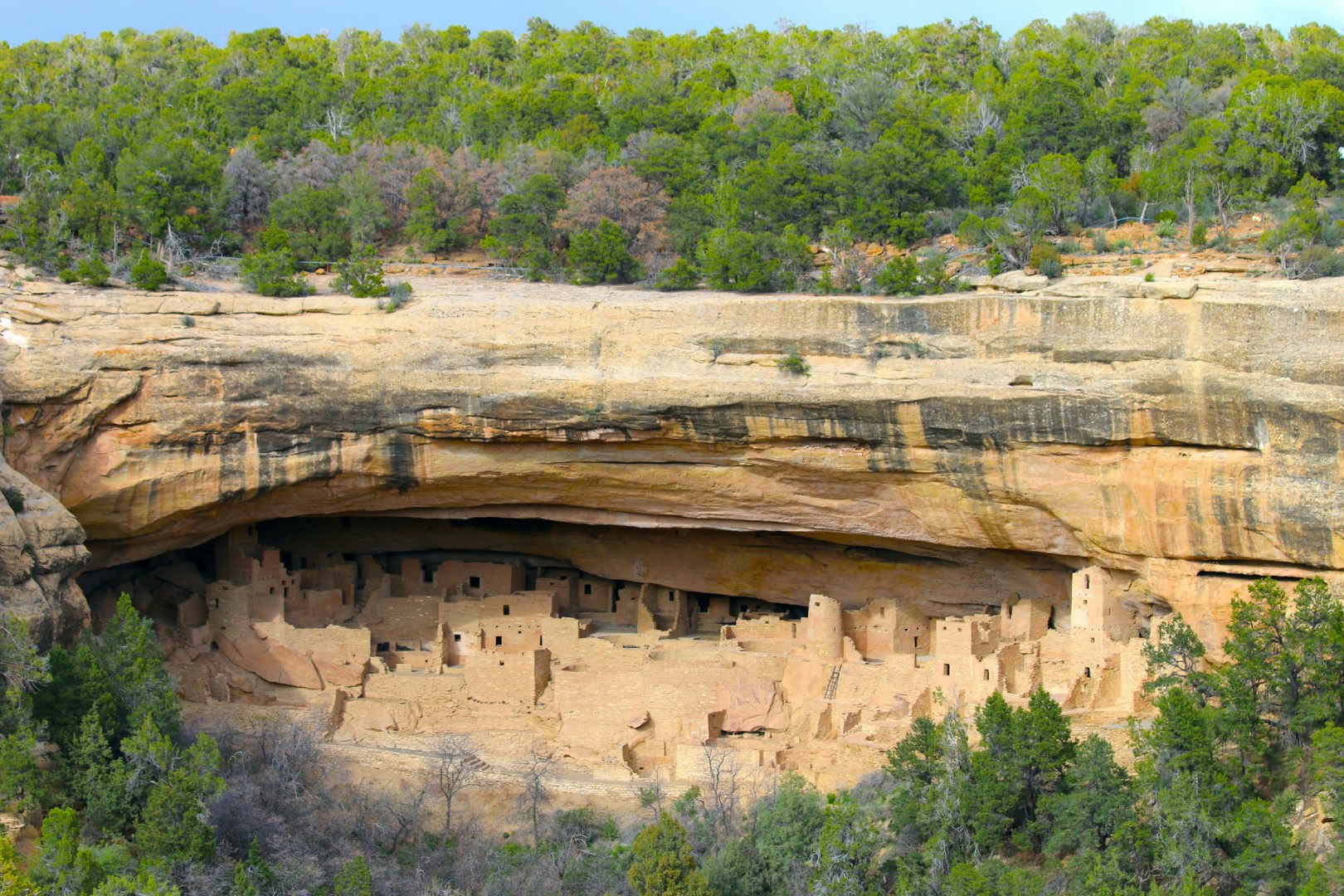
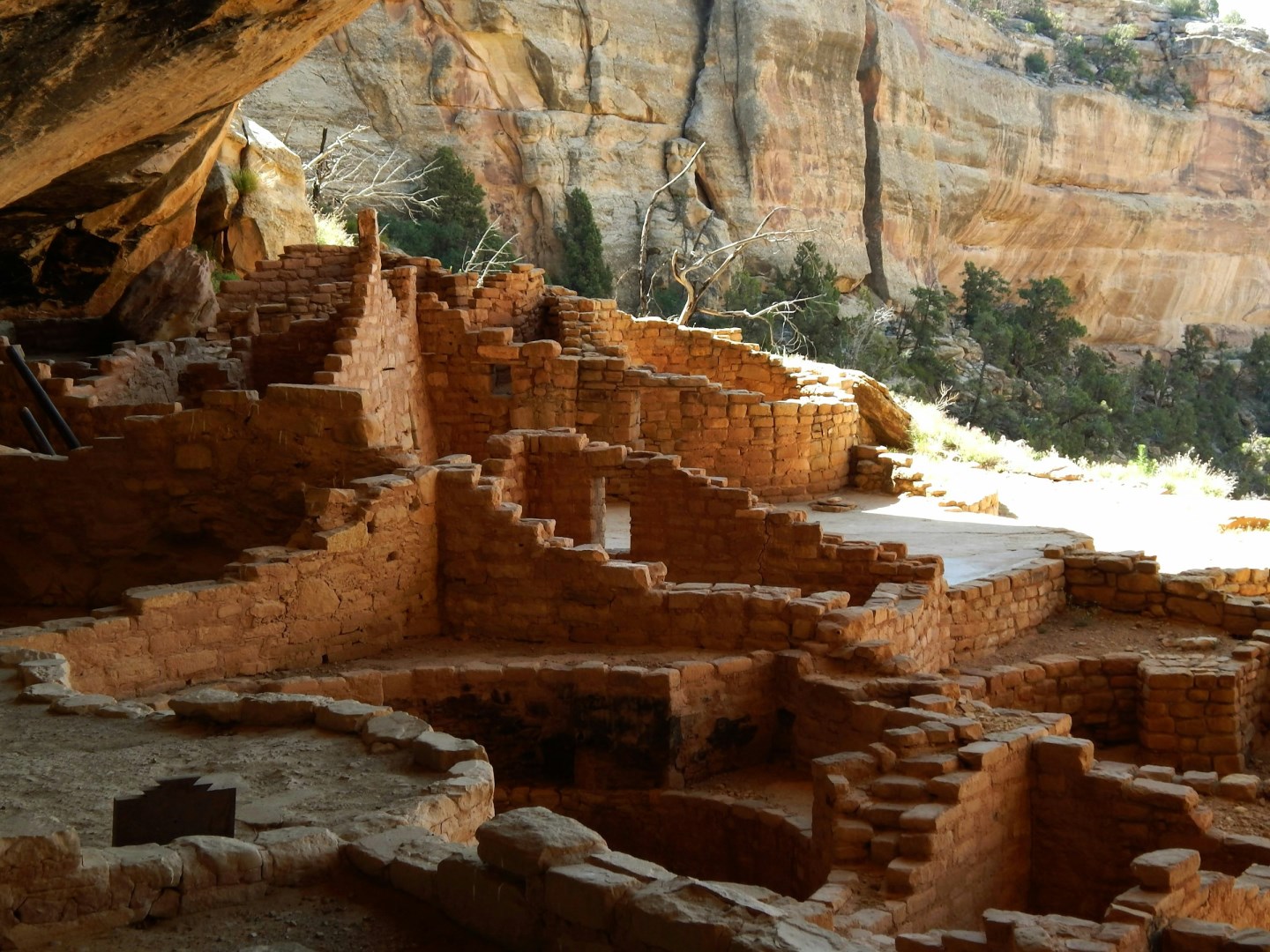
Mesa Verde National Park, nestled in the southwestern corner of Colorado, offers an extraordinary journey into the ancient past of the Ancestral Puebloans. This UNESCO World Heritage Site is renowned for its remarkably well-preserved cliff dwellings, built into the sheer rock faces of the canyon walls. The most famous of these is Cliff Palace, a sprawling complex of over 150 rooms and numerous ceremonial kivas. Exploring these ancient ruins provides a unique glimpse into the lives of the people who once called this rugged landscape home.
Visitors to Mesa Verde can embark on a series of guided tours and ranger-led programs that illuminate the intricate architecture and sophisticated society of the Ancestral Puebloans. The park’s trails lead to other impressive sites like Balcony House and Long House, each with its own story and unique features. For those seeking a more immersive experience, the park’s scenic drives offer stunning views of the surrounding landscapes, including the expansive Mesa Verde Plateau
A unique aspect of Mesa Verde is its emphasis on preserving not just the physical remnants of its past but also the cultural and historical context. The park’s Museum of the Ancestral Puebloans showcases artifacts and exhibits that provide deeper insights into the daily lives, spiritual practices, and environmental adaptations of its ancient inhabitants. This museum is a crucial stop for those interested in understanding the broader scope of the Ancestral Puebloans’ impact on the region.
Fun fact: Mesa Verde is home to one of the highest concentrations of cliff dwellings in North America, with over 600 individual sites documented. The name "Mesa Verde" itself means "Green Table" in Spanish, a reference to the lush vegetation that once thrived on the mesa top. Mesa Verde National Park continues to captivate visitors with its blend of natural beauty and ancient mystery.
Other Popular Destinations in Colorado
Denver
Denver, Colorado, known as the “Mile High City” for its elevation exactly 5,280 feet above sea level, offers far more than a mountain backdrop. It’s a city where old saloons, Victorian homes, and vintage brick warehouses sit beside sleek skyscrapers and buzzing food halls. While the nearby Rocky Mountains are visible from almost anywhere in the city, places like City Park and Washington Park offer wide green spaces right in town.
Grand Junction
Grand Junction, located on Colorado’s Western Slope, is a destination where desert canyons meet fertile vineyards and rugged plateaus overlook winding rivers. The town sits at the junction of the Colorado and Gunnison Rivers, which historically made it a vital meeting point for Native American tribes, trappers, and settlers. Today, visitors come for its striking landscapes, laid-back pace, and a growing food and wine scene that's putting this region on the map for more than just its scenery.