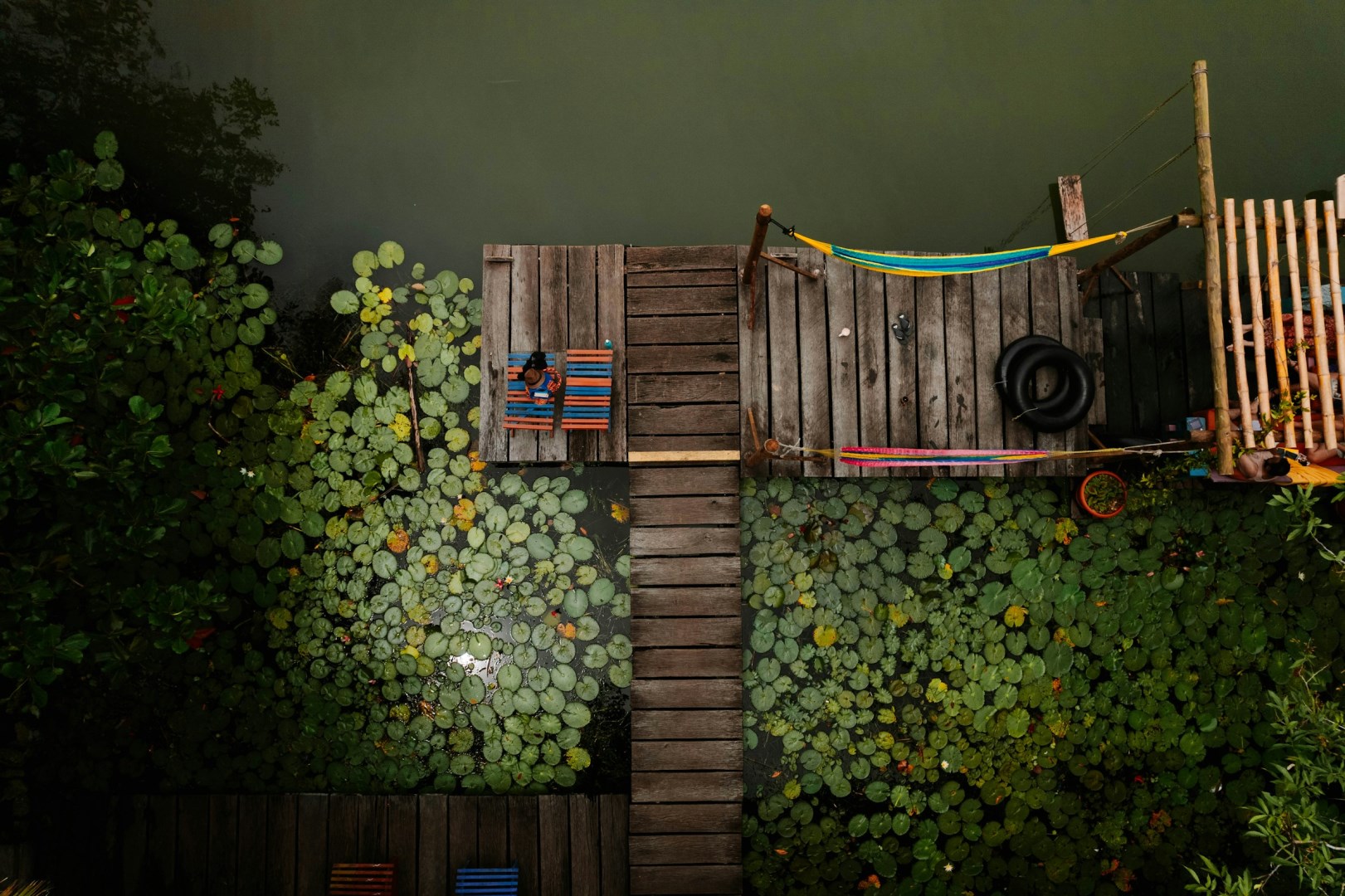
Puerto Barrios
Located in the Gulf of Honduras, this area of the Mayan offers jungle tours along the Rio San Carlos or walking through the Mayan ruina at Quirigua. In ancient Mayan culture, priests used to drive sting ray spines through their tongues to appease their gods.
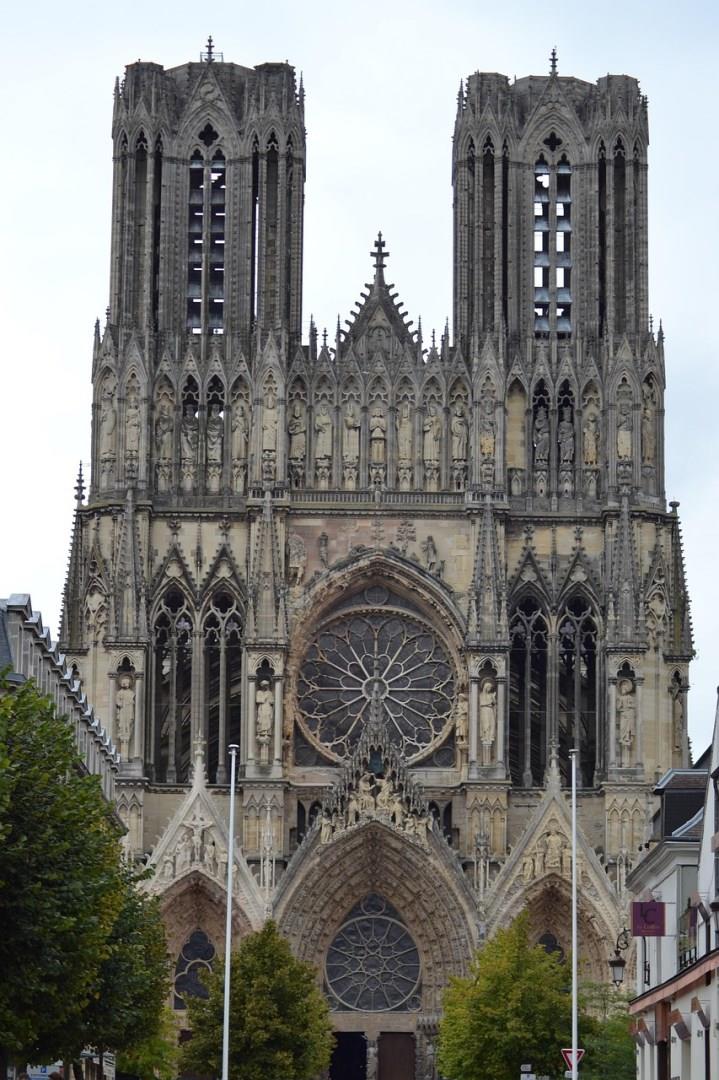
Reims
France’s city of Reims, located in the heart of the Champagne region, is a place where history and celebration meet. Known for its towering cathedral, Reims played a central role in French royal tradition. Nearly every French king was crowned at the Cathedral of Notre-Dame de Reims, a masterpiece of Gothic architecture that still dominates the skyline. The cathedral’s intricate facade and famous stained-glass window continue to draw visitors from around the world.
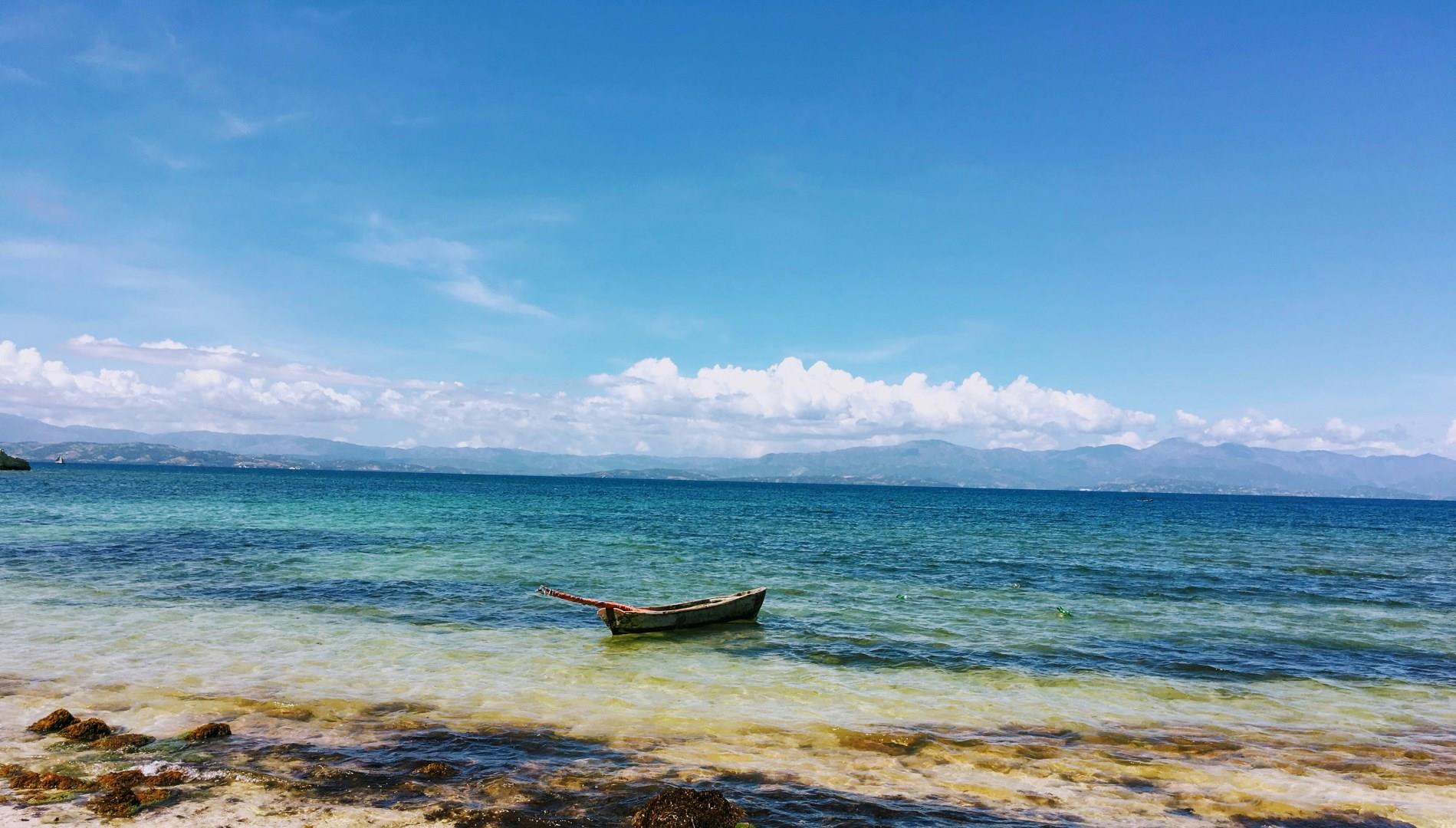
Ile a Vache
Ile a Vache, or "Cow Island," is a tranquil paradise off Haiti’s southern coast, offering a rare glimpse into an unspoiled Caribbean escape. With its pristine beaches, crystal-clear waters, and lush landscapes, the island is a haven for nature lovers and those seeking serenity.

Sapporo
Sapporo, (säp-pô´rô), capital of Hokkaido prefecture, SW Hokkaido, Japan. One of Japan's most rapidly growing urban centers, Sapporo is famous for its annual snow festival. It was the site of the 1972 winter Olympics.

Turku
Turku, Finland’s oldest city, is a captivating blend of rich history and contemporary charm. Established in the early 13th century, Turku is renowned for its medieval architecture, including the majestic Turku Castle.