Kanmon Straits
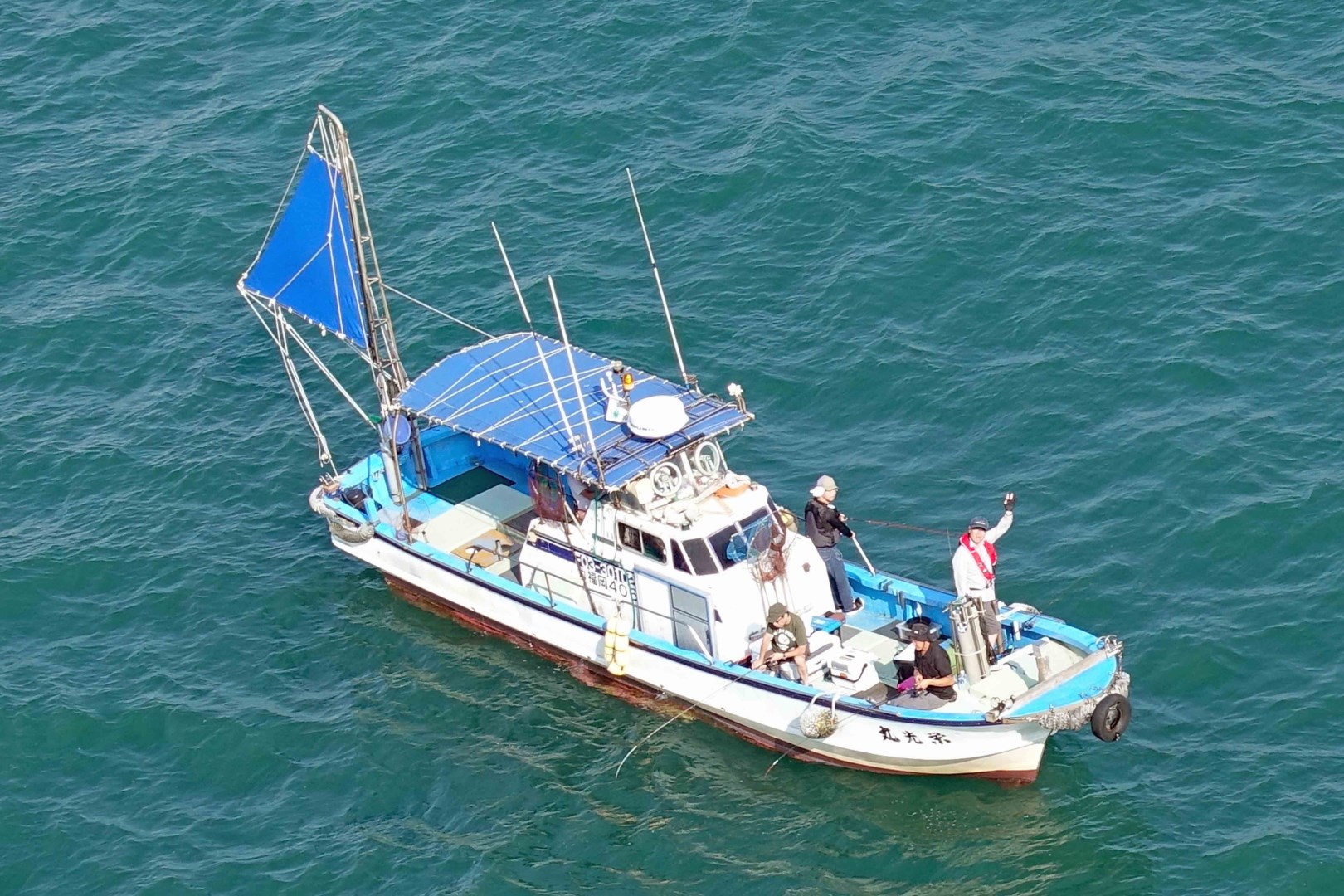
The Kanmon Straits are a narrow waterway in Japan that separates the island of Honshu from Kyushu and connects the Sea of Japan with the Seto Inland Sea.

Dominica
Dominica, known as the “Nature Island of the Caribbean,” is a haven for eco-tourists and adventure seekers. Nestled between the French islands of Guadeloupe and Martinique, this lush island boasts a remarkable landscape of volcanic mountains, dense rainforests, and stunning waterfalls. Dominica’s most iconic natural wonder is the Boiling Lake, the second-largest hot spring in the world.

Quintana Roo
Quintana Roo, nestled on the Caribbean coast of Mexico’s Yucatán Peninsula, is a paradise that seamlessly blends ancient history with modern luxury. The state is perhaps best known for its glittering beaches and turquoise waters, epitomized by destinations like Cancún and Playa del Carmen.
Ponte de Lima
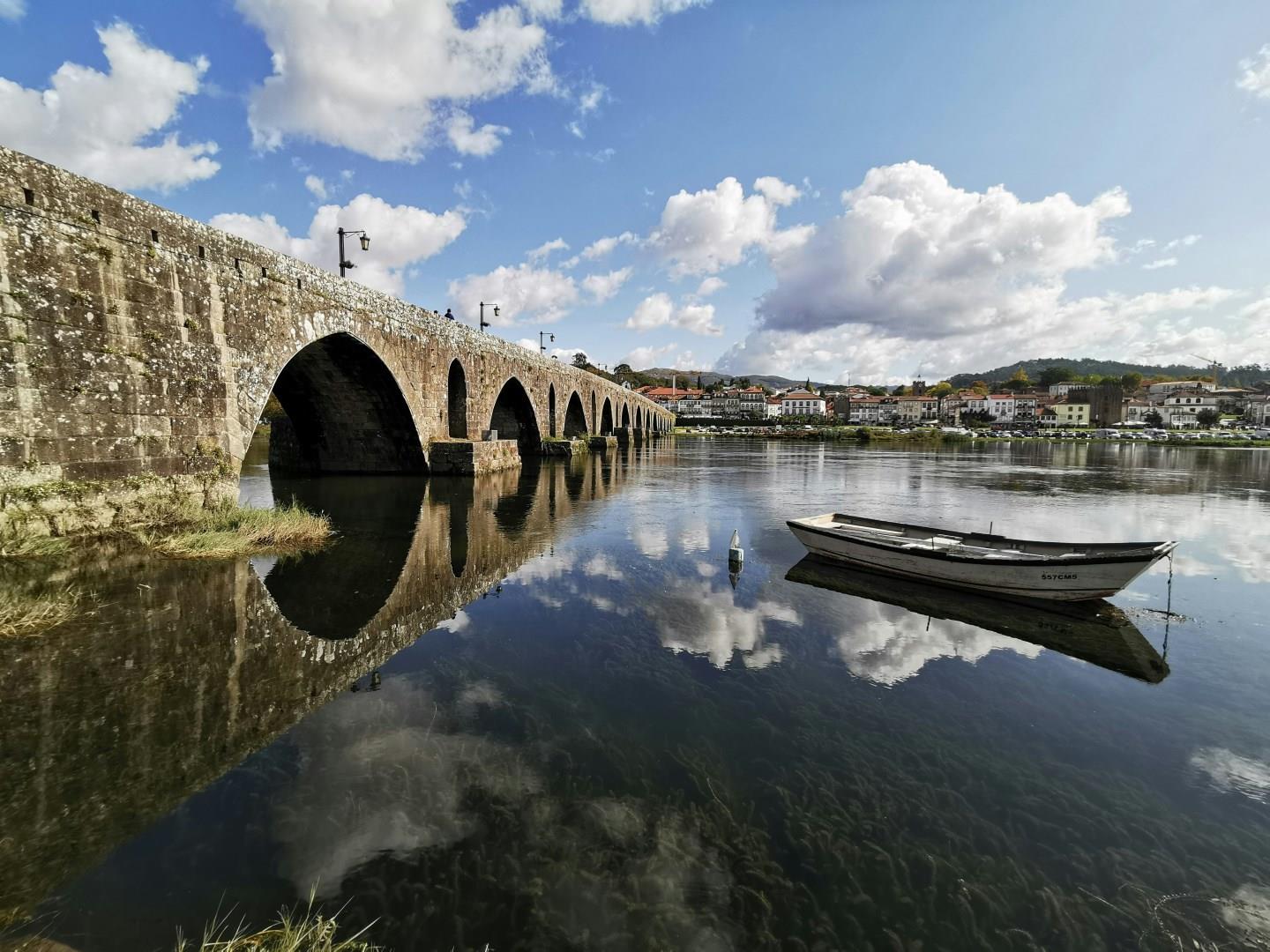
Ponte de Lima sits along the Lima River in northern Portugal and is often regarded as the country’s oldest town. Its identity centers on the medieval bridge that spans the river, parts of which date back to Roman times and still structure how the town is experienced today.
White Island Volcano
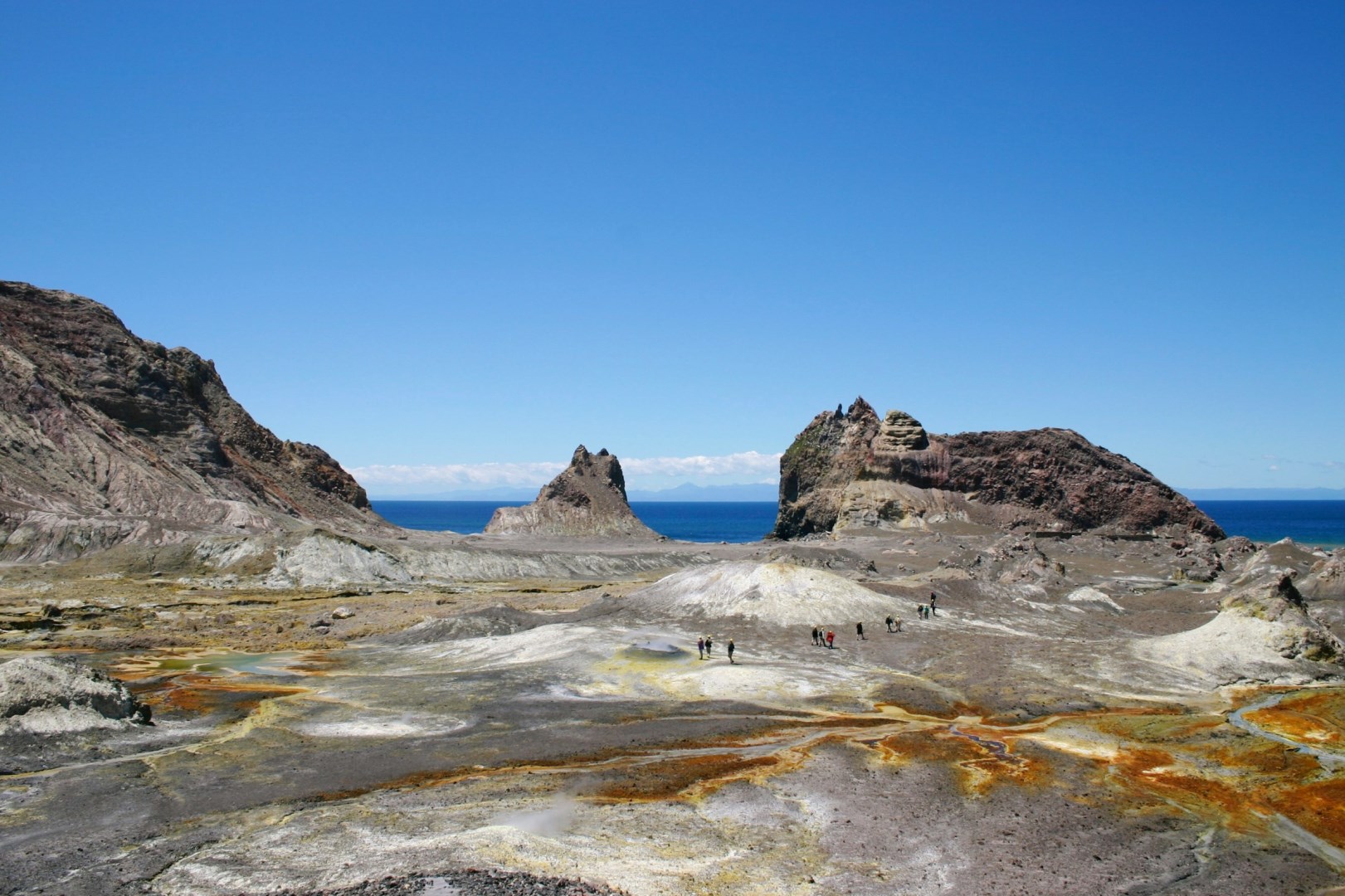
Do you want a vacation experience so unique and thrilling that you actually have to wear a hard hat? Look no further than New Zealand's White Island, where you can stand on an active volcano! Located offshore from Whakatane and Tauranga, White Island is New Zealand's only live marine volcano and one of the most active in the world. The tours are quite the experience, especially since you can hear the hissing and bubbling of the volcano all around you!