Port Louis
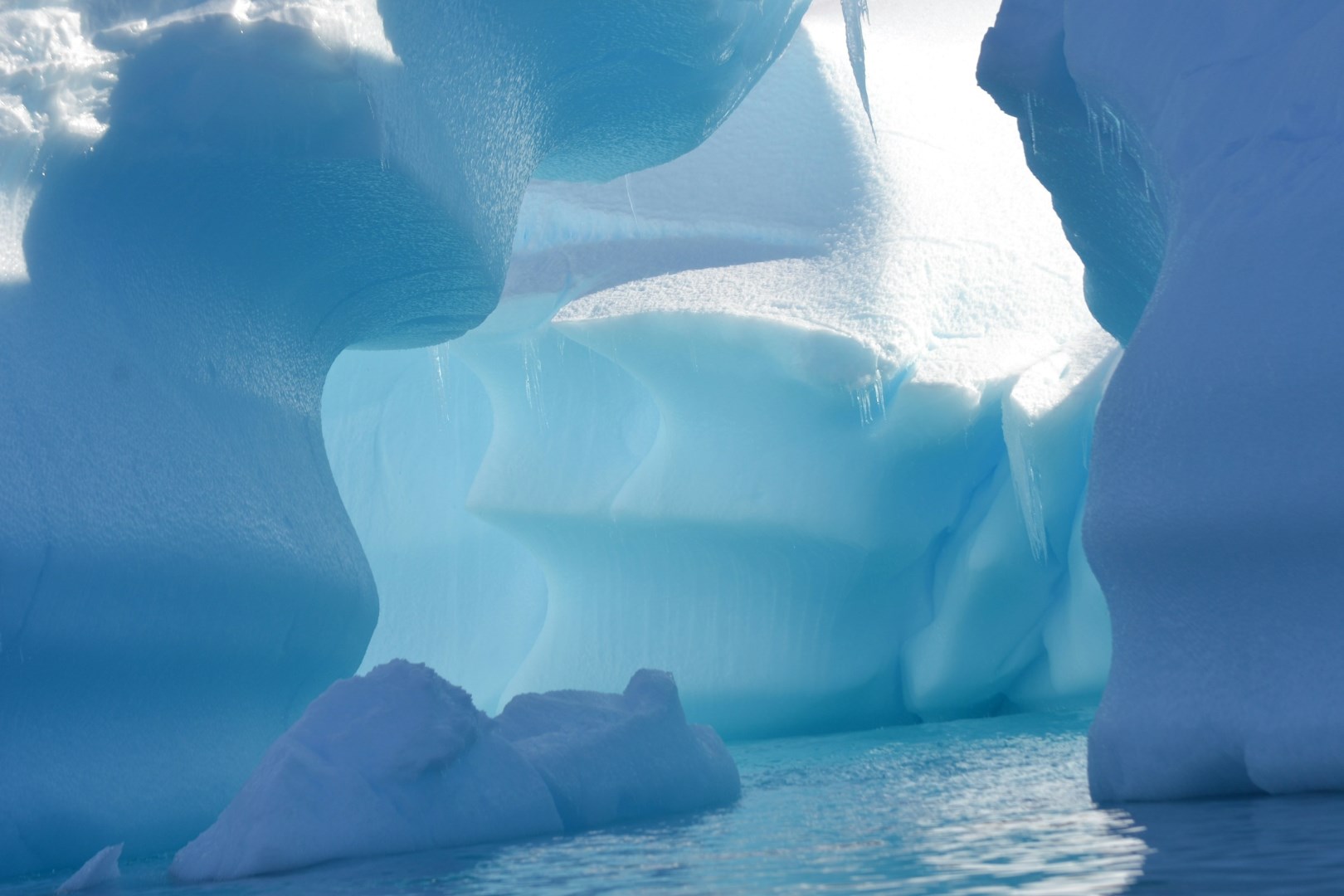
Port Louis, the bustling capital of Mauritius, is a vibrant melting pot of cultures, history, and modernity. Nestled between the verdant Moka Range and the Indian Ocean, this city invites visitors to explore its rich colonial past while embracing the dynamic energy of a thriving port town.
Lüderitz
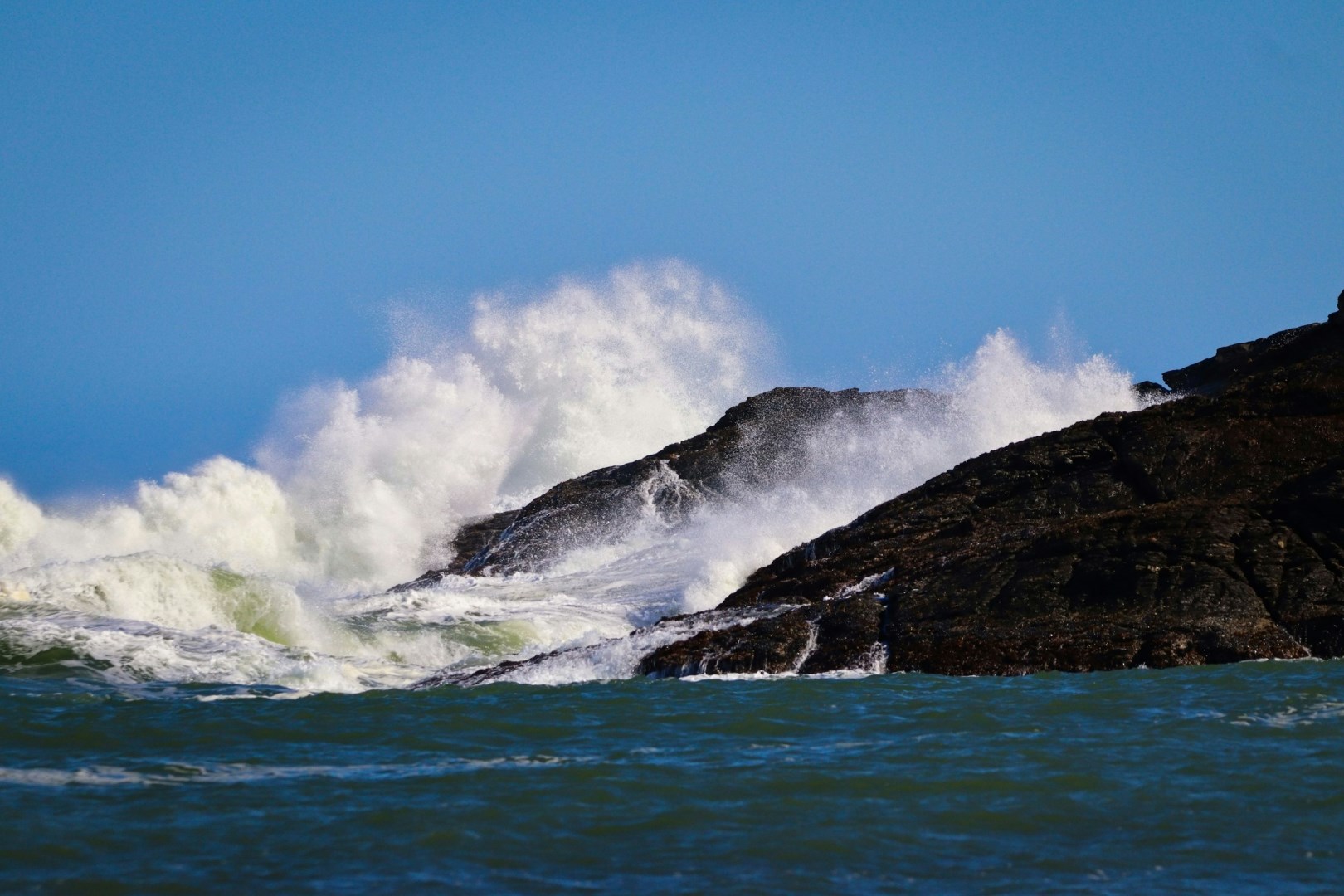
This coastal town in southwestern Namibia is known for its German colonial buildings, including the art nouveau Goerke Haus, built into the rock face on Diamond Hill. Nearby, Felsenkirche is a hilltop church with panoramic bay views stretching around to Robert Harbor. The Lüderitz Museum has displays about the town’s diamond mining past as well as local and natural history.

Dominica
Dominica, known as the “Nature Island of the Caribbean,” is a haven for eco-tourists and adventure seekers. Nestled between the French islands of Guadeloupe and Martinique, this lush island boasts a remarkable landscape of volcanic mountains, dense rainforests, and stunning waterfalls. Dominica’s most iconic natural wonder is the Boiling Lake, the second-largest hot spring in the world.
Grand Staircase-Escalante National Monument
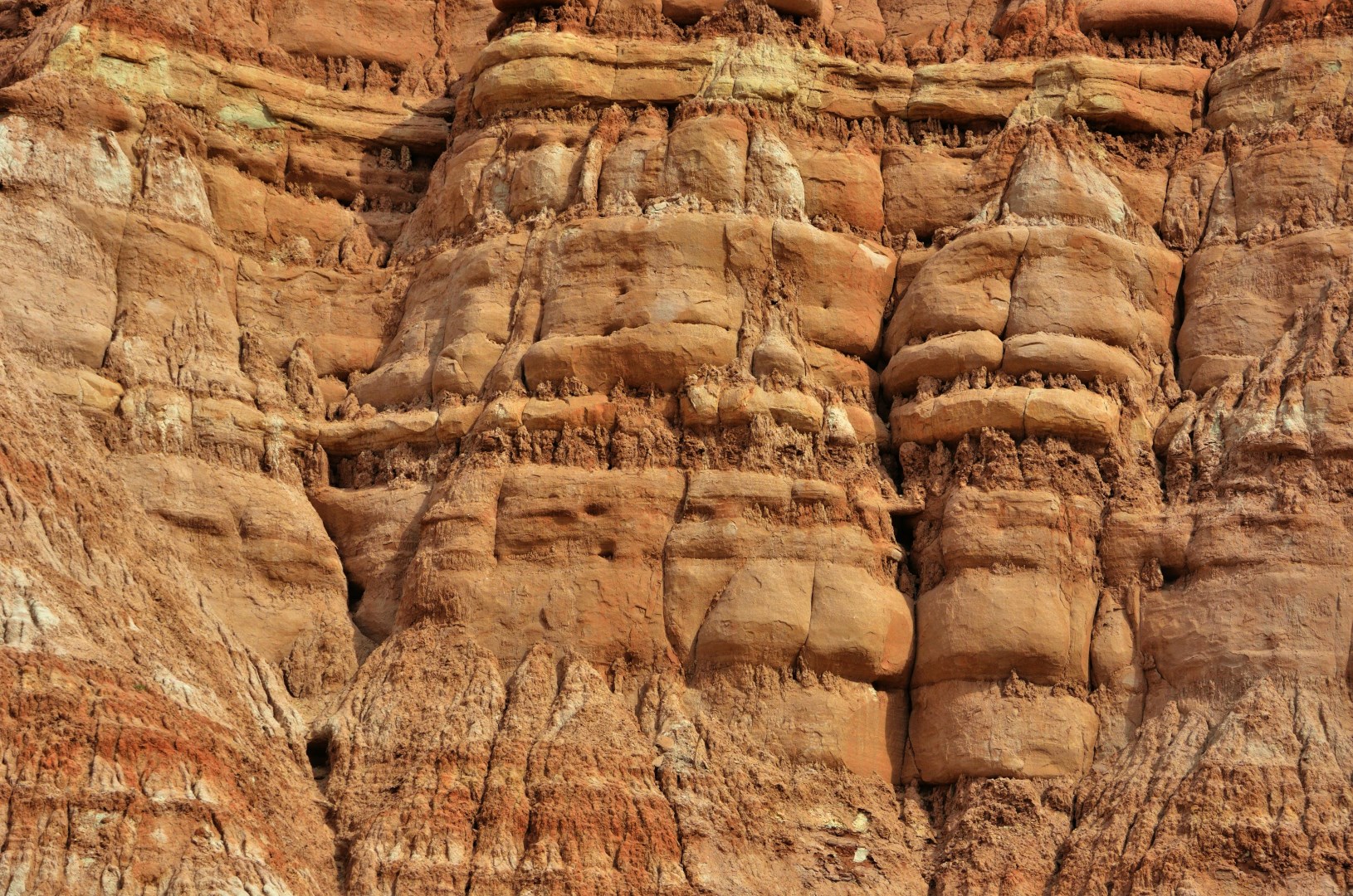
Grand Staircase–Escalante National Monument stretches across southern Utah as a vast landscape of layered cliffs, winding canyons, and open desert plateaus. The land shifts in color from pale cream to deep red, depending on the angle of the sun, revealing rock layers that look like pages stacked over time. Much of the area feels remote, with long dirt roads like Hole-in-the-Rock Road leading travelers deep into quiet terrain where rock formations rise suddenly from flat ground.
King Island Tasmania
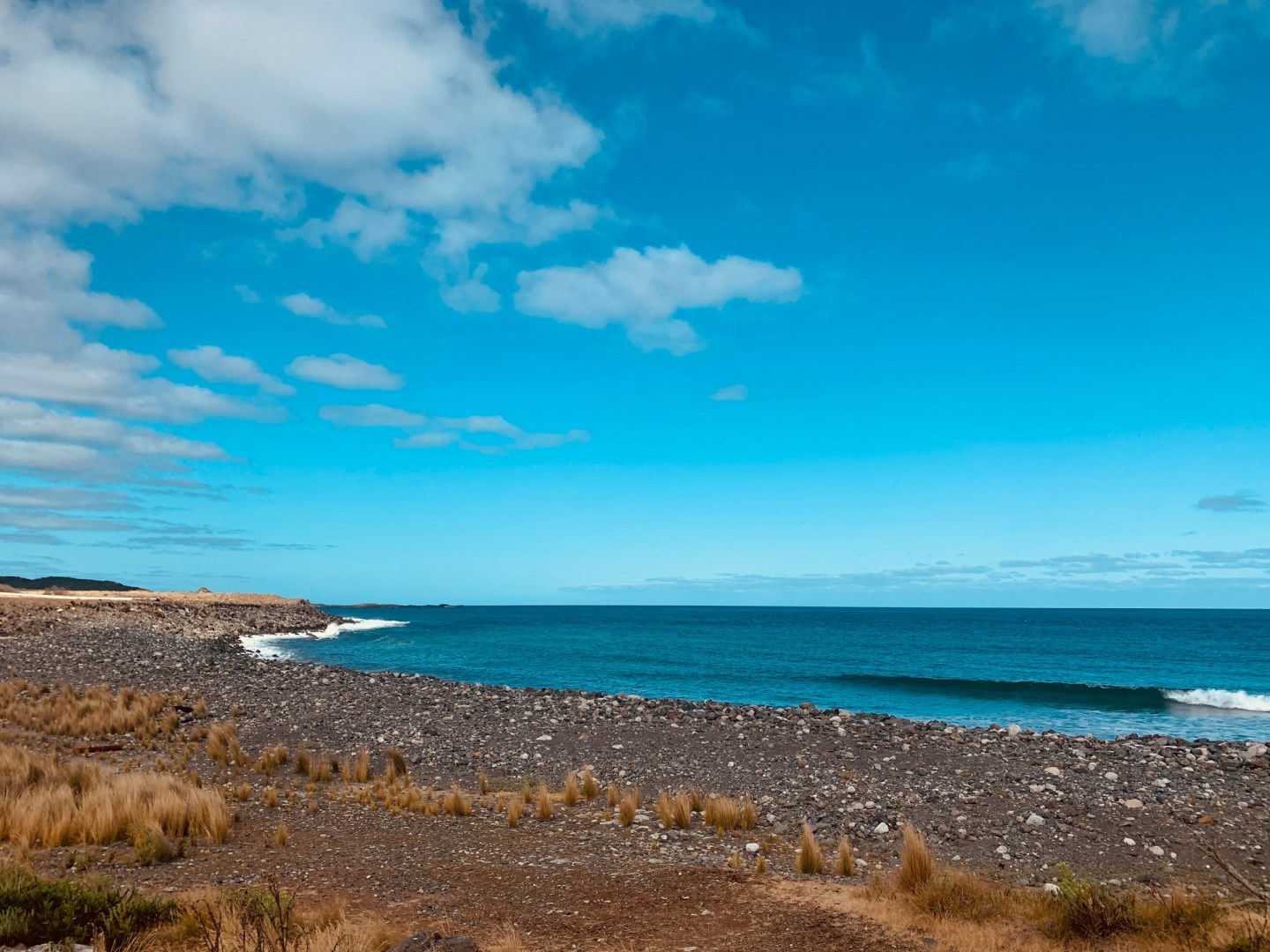
King Island was discovered in 1798, and was a preferred breeding area for sea elephants and seals. Around the island are many shipwrecks, caused by the rough seas of the Bass Strait.