Klaksvík, the second-largest town in the Faroe Islands, is a must-visit destination for those seeking a blend of nature, culture, and modern amenities. Nestled between two majestic fjords, this picturesque fishing town is surrounded by towering mountains and offers a stunning natural backdrop at every turn.
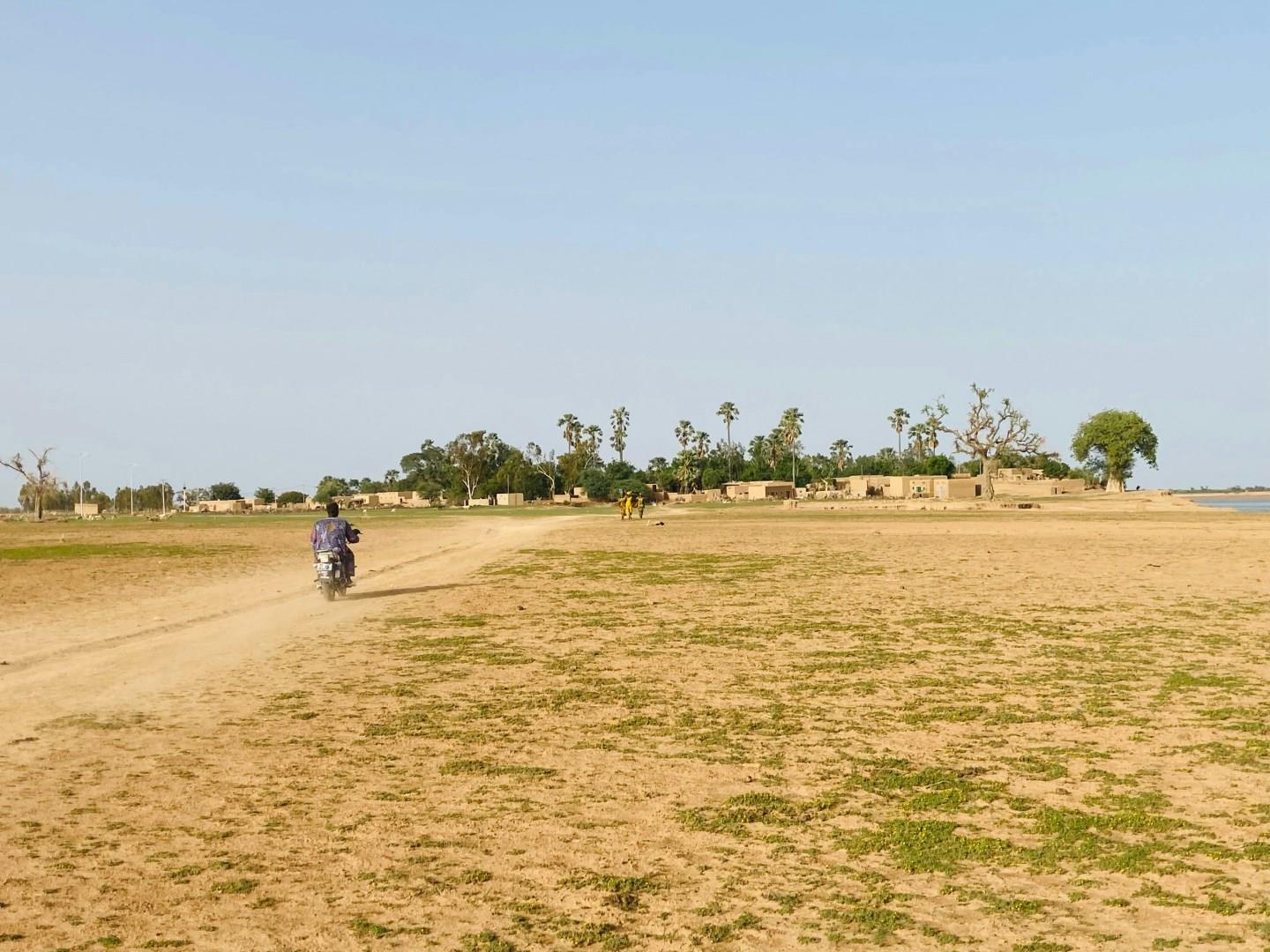
Mopti, often called the “Venice of Mali,” sits at the point where the Bani and Niger rivers meet. This strategic location has made it an important trading hub for centuries, attracting merchants, fishermen, and travelers from across West Africa.
Bridgetown, the lively capital of Barbados, is a city where history and Caribbean culture meet on the island’s southwestern coast. Founded in the 17th century, its historic core is recognized as a UNESCO World Heritage Site, with landmarks that reflect both British colonial influence and local heritage.
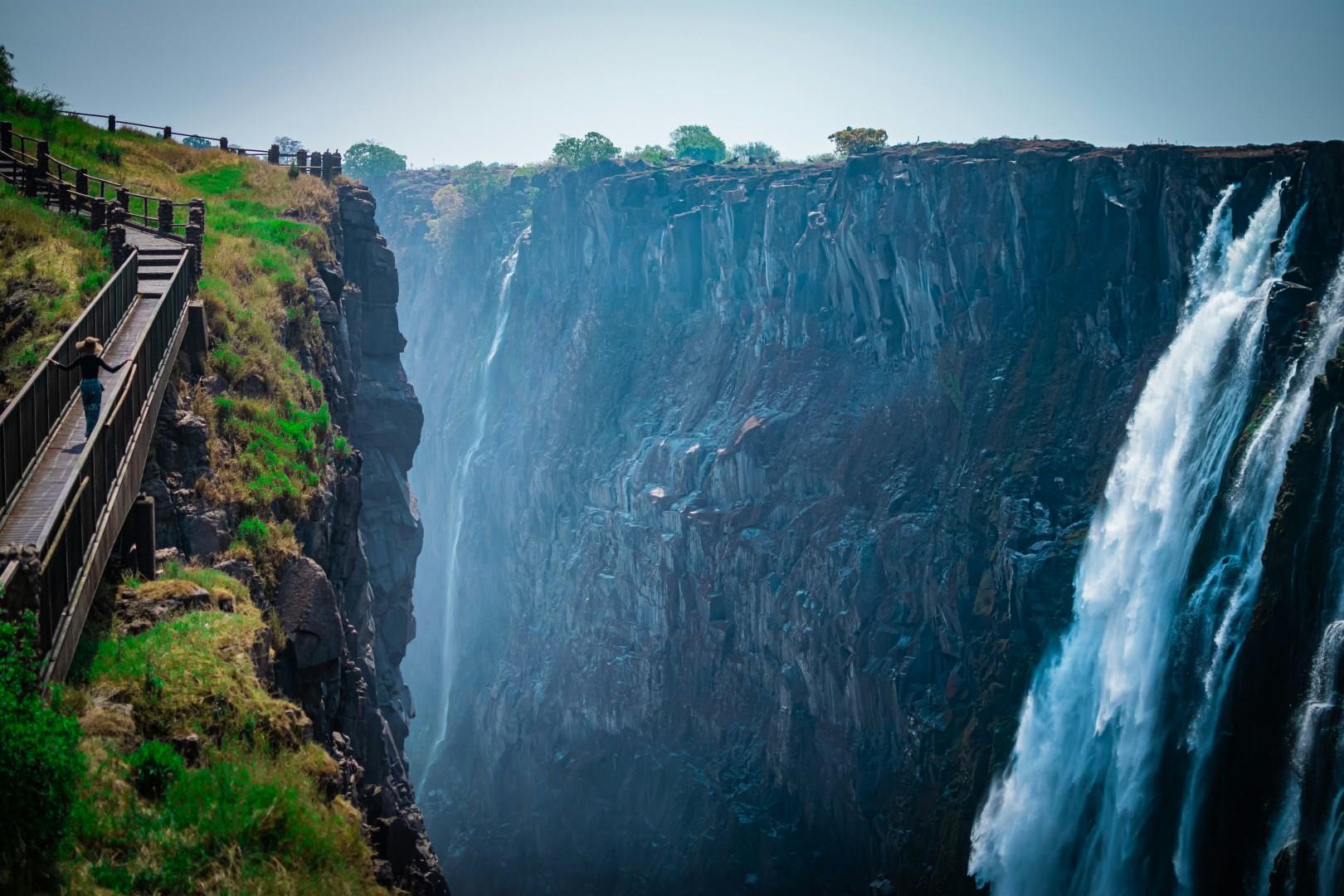
In the heart of Zambia lies Livingstone, a city that serves as the gateway to one of the most spectacular natural wonders in the world: Victoria Falls. This UNESCO World Heritage Site, often referred to as "The Smoke That Thunders," is renowned for its breathtakingly powerful waterfalls on the Zambezi River. The falls, which span over 1,700 meters wide and plunge 108 meters deep, offer a mesmerizing display of nature's might.
No place on Earth quite compares to Antarctica, this stunning and vast continent is cold and windy, containing 90% of the ice in the world. Those who brave a visit here are rewarded with beautiful glaciers that must be seen to be believed, and a vast array of wildlife such as whales, penguins, Arctic foxes and seals.
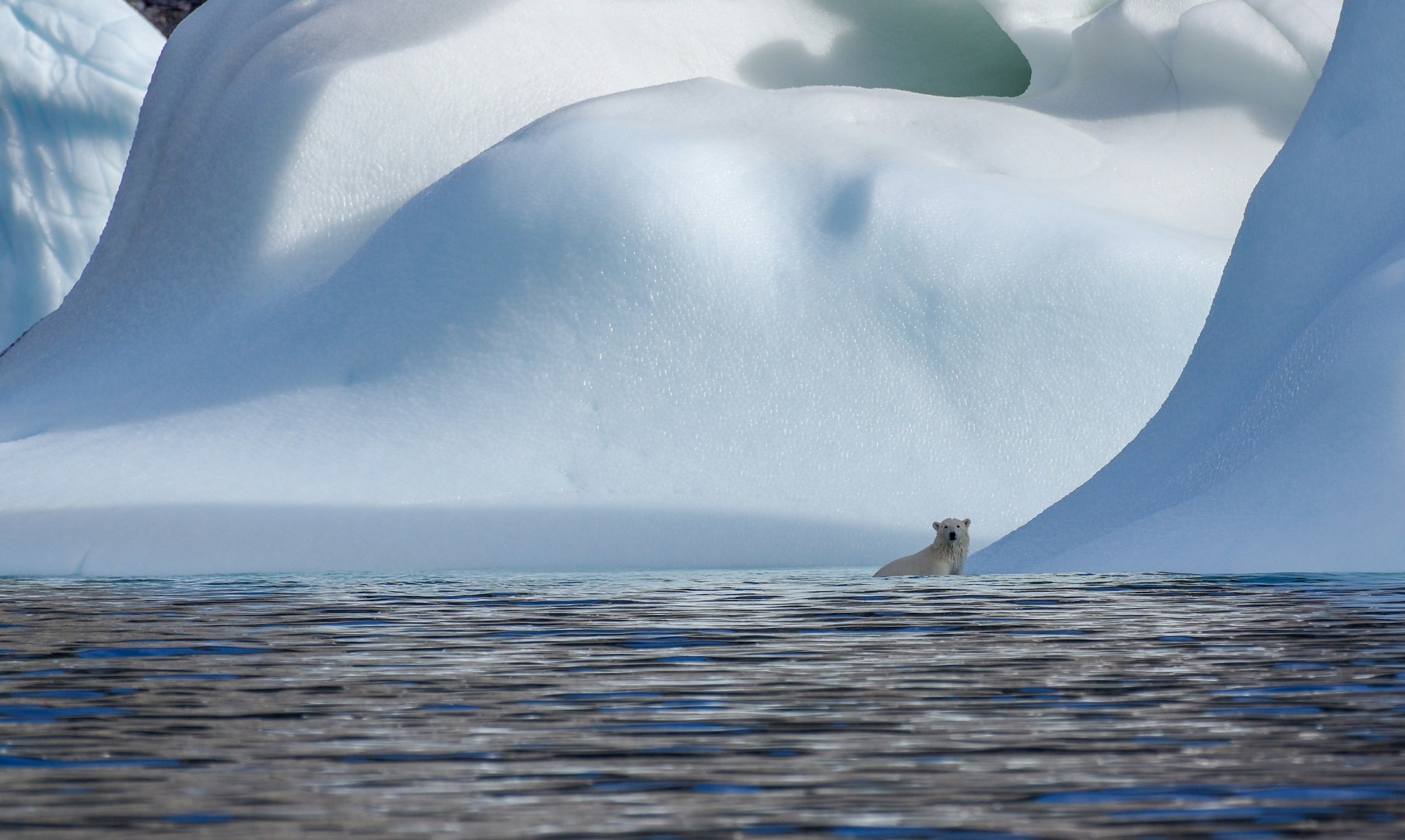
The Arctic Ocean, the world's smallest and shallowest ocean, offers a breathtaking and unique adventure for those seeking the grandeur of the polar regions. This icy expanse, bordered by Europe, Asia, and North America, is renowned for its stunning natural beauty and pristine landscapes. Travelers can explore the Svalbard Archipelago, a group of islands located between mainland Norway and the North Pole, where you can experience the northern lights and encounter polar bears in their natural habitat.
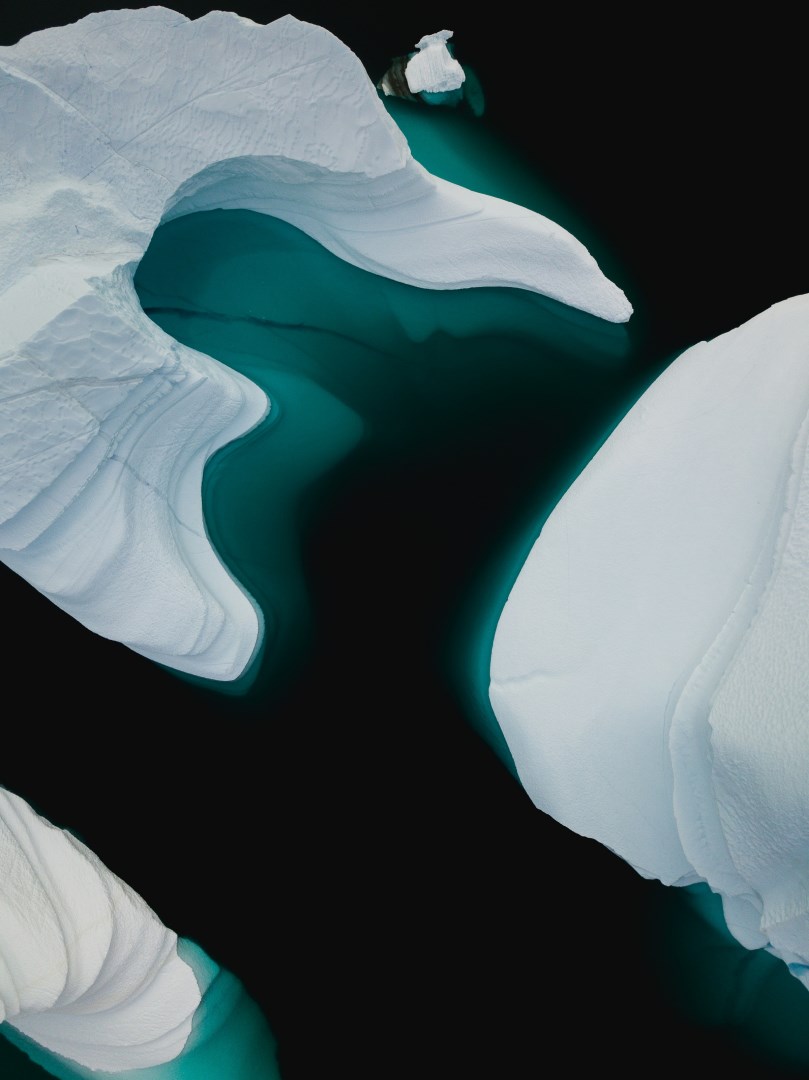
A journey through the Arctic Ocean promises a variety of extraordinary experiences, including exploring Greenland’s Ice Sheet, the second-largest ice body in the world. Adventure seekers can embark on ice hiking or glacier tours, marveling at the dramatic ice formations and the vivid colors of the icebergs. In addition, the Arctic waters are home to a diverse range of marine life, including seals, whales, and numerous seabirds, making it a haven for wildlife enthusiasts.
The Arctic Ocean is also dotted with fascinating scientific research stations and historical sites. The North Pole itself is a destination of legend and adventure, often visited by daring explorers and researchers. The region's history is rich with tales of exploration and survival, as seen in the expeditions of figures like Roald Amundsen and Robert Peary, whose journeys are commemorated in various Arctic museums and exhibits.
Fun Fact: Despite its icy reputation, the Arctic Ocean is a vital part of global climate regulation. Its ice cover reflects sunlight, helping to keep the planet cool. As climate change affects this delicate balance, visiting the Arctic Ocean provides a unique opportunity to witness firsthand the impacts of environmental changes on one of Earth’s most remote regions.