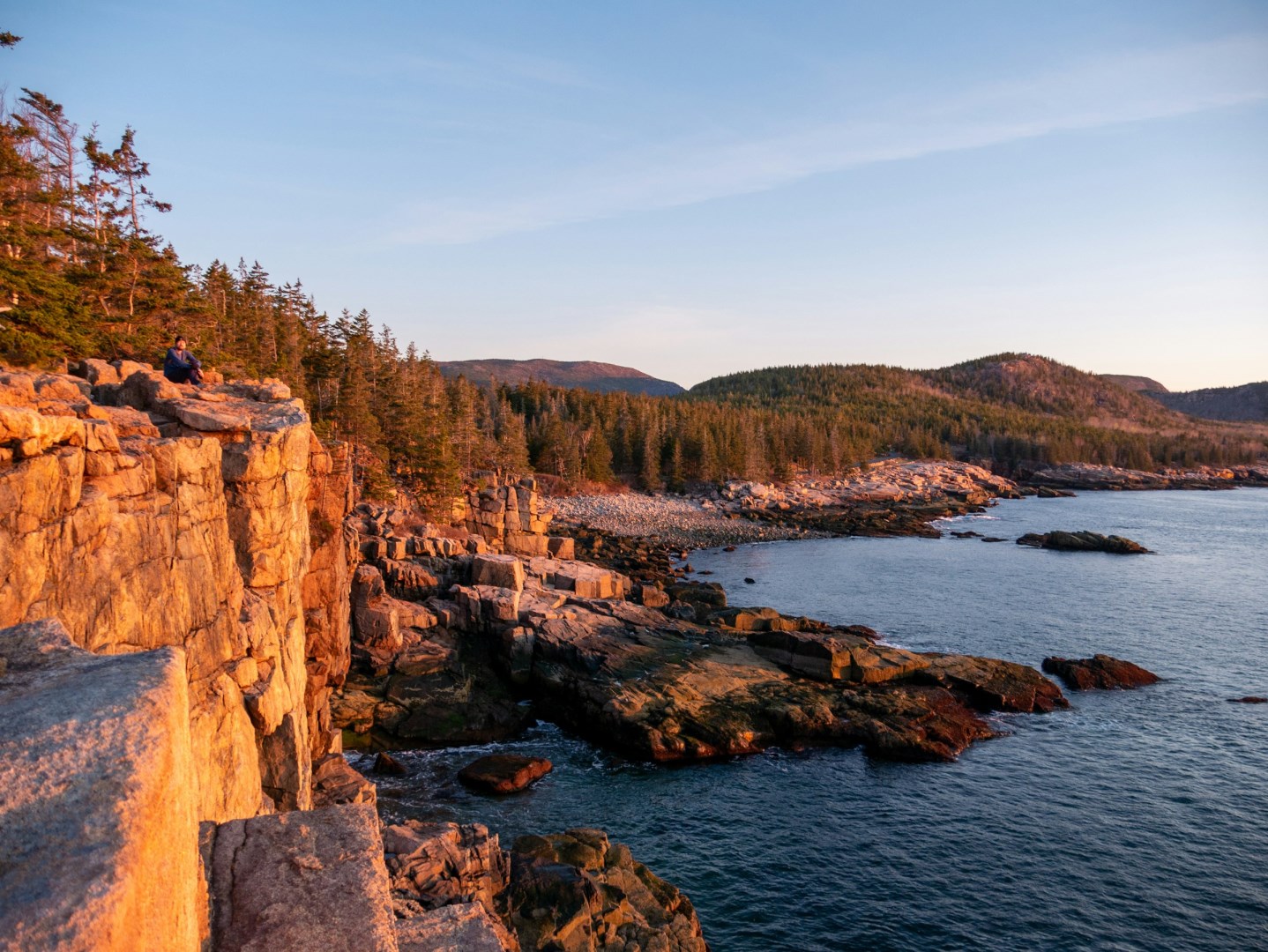
Acadia National Park in Maine is home to the highest point on the United States’ East Coast. The bay side town of Bar Harbor, with its restaurants and shops, is a popular gateway to this 47,000-acre national park filled with dramatic, breathtaking scenery.
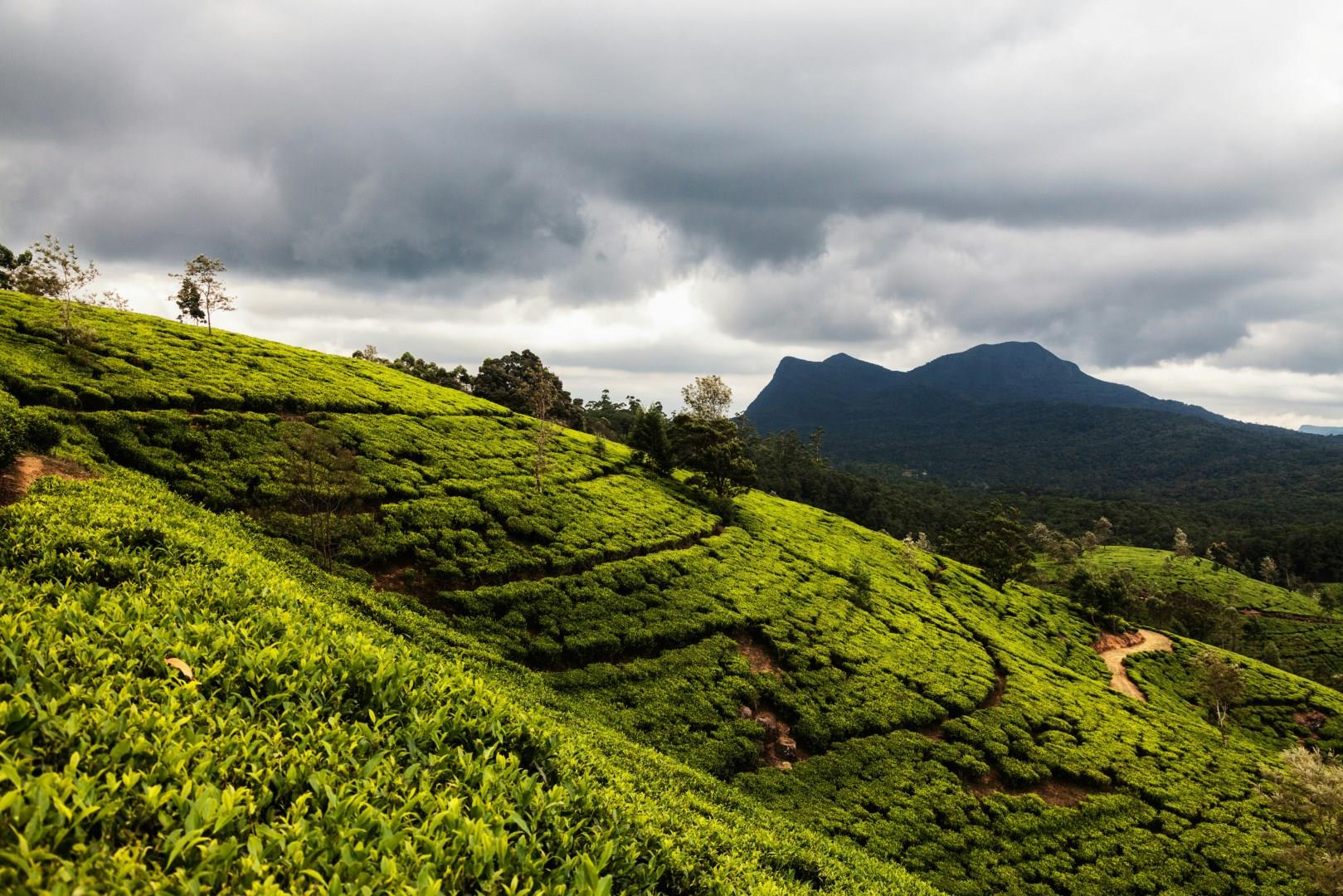
Nuwara Eliya sits high in Sri Lanka’s central highlands, above the plains at nearly 1,900 meters, with a climate that remains refreshingly mild year-round, which is a sharp contrast to the tropical warmth found elsewhere on the island. For those looking to explore the outdoors, Lake Gregory has long been a place for boating, walking, and watching the mist drift across the water at dawn.
St. Kitts, part of the twin-island federation of Saint Kitts and Nevis, is known for its volcanic landscape, coastal plains, and long stretches of shoreline. The island’s layout is shaped by its central peaks, including Mount Liamuiga, which rises above surrounding farmland and villages. Basseterre, the capital, serves as the main hub for commerce and government, with a harbor that regularly receives cruise ships.
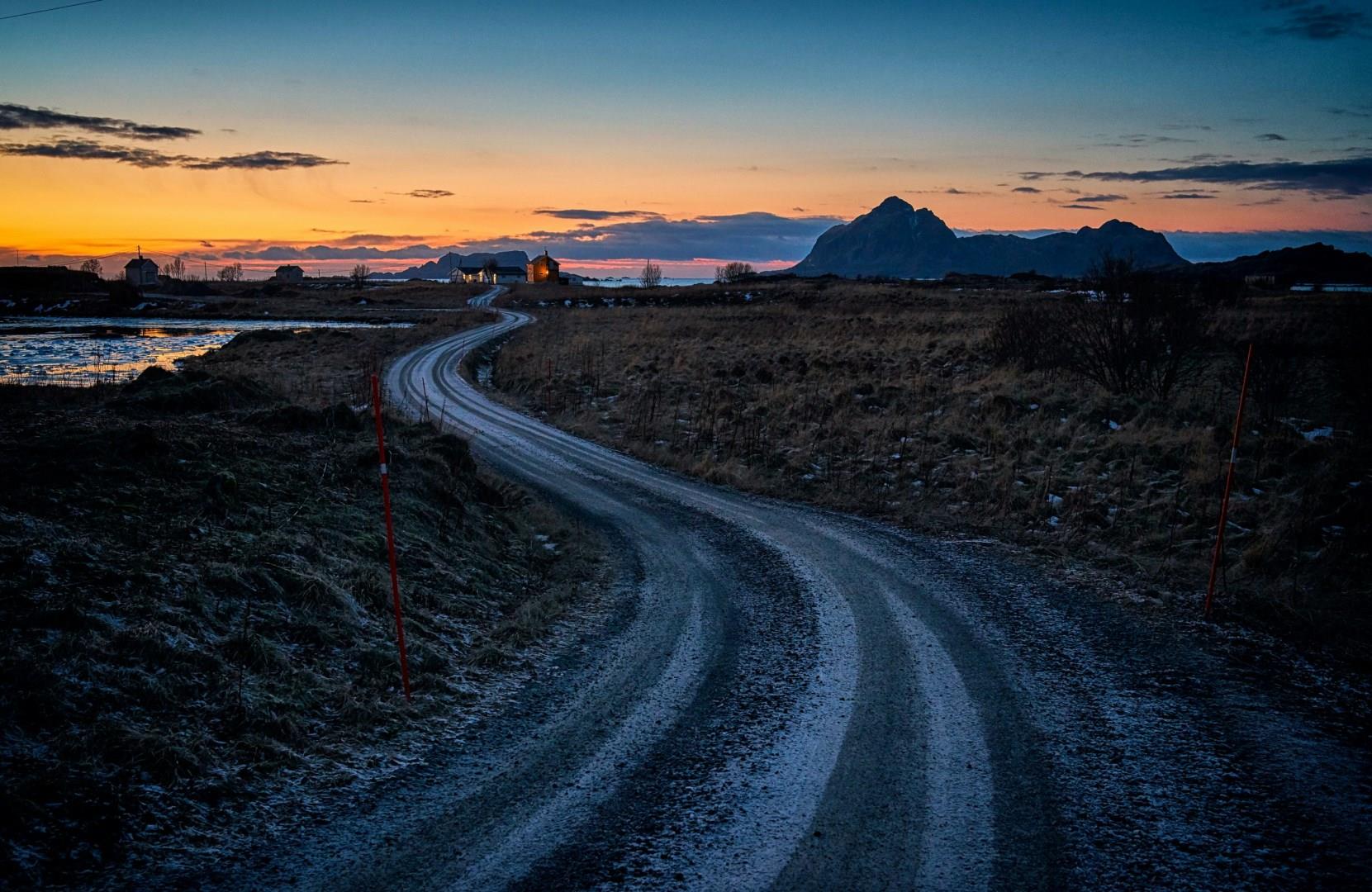
Vesteralen is a coastal archipelago in northern Norway, located just north of the Lofoten Islands, known for its wide-open landscapes, dramatic skies, and strong ties to the sea. Historically shaped by fishing and seafaring, the region’s communities developed around sheltered harbors and seasonal fisheries, particularly for cod.
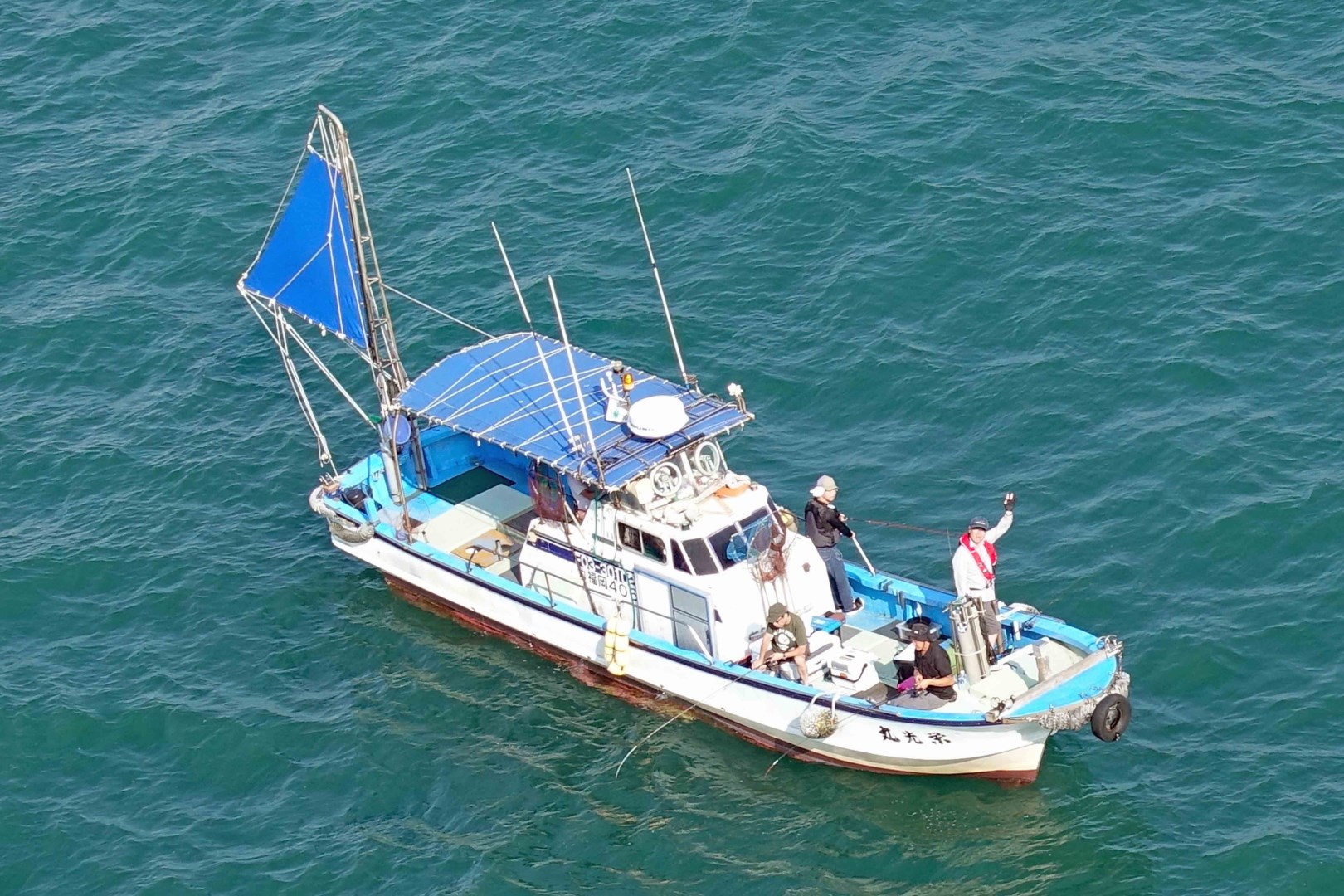
The Kanmon Straits are a narrow waterway in Japan that separates the island of Honshu from Kyushu and connects the Sea of Japan with the Seto Inland Sea.
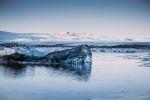
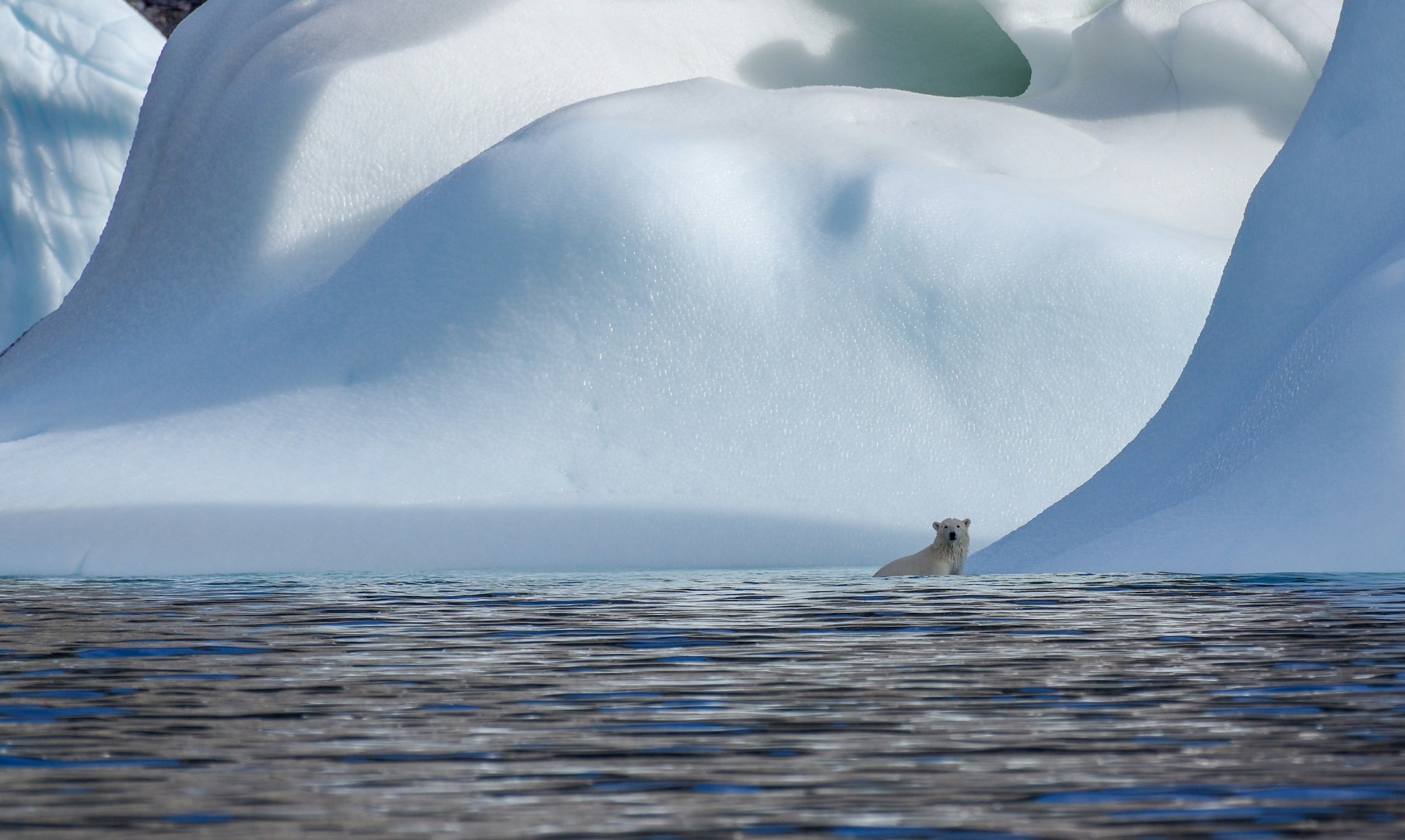
The Arctic Ocean, the world's smallest and shallowest ocean, offers a breathtaking and unique adventure for those seeking the grandeur of the polar regions. This icy expanse, bordered by Europe, Asia, and North America, is renowned for its stunning natural beauty and pristine landscapes. Travelers can explore the Svalbard Archipelago, a group of islands located between mainland Norway and the North Pole, where you can experience the northern lights and encounter polar bears in their natural habitat.
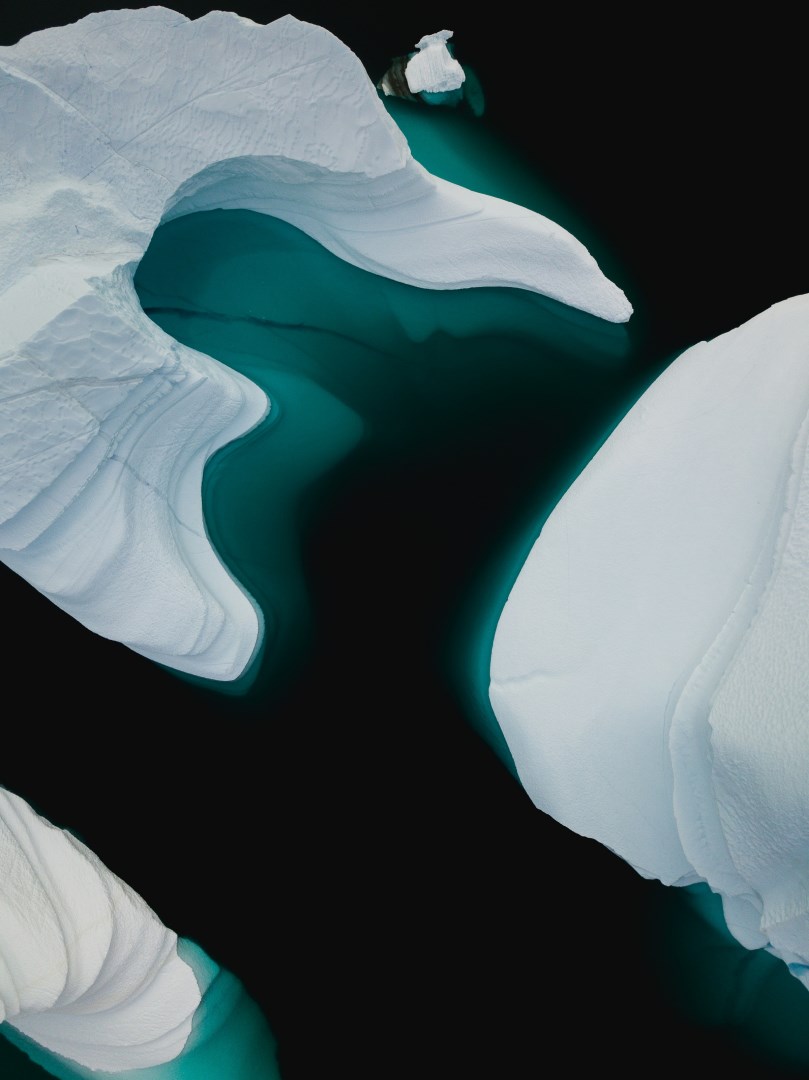
A journey through the Arctic Ocean promises a variety of extraordinary experiences, including exploring Greenland’s Ice Sheet, the second-largest ice body in the world. Adventure seekers can embark on ice hiking or glacier tours, marveling at the dramatic ice formations and the vivid colors of the icebergs. In addition, the Arctic waters are home to a diverse range of marine life, including seals, whales, and numerous seabirds, making it a haven for wildlife enthusiasts.
The Arctic Ocean is also dotted with fascinating scientific research stations and historical sites. The North Pole itself is a destination of legend and adventure, often visited by daring explorers and researchers. The region's history is rich with tales of exploration and survival, as seen in the expeditions of figures like Roald Amundsen and Robert Peary, whose journeys are commemorated in various Arctic museums and exhibits.
Fun Fact: Despite its icy reputation, the Arctic Ocean is a vital part of global climate regulation. Its ice cover reflects sunlight, helping to keep the planet cool. As climate change affects this delicate balance, visiting the Arctic Ocean provides a unique opportunity to witness firsthand the impacts of environmental changes on one of Earth’s most remote regions.