Norway
Norway offers a landscape shaped by glaciers, framed by fjords, and steeped in Viking history. The country's coastline stretches for over 100,000 kilometers if you count every inlet and island, which makes it one of the longest in the world. Travelers can take a ferry through the Geirangerfjord or cruise along the Lofoten Islands, where steep mountain peaks rise dramatically from the sea. These routes aren’t just scenic; they’ve been lifelines for coastal communities for centuries.
Adria
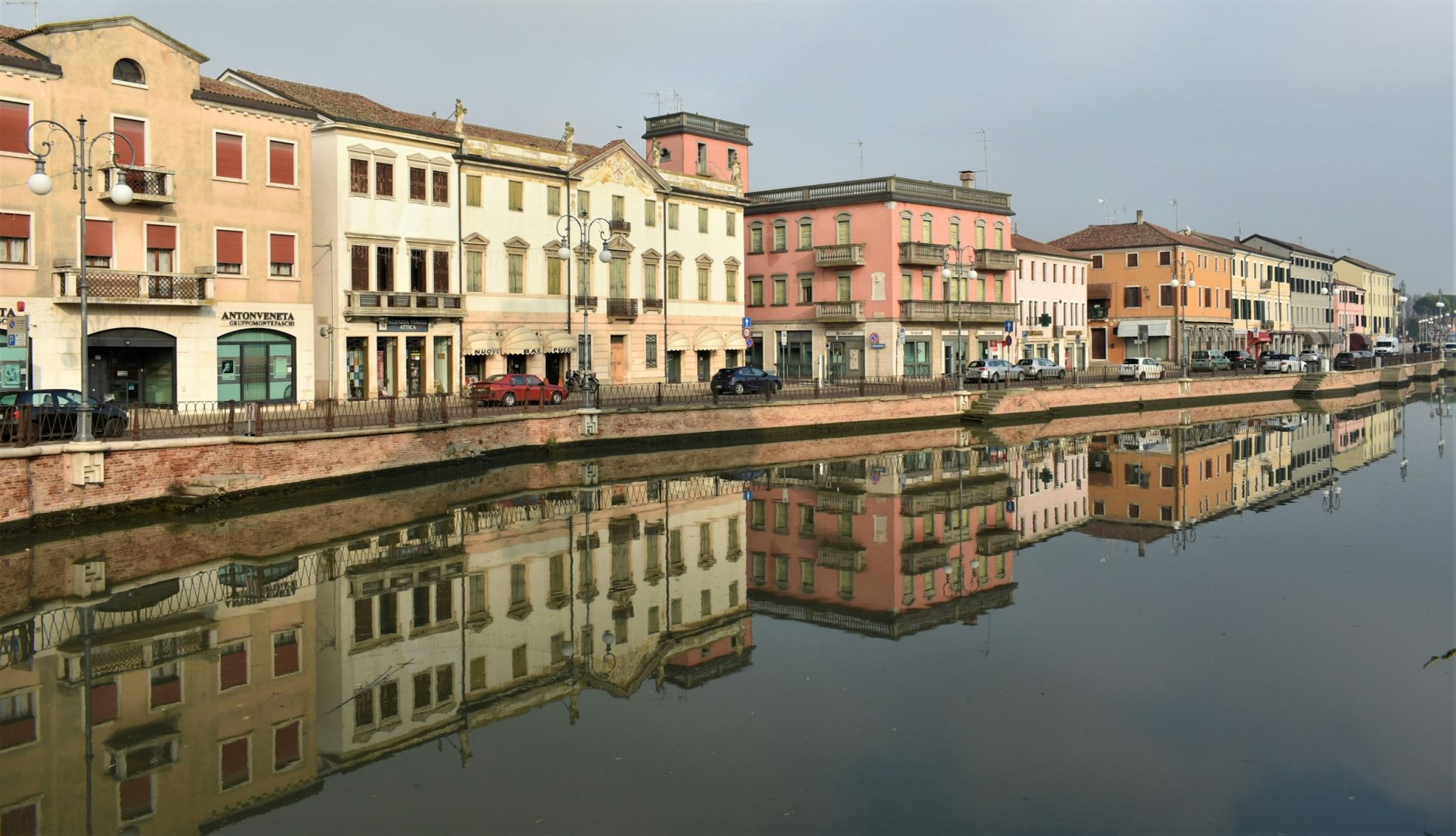
Adria is a historic town in the Veneto region of northeastern Italy, situated between the Po River and the Adriatic coast. Its name is closely associated with the Adriatic Sea, while its modern landscape lies within the flat, water-rich countryside of the Po Delta. The town developed around waterways that have long supported agriculture, trade, and transport.
Sagres
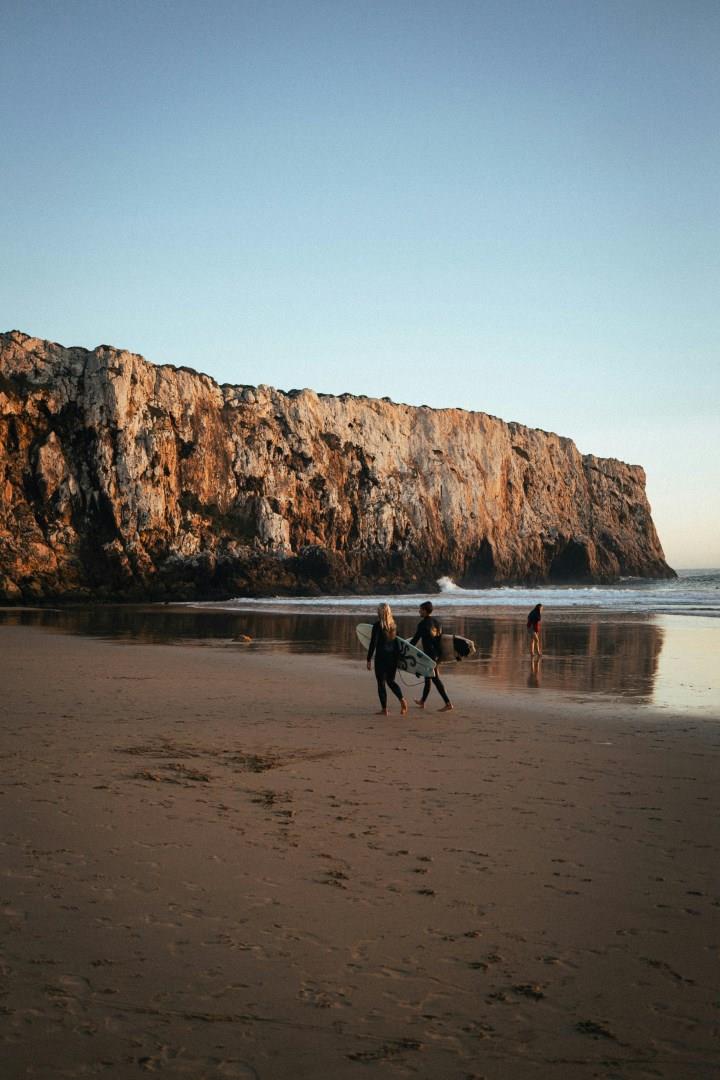
Sagres sits at the southwestern edge of continental Europe in Portugal’s Algarve region, where the Atlantic’s wide horizon meets rugged cliffs and open skies. For centuries this point was linked to maritime adventure and visitors can still feel that sense of discovery in the air. Here, people like Prince Henry the Navigator gathered cartographers, shipbuilders and astronomers in the 1400s to push beyond maps of the known world and shape the early Age of Discovery from Sagres’ dramatic headlands.
Mafia Island
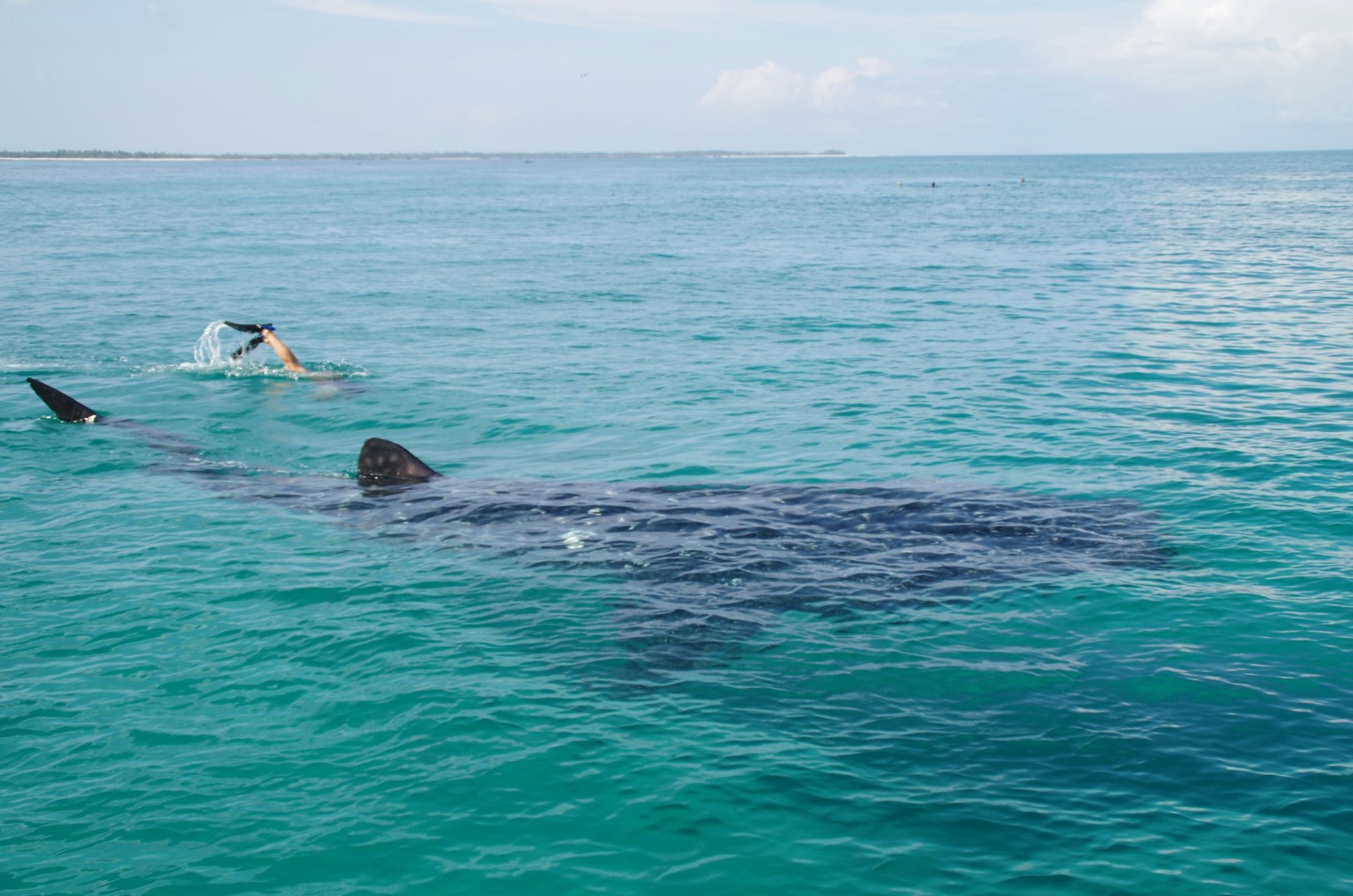
Mafia Island is a coastal island in Tanzania’s Pwani Region, lying in the Indian Ocean opposite the Rufiji River Delta. It forms part of the Mafia Archipelago, which includes smaller islands such as Chole, Juani, Jibondo, and Bwejuu. Kilindoni is the main town and port, while Utende provides access to Mafia Island Marine Park.
Sucre
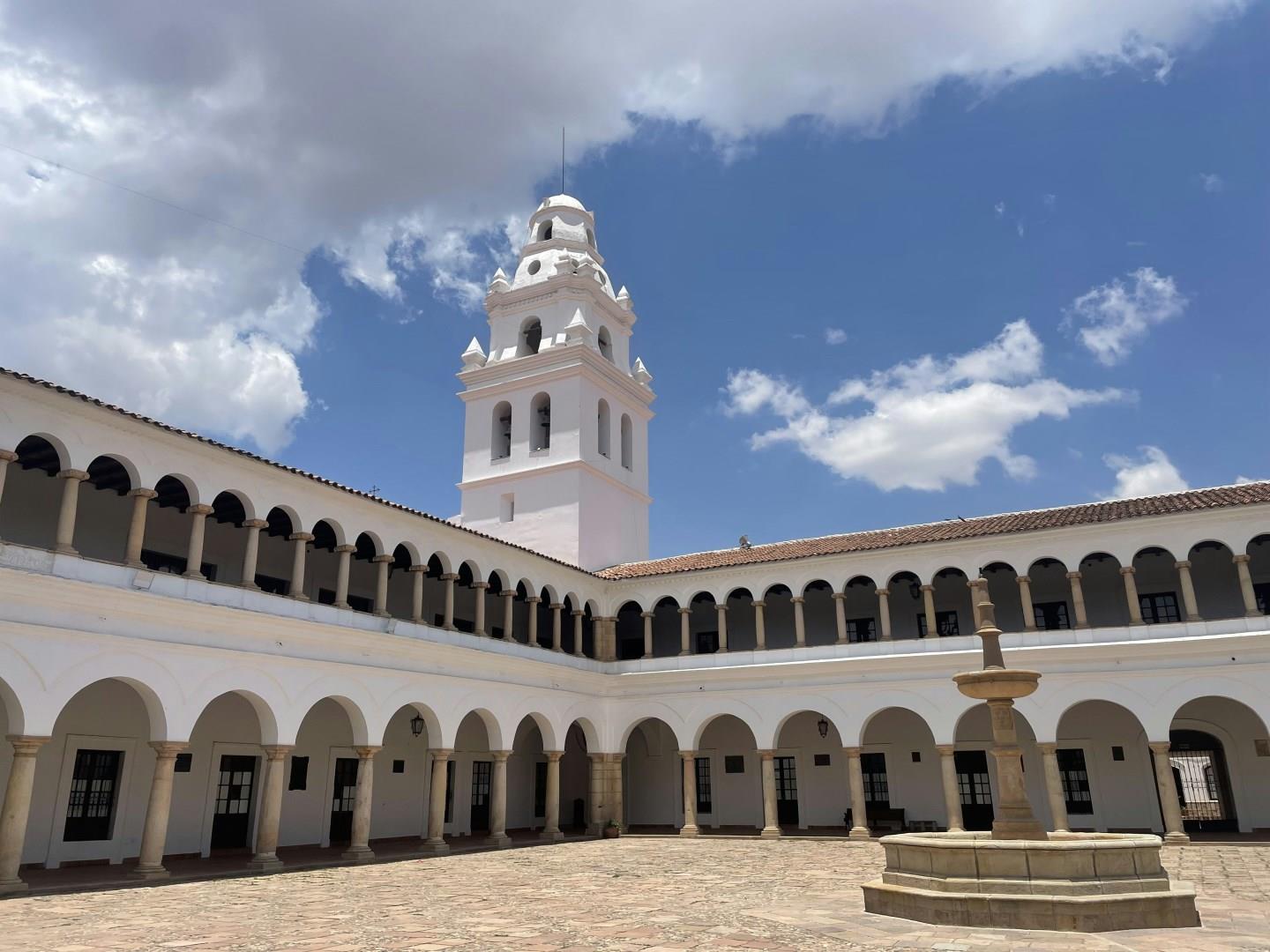
Sucre, Bolivia’s constitutional capital, is a city steeped in history and colonial charm. Founded in the 16th century by the Spanish, it played a pivotal role in South America’s independence movements, earning its place as the birthplace of the Bolivian Republic.