Atlanta
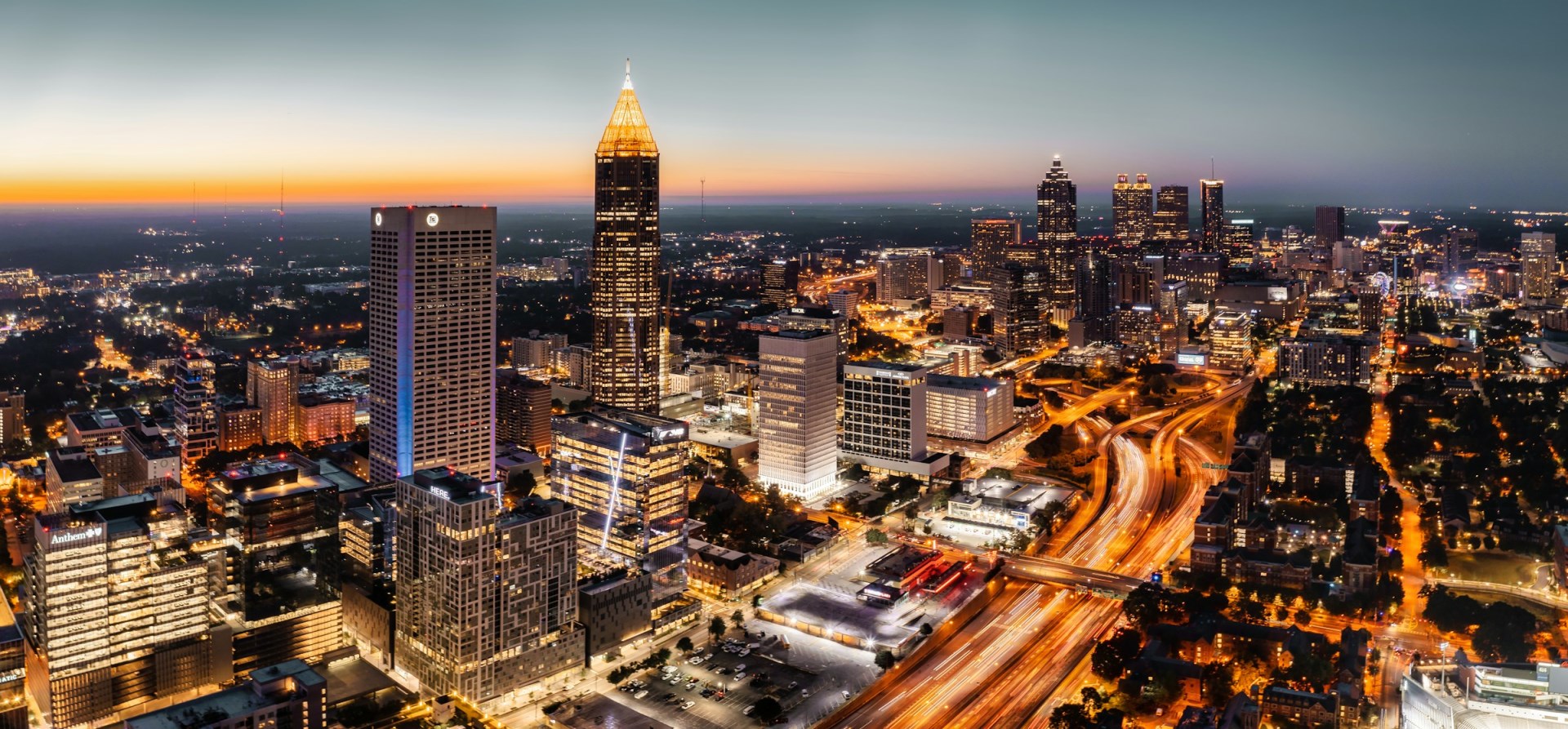
Atlanta, Georgia, is a city where Southern charm meets modern sophistication, making it a must-visit destination for travelers. Known as the "City in a Forest" due to its lush tree canopy, Atlanta boasts a vibrant blend of history, culture, and innovation. Explore the iconic Martin Luther King Jr. National Historical Park, where you can walk in the footsteps of the Civil Rights leader, visiting his childhood home and the church where he preached.
Niigata
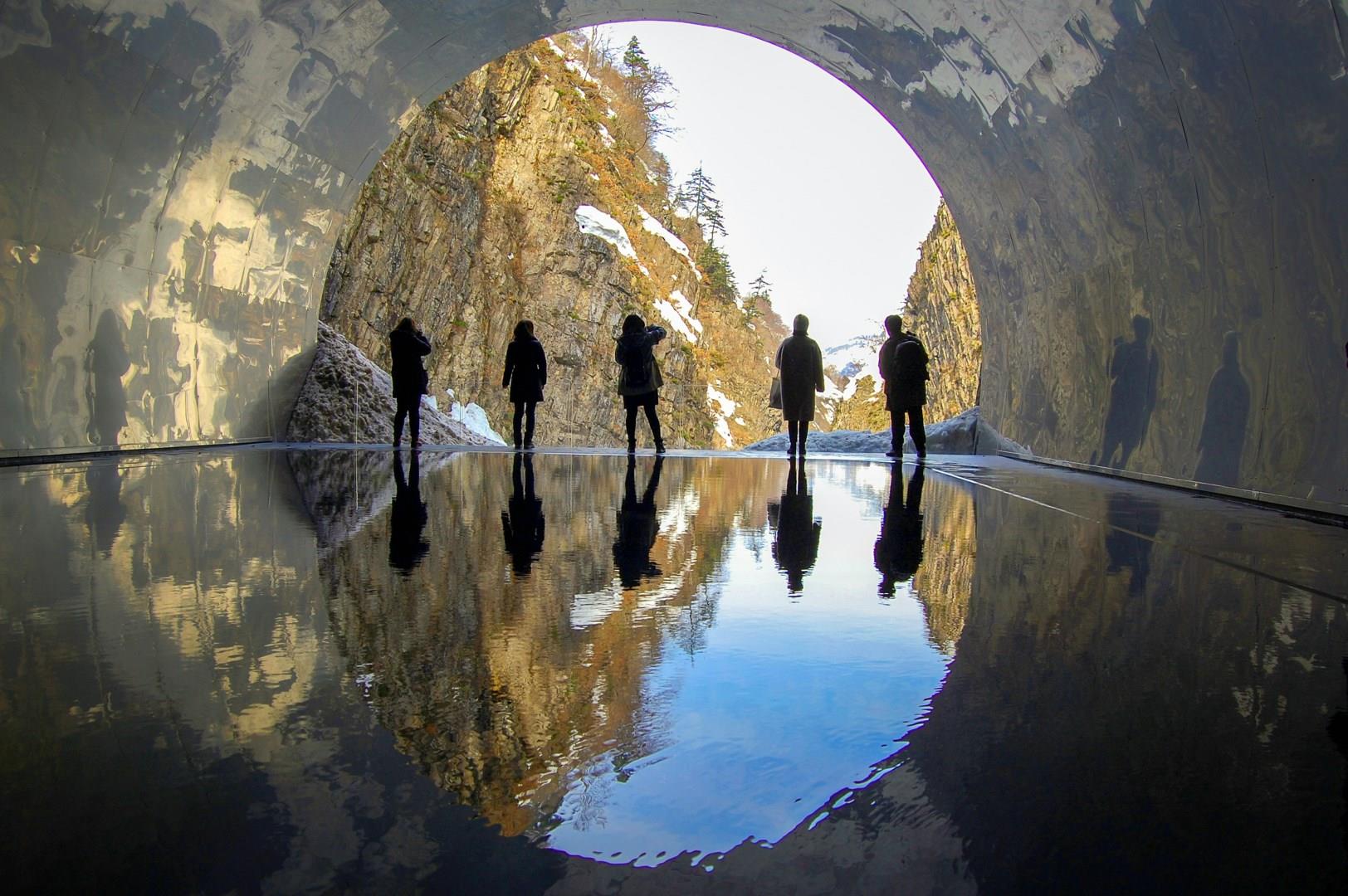
Niigata sits along the Sea of Japan on Honshu’s west coast, a place where long winters and bright summers shape its traditions and flavors. For centuries this region has produced some of Japan’s finest rice, especially the Uonuma Koshihikari variety known for its rich taste and texture. That quality rice helps make Niigata sake famous across the country, and visitors can sample more than 90 local brews at tasting spots such as Ponshukan inside Niigata Station.
Petersburg
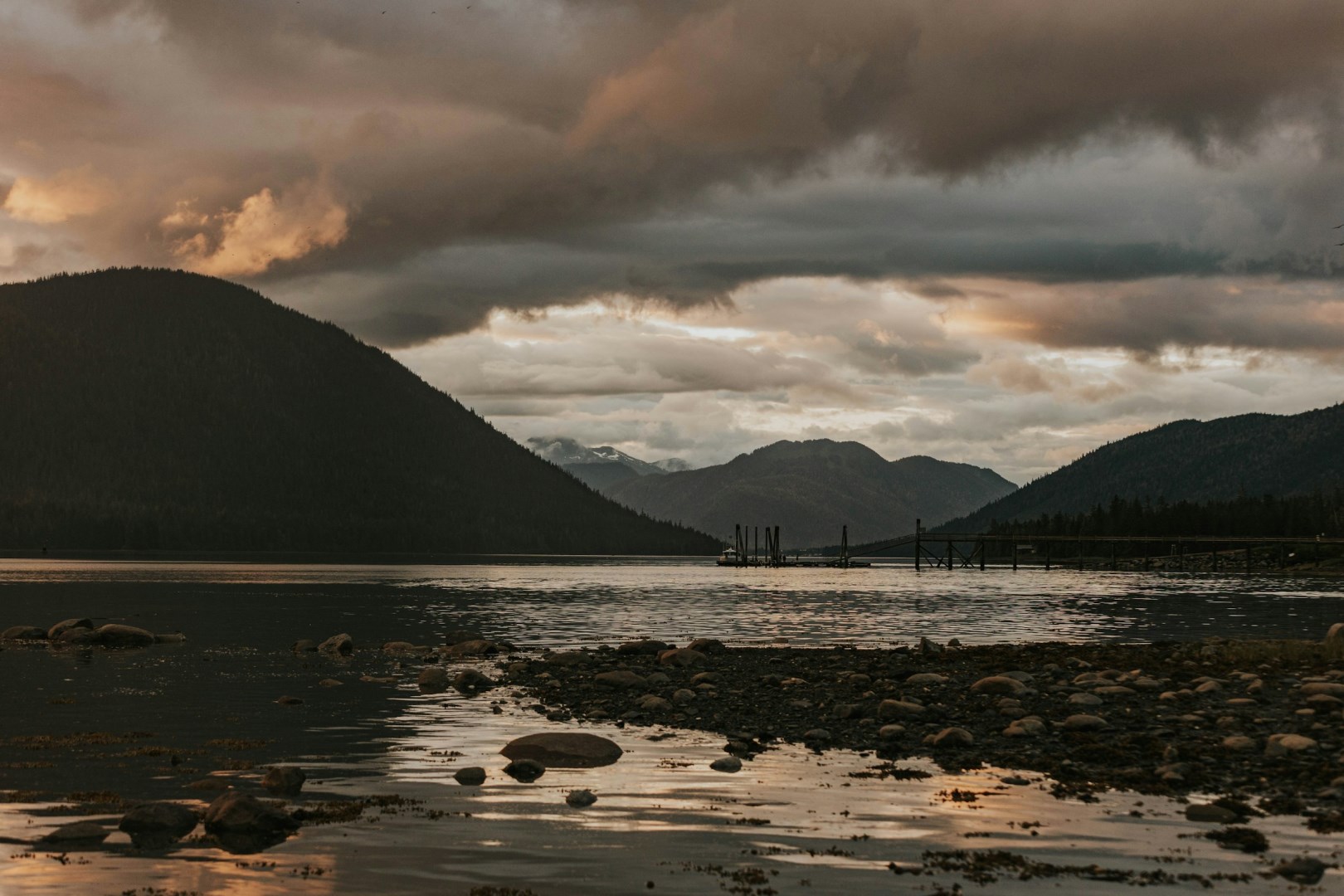
Petersburg, Alaska sits on Mitkof Island in Southeast Alaska, where ocean channels and forested mountains shape everyday life. The town looks out over the Wrangell Narrows, a narrow water route so winding that boats often follow a carefully timed path to pass through. Wooden docks line the waterfront, and fishing boats are a constant sight, reflecting how closely the town is tied to the sea and seasonal harvests.

Busan
Busan is located on the southeastern coast of South Korea and is an exciting port city famous for its beaches, including Haeundae Beach, Gwangalli Beach, and Dadaepo Beach. From bustling marketplaces, to Buddhist temples, to Korean War memorials, Busan is brimming with culture and history and offers plenty to explore on your next visit to South Korea.
Përmet
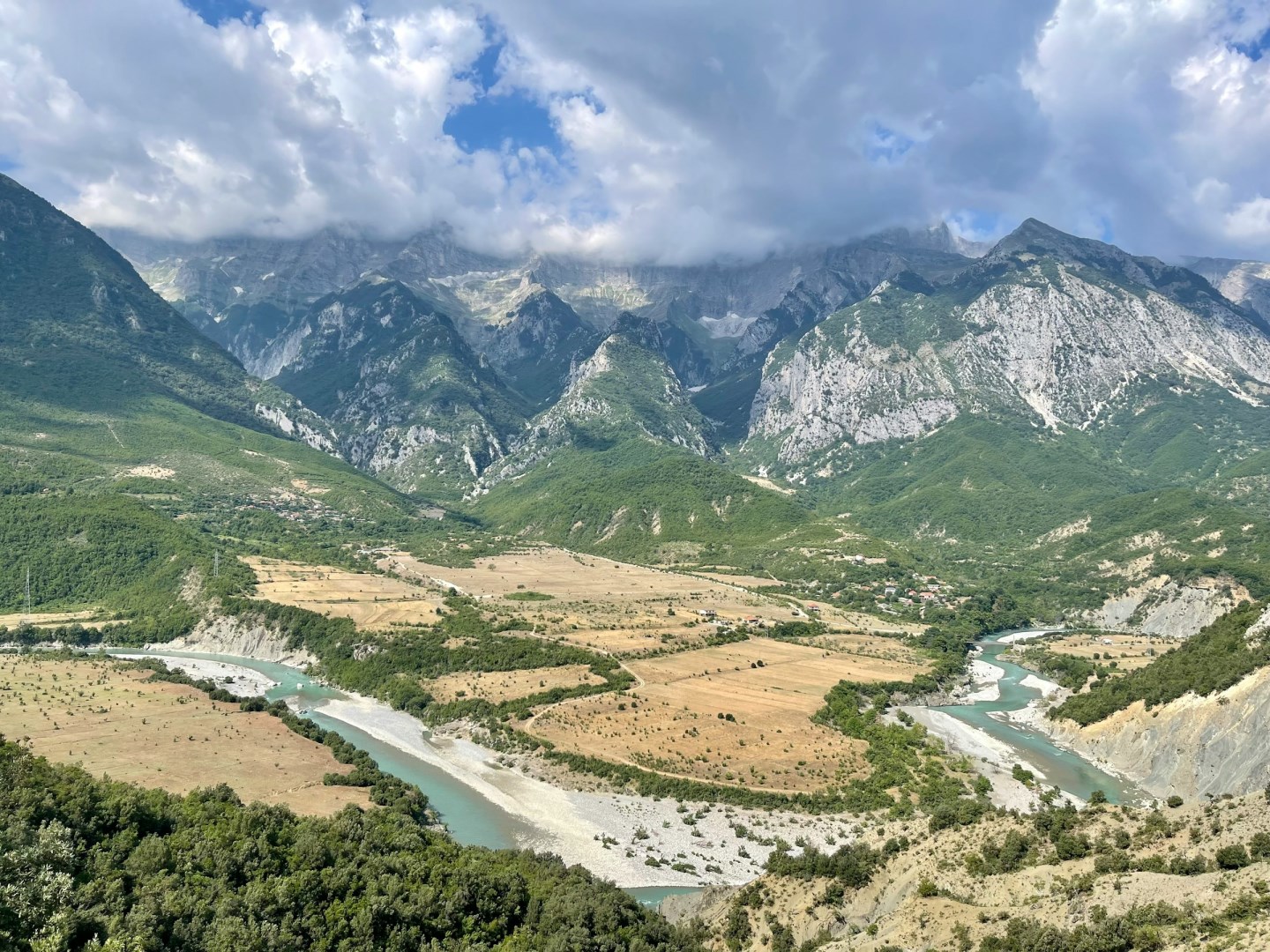
Përmet is a small town in southeastern Albania, situated in the Vjosa River valley between the Dangëlli and Trebeshinë mountain ranges. Often known as the “City of Roses,” it is surrounded by forested hills, river landscapes, and agricultural land. The town's position near the Vjosa and its tributaries gives the area a strong connection to water and mountain environments. Përmet is also a base for exploring nearby thermal springs, canyons, protected forests, and rural villages.