Aguas Calientes
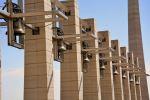
Aguas Calientes, officially called Machupicchu Pueblo, sits in a narrow valley below the ruins of Machu Picchu, shaped almost entirely by geography and access.

Monkey Mia
Monkey Mia, located within the Shark Bay World Heritage Area on the western coast of Australia, is a serene paradise known for its world-famous wild dolphin encounters. This remote coastal gem, surrounded by the turquoise waters of the Indian Ocean, invites visitors to experience up-close interactions with bottlenose dolphins in their natural habitat. For over 50 years, these dolphins have made daily visits to Monkey Mia’s shores, creating a unique tradition that brings awe to travelers.
Potosi
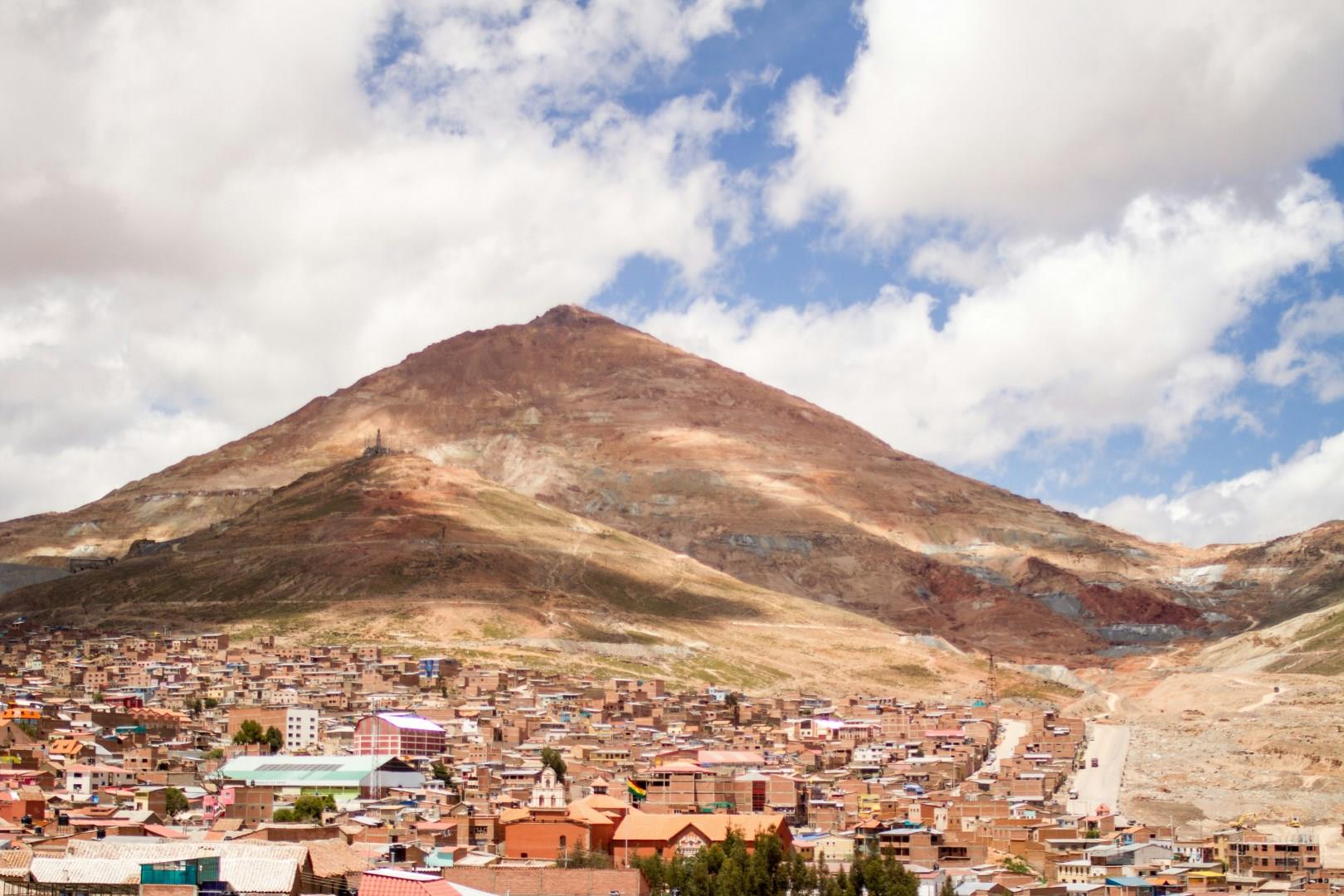
Potosí rises on the Altiplano of southern Bolivia and for centuries it was one of the richest cities in the world because of what lies just beyond its streets. At the foot of Cerro Rico (“Rich Mountain”), silver was discovered in the mid-1500s, and within a few decades the city became a center of mining and wealth that shaped global trade and economies.

USA
Spanning from the Atlantic to the Pacific, its geography encompasses everything from mountain ranges and fertile plains to vibrant cities and quiet coastal towns. Each region tells its own story.
Khasab
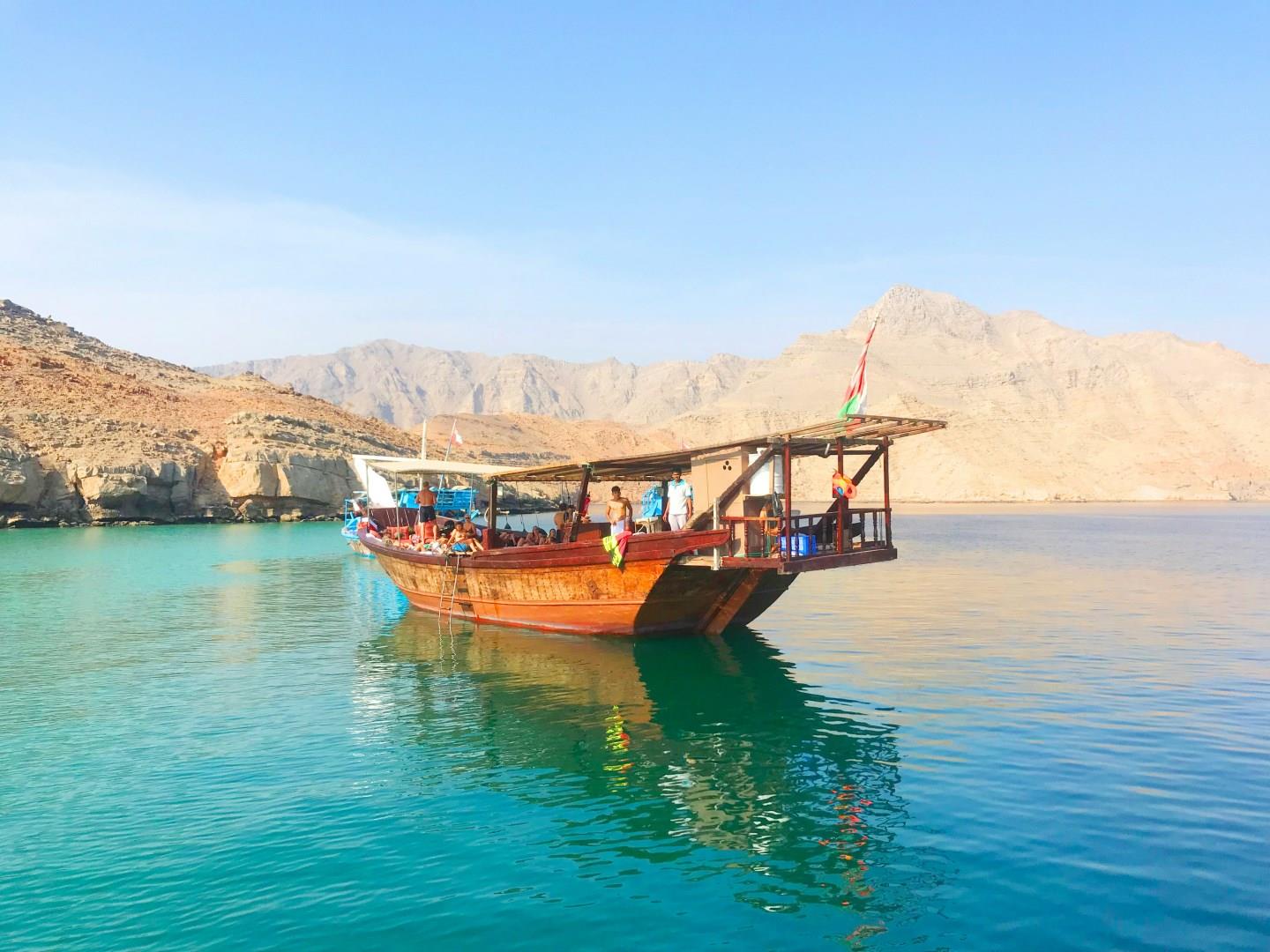
Khasab stands at the edge of Oman’s Musandam Peninsula, where rocky inlets carve into the land like desert fjords and earning it the nickname "Norway of Arabia." A short dhow ride uncovers soaring cliffs and narrow waterways, often mirrored by pods of dolphins gliding beside the wooden vessel. These traditional dhows, used for centuries by traders, now carry visitors into those coastal arms for snorkeling, swimming, and quiet reflection.