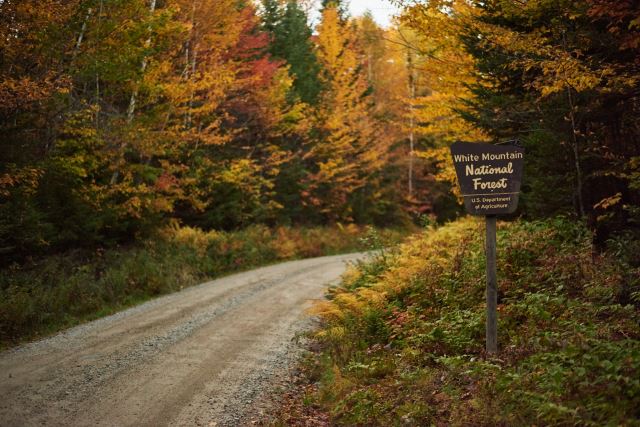
Berne
The superb city of medieval magic is the capital of Switzerland. Explore the magnificent museums filled with art treasures; enjoy the famous Berne Symphony Orchestra or visit the cozy, historical basement pubs, Kellerlokale.
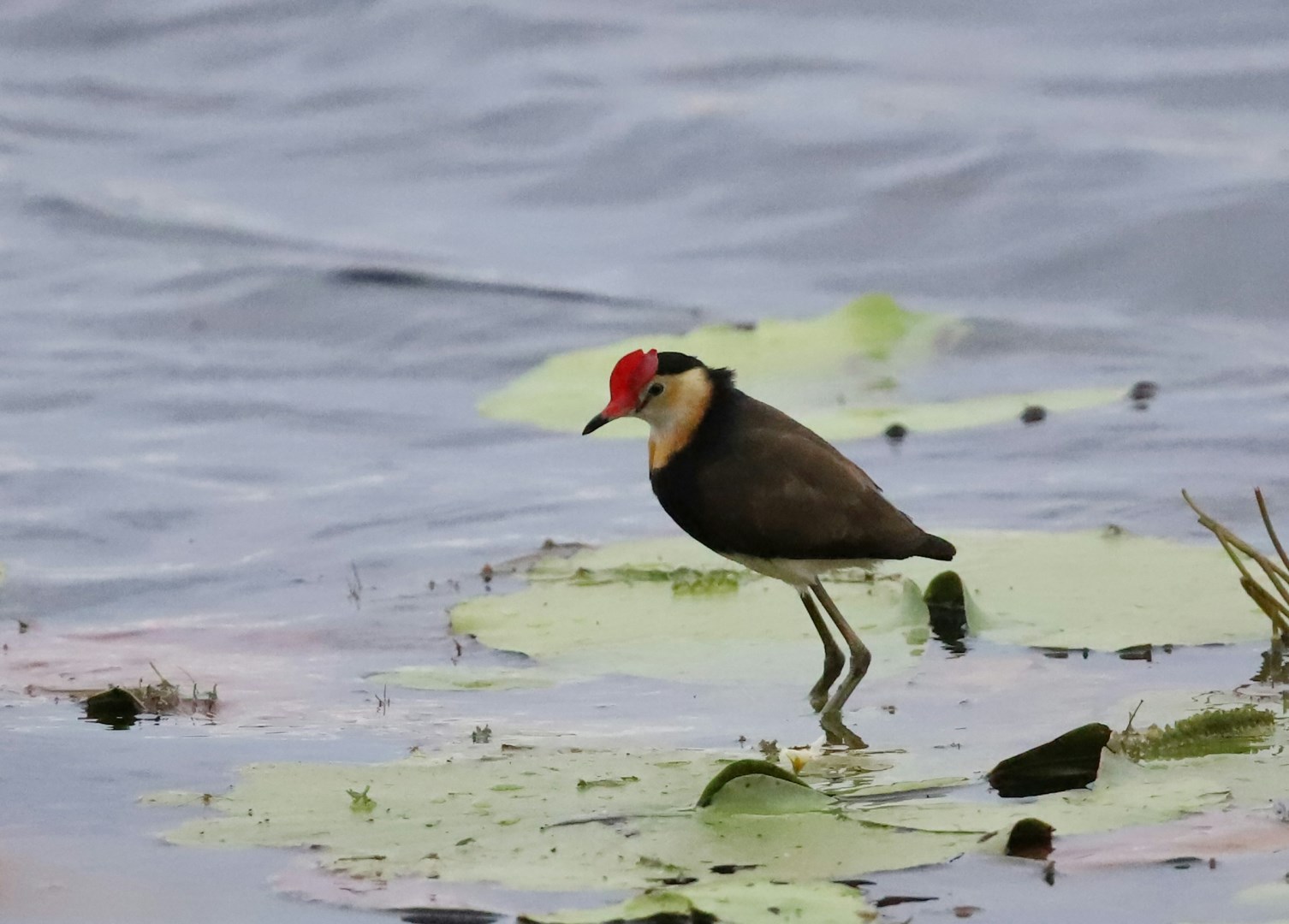
Kununurra
Kununurra is known by the local Miriwoong people as 'Gananoorrang', and is situated in the far north eastern corner of Western Australia just a short distance from the Northern Territory border. Kununurra is centred around the Ord River, with several lakes at lagoons surrounding the town itself. There is a fabulous lookout from the town at Kelly's Knob, giving views all around the area.

Maho Beach
Maho Beach, on the Dutch side of Sint Maarten, is one of the Caribbean’s most thrilling and unconventional beach experiences. Situated directly beside Princess Juliana International Airport, the beach is world-famous for its low-flying airplanes that descend just overhead before landing.
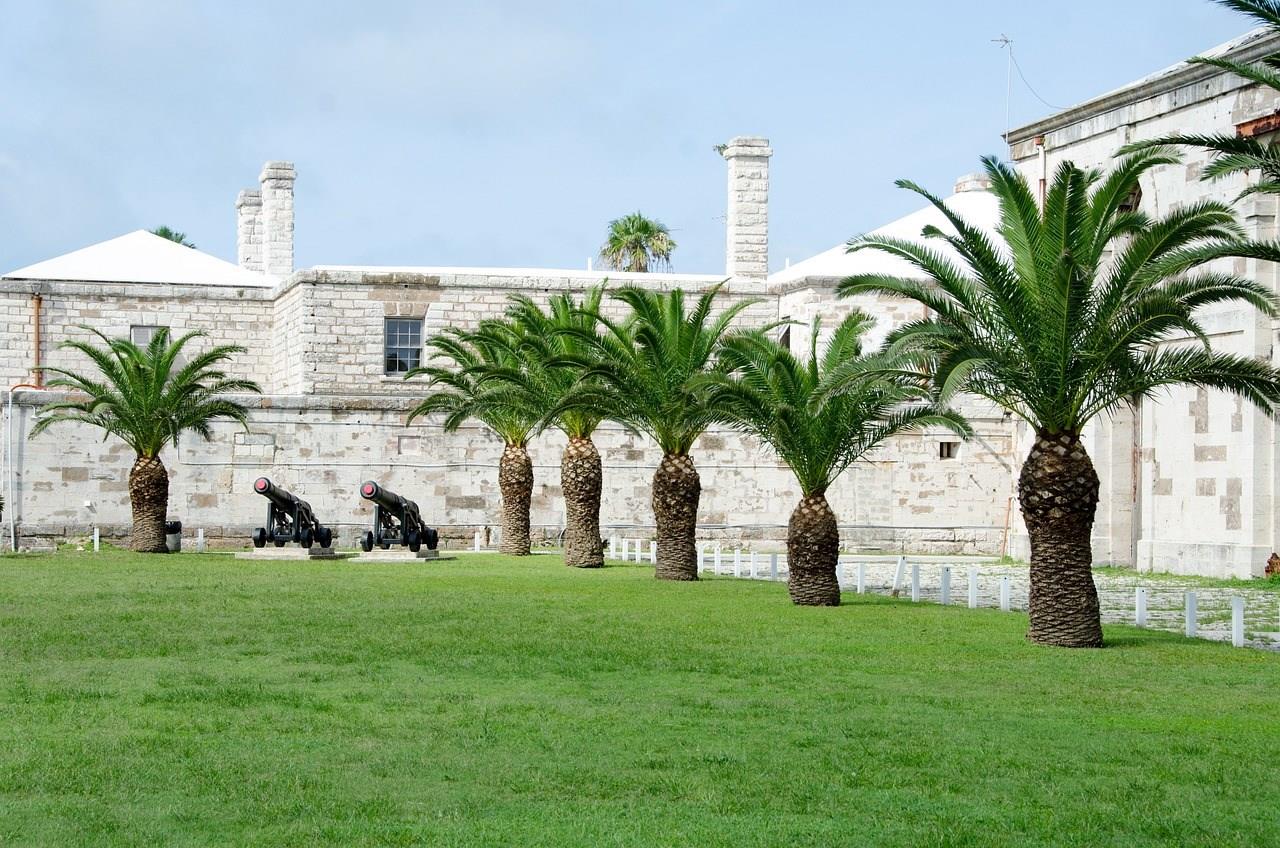
Royal Naval Dockyard
The Royal Naval Dockyard in Bermuda stands as a testament to the island's maritime history and naval heritage. Located at the western tip of Bermuda, this historic site was once a major naval base for the British Royal Navy and is now a thriving hub of culture, history, and tourism. The Dockyard's impressive buildings, including the Commissioner's House and the historic fortifications, offer a glimpse into Bermuda's naval past.

Agadir
Agadir, a vibrant coastal city in southwestern Morocco, is renowned for its beautiful beaches and modern amenities. Located on the Atlantic Ocean, Agadir is famous for its long, sandy coastline which stretches for over 10 kilometers (6 miles). The city's beach is perfect for sunbathing, swimming, and engaging in water sports such as surfing and jet skiing. Agadir's temperate climate, with mild winters and warm summers, makes it a year-round destination for beachgoers.