

Salerno
Salerno, nestled along Italy's stunning Amalfi Coast, offers a captivating blend of history, culture, and Mediterranean charm. As a gateway to the Amalfi Coast, Salerno's historic center features delightful streets and architectural gems.
Suriname
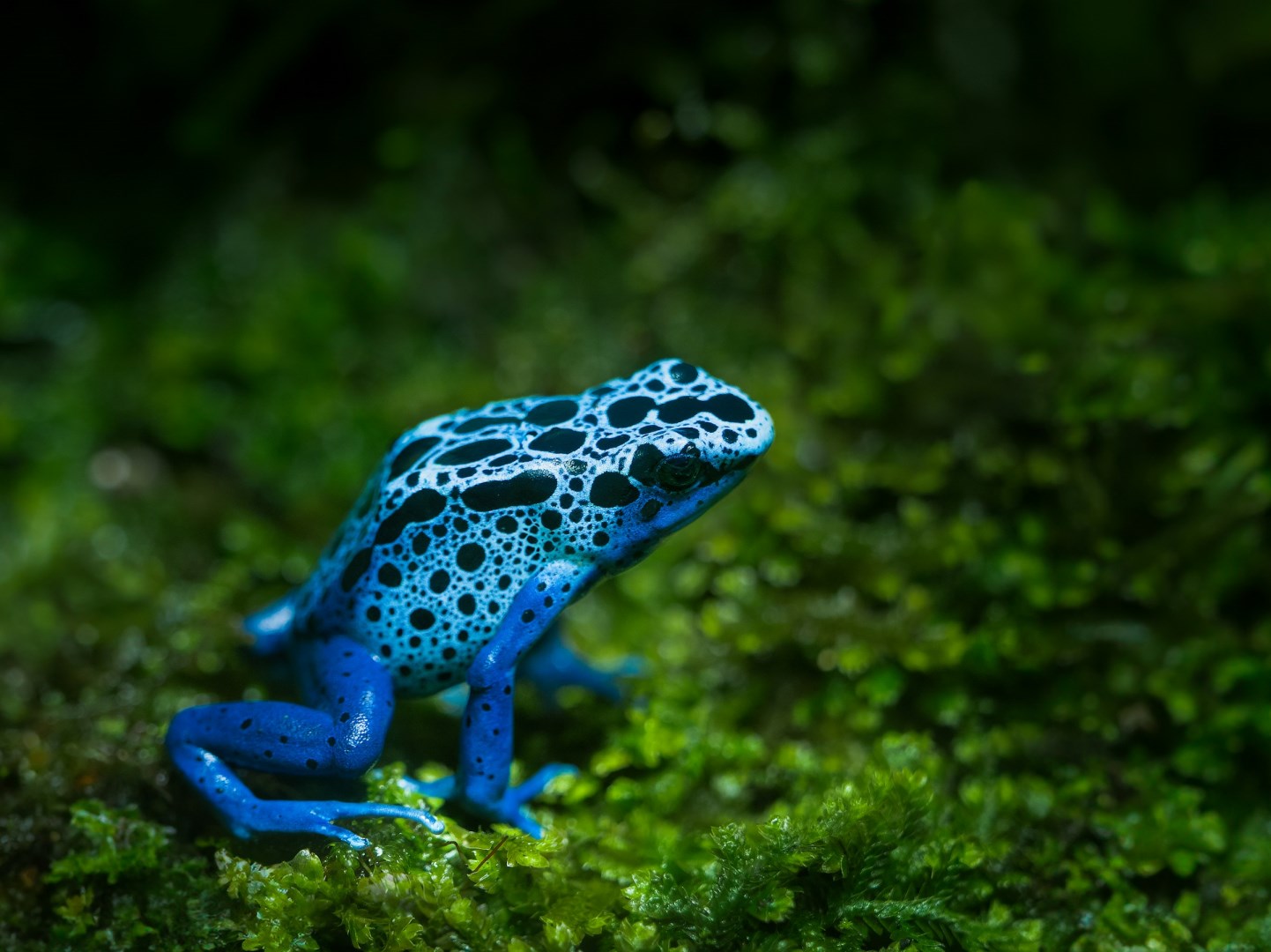
Suriname’s forests cover more than nine‑tenths of the country and house an astounding array of wildlife. The Central Suriname Nature Reserve, one of the largest rainforest sanctuaries on Earth, shelters jaguars, giant river otters, and hundreds of bird species. Nearer the capital, Brownsberg Nature Park offers forest trails and waterfalls amid 1,450 plant and 350 bird species, just a short drive from Paramaribo.
Perth
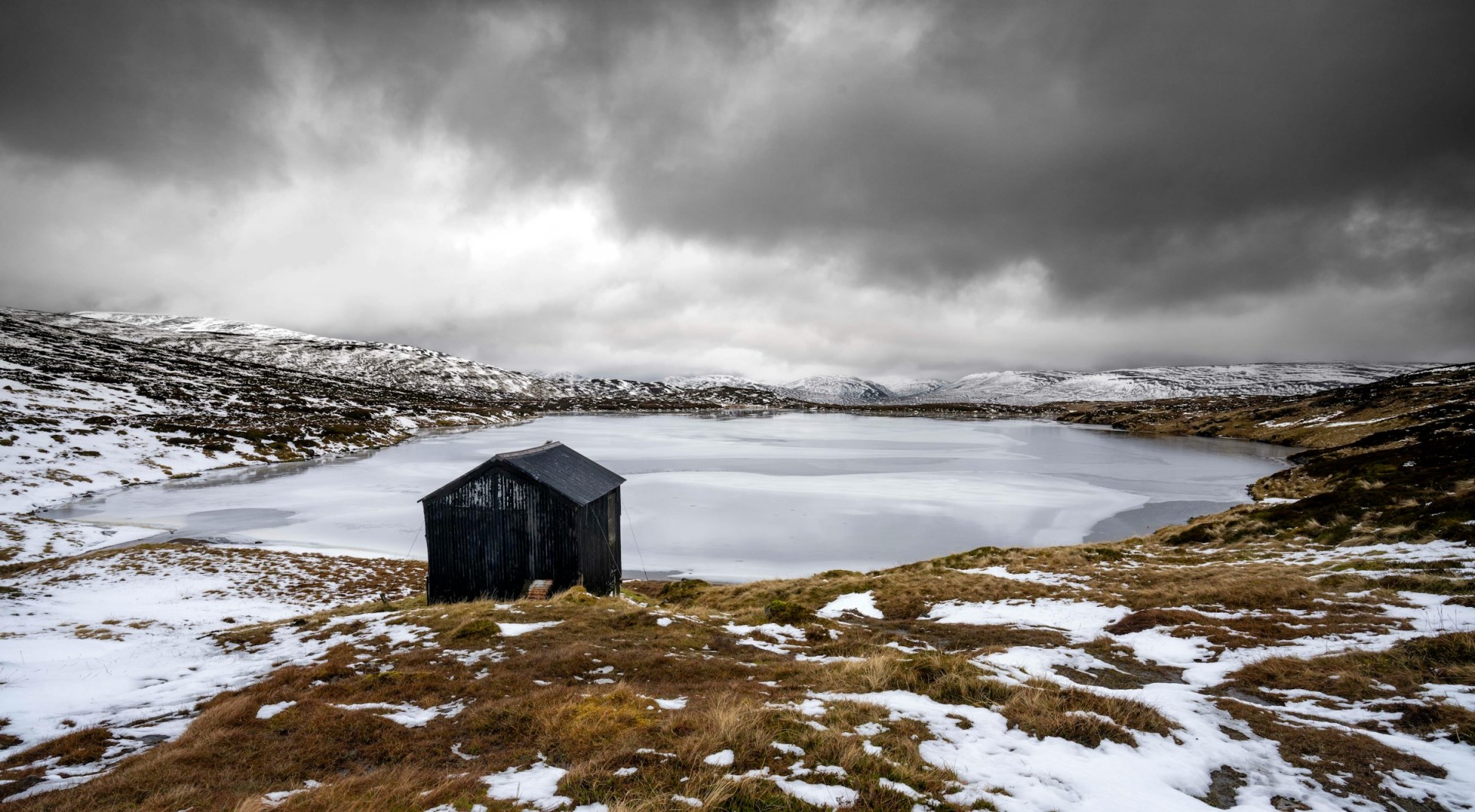
Perth is an historical town as well as very beautiful. There are outdoor sports such as golf and hunting available as well as lovely walking trails.
Hạ Long
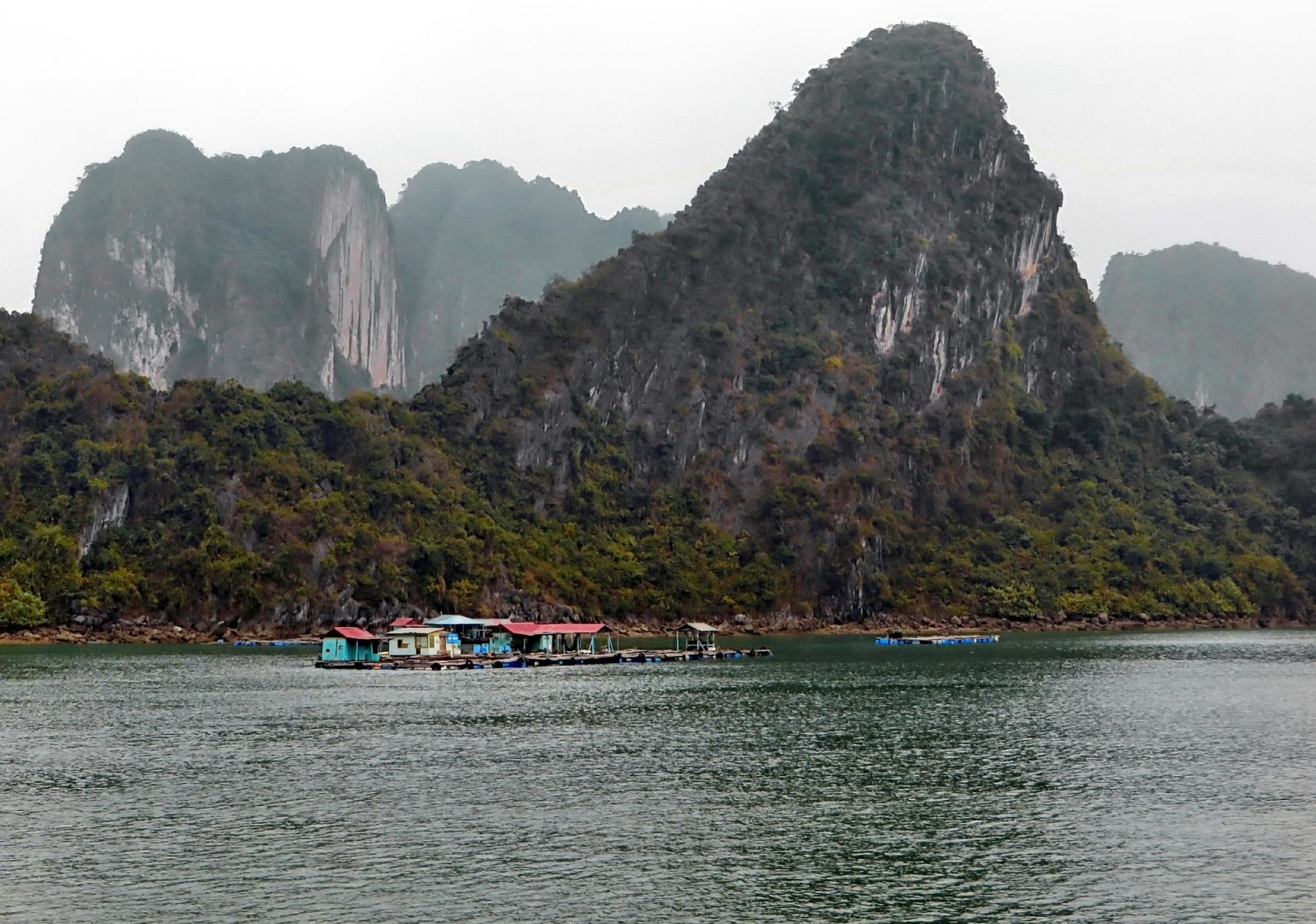
Ha Long is a coastal city in Quang Ninh Province in northeastern Vietnam, best known as the gateway to Ha Long Bay. The city stretches along the Gulf of Tonkin and combines a modern waterfront, residential districts, fishing communities, and port facilities. Offshore, Ha Long Bay contains hundreds of limestone islands and islets rising from the sea, creating a landscape shaped by geological and marine processes.
Bellagio
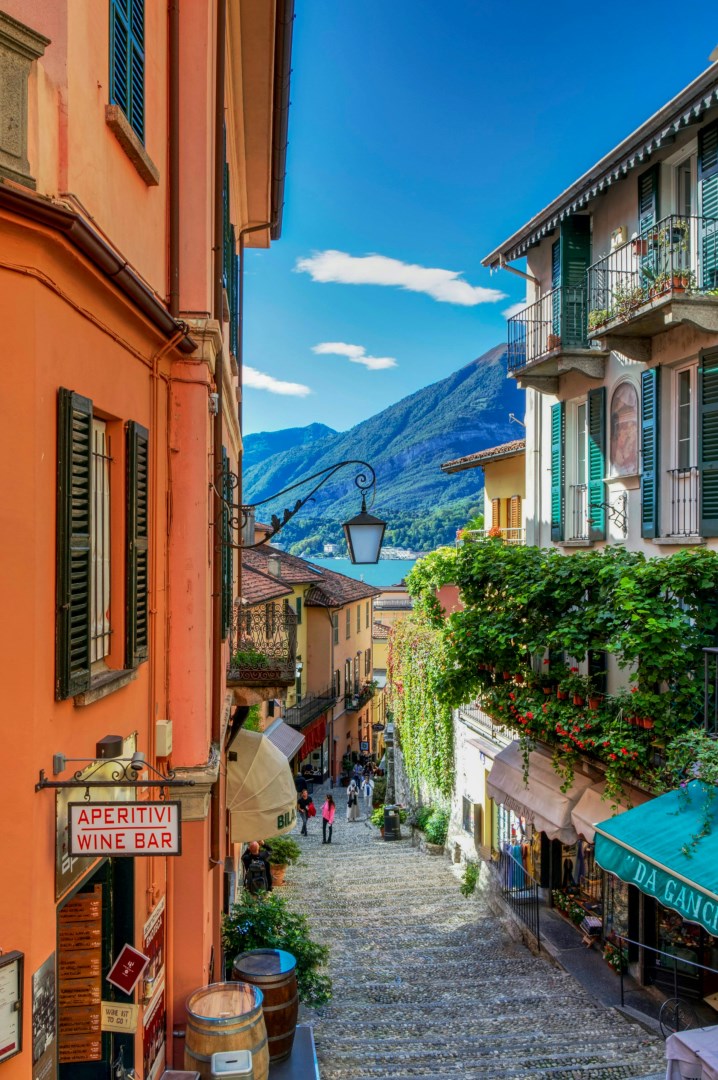
Perched at the meeting point of Lake Como’s three branches, Bellagio is often called the “Pearl of Lake Como” for its spectacular setting and timeless elegance. This Italian village has been a retreat for centuries, drawing poets, aristocrats, and travelers alike with its harmonious blend of natural beauty, refined architecture, and relaxed sophistication.


