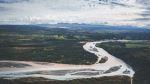
British Columbia
The capital of British Columbia is Victoria, and the total area equals 366,253 square miles. This province has a truly diverse climate: everything from majestic mountains to sparse deserts to rugged coastlines can be found here.
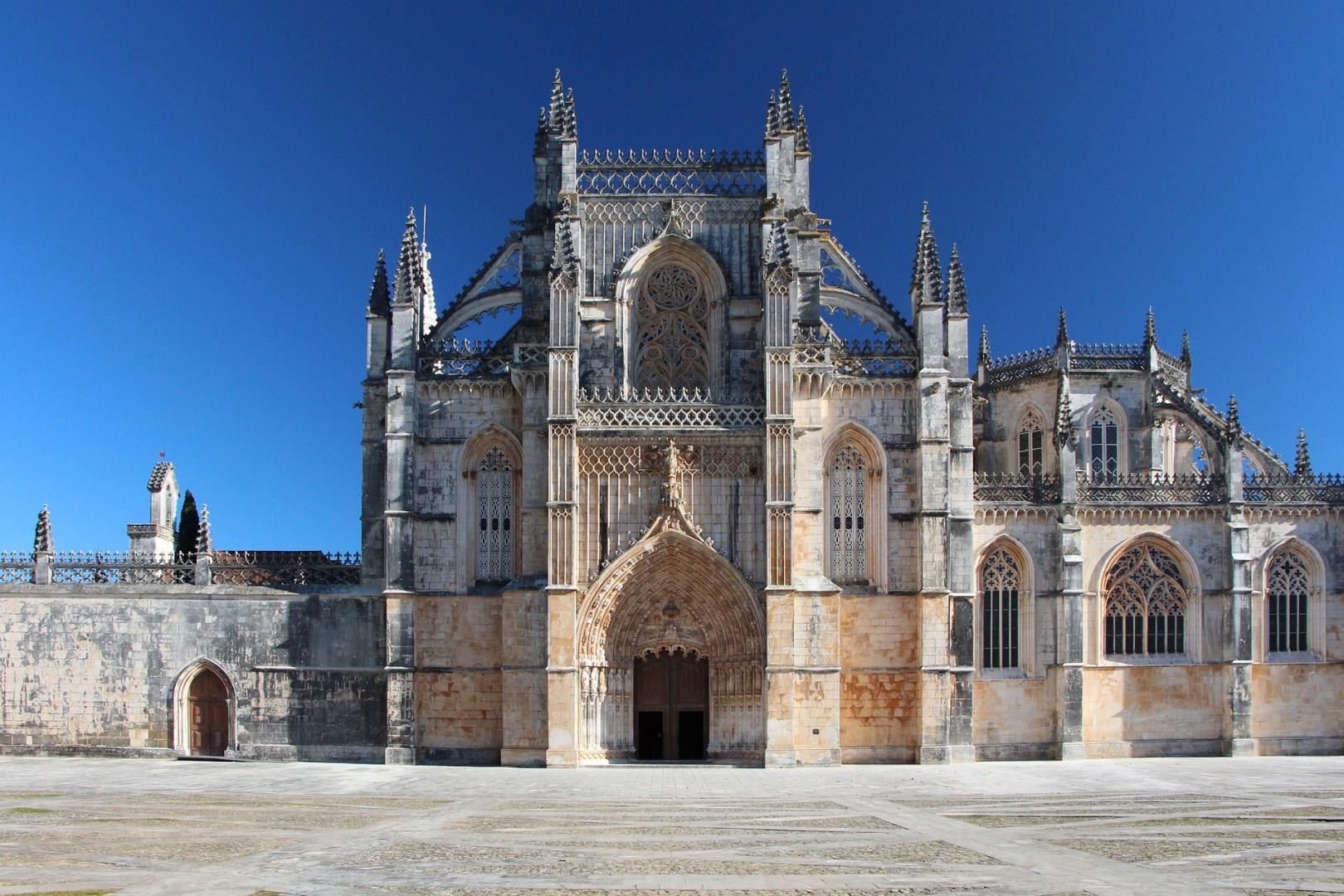
Batalha
Batalha, a small town in central Portugal, is steeped in history and home to one of the country’s most magnificent monuments, the Batalha Monastery. This UNESCO World Heritage Site, also known as the Monastery of Santa Maria da Vitória, was built to commemorate the Portuguese victory over Castile at the Battle of Aljubarrota in 1385. I
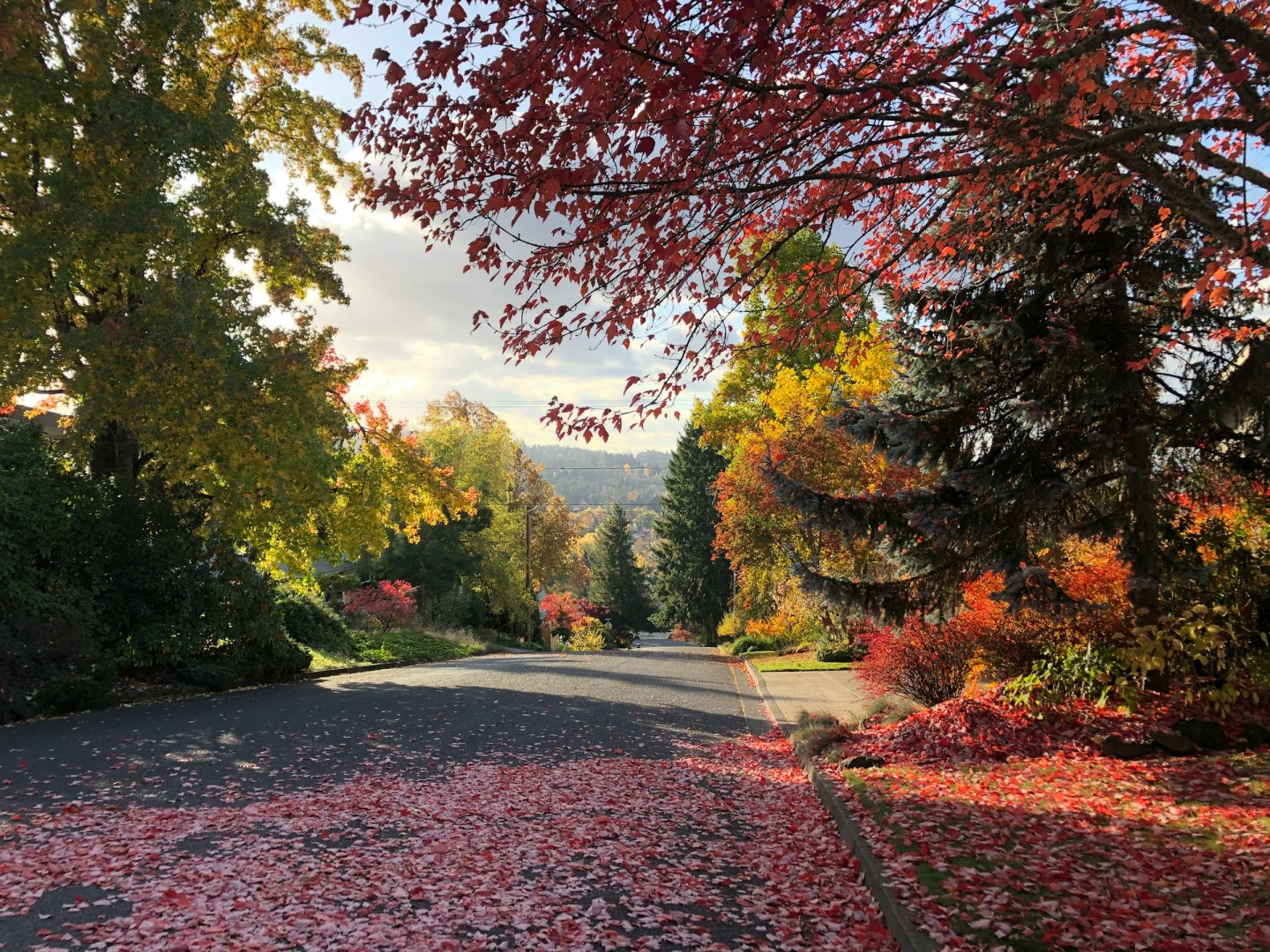
Eugene
Eugene is home of the University of Oregon. It is a culturally and athletically diverse city. Bicycling magazine rates it as one of the top cycling communities in the country because of its numerous scenic bike baths. The Saturday Market features musical performers, arts and crafts, and fresh produce. Neighboring Springfield is the gateway to the McKenzie River Recreation Area, featuring whitewater rafting and camping.
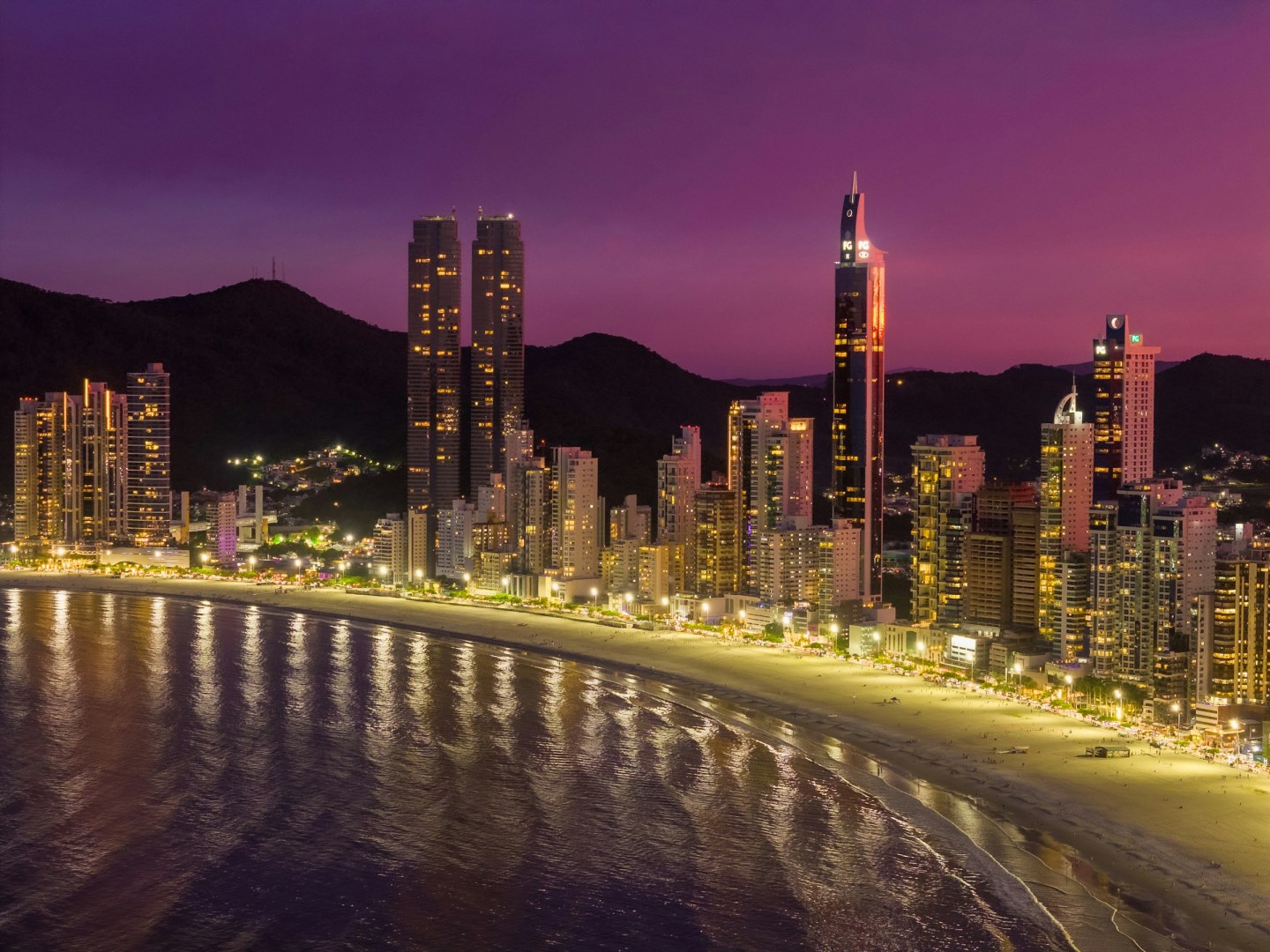
Balneário Camboriú
A resort city popular with locals and tourists alike, Balneário Camboriú entices visitors with beautiful beaches, renowned dance clubs and looming skyscrapers. With a vibrant nightlife, modern restaurants, and even the Cristo de la Luz statue overlooking the city, it's often compared to Rio de Janeiro. Its main claim to fame, though, is the city's status as the "capital of electronic music," according to Forbes. Combined with its e-music scene and a unique cable car connecting two of the most po
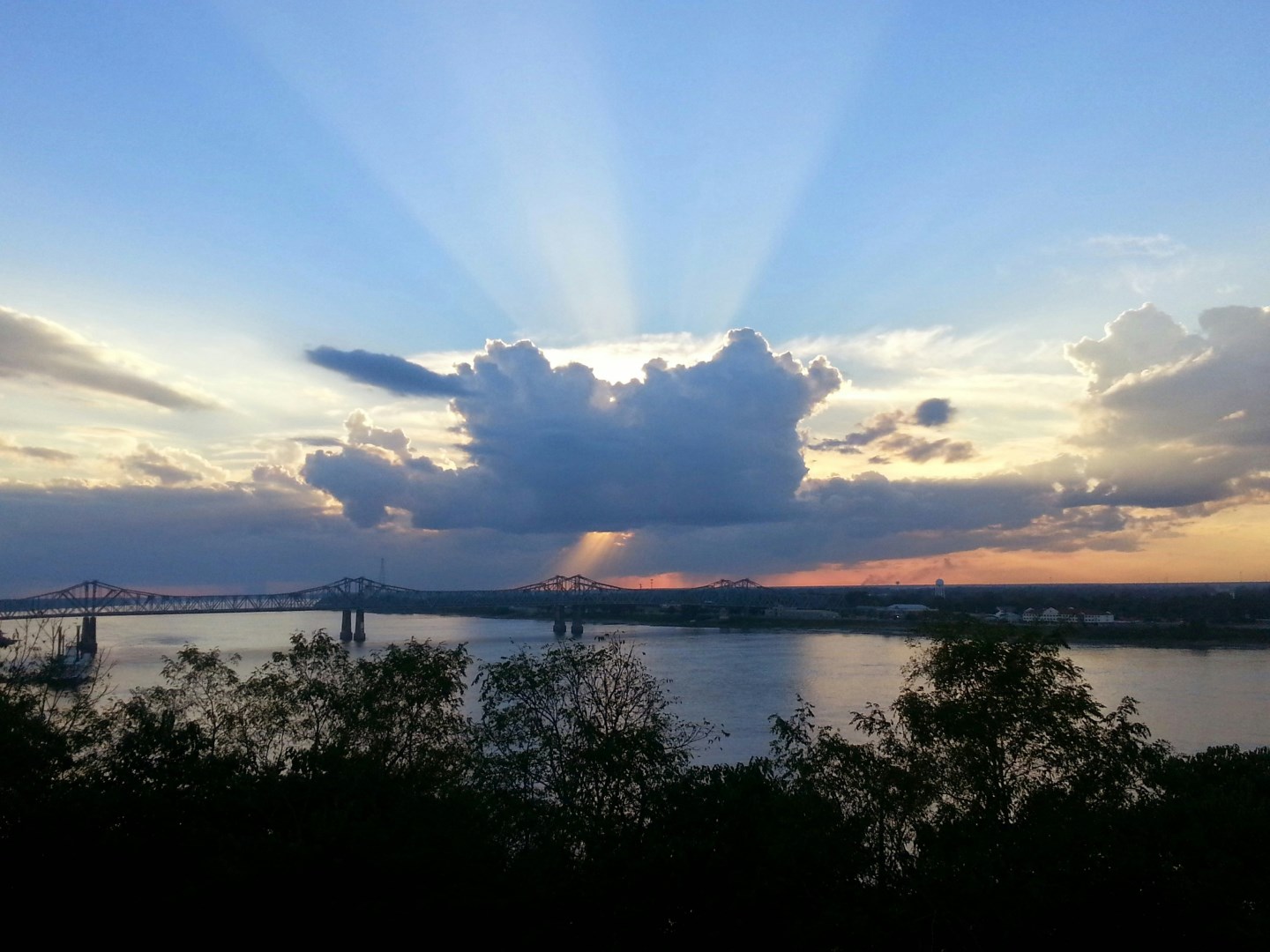
Natchez
Natchez is a river city in southwestern Mississippi overlooking the Mississippi River bluffs near the Louisiana border. It is recognized for its large collection of preserved antebellum homes, brick streets, and long connection to river trade.