Aguas Calientes
Aguas Calientes, officially called Machupicchu Pueblo, sits in a narrow valley below the ruins of Machu Picchu, shaped almost entirely by geography and access. The town grew around the railway and hot springs that give it its name, becoming a necessary stopping point rather than a destination planned in advance. Its identity is closely tied to movement, with most people arriving on foot or by train and staying briefly before heading uphill.
Sighisoara
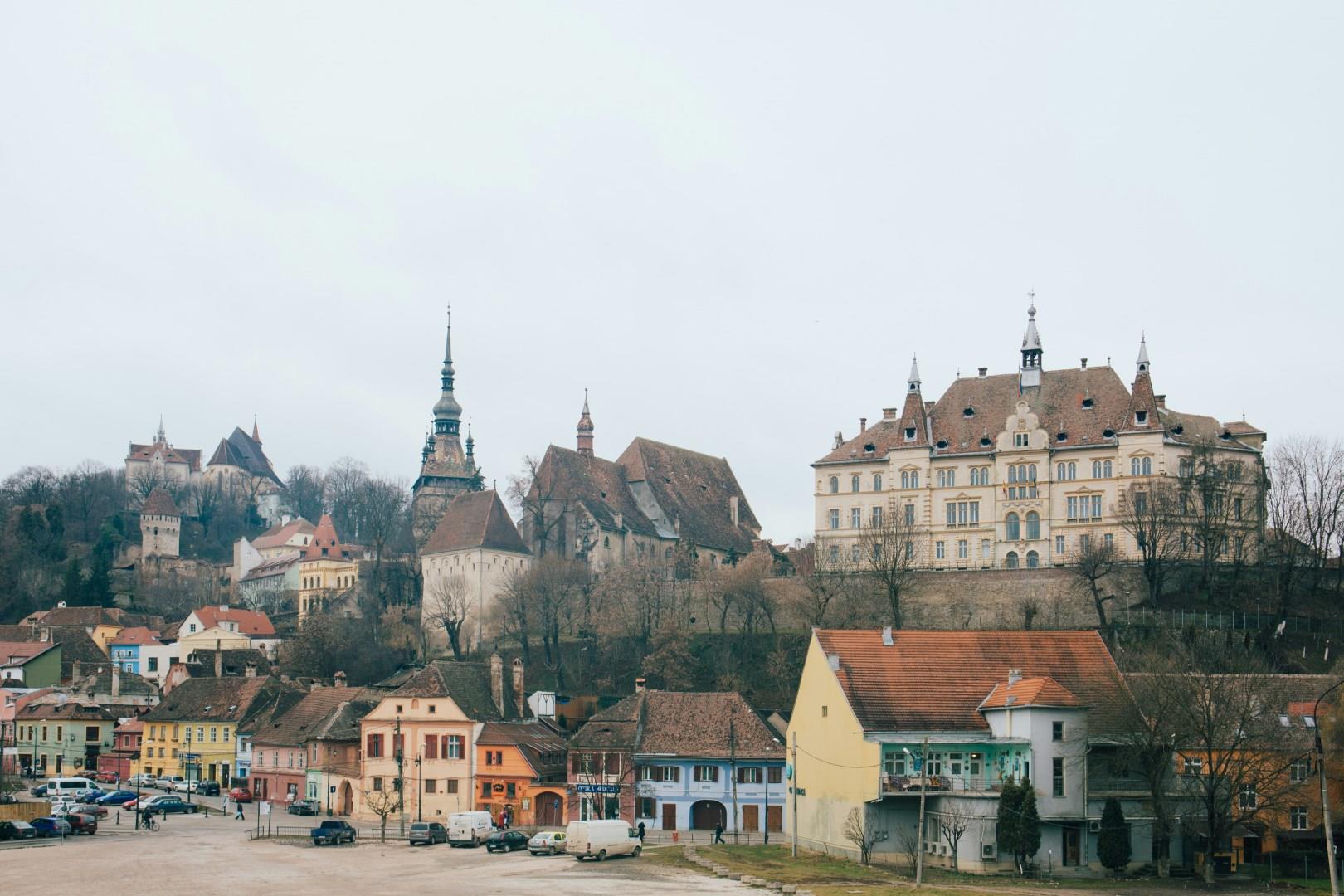
Sighisoara rises above the Târnava Mare River as one of the few medieval citadels in Europe that is still lived in and admired today. Its historic center has been on the UNESCO World Heritage List since 1999, recognized for its long history as a fortified Saxon settlement and its role in trade and defense on the edges of central Europe. Wander through cobbled alleys framed by pastel-colored houses, and the layers of time feel close at hand, from the city walls and guild towers to busy cafés.

Bornholm
Bornholm, a picturesque Danish island in the Baltic Sea, offers a unique blend of natural beauty and cultural charm. Renowned for its rugged coastline and charming villages, Bornholm is a haven for outdoor enthusiasts. The island's northern coast is particularly famous for its dramatic cliffs and clear waters, perfect for hiking and cycling.
Arnhem
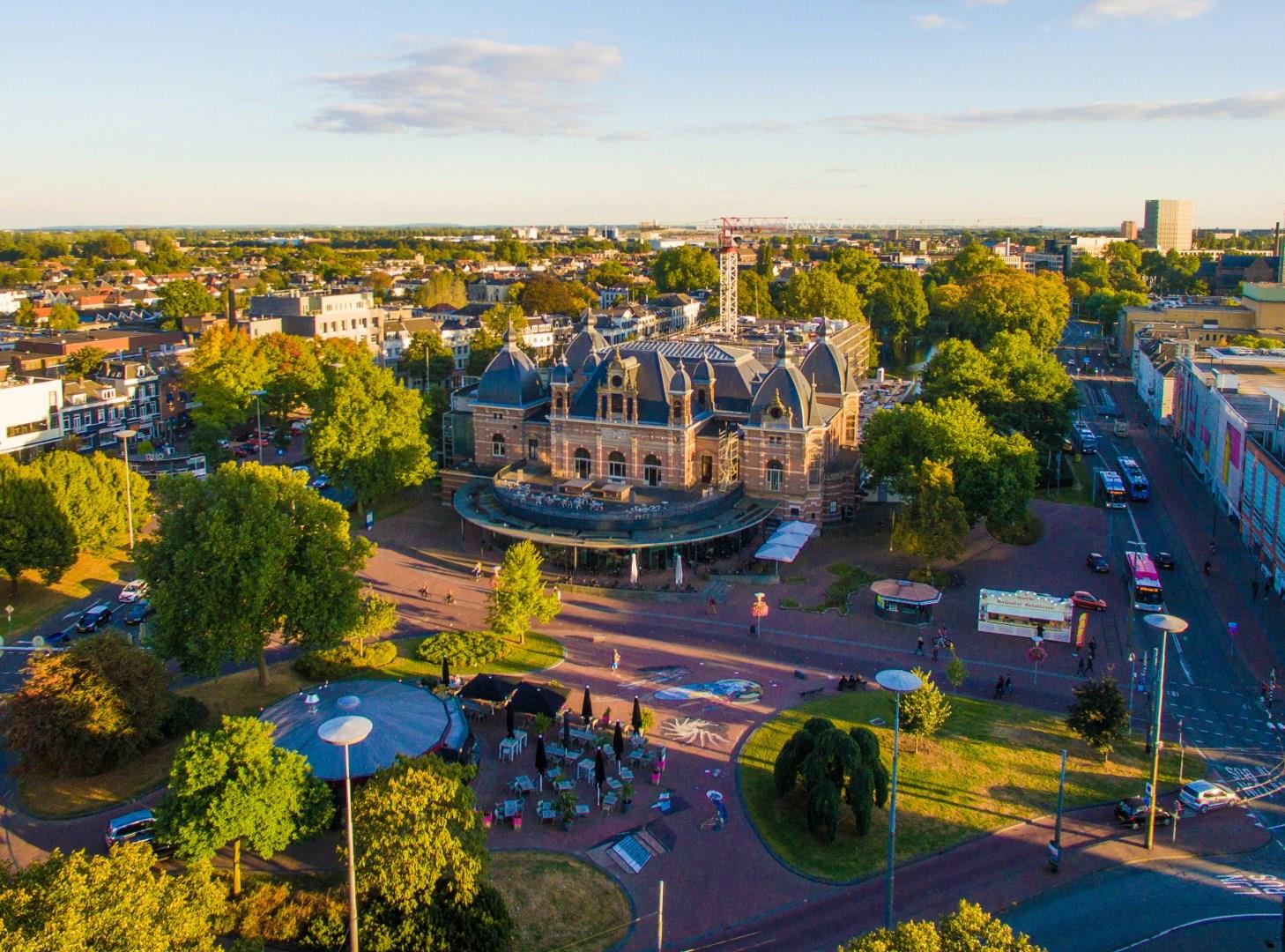
Arnhem has strong ties to Dutch fashion and design, thanks to ArtEZ University of the Arts. Graduates from its fashion department have gone on to international acclaim, and their influence is visible in boutiques and creative spaces throughout the Modekwartier (Fashion Quarter). This district features workshops, studios, and cafes where visitors can meet designers and even purchase one-of-a-kind pieces made on-site.

San Cristóbal Island
One of San Cristobal Island's most popular visitor sites is Cerro Brujo, with its expansive white sand beach and a lagoon that locals once used as a salt mine but now offers excellent snorkeling opportunities. Another must-see is Kicker Rock, a fascinating rock formation that looks like a boot from one angle (hence its English name) and like a sleeping lion from another (thus its Spanish name, Roca León Dormido).