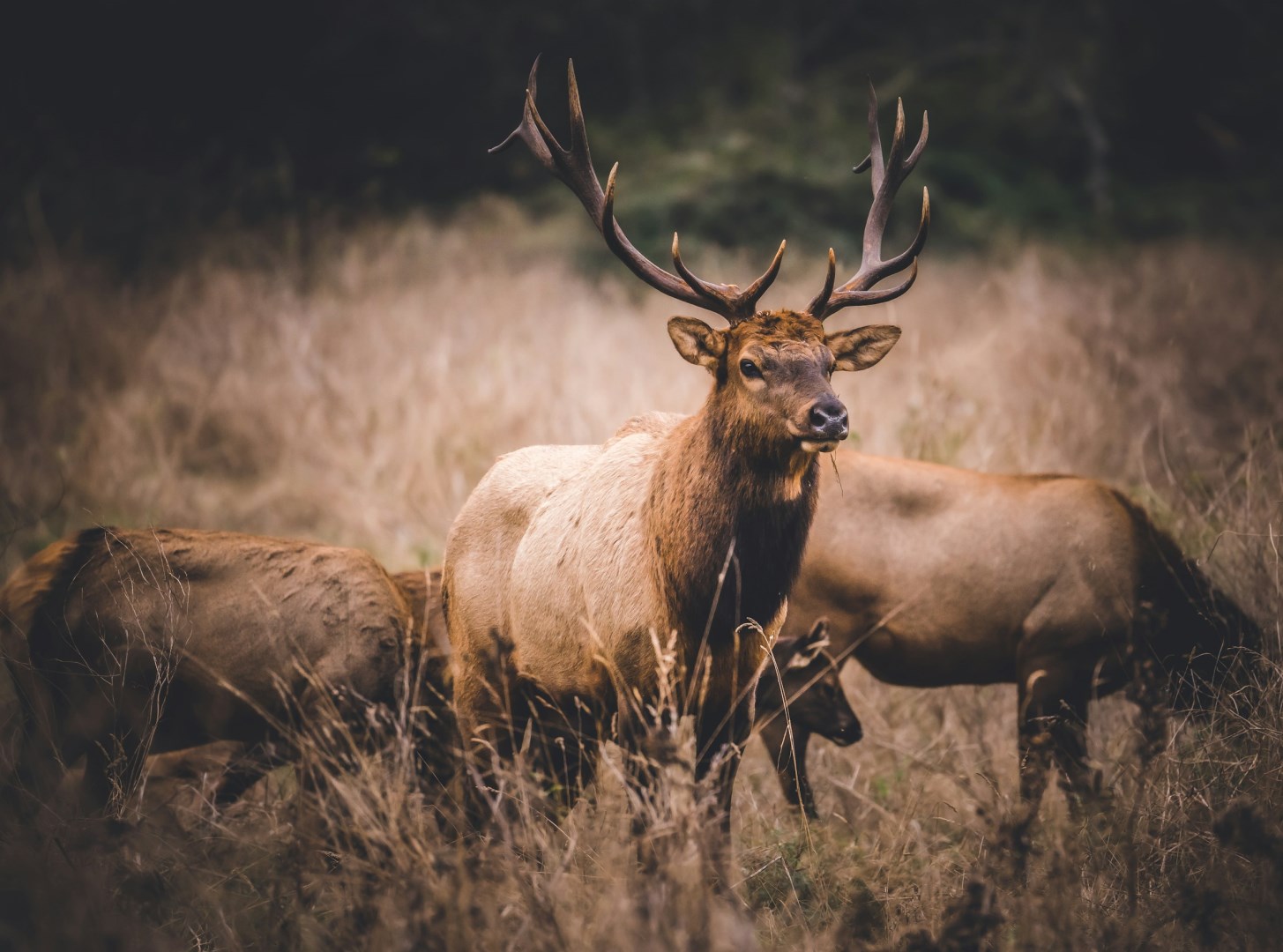
Eureka
Eureka is a coastal city in Northern California and the largest urban center on Humboldt Bay. It lies between the Pacific Ocean and the forested hills of the Coast Ranges, with redwood country extending inland and wetlands surrounding parts of the bay. Eureka developed as a port and commercial center for the timber industry, and its historic downtown retains many Victorian-era buildings.
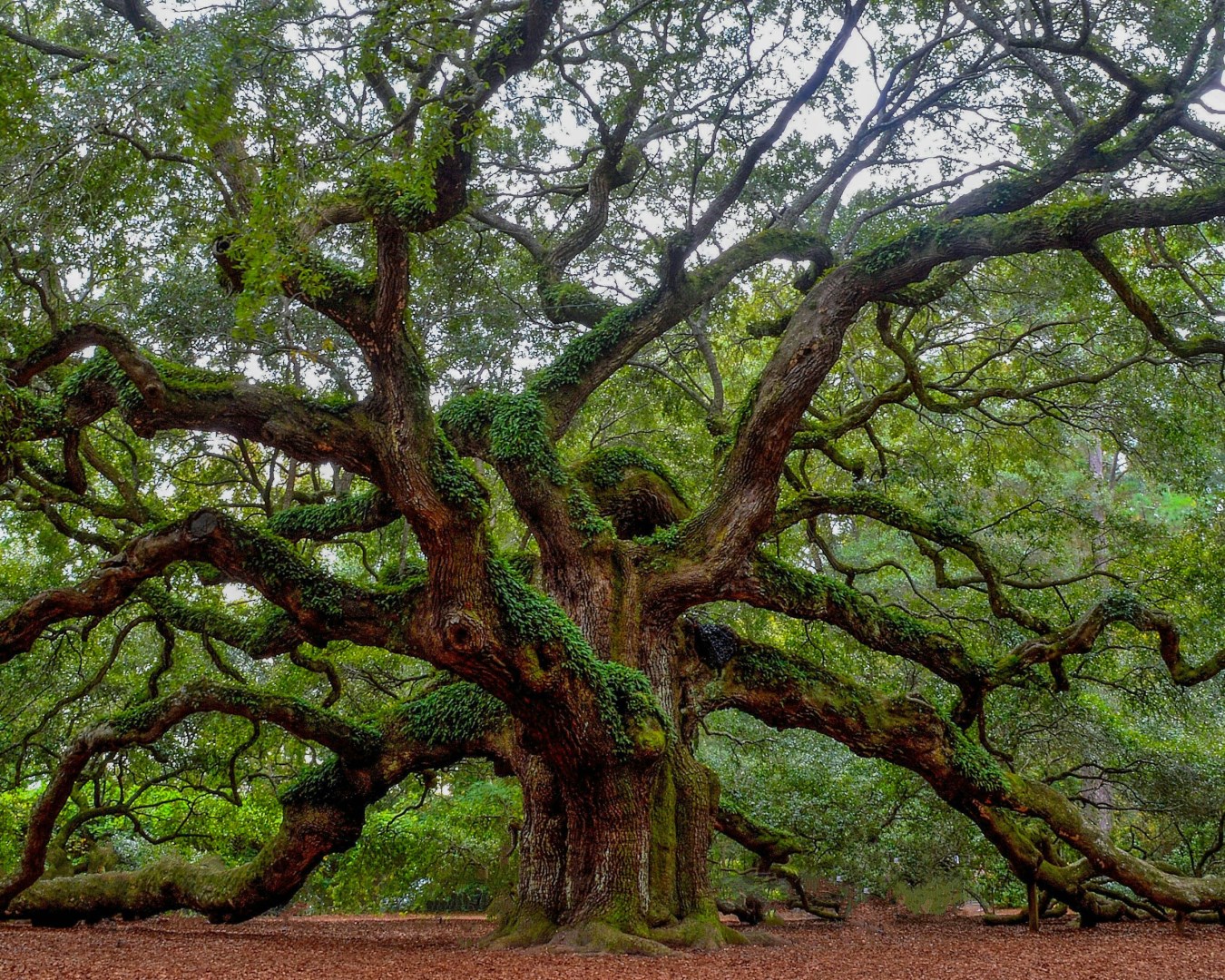
Charleston
Charleston, South Carolina, is a gem of Southern charm and history, offering an immersive travel experience in a beautifully preserved city. Known for its cobblestone streets and antebellum architecture, Charleston's historic district is a living museum where visitors can stroll past colorful row houses and elegant mansions. Key landmarks include the Battery and Rainbow Row, a series of pastel-colored houses that are among the city's most photographed sites.
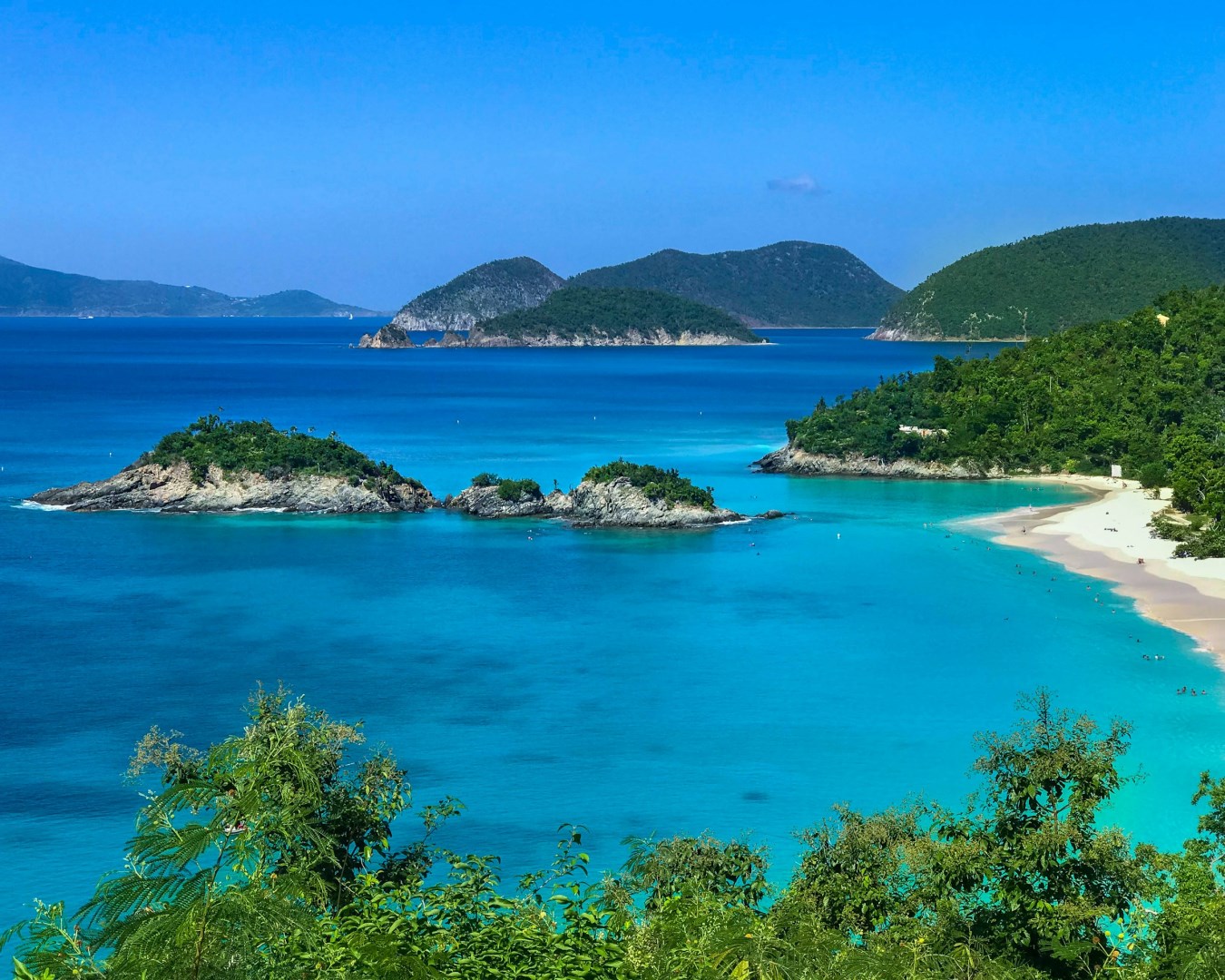
St. John Island
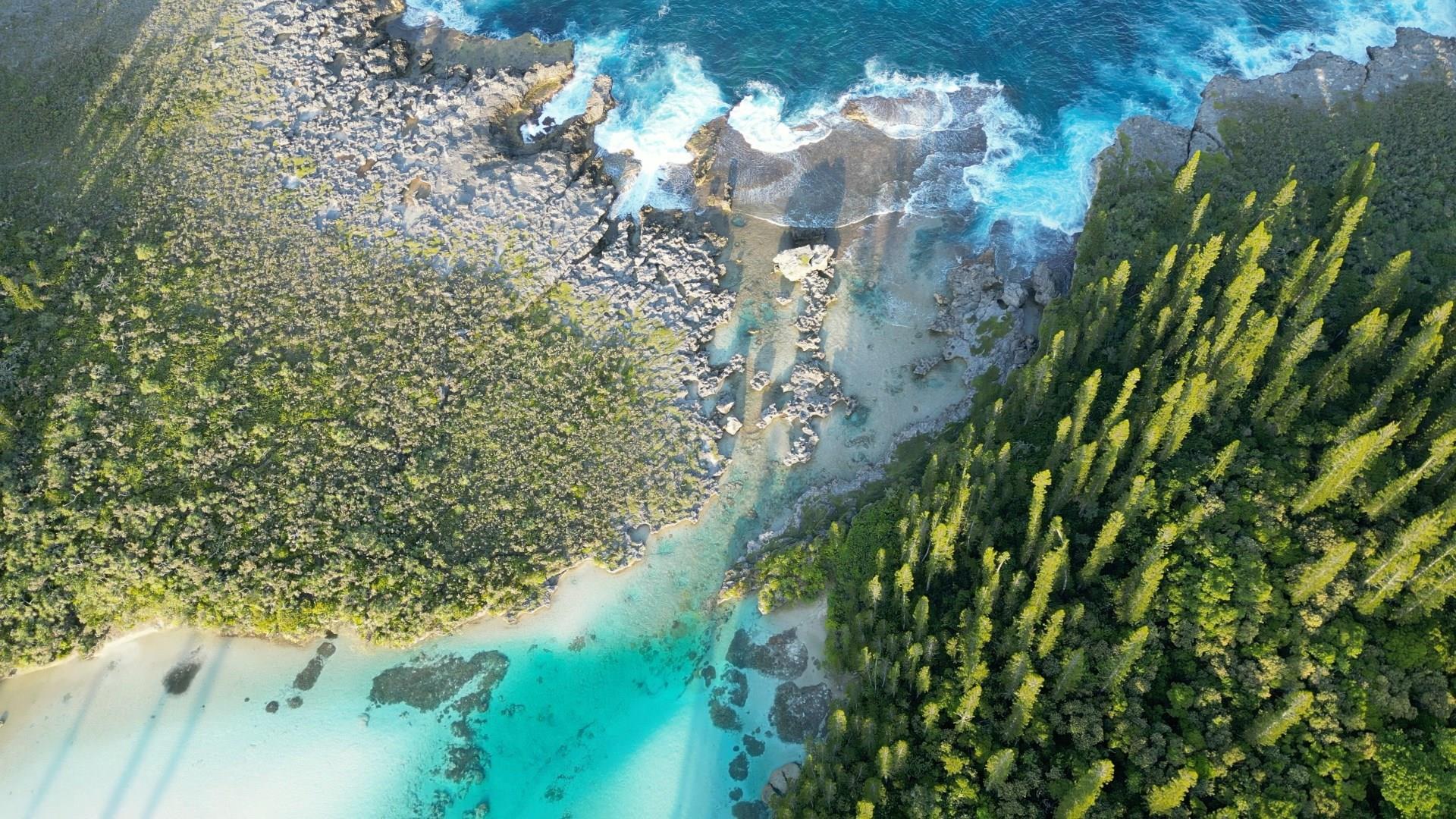
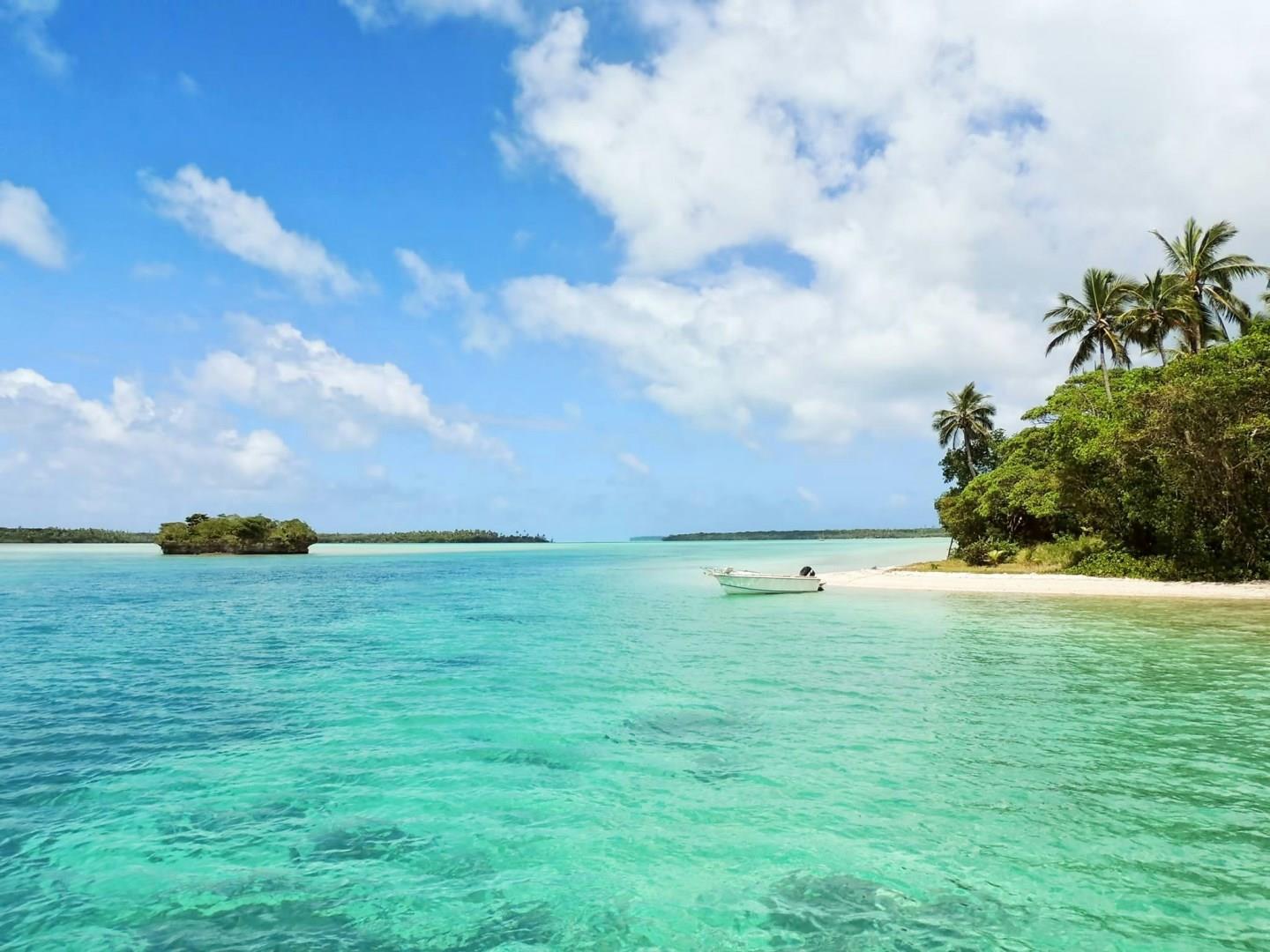
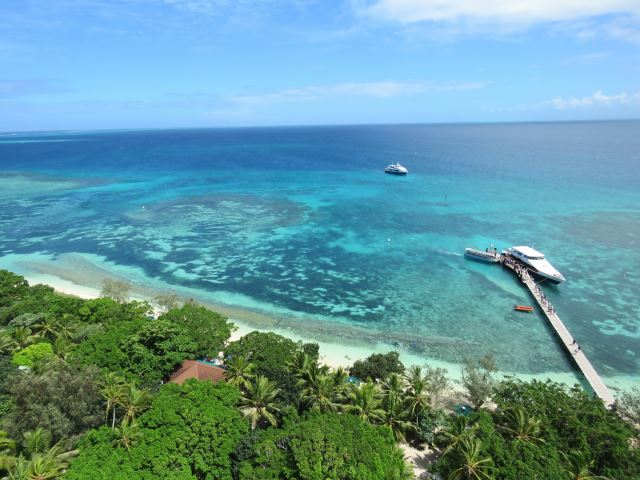
Think of it as a beach a day even on Leap Year. That's right, 366 beautiful beaches encircle this tropical island paradise, the focus of centuries of battles between Spain, France, Great Britain and Denmark. The Dane's influence has been the strongest.
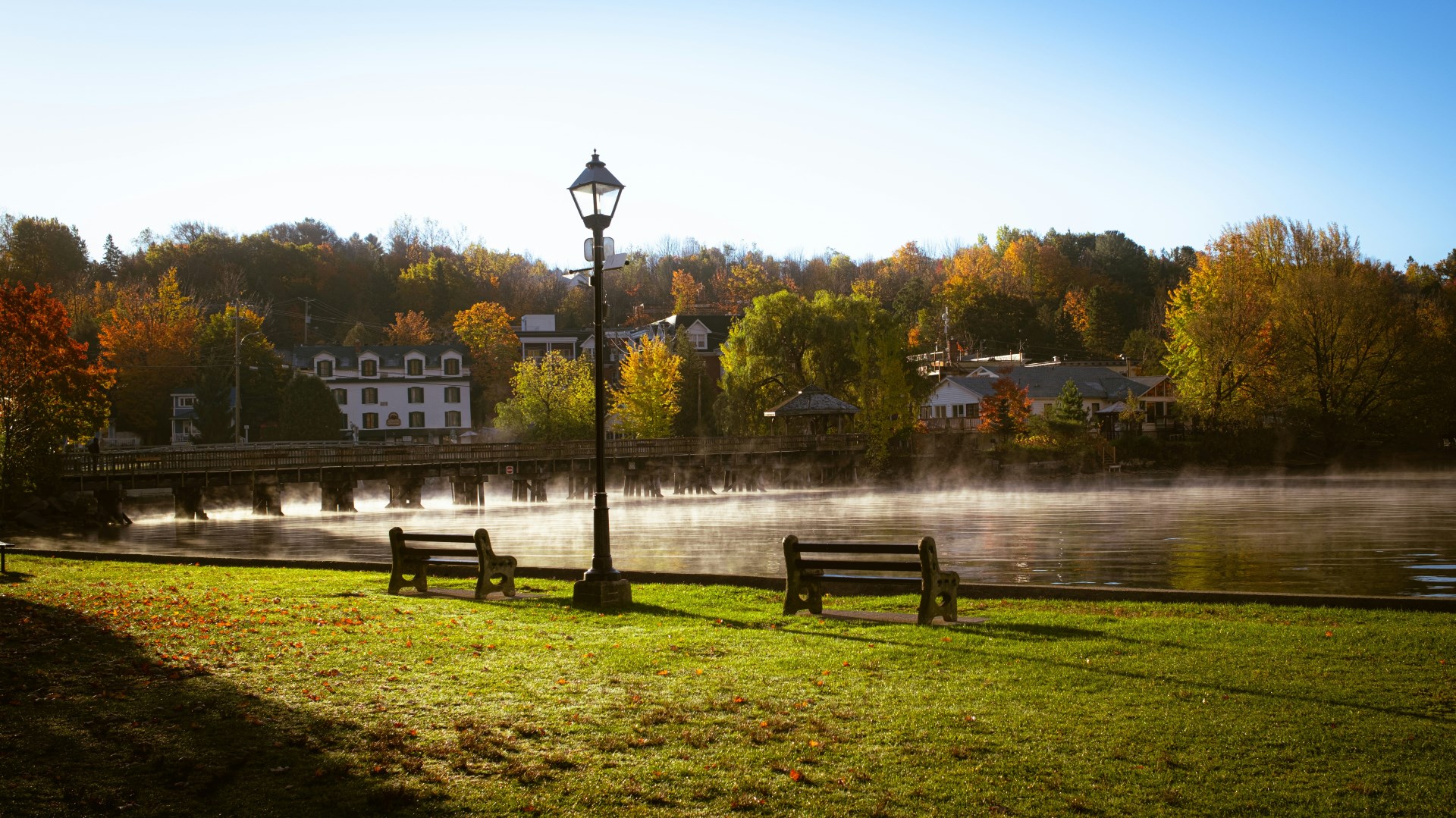
North Hatley
North Hatley is a small village in Quebec’s Eastern Townships, set along the northern shore of Lake Massawippi. The community is known for its quiet residential streets, lakeside setting, and strong connection to outdoor recreation.

Wurzburg
Raise a glass and toast Würzburg, an enchanting, Franconian wine-producing area on the Main River, and one of Germany's oldest cities. Wine bars and cellars abound here, but there's also plenty of wonderful history and striking Baroque and rococo architecture to behold.