Córdoba
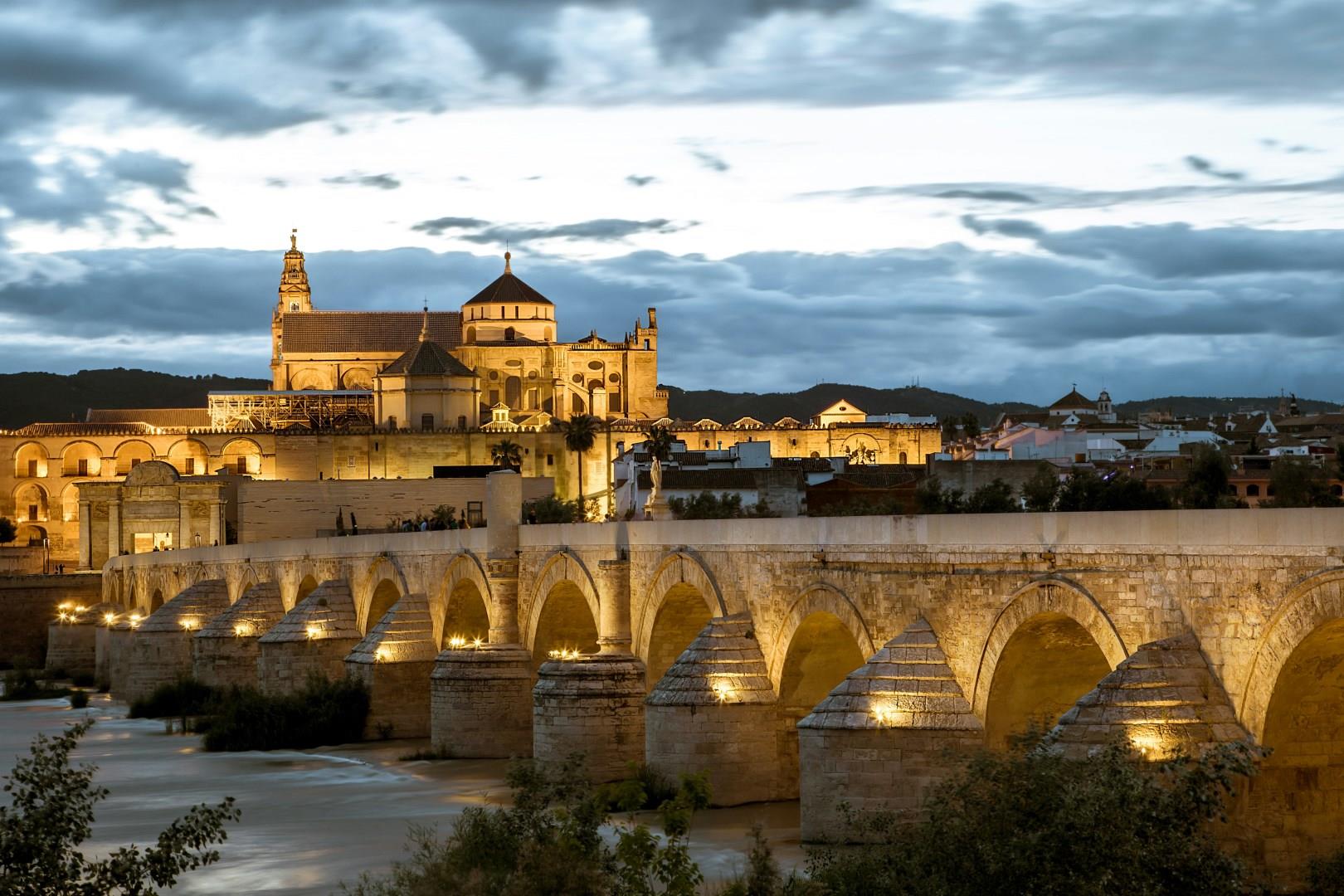
Córdoba, located in the heart of Andalusia, was once the most advanced city in Western Europe. During the 10th century, it served as the capital of Al-Andalus and was a center for learning, science, and art. Today, visitors walk the same streets that philosophers, poets, and physicians once crossed. The city’s most famous landmark, the Mezquita-Catedral, reflects its layered past. The red and white horseshoe arches inside are one of the most photographed interiors in Spain.
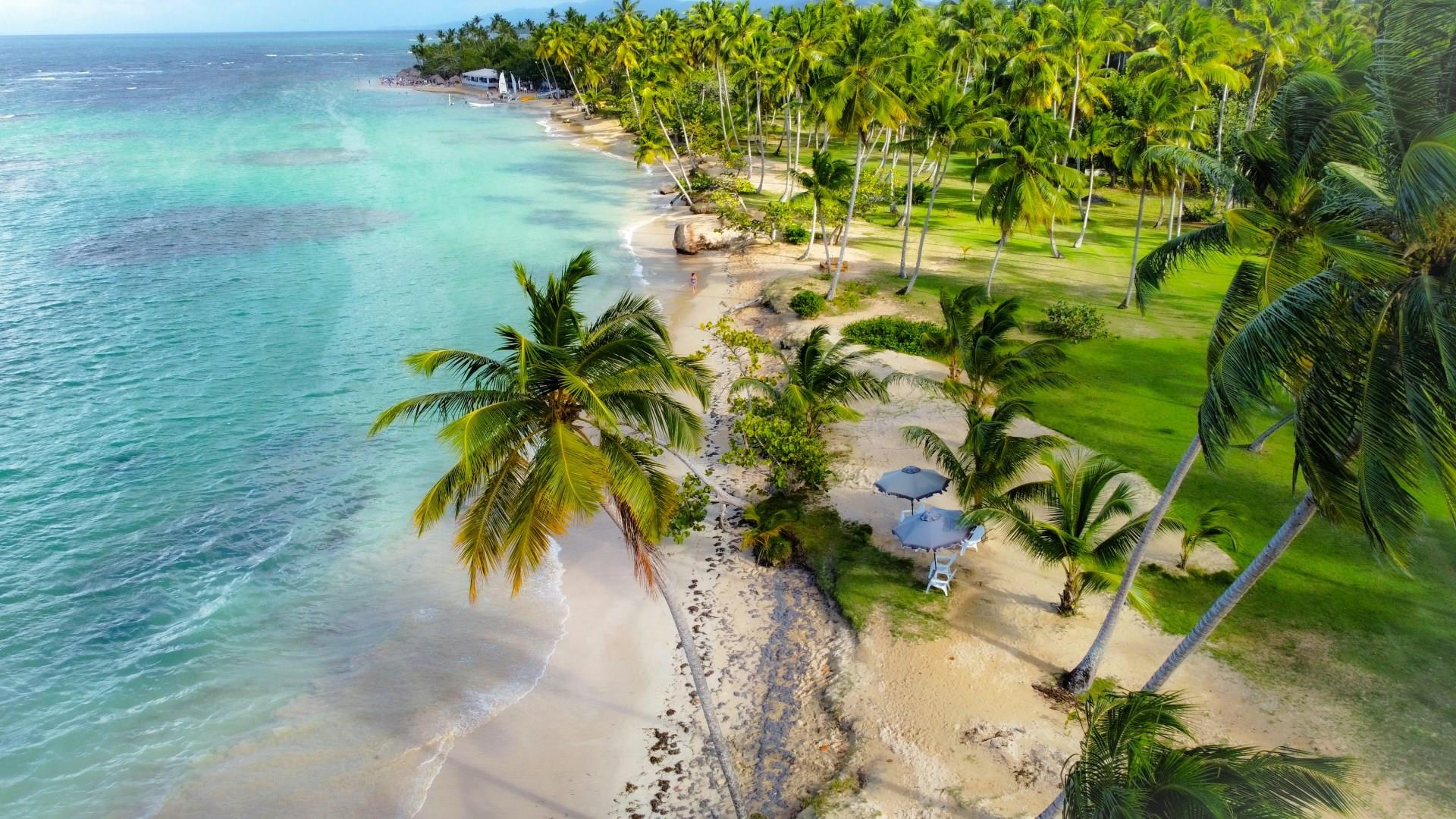
Samaná
Samana sits on a peninsula along the northeastern coast of the Dominican Republic, shaped by seafaring history and a strong Afro-Caribbean cultural presence.

Vukovar
Vukovar, a city in eastern Croatia, stands as a poignant symbol of resilience and beauty. Its rich history is etched into its architecture and monuments, telling the story of its resilience during the Croatian War of Independence.

Puerto Vallarta
Nestled on the glittering shores of Bahía de Banderas and bordered by mountains to the east, Puerto Vallarta is a vibrant resort town bustling with tourists. You'll still find the traditional whitewashed houses with red-tile roofs, vivid bougainvillea, cobblestone streets, and colorful fishing boats. Puerto Vallarta is sure to charm you on your next visit to this Mexican paradise!

Paris
France's capital and most populated city, Paris is an alluring destination and an essential stop for any global traveler. A center of fashion, gastronomy, and the arts. Major tourist attractions in the City of Lights include the Eiffel Tower (such great heights!), the Louvre (home of the Mona Lisa and Venus de Milo), the Arc de Triomphe, and Grand Palais.