Aldabra
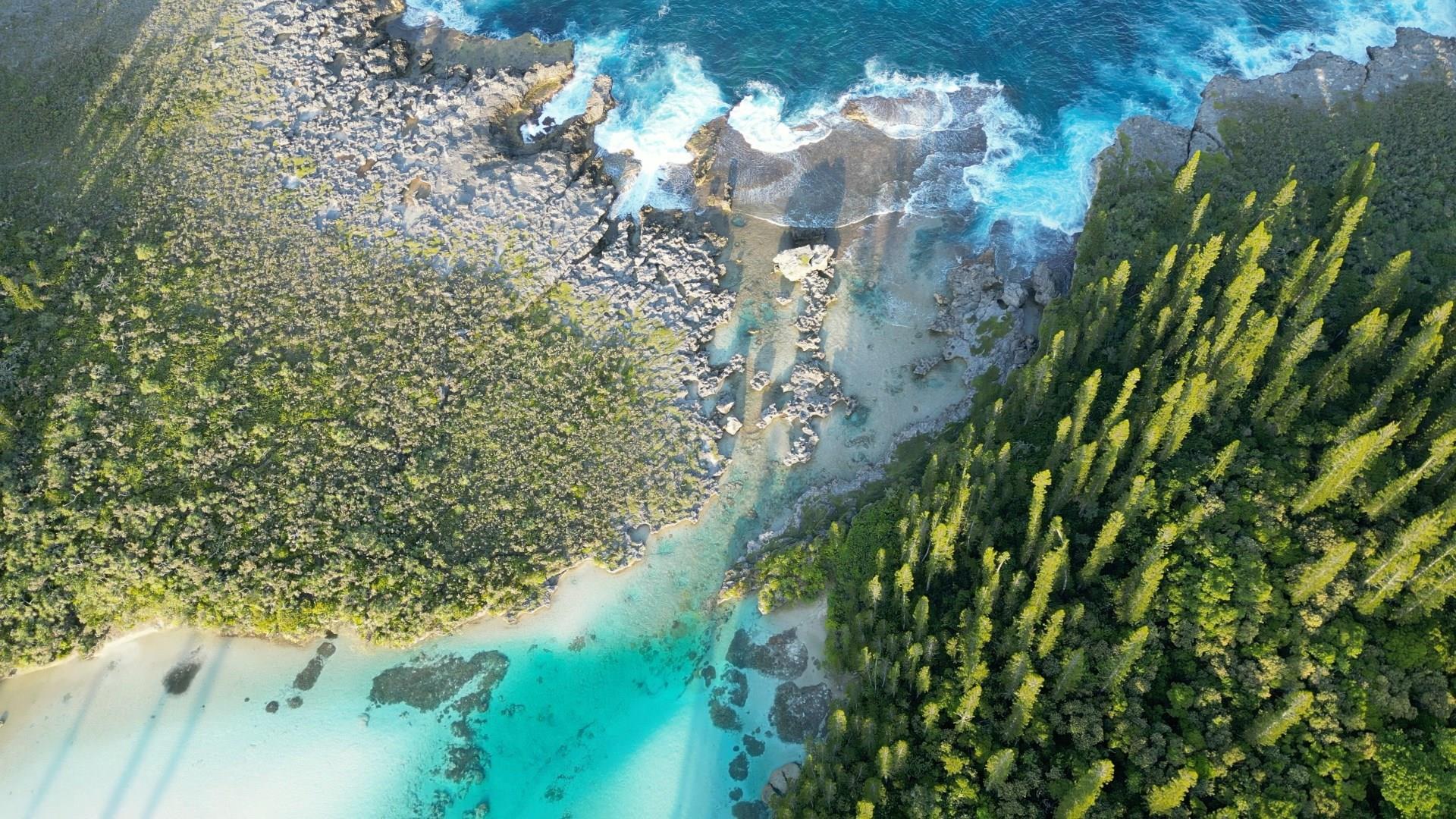
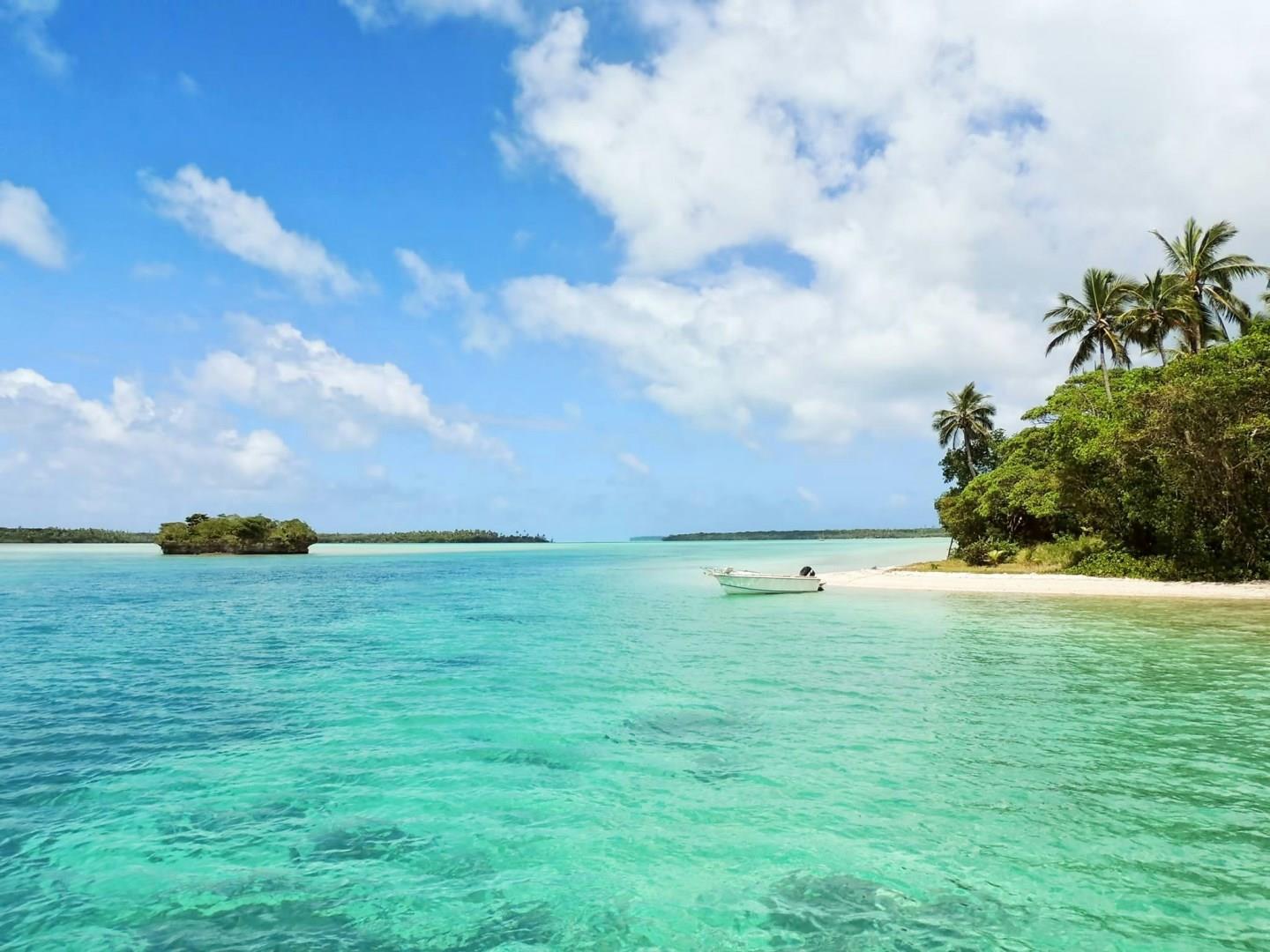
Aldabra Atoll, a UNESCO World Heritage Site located in the Seychelles, offers a pristine and unparalleled escape into nature's untouched beauty. The atoll, the second-largest in the world, is renowned for its remarkable biodiversity and is home to the Aldabra giant tortoise, a species found nowhere else on Earth. This enormous tortoise population is one of the key attractions for visitors, providing a rare opportunity to observe these majestic creatures in their natural habitat.

New Orleans
New Orleans is unlike any other city in the United States. Founded in 1718, it carries layers of French, Spanish, African, and Caribbean influence that can be felt in everything from its architecture to its street music. The French Quarter, the oldest neighborhood in the city, is full of iron-laced balconies, gas lamps, and narrow streets that echo with the sounds of live jazz.
Shirley Heights
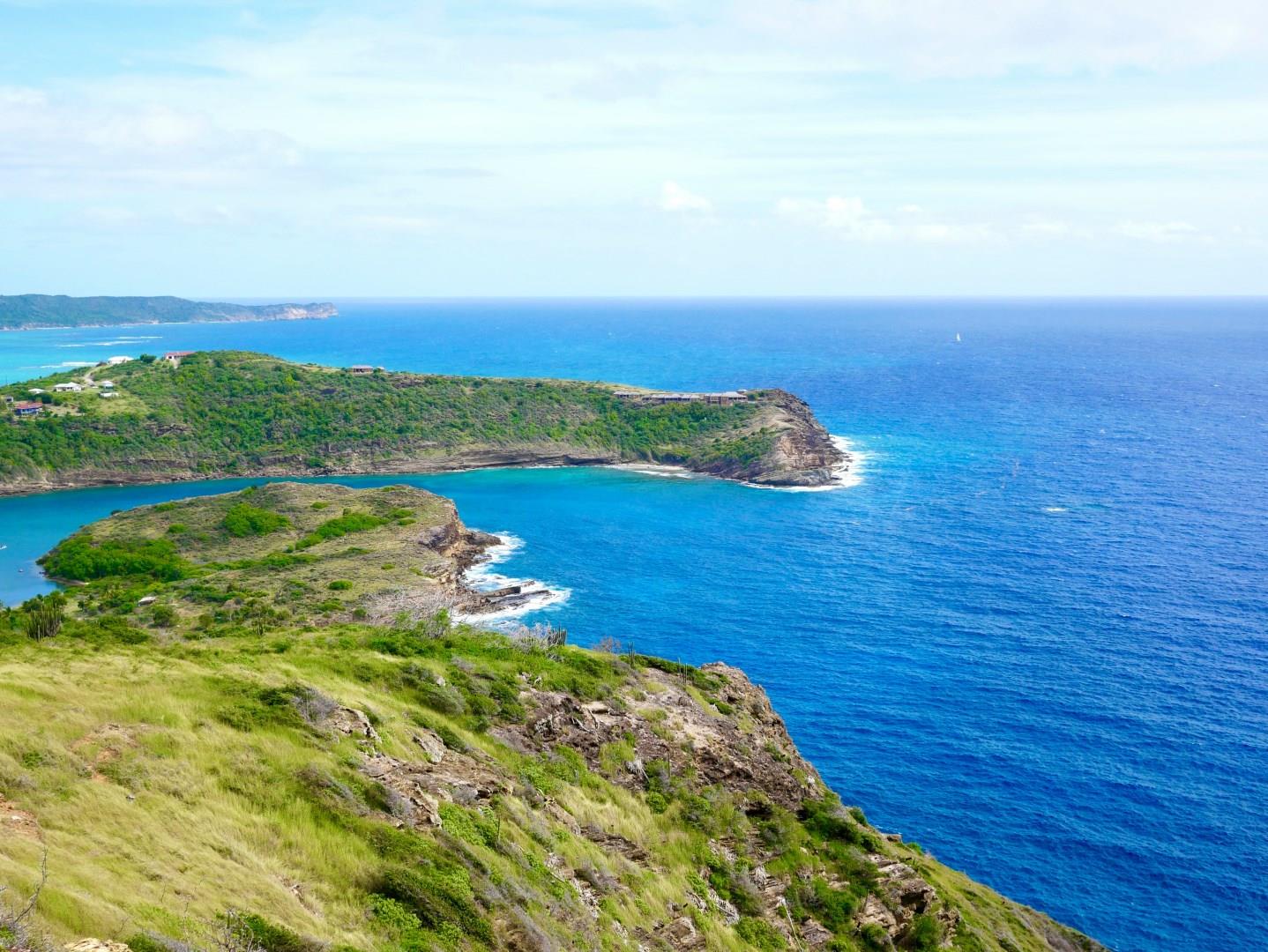
Shirley Heights, perched high above English Harbour on Antigua’s southern coast, is one of the island’s most iconic viewpoints. Once a military lookout and signal station during the 18th century, it played a key role in guarding the British naval base at Nelson’s Dockyard.
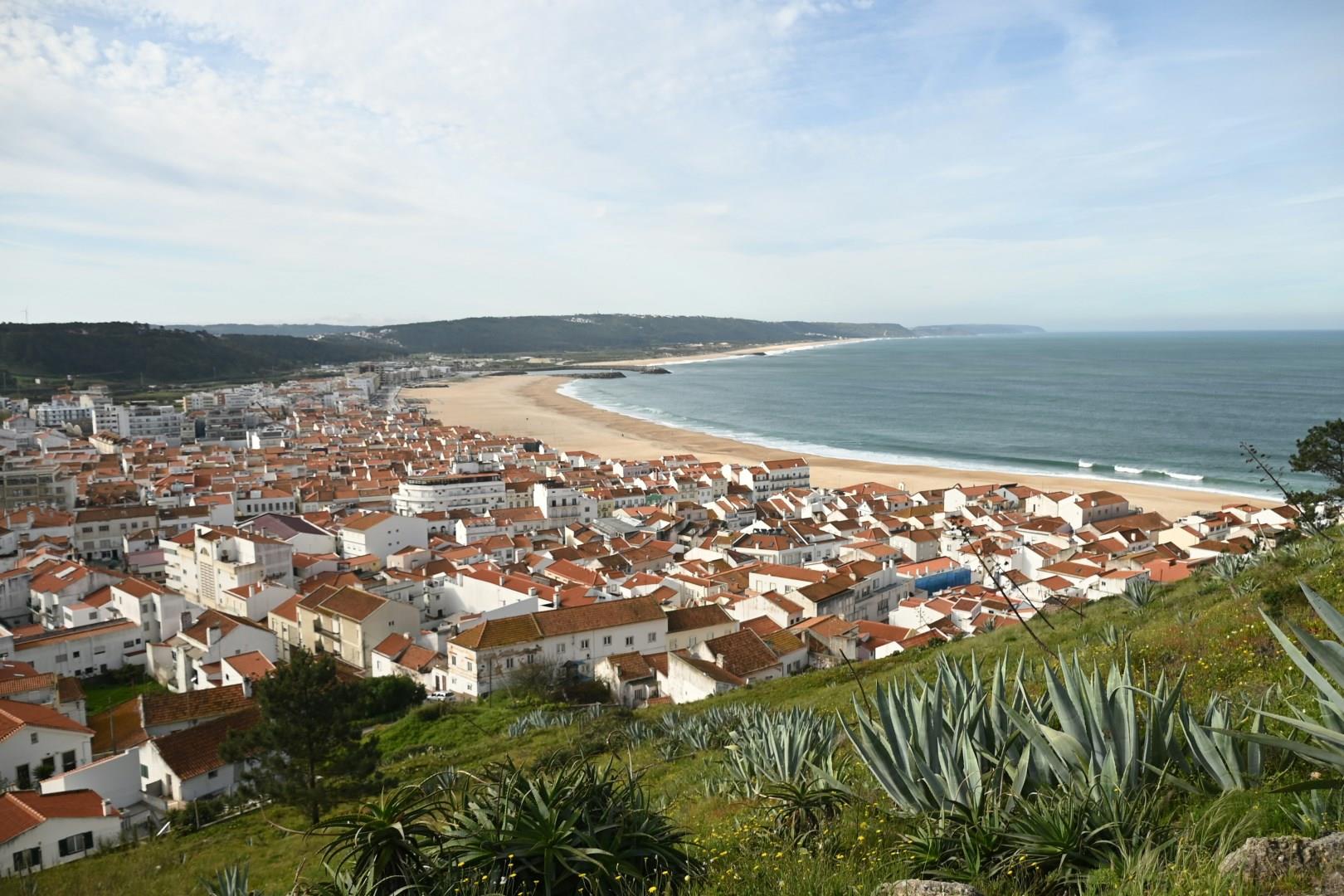
Nazare
Nazaré, set along Portugal’s wild Atlantic coast, is a fishing town transformed into one of the world’s most dramatic surf destinations. Its identity is deeply tied to the sea, both in its centuries-old maritime traditions and in the awe-inspiring waves that now draw visitors from around the globe.

Franschhoek
Nestled in the heart of South Africa’s Cape Winelands, Franschhoek is a charming village renowned for its exquisite vineyards and rich history. Founded by French Huguenots in the late 17th century, the village’s French heritage is palpable in its architecture, cuisine, and local culture.